REVIEW · PRAGUE
Private Prague Art Nouveau and Cubism Walking Tour
Book on Viator →Operated by Insight Cities · Bookable on Viator
Turn-of-the-century Prague looks different up close.
This private walking tour zeroes in on Art Nouveau and Cubism details you’d otherwise miss—signs, façades, and interiors built when the city was looking forward to a new Europe. You’ll connect the design you see with the hopes, politics, and pop culture of the era, from playful typography to symbolic sculptures and “future-looking” optimism.
I really like that the route is built for seeing, not just listening: you stop at real places like the Obecní dům and Prague Main Station and get time to study them. And I also like the human factor—guides like Robert Wesley (Czech-born with a Nigerian father) bring stories that make architecture feel personal, while Bonita weaves art, culture, and design into a clear, fun narrative.
One heads-up: this is a lot of walking in about 3 hours, so it’s not a good fit if you have mobility limits.
In This Review
- Key things to know before you go
- Prague at the art-school level: why Art Nouveau and Cubism matter
- Private guide energy: stories that stick
- Stop-by-stop: from the House of the Black Madonna to Obecní dům
- The first Art Nouveau wave: K+K Hotel Central and Café Imperial
- Cubism with civic weight: the Czechoslovak Legion Bank
- Prague Main Train Station: Art Nouveau on a grand scale
- Wenceslas Square and the styles of a public stage
- Lucerna Arcade: a better way to feel Art Nouveau
- Symbolism at the end: the upside-down statue of King Wenceslas
- What you get for the price: value for a private 3-hour focus
- Timing, meeting, and how to make the walk easier
- Who this tour suits best
- Should you book this Art Nouveau and Cubism walking tour?
- FAQ
- FAQ
- How long is the Private Prague Art Nouveau and Cubism Walking Tour?
- Is this tour private?
- What does the tour cost and what is the group size?
- Is pickup included?
- What’s included in the tour price?
- What’s the meeting point if I don’t have hotel pickup?
Key things to know before you go
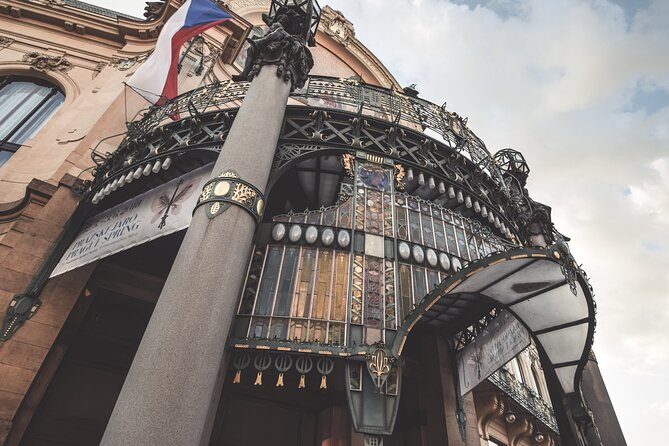
- Private, historian-led route with English interpretation and only your group
- Art Nouveau + Cubism in one flow, focused on design details you can actually spot
- Iconic interiors included in the walk, not just exterior photos
- Multiple stops tied to Czech identity, not only style trends
- 3 hours of walking, so plan for stairs and steady pace
Prague at the art-school level: why Art Nouveau and Cubism matter
Prague gets most of its postcard attention from Gothic towers and Renaissance streets. But around the turn of the 1900s, the city started changing its look—fast. Art Nouveau brought a new language: curling lines, modern typography, decorative ironwork, and motifs inspired by nature and art from farther away. Cubism, on the other hand, feels like geometry with attitude: sharper angles, bold design choices, and buildings that look like they’re trying to break out of the old world.
What makes this tour smart is that it doesn’t treat styles like museum labels. You’ll get the key “how to read it” tools—what to look for in façades, signs, and interior design—so your eyes start doing more work than your feet. That’s the real value. Once you know what to spot, you’ll see the city differently for the rest of your trip.
And since it’s private, your guide can adjust the pace. If you’re the kind of person who likes to linger by architectural details, you’ll have room. If you want the story at a quicker pace, you’ll get that too.
You can also read our reviews of more walking tours in Prague

Private guide energy: stories that stick
This isn’t a script-and-headphones kind of tour. A historian guide is part of the package, and you can feel the difference when the guide connects architecture to real people and real moments in Czech life.
Two guide examples from past groups are especially telling. Robert Wesley brings enthusiastic energy and personal background—Czech-born, with a Nigerian father—and that shows up in how he frames the designs and the era behind them. Bonita, meanwhile, is described as weaving together history, culture, art, and architecture into one clear thread. Even if your guide is different, that style of storytelling is the point: you’re not just learning names and dates, you’re learning how and why these buildings were made.
Tip for you: if there’s a style you prefer—Art Nouveau’s ornamentation or Cubism’s geometry—mention it early. A good guide will naturally steer your attention to the details you’ll enjoy most.
Stop-by-stop: from the House of the Black Madonna to Obecní dům
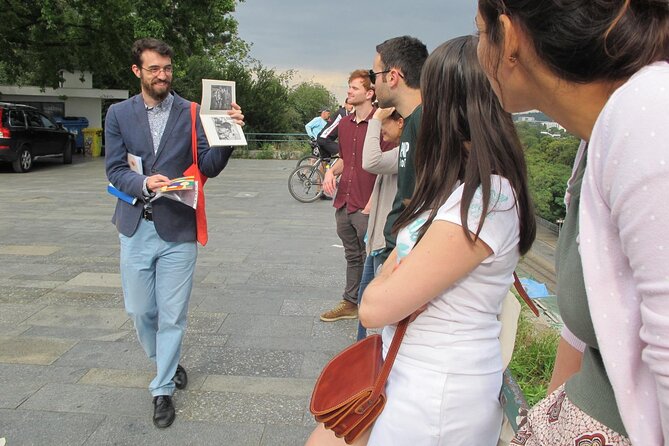
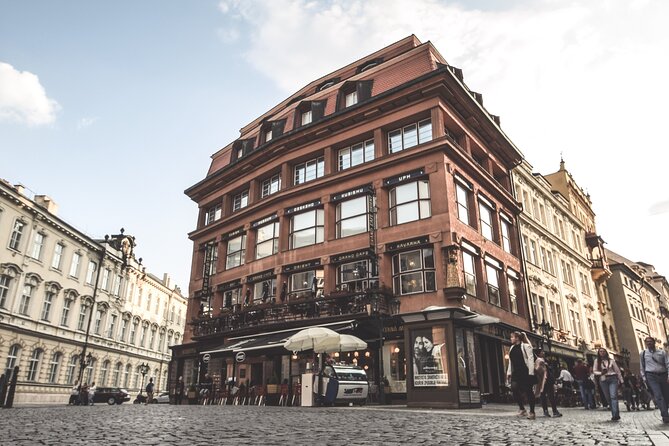
The tour starts where Cubism shows its personality: the House of the Black Madonna. You’ll be looking at a unique building in Cubist style, and the best part here is learning what Cubism changes visually. Instead of decoration sitting politely on top, Cubism tends to make structure and form feel more forceful. Even in a short stop, you can train your eyes to spot the “angular thinking” that defines the style.
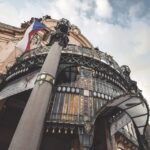
Next up is Obecní dům, one of the best-known symbols of Czech Art Nouveau architecture. This stop is a reminder that Art Nouveau wasn’t only about cozy flourishes. It was also about civic pride and modern ambition. If you like buildings that feel like statements—especially the kind built for a city’s identity—this is a great moment to pause and really look.
Possible drawback at this stage: since you’re starting in the “wow, look at that” zone, you may want to take more photos than you can reasonably do at each stop. Don’t rush the architecture just to capture it. Get one or two strong shots, then spend the rest of your time reading details with your eyes.
The first Art Nouveau wave: K+K Hotel Central and Café Imperial
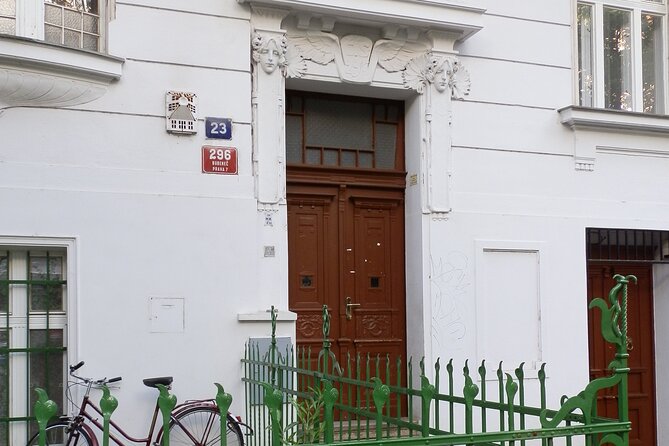
The K+K Hotel Central Prague stop is especially meaningful because it’s described as the first Art Nouveau building in Prague. That makes it more than an attractive façade. It’s a turning point—evidence that the city was experimenting with modern design and new European trends, not waiting to be convinced.
Art Nouveau often works like a visual mood board: swirls, natural motifs, and typography that looks like it belongs to posters and magazines of the day. As you walk, you’ll hear what to watch for—like signature ornamental elements and design details that show broader influences. In the background information for the tour, you’ll even see how motifs such as gingko biloba leaves reflect style influences beyond Central Europe.
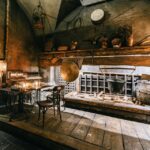
Then the tour shifts to Café Imperial, where you get a taste of how Art Nouveau shows up indoors. A café interior matters because Art Nouveau wasn’t only “on buildings.” It was about lived spaces—places where people spent time, talked, and signaled taste. Even if you’re just visiting the exterior, you’ll approach this stop expecting design to be total: lighting, décor, and overall mood.
Practical tip: indoor stops can mean a quick look and a quick photo. If you want deeper views, keep your phone camera ready but take your time to notice materials and shapes first—those are the details that vanish after a thumbnail shot.
Cubism with civic weight: the Czechoslovak Legion Bank
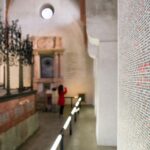
Not every architectural stop is about style. Czechoslovak Legion Bank combines Cubist architecture and a dedicated interior tied to the Czechoslovak Legion of the First World War. This is one of the tour’s most important “meaning” stops.
Why it’s worth your attention: a bank (or any major public building) is often where a society chooses what to display. Here, the design isn’t just decorative; it’s tied to memory and national story. Cubism can feel experimental on the outside, but in this context it also becomes a language for seriousness—an artistic choice used to frame identity and remembrance.
If you enjoy architecture that has a message behind it, you’ll probably want to slow down at this stop—even if your guide moves through it quickly. Ask a question if something specific catches your eye. The style will make more sense once you know what it’s honoring.
You can also read our reviews of more private tours in Prague




Prague Main Train Station: Art Nouveau on a grand scale
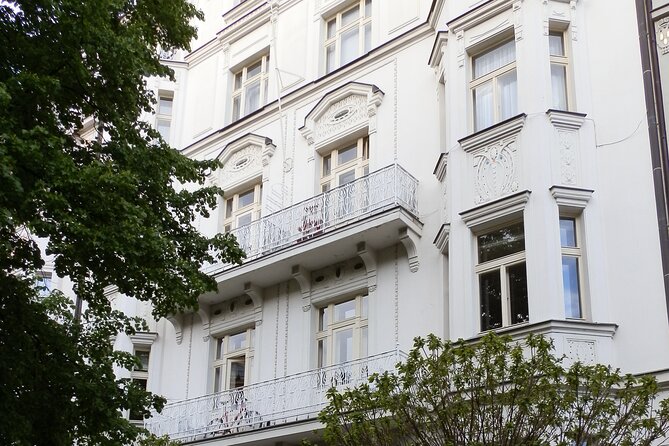
Next comes Praha hlavní nadrazi, Prague Main Train Station, and the reason it’s on this tour is the impressive Art Nouveau dome interior. Train stations are modern-day cathedrals for many cities. In Prague, this one also carries the design confidence of the early 1900s.
This stop helps you connect the dots: Art Nouveau didn’t only decorate small street corners. It also shaped how a city welcomed people. Standing in a space like this gives you scale. The architecture isn’t just “pretty.” It’s built to move crowds, channel attention, and make arrivals feel significant.
Trade-off to consider: because it’s a major transit hub, you may have less quiet than at smaller sites. That’s not a problem, just manage expectations. Your goal here is to notice the dome and interior design features, not to zone out for long.
Wenceslas Square and the styles of a public stage
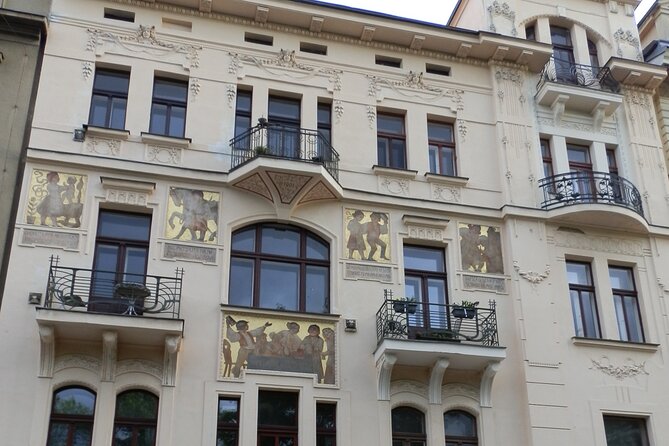
Wenceslas Square is where the tour turns to the bigger picture: Art Nouveau and Art Deco discussions in a lively public setting. Squares are where architecture becomes social choreography. People pass through, gather, and measure the city’s self-image in real time.
This stop is useful even if you think you already know Wenceslas Square from photos. You’ll likely leave seeing details with different eyes—how style trends relate to the city’s shifting identity and public taste. Even if the square is busy, you’ll get a framework for reading what you see.
Tip: if you’re feeling photo-saturated by then, focus your attention on one thing—typography, façade rhythm, or decorative elements—rather than trying to absorb the entire square at once.
Lucerna Arcade: a better way to feel Art Nouveau
The tour finishes with a look at Lucerna Arcade, described as having one of the most beautiful arcades in Prague, with Art Nouveau interior character. Arcades are a special type of urban space: semi-private, slightly protected, and designed for strolling. They’re where you can feel how design supports daily life.
Why this stop works for you: compared to larger landmarks, arcades are intimate. You can notice smaller design decisions without craning your neck at giant façades. If Art Nouveau’s curves and decorative motifs are your thing, this is often where the style clicks as something you can almost imagine living inside.
Practical angle: if you want a final round of photos, this is a good moment to slow down. You’ll get the chance to frame shots that include interior character, not just exterior frontages.
Symbolism at the end: the upside-down statue of King Wenceslas
The tour closes with the Upside-Down Statue of King Wenceslas Riding a Dead Horse. This is one of those stops that reminds you architecture and sculpture aren’t only about aesthetics. They’re also about commentary—about Czech history, the Czech National Revival, and what symbolism means when it’s flipped on its head.
If you’re the kind of traveler who enjoys a bit of political and cultural context, this stop gives you a “why it matters” moment. You’ll connect modern artistic choices to older identity stories, so the tour doesn’t feel like it stops at 1900. It keeps going.
Small consideration: sculpture symbolism can be interpretive. Your guide’s job is to bring clear context to it, but if you prefer strictly factual explanations with minimal interpretation, just tell your guide that upfront.
What you get for the price: value for a private 3-hour focus
The price is $396.46 per group (up to 10 people) for about 3 hours. That sounds like a lot until you do the math with what you’re actually buying.
You’re paying for:
- a private route focused tightly on two style movements
- a historian guide, so the explanations stay specific
- a walking format that lets you learn “what to look for” in real time
- multiple stops at major architectural sites plus interior moments like the café and arcade
If you’re traveling solo, it can still be worth it if you care about understanding the city beyond photos. If you’re traveling with a small group—two to six people—this often becomes a strong value because you spread the cost across the experience rather than competing with shared-tour limits.
One thing to keep in mind: this isn’t a “culture overview of Prague” tour. It’s a style-focused experience. If you want broad coverage of all eras, you might pair this with something more general. If you specifically love architecture, art movements, and design details, this is built exactly for you.
Timing, meeting, and how to make the walk easier
You can usually choose a morning or afternoon departure. The tour is confirmed at booking, and you’ll have a mobile ticket.
If hotel pickup is arranged, great. If not, you meet your guide about 15 minutes before start time, at Grand Cafe Orient, Ovocný trh 19 Prague 1. The start area is also near public transportation, which makes it easier to connect with other plans.
Now for the comfort part: because it’s a walking tour with a short-ish visit window at each stop, wear shoes you can trust. You’ll likely spend more time standing and looking than you expect, especially at the dome interior and the places where façade details matter.
Accessibility note: the tour involves enough walking that it’s not suitable for the mobility impaired, based on past experiences.
Who this tour suits best
You’ll love this tour if:
- you enjoy architecture and want to learn how to read it
- you like the idea of Prague in the turn-of-the-20th-century mood
- you’re the kind of traveler who notices signage, façades, and interior design
- you want a private guide who can tailor the pace and attention
It may not be your best fit if:
- you want a low-walking, mostly seated experience
- you prefer big-bucket Prague highlights without style focus
- you’re not interested in art movements and the context behind them
Should you book this Art Nouveau and Cubism walking tour?
Yes—if your idea of a great Prague day is architecture you can understand. This route is tight, focused, and structured around the two styles that can be hardest to spot on your own. The private historian guide angle matters, and the stops are chosen for both look-and-meaning: first-wave Art Nouveau, Cubist geometry with civic purpose, interior spaces that bring design into daily life, and a symbolic finale tied to Czech identity.
If you’re short on time in Prague and want a single tour that upgrades your photo walk into actual visual literacy, this is a strong pick.
FAQ
FAQ
How long is the Private Prague Art Nouveau and Cubism Walking Tour?
It lasts about 3 hours.
Is this tour private?
Yes. It’s a private tour, and only your group participates.
What does the tour cost and what is the group size?
The price is $396.46 per group for up to 10 people.
Is pickup included?
Pickup is offered, but hotel pickup and drop-off are not included unless arranged.
What’s included in the tour price?
A historian guide is included.
What’s the meeting point if I don’t have hotel pickup?
Unless hotel pickup is arranged, meet your guide 15 minutes before the start time at Grand Cafe Orient, Ovocný trh 19 Prague 1.