REVIEW · PRAGUE
Prague: 3-Hour Old Town and Prague Castle Tour in German
Book on GetYourGuide →Operated by pragERLEBNIS · Bookable on GetYourGuide
Prague really makes sense when you walk it with a local. This 3-hour German tour gives you a tight overview of Old Town Square, Josefov, Charles Bridge, and Prague Castle grounds with stories and practical orientation you can use the rest of your trip. I especially like the pacing for first-timers and the fact that it includes the uphill tram ticket, so you save your legs for the views. One thing to consider: the tour is German-only, and it’s not built for mobility issues.
The vibe here is small-group and easy to follow. Many guides, like Lena and Dagmar, get praised for speaking clearly, sharing lots of facts without turning it into a lecture, and keeping energy up even during a longer-than-average walk. If you’re hoping for lots of indoor ticketed stops, you’ll want to know what is and isn’t included before you go.
In This Review
- Quick hits worth knowing
- Starting on Old Town Square: where Prague’s stories begin
- What I like about the beginning
- A small reality check
- Charles University and the “school streets” of Prague
- Old Town Hall and the Astronomical Clock: what to look for during the photo stop
- Practical tip for this stop
- Josefov (Jewish Quarter): synagogues exteriors and the weight of the streets
- How to get the most from this section
- Clementinum and Charles Bridge: efficient sightseeing with photo time
- A note on energy
- Tram uphill to Prague Castle: saving your legs for the real climb
- Prague Castle grounds without ticket hassles: gardens, Golden Lane, and St. Vitus exteriors
- Why I think this format is smart
- The ending at St. Wenceslas vineyard: a viewpoint finish that helps
- Price and value: $36 for a lot of walking structure
- The main tradeoff
- Who this tour suits best (and who should skip it)
- Book it or pass: my practical call
- FAQ
- Is this tour in German only?
- How long is the tour?
- What price should I expect?
- What’s included in the ticket?
- Are Prague Castle interiors included?
- Where do I meet and where does the tour end?
Quick hits worth knowing
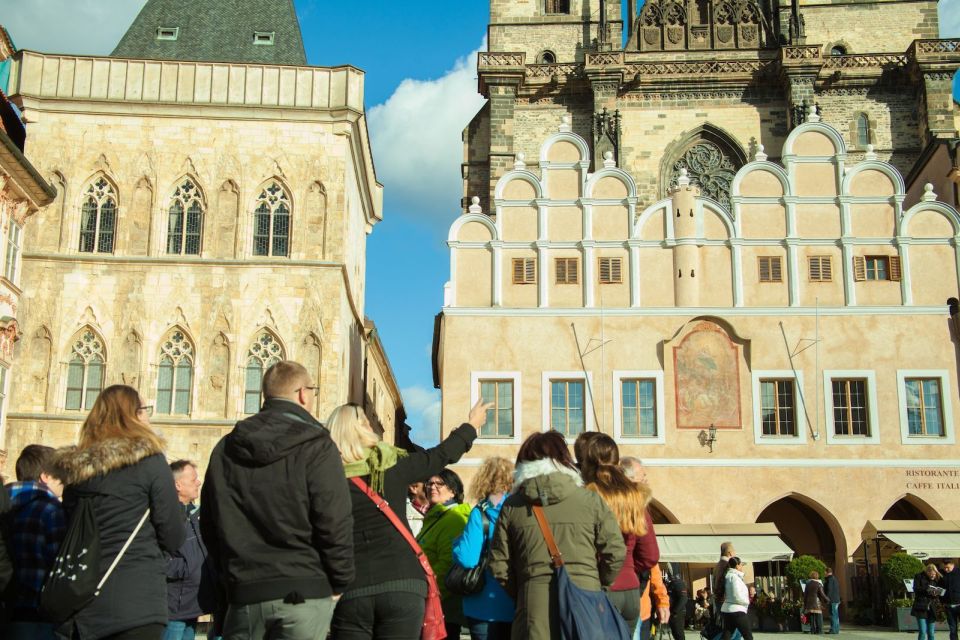
- Old Town Square start at the Church of Mother of God before Týn area, then straight into the city’s big landmarks
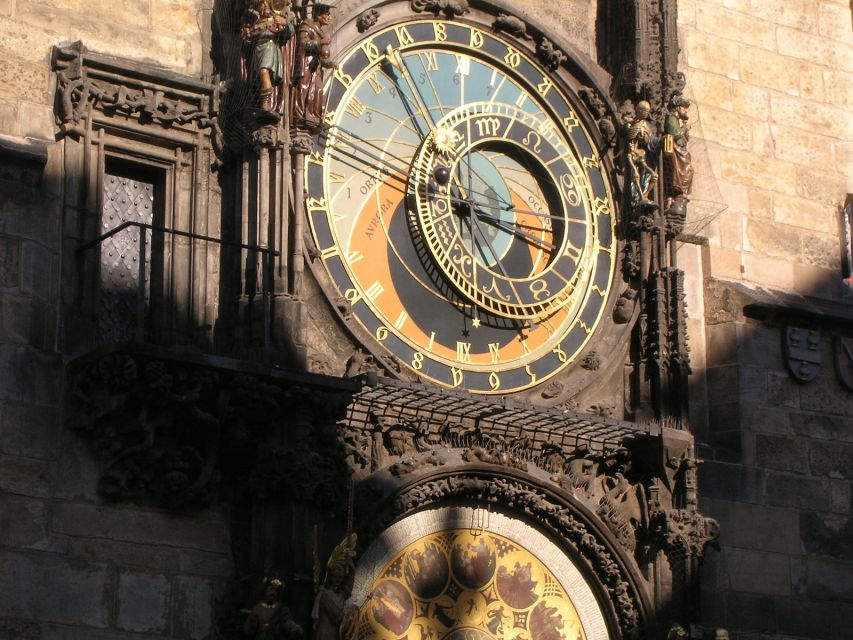
- Astronomical Clock photo stop plus commentary on what makes it special
- Jewish Quarter focus (Josefov) with synagogue exteriors and the atmosphere of the old cemetery area
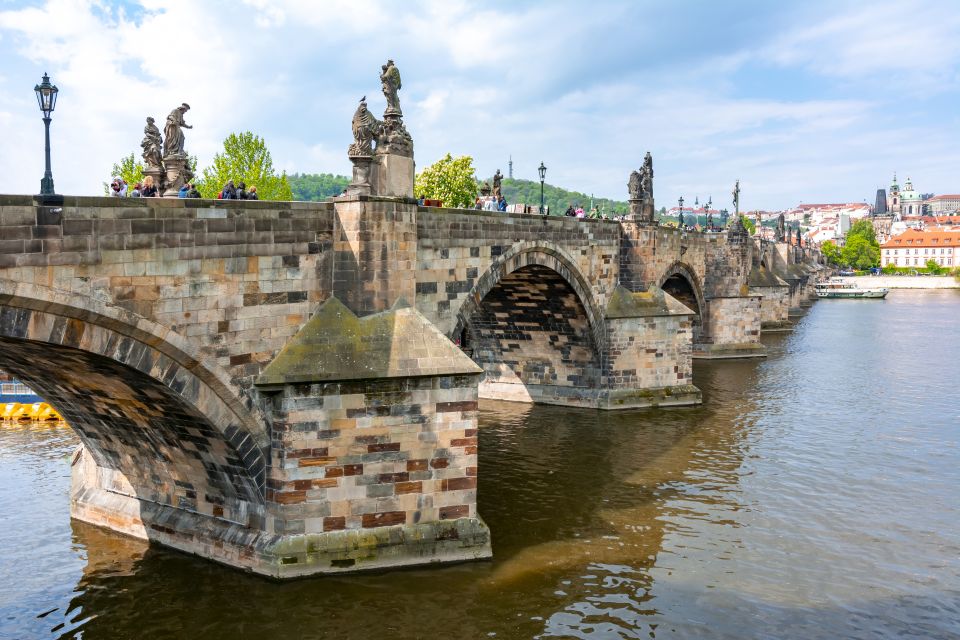
- Charles Bridge crossing with a quick, efficient plan for photos
- Prague Castle exteriors and courtyards plus Golden Lane viewing, not paid cathedral/palace interiors
- Tram up included to Malostranské Náměstí, so you don’t spend the whole time climbing on foot
Starting on Old Town Square: where Prague’s stories begin
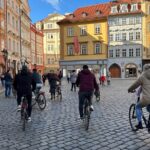
Your tour begins in Old Town Square, right in the middle of the action and the history—look for Old Town Square 5, in front of the Cartier boutique, on the corner of Pařížská Street, and watch for the green umbrella. This is a smart way to start because you’re dropped into the most recognizable setting in Prague before you move anywhere else. Even if you’ve seen photos, being on the ground helps you understand scale and walking distances fast.
From there, the route is built for orientation. You’ll move along the picturesque streets and pass key “name places” that many first-time visitors only recognize in a blur. The guide’s job is to connect those names to stories, architecture, and why Prague developed the way it did.
You can also read our reviews of more tours and experiences in Prague
What I like about the beginning
Two things make this opening section work. First, you get a live sense of how Old Town Square connects to the rest of your day—everything feels linked, not random. Second, the guide-led walk helps you learn the city’s big “visual cues,” like which facades and buildings matter for photos and which areas are more about the setting than the object.
A small reality check
This first part is still a walking tour, so comfortable shoes matter. The tour also asks you to bring an umbrella, because Prague weather likes to change its mind quickly, sometimes fast.
Charles University and the “school streets” of Prague
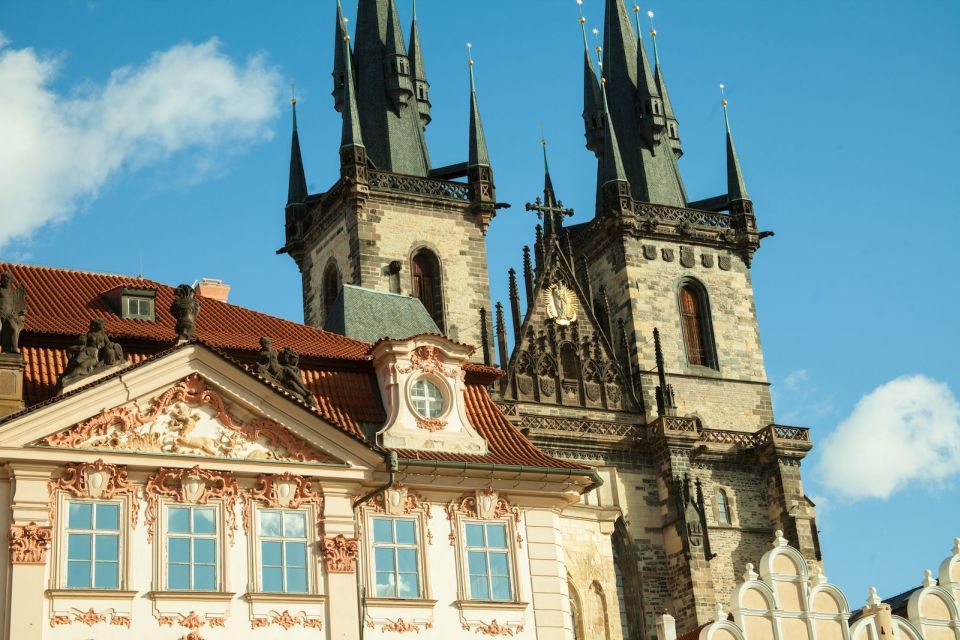
After Old Town Square, you’ll head toward Charles University, one of Prague’s most important cultural anchors. This is where the tour shifts from market-square drama into a calmer, more scholarly mood. You’ll get commentary that helps you read the streets like a timeline, not just a postcard.
Charles University is a great stop in a short tour because it explains how Prague’s identity isn’t only about kings and churches. It also connects to learning, science, and civic life—ideas that keep showing up later when you reach the astronomical clock and the castle grounds.
Old Town Hall and the Astronomical Clock: what to look for during the photo stop
The Old Town Hall area is where the tour delivers one of Prague’s most famous sights: the astronomical clock. You’ll have a photo stop here with guided time to point you at what matters, and to give you the context behind why people still gather at this spot.
Even if you’ve seen the clock in pictures, the best part of a guided stop is the “how to see it” explanation. The guide can help you notice details you’d otherwise miss, and it sets the stage for the next areas by reminding you that Prague’s attractions are tied to timekeeping, design, and public life.



Practical tip for this stop
If you want clean photos, pay attention to where you position yourself. There’s a lot of foot traffic around this landmark, so you’ll do better if you treat the guided photo time as your moment to claim a spot.
Josefov (Jewish Quarter): synagogues exteriors and the weight of the streets
Next comes Josefov, Prague’s Jewish Quarter. In a short 3-hour format, the tour does the best kind of compromise: it focuses on meaningful exteriors and the street-level atmosphere rather than trying to pack in multiple paid interiors.
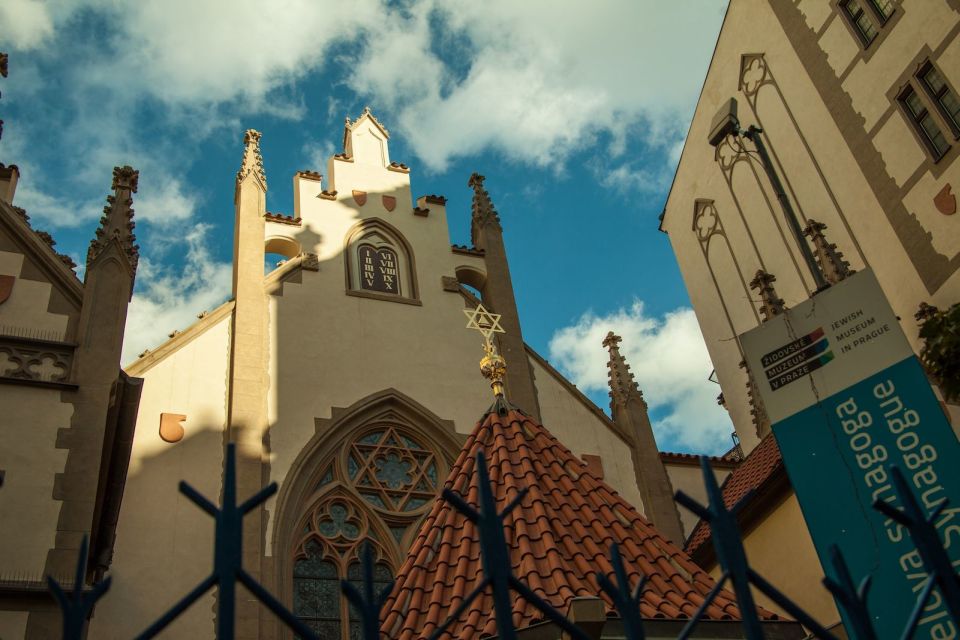
You’ll pass the Maisel Synagogue and Pinkas Synagogue exteriors, and you’ll also get time around the area of the old Jewish cemetery. This is the kind of stop where a guide matters. The storytelling helps you understand that these buildings aren’t just architecture; they’re part of a community’s presence in Prague and a record of its history.
How to get the most from this section
Go slower here than you think you need to. The area has a distinct feel, and it’s easy to rush because you’ll still be moving onward. If you do want questions answered, this is the moment—your guide can connect the dots between the synagogues, the neighborhood layout, and the larger arc of Prague.
Clementinum and Charles Bridge: efficient sightseeing with photo time
After Josefov, the walk continues through the Clementinum area, then toward Charles Bridge. Clementinum can feel a bit like a quiet intermission between the emotional weight of Josefov and the classic photo-world of the bridge.
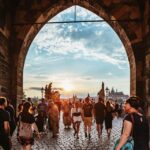
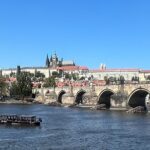
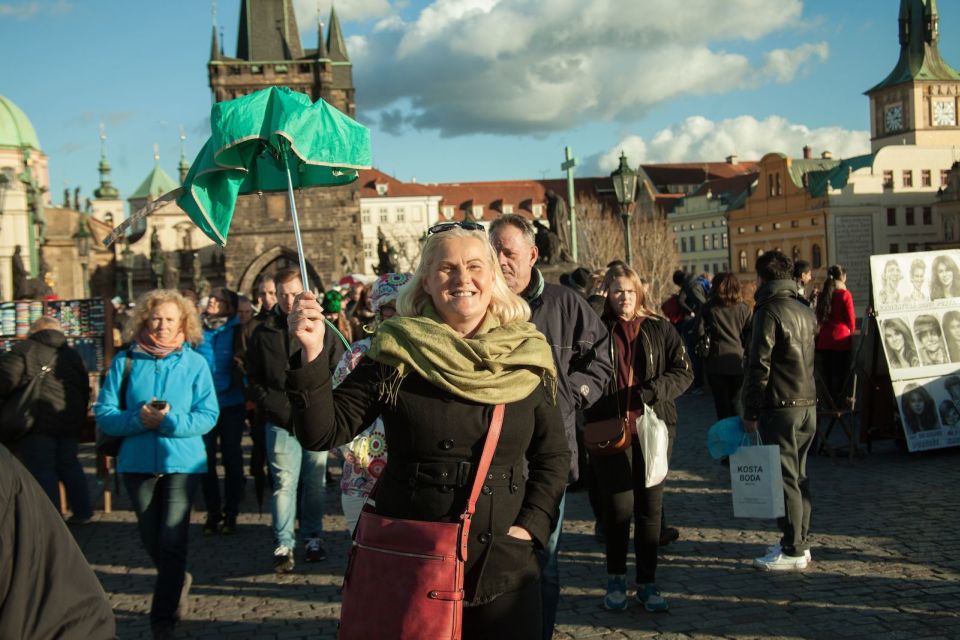
Then you cross Charles Bridge. The tour includes a photo stop and a short visit time here, which is exactly what you want on a compressed schedule. The bridge is one of those places where being there matters as much as anything you see. You’ll get the guided route and then enough time to frame a few photos and orient yourself for what comes next.
A note on energy
Charles Bridge can be crowded and uneven, and the day still continues uphill afterward. If you’re sensitive to crowds, keep your focus tight: look, snap, and move, rather than trying to “wander” for long.
Tram uphill to Prague Castle: saving your legs for the real climb
Here’s one of the best value points of this tour. You get a tram ticket included for the ride uphill to Prague Castle. That small inclusion changes the day in a big way.
Instead of turning your afternoon into a nonstop grind uphill, you arrive at the castle area with more energy left for walking, views, and the courtyards. The tram also helps you experience the city’s layout—Prague looks different when you’re moving up rather than sideways.
Your stop is at Malostranské Náměstí, which works well because it acts like a launchpad for the castle grounds.
Prague Castle grounds without ticket hassles: gardens, Golden Lane, and St. Vitus exteriors
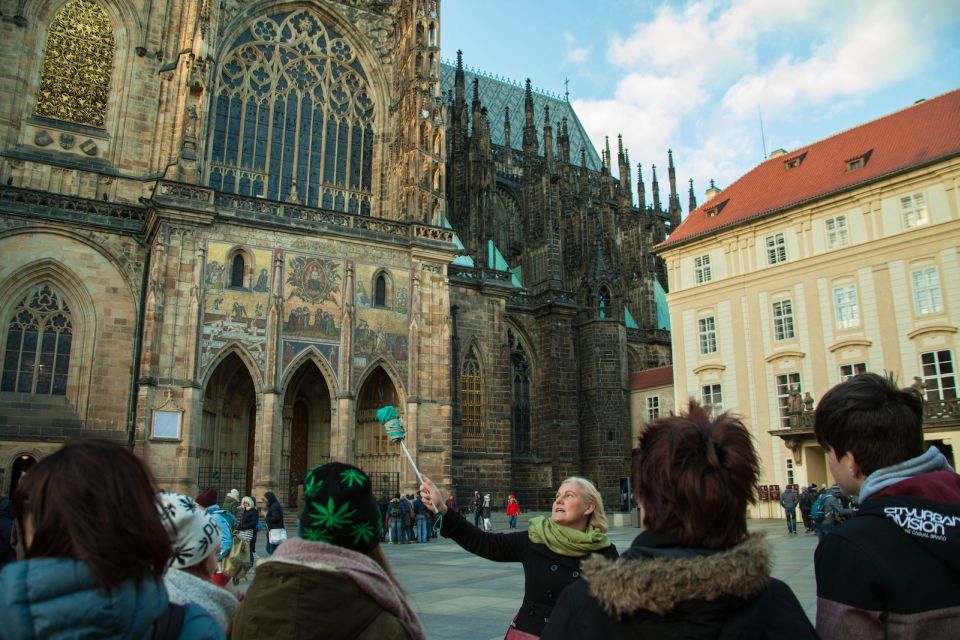
This is where the itinerary shifts from “walk the city” to “walk the castle world.” Prague Castle is huge, and in a 3-hour tour you’re not trying to do everything. You’re doing what most first-timers need: key exteriors, courtyards, viewpoints, and a few must-see corridors.
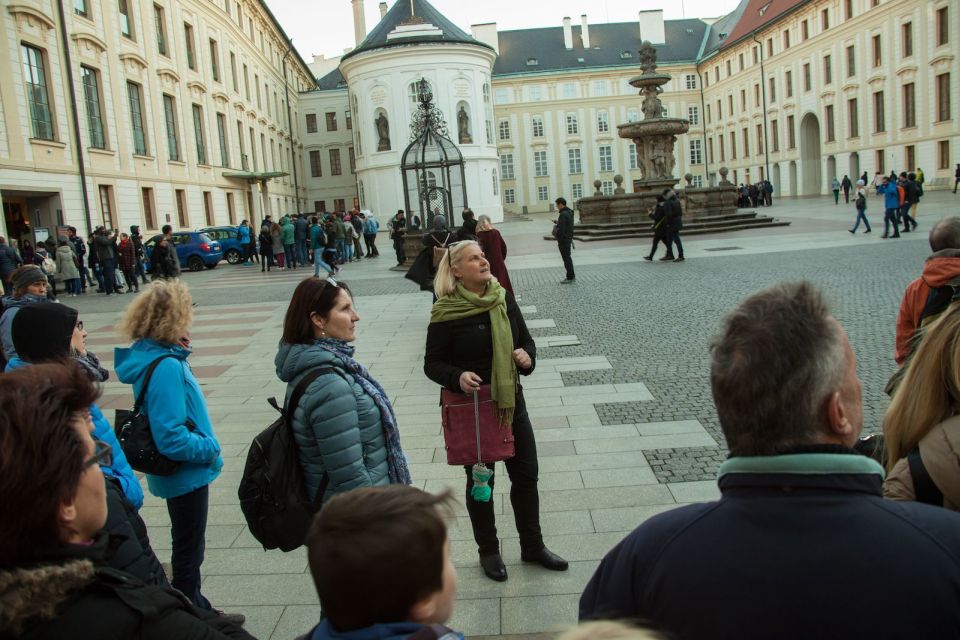
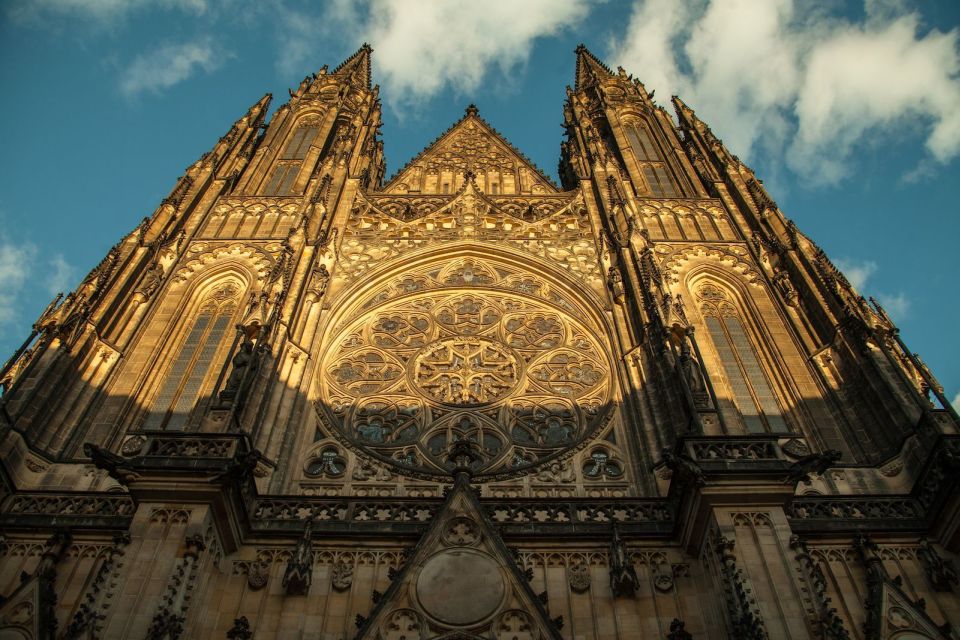
You’ll pass through areas like the Royal Garden (with notes that the gardens can include inside access in the Apr-Oct season), and you’ll walk past Hradčany Square with a view toward the German embassy. Then comes time in the inner courtyards of Prague Castle, plus the Golden Lane area and St. Vitus Cathedral exteriors.
Golden Lane is one of the most memorable parts of any castle visit because it feels storybook on foot. In a tour like this, you walk past it and get guidance so you understand why it mattered and why it’s still a magnet for photographers. You’ll also see Daliborka Tower at the end of Golden Lane area; it used to be part of the ramparts, so the guide’s explanation helps you think of the castle as a defensive system, not just a palace set.
Why I think this format is smart
This tour doesn’t include paid entry to the palace or cathedral interiors. That sounds limiting, but it’s actually what keeps the day moving and keeps costs lower. You get the big visual experience—how the castle looks, how it sits over the city, and what the grounds feel like—without the extra time inside ticket lines.
If you decide later you want the interior highlights, you’ll be well oriented to pick the right ticketed sites.
The ending at St. Wenceslas vineyard: a viewpoint finish that helps
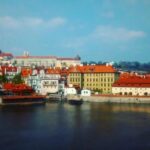
The tour ends at St. Wenceslas vineyard. Ending here is a practical gift. Castle-area days can feel like you’re stuck inside the grounds and walking the same paths back out. This finish gives you a natural transition to sightseeing in a different direction and a chance to see the city from a calmer angle.
Also, since the tour does not end back at the starting location, plan your next step accordingly. In practice, that often means you’ll want to keep your afternoon flexible for nearby areas rather than rushing to a distant meeting point right after.
Price and value: $36 for a lot of walking structure

At $36 per person for a 3-hour guided route, the value mostly comes from what you avoid.
First, you avoid the guesswork of how to link Old Town, Josefov, Charles Bridge, and Prague Castle in one go. The guide’s storytelling and timing help you use your limited time without turning it into a scavenger hunt.
Second, you get the included tram ticket uphill. In Prague, transport and walking both add up fast. This inclusion reduces strain and helps you actually enjoy the castle courtyards and Golden Lane without arriving completely spent.
Third, the group size stays small—typically up to 15 participants, sometimes around 20 in peak season. For a German-language tour, that matters: smaller groups tend to keep questions possible and the guide’s explanations easier to hear.
The main tradeoff
The big drawback is the language. The tour is German only, and the operator notes that those without good German skills may not be allowed to join. If German isn’t your comfort zone, you’ll struggle to follow the stories that make this itinerary worth it.
Also, the tour focuses on exteriors and courtyards. If you want interiors like the palace rooms or the cathedral interior, you’ll need additional ticketed plans.
Who this tour suits best (and who should skip it)
This works best if:
- You’re visiting Prague for the first time and want a structured overview without paying for multiple castle interiors.
- You like walking tours that use landmarks as prompts for stories, architecture, and city logic.
- You’re comfortable with a German-only guide and can follow the narration.
You should reconsider if:
- You need wheelchair access or have mobility impairments, since it’s not suitable for wheelchair users.
- You have back problems or recent surgeries, given the walking and uphill area even with the tram.
- You’re bringing large luggage or big bags—those aren’t allowed, and Prague sightseeing is easier when you travel light.
- You’re traveling with party groups or you expect breaks for nightlife energy rather than a steady walking pace.
It’s also not designed for little kids under 5, based on the guidance provided.
Book it or pass: my practical call
I’d book this tour if you want a smart first-day route and you can handle German narration. The price-to-time ratio is strong, and the tram inclusion is a clear win. I also like the way it covers Josefov and the castle grounds in one sweep without trying to cram paid interiors into a short window.
I’d pass if you mainly want indoor ticketed highlights, or if German isn’t workable for you. In that case, you’ll likely feel left out of the very stories that make this walk memorable.
If you do book, go in with one mindset: use the 3 hours to learn the layout of Prague and decide later what to explore deeply. This tour is best as your foundation, not your whole trip.
FAQ
Is this tour in German only?
Yes. The guided tour is in German language only, and the operator warns that people without good German skills may not be allowed to join.
How long is the tour?
The duration is 3 hours.
What price should I expect?
The price is listed as $36 per person.
What’s included in the ticket?
You get a German-speaking live guide, a smaller group experience (typically up to 15, sometimes around 20), and a tram ticket for the ride uphill to Prague Castle.
Are Prague Castle interiors included?
No. Paid entries to Prague Castle interiors such as the palace or cathedral are not included. You’ll see exteriors and visit courtyards as part of the tour.
Where do I meet and where does the tour end?
Meet at Old Town Square 5 in front of the Cartier boutique at the corner of Pařížská Street, looking for a green umbrella. The tour ends at St. Wenceslas vineyard, not back at the starting location.