REVIEW · PRAGUE
Prague: World War II and Communist History Tour
Book on GetYourGuide →Operated by Discover Prague Tours sro · Bookable on GetYourGuide
Prague has two dictatorships in one walk. This 2.5-hour trek strings together WWII trauma and Communist-era control through the streets you’ll recognize, with a guide turning landmarks into lived-in moments.
What I like most is how the guide gives you a clear storyline, not random facts. You’ll also get specific, high-impact episodes—like the assassination plot tied to the Nazi security world—explained with local detail, and guides such as Tony, Adam, Zac, Daren, and Sean have been praised for making that history stick fast.
One heads-up: this tour covers hard, painful eras, so if you prefer lighter sightseeing, it can feel emotionally heavy even though the pacing is smart.
In This Review
- Key takeaways before you go
- A 20th-century timeline you can walk
- Meeting at Týnská 639/4: where the story starts
- Nazi occupation and resistance: what changed, street by street
- Jewish Quarter context: tragedy is woven into the city map
- Municipal House and the Communist-era mood shift
- Operation Anthropoid and the assassination aftermath
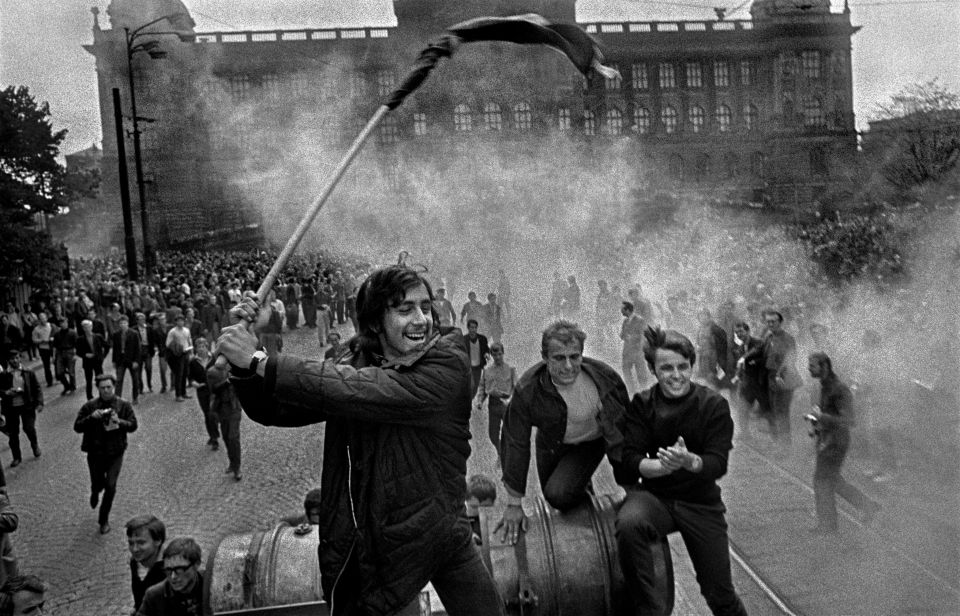
- Prague Spring, the Warsaw Pact invasion, and the cost of hope
- Normalization: what control looked like after the crackdown
- Václav Havel and the Velvet Revolution: how change finally broke through
- Dancing House and Wenceslas Square: contrasts you can see
- Price and time: what $34 buys you
- What to bring and how to get the most out of it
- Who this tour is for (and who should skip)
- Should you book? My straight answer
- FAQ
- How long is the Prague WWII and Communist History walking tour?
- Where is the meeting point?
- Is the tour in English?
- What topics does the tour cover?
- Which Prague locations are included on the tour?
- Is it mostly a walking experience?
- Can I get a refund if my plans change?
- Can I reserve now and pay later?
- Are there different starting times?
Key takeaways before you go
- A single storyline from Nazi rule to 1989: the guide moves you through occupation, uprising, Communist takeover, Prague Spring, and the Velvet Revolution.
- You’ll hit big Prague landmarks tied to real events, including the Municipal House, Jewish Quarter, Dancing House, and Wenceslas Square.
- Resistance and retaliation are part of the plot, not footnotes, including where a top Nazi security figure was assassinated.
- English-language guides that tell in scenes, with humor and context that keep the pace lively.
- 2.5 hours feels like a lot because the guide links places to people, including dissidents like Václav Havel and groups such as Charta 77.
A 20th-century timeline you can walk
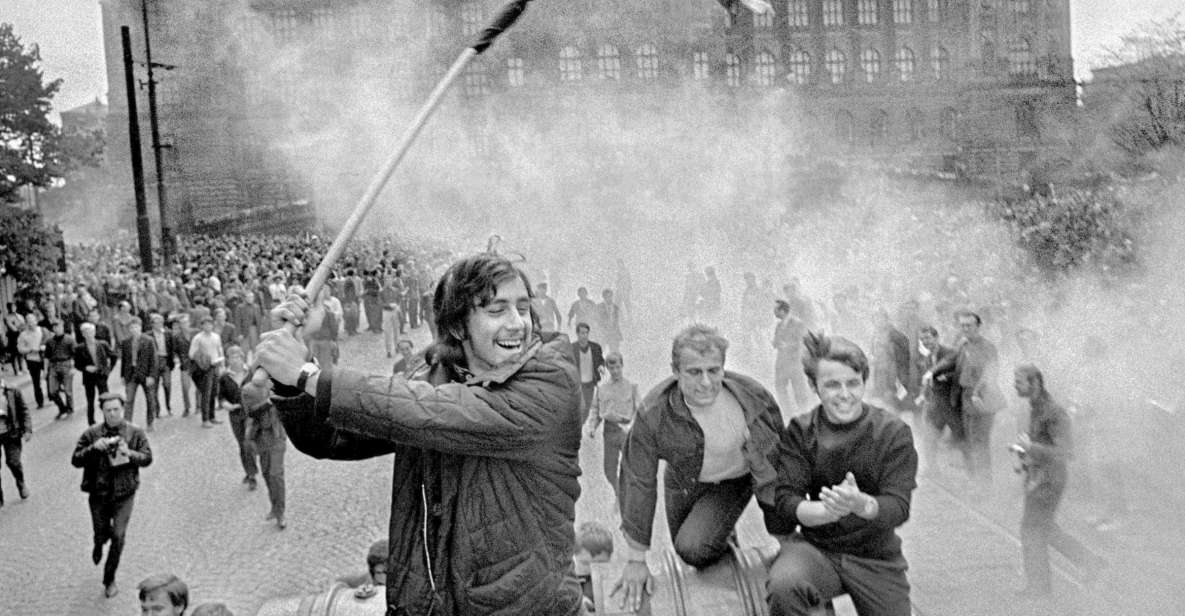
If Prague is the kind of city where you love reading between the lines, this tour gives you a strong set of lines to read. In about 150 minutes, you move from the shock of Nazi occupation to the long compression of Communist rule, then to the release of 1989.
The value here is the way the guide builds cause-and-effect. You don’t just hear what happened; you get a sense of why people reacted the way they did, and what ordinary life could feel like under each system.
You can also read our reviews of more historical tours in Prague

Meeting at Týnská 639/4: where the story starts
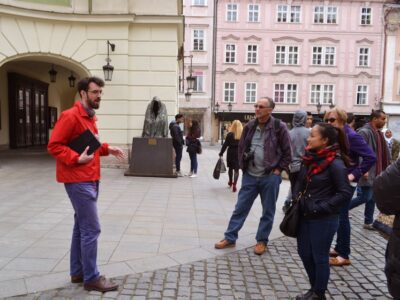
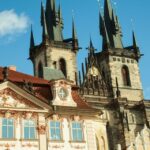
You meet at Týnská 639/4, Staré Město, right in Prague’s historic core. That location matters because the tour is designed to use central streets as a stage set. You’ll begin in a part of the city where it’s easy to imagine how quickly power can reshape daily life.
Also, start-time timing can vary by date, so check availability for your day. The tour is scheduled for 150 minutes, and that’s long enough for the guide to set the timeline, not just point at plaques.
Nazi occupation and resistance: what changed, street by street
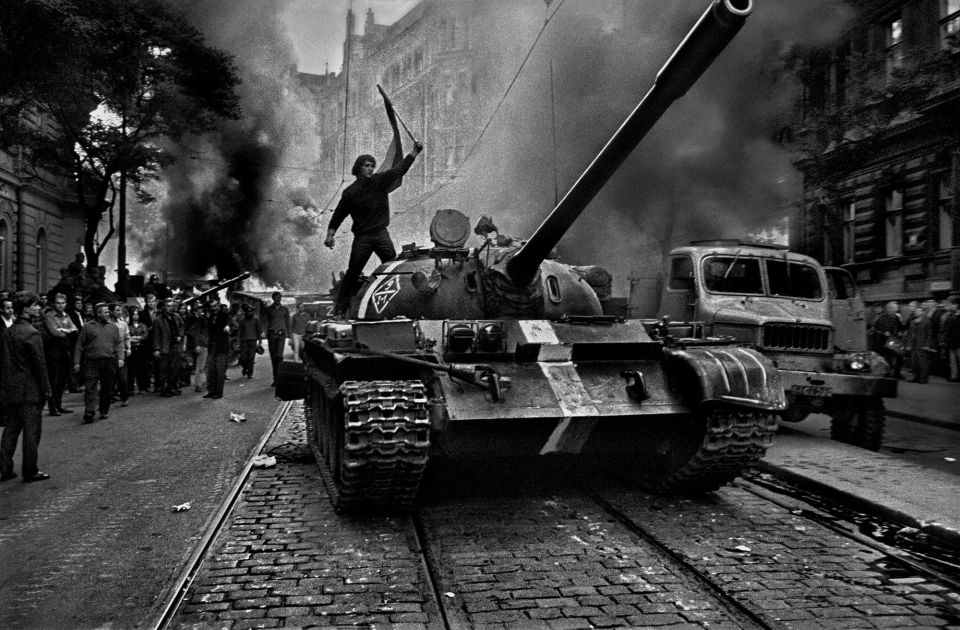
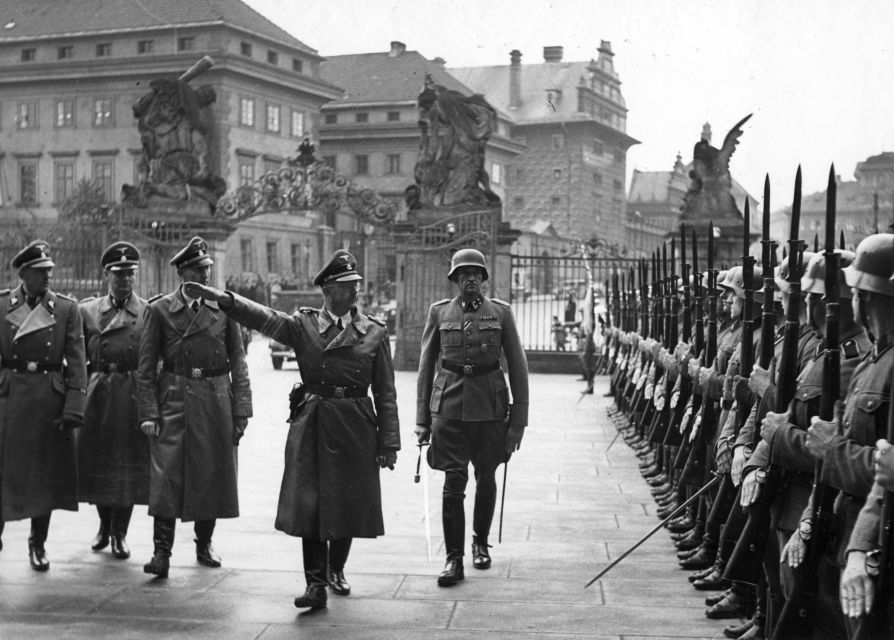
The tour’s early arc focuses on how the Nazis turned one of Europe’s more progressive, industrialized societies into a controlled, brutal reality. Expect the guide to explain the occupation not as an abstract war topic, but as something that affected movement, safety, and community.
You’ll also learn about the resistance—how Czech society pushed back, and how that resistance was answered with retaliation. This is one of the reasons the tour gets such strong marks: the guide doesn’t sanitize the violence. You get the emotional math of the era.
Jewish Quarter context: tragedy is woven into the city map
You’ll visit the Jewish Quarter, and the tour treats it as more than a scenic stop. The goal isn’t to turn suffering into a photo stop. Instead, you’ll connect what you see in the area to the wider story of occupation and persecution.
One practical tip: if you want photos, take them early. Parts of this tour move at a thoughtful pace, and the guide often expects you to listen rather than rush ahead.
Municipal House and the Communist-era mood shift
The Municipal House is one of the major landmarks included, and it works well in this tour because it stands for a Prague that once felt confident and public-facing. The guide uses places like this to show how public space and political power collide.
Then the storyline pushes forward into the Communist takeover period—covering the Communist coup, the early “letdown,” and how control tightened afterward. Even if you know Prague basics, this middle section helps you understand why the later chapters (Prague Spring and normalization) weren’t sudden surprises. They were the next steps in a long squeeze.


Operation Anthropoid and the assassination aftermath
One of the tour’s biggest promised highlights is investigating where the Nazi head of the security services was assassinated. This isn’t handled like a trivia fact; it’s treated as a turning point that rippled through both Czech resistance planning and Nazi retaliation.
A poignant detail you might encounter on the route is a connection to Operation Anthropoid sites. Some guides also incorporate visits tied to resistance hiding places, such as the Cyrill Church area mentioned in guide narratives. If your departure includes stops like that, go slowly and give yourself a minute. The point is to feel how close ordinary streets can sit to extraordinary decisions.
Prague Spring, the Warsaw Pact invasion, and the cost of hope
After the Communist takeover, the tour doesn’t skip the moment of hope. You’ll hear about the euphoria of the Prague Spring, followed by the trauma of the Warsaw Pact invasion.
This section is valuable because it clarifies something tourists often miss: hope didn’t disappear because people stopped wanting change. It was crushed because outside power decided Prague didn’t get to try.
The guide’s job here is tough—holding complexity while still keeping the timeline clear. If you like stories that explain cause and consequence, you’ll probably find this part clicks immediately.
Normalization: what control looked like after the crackdown
Once the invasion and crackdown happen, the tour shifts into Normalization. This is the period when the system settled into ongoing management of culture, speech, and public life.
You’ll learn about persecution of cultural and political targets, including the Plastic People of the Universe and Charta 77. The point isn’t only that dissidents were punished. It’s how the system tried to regulate what was sayable, what was publishable, and what was survivable.
This is also where having an engaging guide really matters. The subject is dark, but the best guides keep you moving with clear explanations and local perspective rather than drowning you in names and dates.
Václav Havel and the Velvet Revolution: how change finally broke through
As the story approaches 1989, the tour gets more hopeful without turning into a victory parade. You’ll hear how Václav Havel and a broader group of dissidents were swept to power by the Velvet Revolution.
What I appreciate about this ending is that it connects individuals to street-level reality. Dissidents aren’t presented as mythic figures. They’re shown as people working inside a system that tried to silence them.
The guide then brings the city’s central landmarks back into focus. You’re not only learning about political documents and meetings—you’re learning how those currents showed up in real public spaces.
Dancing House and Wenceslas Square: contrasts you can see
The tour includes the Dancing House and Wenceslas Square, and these stops help you visualize what Prague became after the era of control.
The guide uses them as contrast points. Early on, the city feels like a place being operated on by outside force. Later, it reads like a city reasserting itself.
If you’ve ever wondered how a place can look confident while carrying grief underneath, this is where the answer becomes visible. You’re not just looking at architecture. You’re seeing the story of recovery in stone and glass.
Price and time: what $34 buys you
At $34 per person for a 150-minute walking tour, the math is pretty straightforward: you’re paying for an English live guide who connects multiple decades and several major landmarks into one coherent explanation.
This is also where the value shows up if you’re history-minded but not into long museum marathons. In about two and a half hours, you get WWII occupation context, Czech resistance, Communist consolidation, cultural repression, and the road to 1989—without needing to assemble the timeline yourself.
The pacing is a big part of why people feel it’s worth it. Guides credited by name in English-language departures, like Tony, Adam, Zac, Daren, and Sean, are often praised for keeping the momentum going so the walk doesn’t drag.
One practical consideration: it is still a walking tour, so you’ll want comfortable shoes. And because the subject matter is heavy, plan on giving the guide your full attention. If you multitask, you’ll miss the connections that make the tour work.
What to bring and how to get the most out of it
- Comfortable walking shoes. You’re on your feet for about 2.5 hours.
- A rain layer. One guide has run the tour in pouring rain, so assume weather can change.
- A notepad habit. The guide often covers cultural groups and political terms; jotting a couple names helps you keep the timeline straight.
- Curiosity about people, not just events. The tour tends to frame events from the perspective of locals, which makes the history feel less like a textbook.
Who this tour is for (and who should skip)
You’ll likely love this tour if:
- you want a clear timeline from Nazi occupation to Velvet Revolution
- you like learning from a guide who can explain politics and culture in plain language
- you want to see major Prague landmarks with meaning attached
You might want to pick something lighter if:
- you’re hoping for mostly photo-friendly, upbeat stops
- you dislike tours where the guide stays focused on repression, persecution, and invasion
Should you book? My straight answer
Book it if you want your Prague sightseeing to have a backbone. This tour is built for people who like context—and the guide’s ability to keep the story moving is a big reason it earns such high marks.
Skip it if you’re in Prague for a short window and only want broad, surface-level history. In that case, you may prefer a shorter highlights walk.
If you do book, do one thing before you go: decide you’re there to learn the why, not just the what. Then the streets, squares, and landmark façades will start making sense in a way that lasts long after the walk ends.
FAQ
How long is the Prague WWII and Communist History walking tour?
The duration is 150 minutes, about 2.5 hours.
Where is the meeting point?
You meet at Týnská 639/4, Staré Město, 110 00 Praha-Praha 1, Czechia.
Is the tour in English?
Yes, the tour guide leads in English.
What topics does the tour cover?
It covers the Nazi occupation and resistance, the Czech uprising and Communist coup period, the Prague Spring and Warsaw Pact invasion, Normalization, persecution related to the Plastic People of the Universe and Charta 77, and the Velvet Revolution with Václav Havel and dissidents.
Which Prague locations are included on the tour?
The tour includes stops connected to these events, including the Municipal House, Jewish Quarter, Dancing House, and Wenceslas Square.
Is it mostly a walking experience?
Yes. It’s a 2.5-hour walking tour.
Can I get a refund if my plans change?
Yes. You can cancel up to 24 hours in advance for a full refund.
Can I reserve now and pay later?
Yes. The option to reserve now and pay later is available.
Are there different starting times?
Starting times depend on availability, so you’ll need to check what’s offered for your date.