REVIEW · PRAGUE
Prague Communism History and Nuclear Bunker Tour
Book on Viator →Operated by Communism and Nuclear Bunker Tour · Bookable on Viator
Cold War fear is still underground in Prague.
This tour strings together street-level communist history with real physical spaces, capped by a visit to a nuclear bunker hidden four floors down. I like that it mixes the big 20th-century story with small, concrete places you’d miss on your own. I also like the “human scale” feel—guides often bring personal perspective tied to the era, not just dates. One thing to consider: the bunker visit involves serious stair-and-ramp walking, so it’s not a good fit for claustrophobia or limited mobility.
Here’s how the experience plays out: you start in the city center, then move from key public sites linked to Soviet-era politics into the underground bunker museum. You’ll get an English live guide plus a photo booklet and a bunker survival guide, and you’ll have time to ask questions at each stop. The potential drawback is pacing—some groups report extra time spent on city transit, and a few people found the guide’s delivery could be more focused, depending on the group and guide.
In This Review
- Key things to know before you go
- Why Prague Communism Still Shows Up on Street Corners
- Price and Value: What $45.16 Actually Buys You
- Meeting Point Near Malé Náměstí (and Why It Matters)
- The City Walk: StB, Velvet Revolution, and the Places You’ll Recognize
- Stop 1: Prague Communism and Nuclear Bunker Tour (Start)
- Stop 2: StB Holding Cells
- Stop 3: Velvet Revolution Memorial (Admission Included)
- Stop 4: Národní třída
- Stop 5: Wenceslas Square and August 1968
- Stop 6: Olšanské náměstí and Socialist Architecture
- The Main Event: Going Four Floors Down in the Nuclear Bunker Museum
- Transit Time, Group Size, and Why Your Guide Changes Everything
- Who This Tour Fits Best (and Who Should Skip)
- Practical Tips: Shoes, Photos, and How to Avoid Tour Stress
- Should You Book This Prague Communism History and Nuclear Bunker Tour?
- FAQ
- FAQ
- How long is the Prague Communism and Nuclear Bunker Tour?
- What’s the price per person?
- What’s included in the tour ticket?
- Do I need to pay admission for all the stops?
- What language do I need for the tour?
- Is the tour accessible for people with mobility issues or a wheelchair?
- Is it recommended if I have claustrophobia?
- Can I take photos or record video?
- Is free cancellation available?
Key things to know before you go
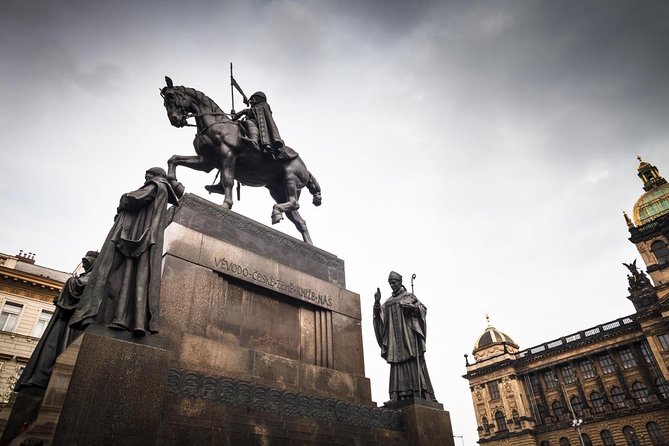
- Four floors underground: the bunker is the emotional core of the tour, with lots of stairs and up-ramp sections
- Secret police history on the streets: you visit the StB Holding Cells area and hear how it connects to Vaclav Havel
- 1989 comes alive: the Velvet Revolution Memorial stop centers on what happened in 1989
- 1968 is not just a textbook: Wenceslas Square is tied to the Soviet invasion in August 1968 and Alexander Dubcek
- Small-group feel: up to 26 people, with frequent chances for questions and guided context
- You get more than talk: your ticket includes entrance to the bunker museum plus a survival-themed booklet
Why Prague Communism Still Shows Up on Street Corners
Prague doesn’t need dramatic reenactments. The city already has the architecture and the locations that shaped lives. This tour leans on that fact: it treats famous Prague squares like chapters in a story, then turns the page to an actual underground shelter made for an apocalyptic “what if.”
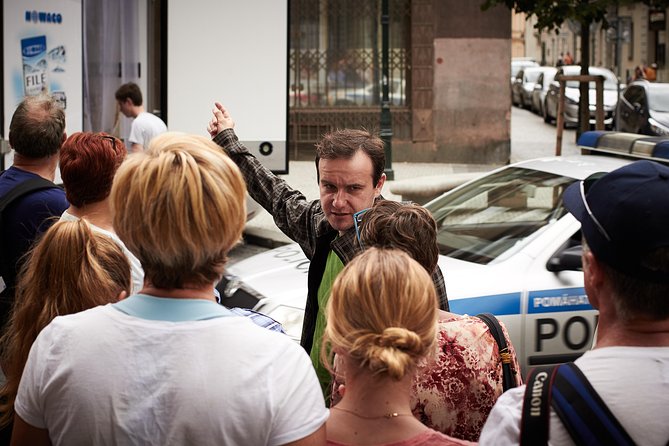
I love that it connects public politics to physical spaces. You’re not just hearing about communism as an idea; you’re walking through places tied to the system’s power and the resistance to it. And because the guide is live and English-speaking, the explanations can respond to the group’s questions.
Just remember the tone. The subject is dark, and the bunker section can be emotionally heavy—people describe shocking information and a sobering reality once they’re underground. So bring curiosity, but also a little patience for what you’ll feel.
You can also read our reviews of more historical tours in Prague
Price and Value: What $45.16 Actually Buys You
At $45.16 per person, you’re paying for more than sightseeing. You’re paying for (1) an English live guide, (2) a ticket into the nuclear bunker museum, and (3) added materials that help you process what you’re seeing—specifically a photo booklet plus a bunker survival guide. Transport to and back from the bunker is also included.
That’s the real value equation here. The city stops are part of the walk, but the expensive, scarce thing is the bunker access plus the guided explanation that makes the bunker make sense. A few people also point out that there are other bunker options in Czechia, so if you’re a hardcore bunker person, you might want to compare. But for most visitors, this combo—city history plus a four-floors-down museum—feels like the most practical package.
Meeting Point Near Malé Náměstí (and Why It Matters)
You meet at Malé Nám. 459/11, at the ticket office inside the Passage. It’s about 20 meters to the right of Hotel U Prince (the Passage itself is the key landmark).
This matters because you don’t want to be late at a tour that’s already moving. The tour notes that once it leaves the start, you’re not guaranteed to join the group. So I’d treat the meeting time like a train departure: arrive a few minutes early, find the Passage entrance, and get your bearings fast.
The City Walk: StB, Velvet Revolution, and the Places You’ll Recognize
The first part is a guided walk through communist-era touchpoints, designed to give you the context before you go underground. It also helps you understand why Prague looks the way it does—some areas show the heavy hand of socialist planning, while others show the later political shifts.
Stop 1: Prague Communism and Nuclear Bunker Tour (Start)
This is your launchpad, where the guide sets the storyline: how power worked, how it was enforced, and what replaced it afterward. Even if you arrive knowing the headline events, you’ll likely learn how the tour ties those events to specific sites.

Stop 2: StB Holding Cells
This stop centers on the former secret police building and how it connects to Vaclav Havel. The StB is one of those terms you often hear in connection with repression, but seeing the holding-cells context gives the term real weight.
I like this stop because it breaks the “abstract history” trap. When the guide can point to the kind of place where the system operated, the rest of the tour stops feeling like distant politics.
Stop 3: Velvet Revolution Memorial (Admission Included)
Here you focus on the Velvet Revolution in 1989. This is the emotional pivot point: after the fear and control, you move into the moment of change. If you only remember communism as a gray chapter, this stop is the reminder that resistance led to real political transformation.
One practical note: the memorial admission is included here, while other stops in the walk are listed as free. So your money is going to more than walking scenery.
Stop 4: Národní třída
This is a context stop. The emphasis is on historical events and recent Czech political history. It’s not the kind of stop where you’ll leave with a single photo and done; it’s the kind of place where the guide connects dots—how earlier conflicts set up later outcomes.
If you’re the type who loves the “why did that happen?” version of history, this will work well. If you prefer strict facts only, you may wish the guide spent more time on the displays or specific artifacts at each site—this is one place where pacing can vary by group.
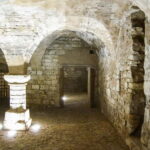
Stop 5: Wenceslas Square and August 1968
Wenceslas Square is tied to the Soviet invasion in August 1968 and to Alexander Dubcek. This is where the tour gives you the larger Cold War frame, not just Czech internal politics.
This stop is also useful even if you’ve seen Wenceslas Square already. The square can feel like a normal city landmark until someone explains how events played out there and why Dubcek matters to the story.
Stop 6: Olšanské náměstí and Socialist Architecture
Olšanské náměstí is in the former workers district. You’ll see typical socialist architecture and original buildings from the 1970s concrete era.
This stop is underrated for many people, because it shows how ideology shaped everyday surroundings. The goal isn’t nostalgia; it’s understanding how “the system” became the backdrop for routine life—housing, streetscapes, and the built environment.
If you like photo opportunities, this is one of the better sections for capturing how the city changed under socialist planning.
The Main Event: Going Four Floors Down in the Nuclear Bunker Museum
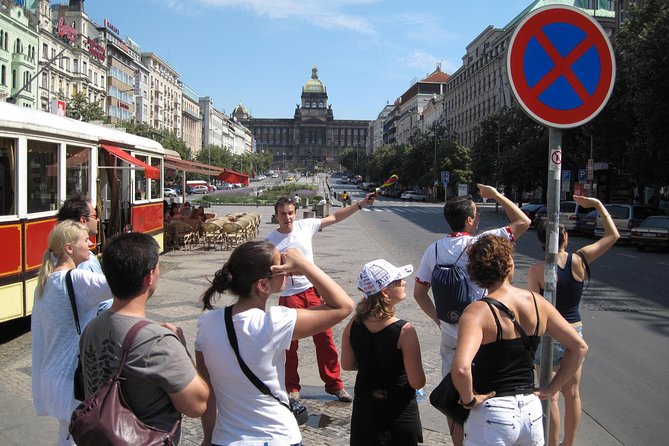
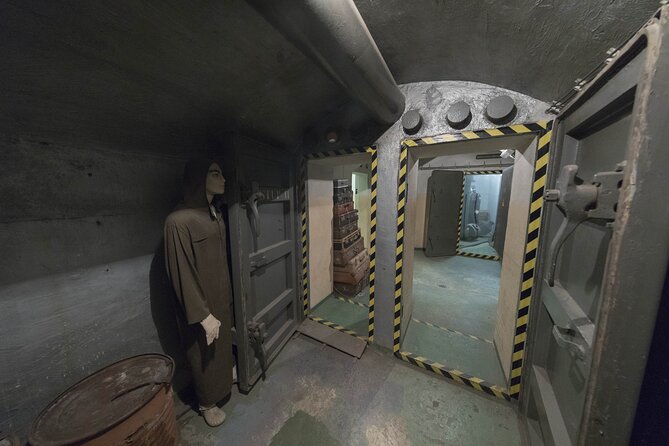
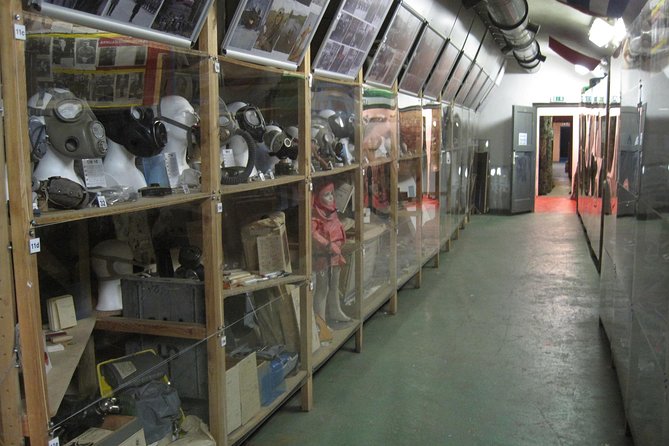
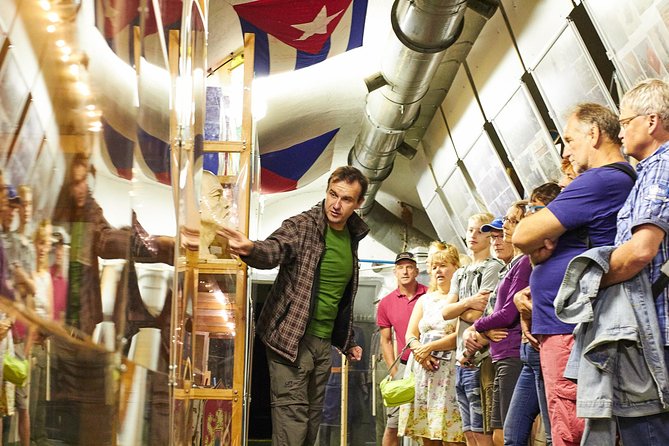
Then comes the part most people talk about: the nuclear bunker. This is the Cold War fear made physical—a nuclear bunker with a museum component that focuses on communism and the Cold War.
The bunker is hidden four floors underground, and the experience involves plenty of movement. People explicitly warn there are a lot of steps and up ramps, so plan your body for it. This isn’t a stroll inside a climate-controlled exhibit hall.
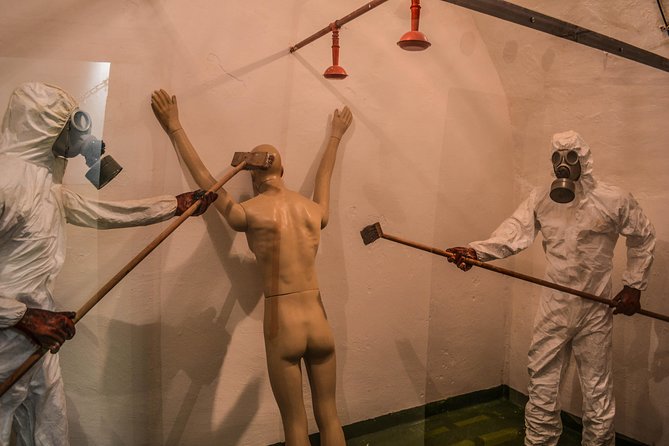
What you’ll likely find inside is exactly what the title promises: a museum built around the bunker life concept, with displays that can feel like time capsules from the era. Some visitors say the bunker made the Cold War feel real. Others felt it turned into 1980s-style memorabilia and didn’t fully deliver on “life under communism” the way they hoped. That split is real, and it’s worth factoring in before you decide.
If you’re there mainly for the architectural and historical experience—how a shelter functioned and what fears it was designed for—you’ll probably be satisfied. If you’re expecting a full “day in the life” explanation of communist household life inside the bunker, you might want to pair this tour with additional background reading or another focused Czech history stop.
Transit Time, Group Size, and Why Your Guide Changes Everything
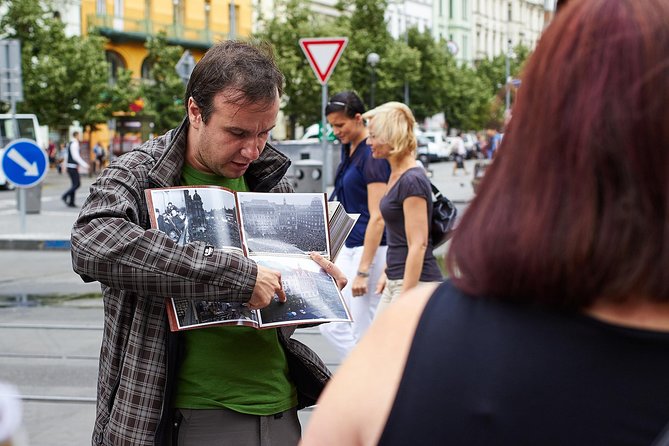
This is a guided tour with a maximum of 26 travelers, which helps keep the pace from turning into a stampede. Many of the best experiences are tied to the guide’s style: people highlight guides who were funny, passionate, and willing to share personal perspective.
Names that come up frequently include Ladislav, Stan, Pavel, Karl, Tom, Maki, and Lada. The consistent theme is story-led explanation—often with personal reflections from people who experienced the communist regime firsthand or close to it.
The pacing can vary. Some people report that a chunk of time is spent riding a tram or trolley as you move toward the bunker and back, and others feel the tour could be shorter. Duration is listed as about 2 hours 20 minutes, with variation of plus or minus 10–15 minutes depending on the group size.
My practical take: if you want everything to move fast, this might feel a little slow—especially if your guide spends extra time on side stories. But if you’re here for how the era felt, that extra storytelling is often what makes the tour memorable.
Who This Tour Fits Best (and Who Should Skip)
This tour is best for people who want context. You’ll get better value if you like history that connects events to places and explanations, not just a list of dates.
It’s also a strong fit for visitors who like photo-led learning and tangible take-home material. The included photo booklet and bunker survival guide can help you keep the story straight after the tour ends.
On the flip side, don’t book if you have:
- any significant walking disability or mobility issue (it’s not possible for people with walking disability)
- claustrophobia or serious heart issues (it’s not recommended for claustrophobia and similar conditions)
- very high pregnancy (not recommended for high pregnant travelers)
- children below school age (not allowed for the smallest children under school age)
Also note a basic rule: you’re required to speak the chosen language of the tour, and you can’t translate during the tour to other languages. If you’re relying on another person to “interpret on the fly,” this won’t work.
Practical Tips: Shoes, Photos, and How to Avoid Tour Stress
Wear comfortable shoes with normal walking footwear. You’ll be walking through the city and then dealing with stair sections in the bunker. Even fit travelers often underestimate this part.
For photos: you can take photos, but video recording requires special permission. If video matters to you, ask ahead or assume you’ll mostly be shooting stills.
If you get anxious in enclosed spaces, take that seriously. The tour’s safety notes are pretty clear about not being suitable for claustrophobia.
Finally, keep the tour environment calm and focused. It’s not for disruptive behavior, and it’s not allowed to join under alcohol or drug influence.
Should You Book This Prague Communism History and Nuclear Bunker Tour?
Book it if you want a Prague history tour with a real “Cold War shock” finish—street stops tied to StB, the Velvet Revolution, and the Soviet invasion era, plus an underground bunker museum you can’t replicate alone.
Skip it if you want light, quick sightseeing. The bunker movement is significant, and the content is heavy. Also skip if you’re hoping the bunker will fully teach ordinary life under communism in the way a family-and-society-focused history tour would.
My bottom line: this is a great choice for most history-minded visitors who enjoy guided storytelling at the exact locations where events played out, and who are comfortable with stairs and tight underground spaces.
FAQ
FAQ
How long is the Prague Communism and Nuclear Bunker Tour?
The duration is about 2 hours 20 minutes, and it can vary by around plus or minus 10 to 15 minutes depending on the group.
What’s the price per person?
The tour price is $45.16 per person.
What’s included in the tour ticket?
You get entrance to the Nuclear Bunker Museum, an English live guide, a photo booklet and a bunker survival guide, and transport to and back from the bunker.
Do I need to pay admission for all the stops?
The tour includes admission for the Velvet Revolution Memorial stop. Other listed stops in the walk are marked as free.
What language do I need for the tour?
You’re required to speak the chosen language of the tour, and you can’t translate during the tour to other languages.
Is the tour accessible for people with mobility issues or a wheelchair?
No. It’s not possible for people with any walking disability or mobility issue.
Is it recommended if I have claustrophobia?
No. It’s not recommended for people with claustrophobia (or similar serious conditions).
Can I take photos or record video?
Photos are allowed. Video recording is only allowed with special permission.
Is free cancellation available?
Yes. You can cancel up to 24 hours in advance for a full refund.