REVIEW · PRAGUE
Prague: Communism History and Nuclear Bunker Guided Tour
Book on GetYourGuide →Operated by Prague Special Tours · Bookable on GetYourGuide
Fear, politics, and fallout—down to 50 feet. I really like how this tour pairs real Cold War fear with human stories, and I’m especially glad it includes a practical gasmask workshop inside the bunker museum. I also like the mix of big landmarks and small, personal details from guides such as Stan and Ladislav. One drawback: it’s a walking-and-stairs tour with a long underground component, so it’s not a good fit if you have mobility limits or claustrophobia.
What makes it work is the way the story moves from street level to underground reality. You’ll start with major communist-era reference points around Prague, then transfer out to the bunker while your guide fills in what those places meant for everyday life. The bunker visit itself is structured, guided, and deliberately intense—serious subject matter, but often told with a bit of humor so you can keep your footing mentally.
You should also know up front that comfort and rules matter here. There are no toilets at the starting point, you’ll be on public transport and on foot, and you won’t be able to join if you can’t speak the tour language (German or English). It’s also not for infants or smallest children under school age, and it’s off-limits if you’re affected by alcohol or drugs.
In This Review
- Key Things I’d Put at the Top of Your Checklist
- Why This Prague Nuclear Bunker Tour Feels More Real Than Photos
- The Prague Street Segment: From Velvet Revolution Sites to the Stalin and Secret Police Story
- Public Transport to the Bunker: A Short Trip That Sets the Mood
- Inside the 1950s Underground Bunker Museum: Expositions, Artifacts, and Real Equipment
- The Gasmask Workshop: The Part That Turns History Into a Skill
- The Tour Style: Expert Guide Storytelling (and Why Names Keep Coming Up)
- Who This Tour Is For (and Who Should Skip It)
- Value Check: Is $44 Worth It in Prague?
- Quick Practical Checklist Before You Go
- Should You Book This Communism History and Nuclear Bunker Tour?
- FAQ
- How long is the Prague Communism and Nuclear Bunker guided tour?
- Where does the tour start, and where does it end?
- How much does it cost?
- What languages are the guides available in?
- What’s included in the price?
- Is this tour wheelchair accessible?
- Is the tour suitable for people with claustrophobia?
- Are toilets available at the meeting point?
- Can I film or record video inside the bunker?
- Is there free cancellation?
Key Things I’d Put at the Top of Your Checklist
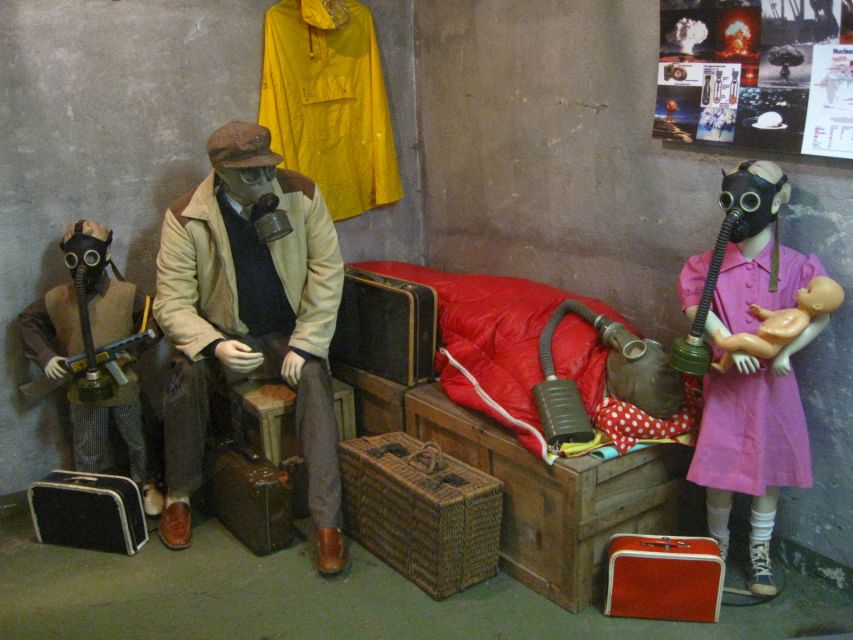
- A real 1950s nuclear bunker, ~50 feet underground, with Cold War rooms and displays
- Cold war exhibits + genuine equipment that help the threat feel more concrete
- Hands-on gasmask workshop that turns panic into something you can understand
- Firsthand-feeling stories from guides who lived the era, including names like Pavel and Katerina
- Guided Prague street stops tied to paranoia, spying, and the communist power machine
- A lot of walking and stair time, so shoes and stamina matter
Why This Prague Nuclear Bunker Tour Feels More Real Than Photos
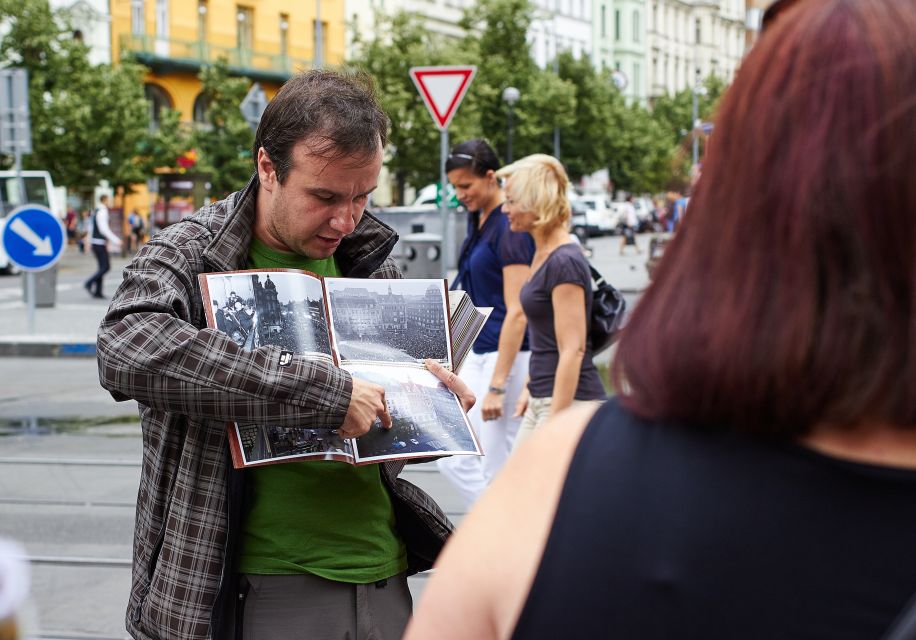
This isn’t a history slideshow. It’s an experience that takes the Cold War concept—what if the worst happens?—and puts you in the physical setting that people planned for. The bunker was built in the 1950s, and it sits about 50 feet underground, designed to hold up to 5,000 people.
That scale changes your mindset. On the surface, you might understand nuclear fear as a political idea. Down below, you feel how limited space, noise, and procedure would shape life day after day. I also appreciate that the visit isn’t just about doom; it shows how people were expected to behave, how drills worked, and how authorities imagined survival.
One more thing I like: the guide doesn’t treat communism as distant theory. Multiple guides highlighted across the experience—like Stan, Ladislav, Pavel, and Maki—are able to connect historical events with what it felt like in daily routines. Even when the story turns grim, it stays human.
You can also read our reviews of more guided tours in Prague


The Prague Street Segment: From Velvet Revolution Sites to the Stalin and Secret Police Story
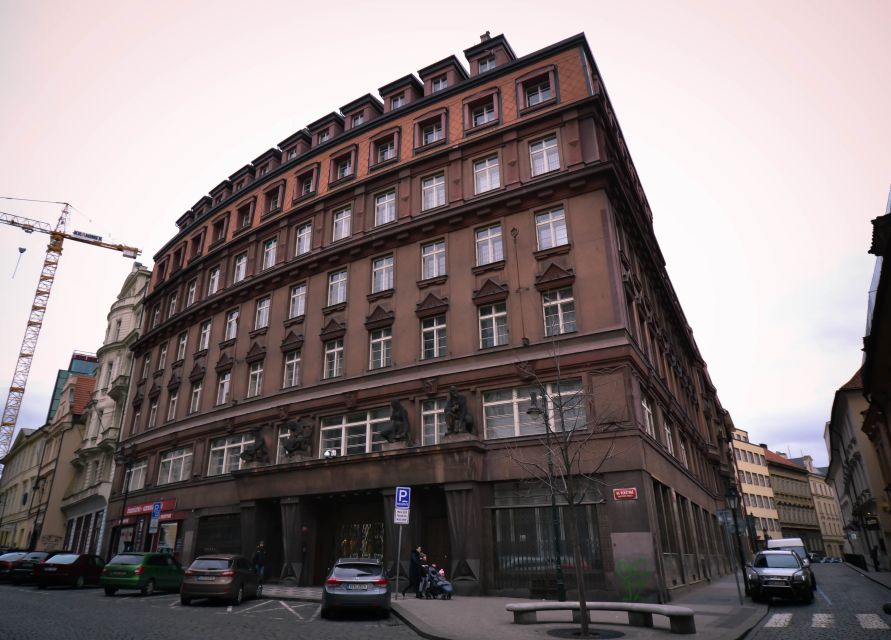
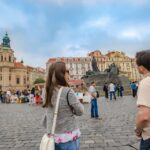
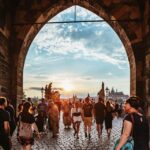
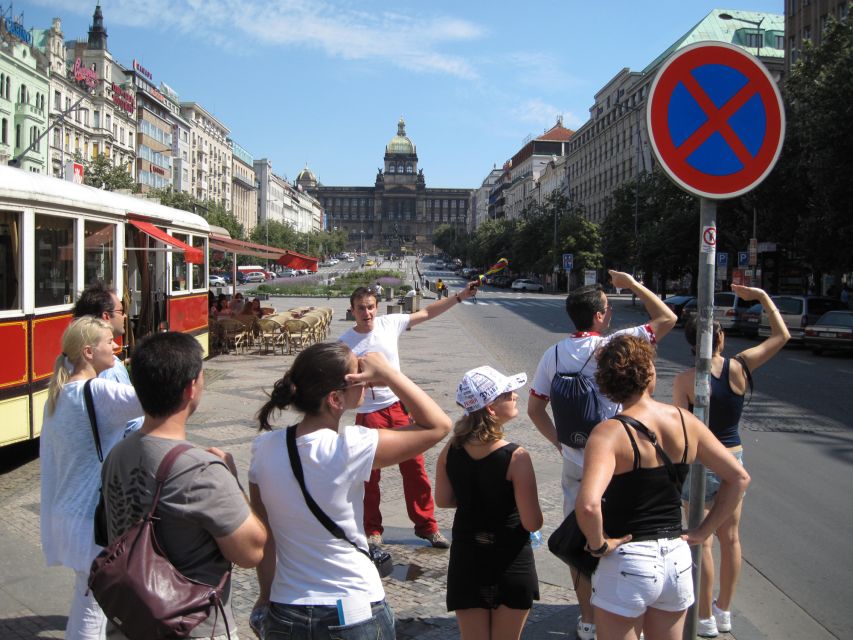
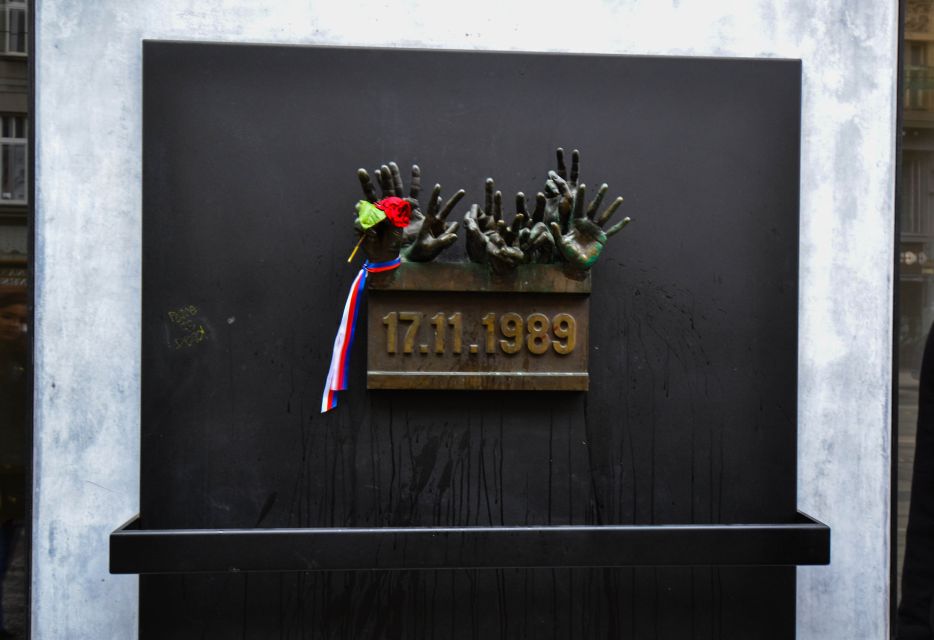
Before you ever go underground, you get the street-level context that makes everything later make sense. The tour includes guided stops around major Prague locations, including the Velvet Revolution Memorial, Wenceslas Square, and key points in the New Town area, finishing around Malé Náměstí.
Here’s what that accomplishes for you: it helps you understand that the Cold War didn’t only happen in documents. It showed up in monuments, power centers, and public spaces. The tour also references major communist symbols and institutions, including the biggest statue of Stalin ever built and the former headquarters of the communist secret police.
You’ll likely notice a pattern in the way your guide tells it. They’ll connect the “big name” events to small consequences: how surveillance changes behavior, how fear reshapes trust, and how political pressure can affect ordinary life. In the best versions of the tour, the guide balances facts with story. You’ll hear talk of spies, political prisoners, cold war refugees, dissidents, and other authentic narratives tied to the era.
A practical consideration: this part involves walking and getting between stops, so plan for short distances but steady movement. Comfortable shoes matter more than you think.
Public Transport to the Bunker: A Short Trip That Sets the Mood
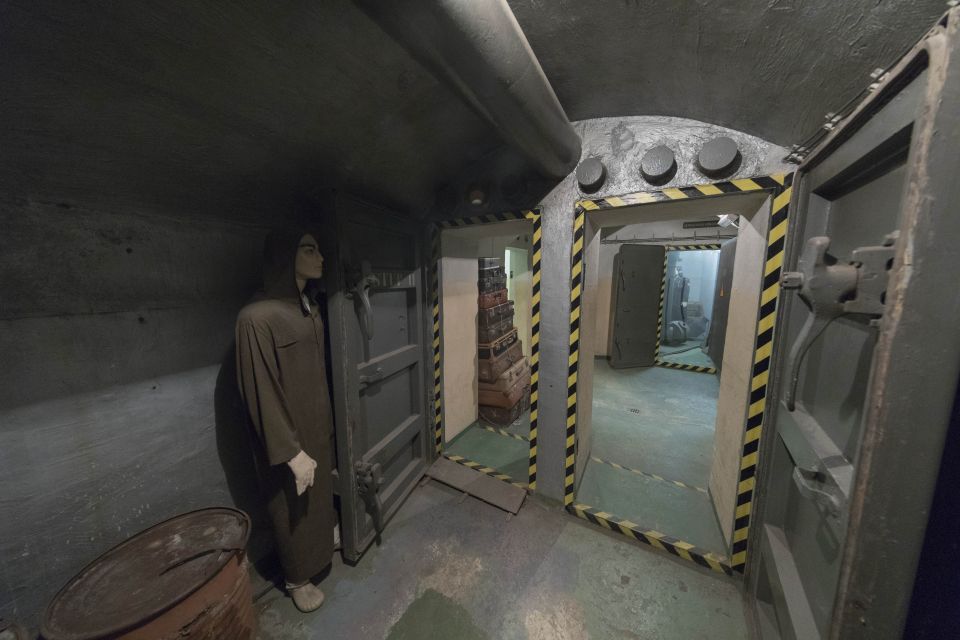
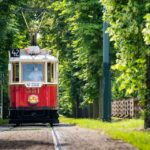
After the initial Prague stops, you’ll transfer to the nuclear bunker by public transportation. You’re not just being dropped off at a site; you’re guided through the journey, and the ride gives your guide time to connect the timeline.
From what the experience is designed to do, the tram segment matters because it shifts you from tourist Prague into the geography of the Cold War. You start to see why the authorities picked certain locations and how far the system could reach. It also helps manage pacing—rather than rushing, you get time to listen while moving.
Your guide also controls group timing. The tour duration can vary ±10 to 15 minutes depending on group size, and that can affect when you enter the bunker. If you’re tight on time that day, keep some buffer.
Inside the 1950s Underground Bunker Museum: Expositions, Artifacts, and Real Equipment
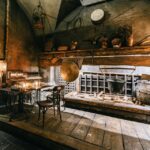
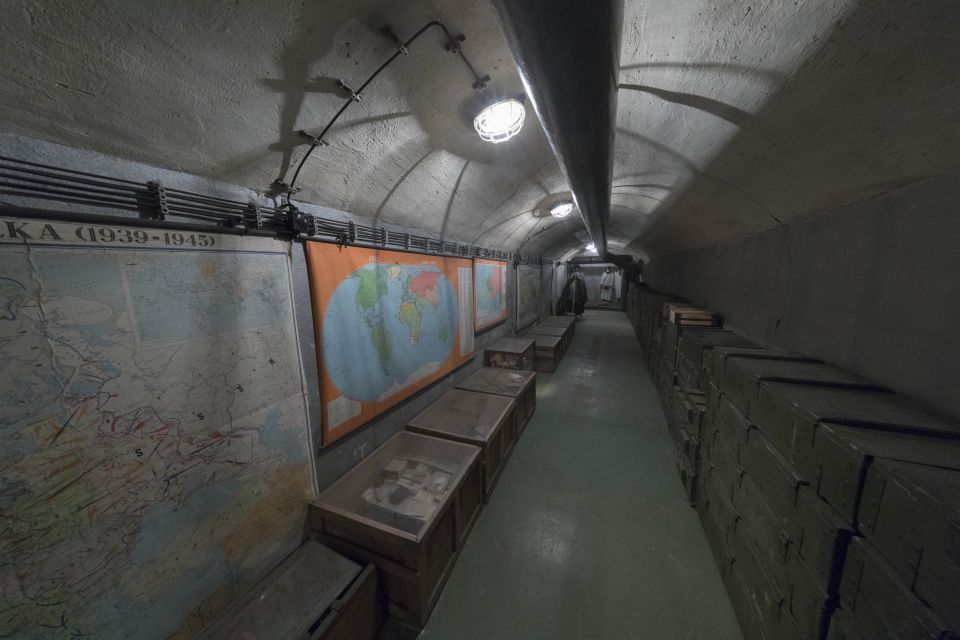
The headline moment is the bunker itself. You’ll have about 70 minutes for the nuclear bunker visit with guided commentary. Built in the 1950s, it’s designed for mass occupancy, and the museum experience uses Cold War expositions to explain how the facility operated.
What I’d focus on once you’re inside:
- The Cold War displays that explain the threat mindset
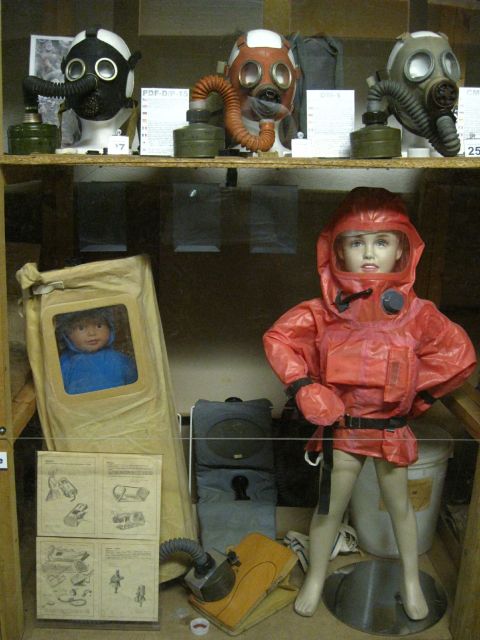
- Genuine equipment and period-style components that make the system feel tangible
- Artifacts and photographs that show daily life under communism from multiple angles
One helpful detail from the experience feedback: some people found the exhibits to look a bit tired in places, so don’t go in expecting a brand-new museum vibe. The trade-off is that you’re seeing an actual underground bunker environment, and the setting is the point.
The tone inside is intentionally heavy. It’s not “scary for fun.” The goal is to help you understand paranoia, procedure, and the way authorities tried to manage panic. That’s why the tour isn’t for everyone—if you have serious heart issues, strong anxiety responses, or trouble with confined spaces, this can be a tough fit.
The Gasmask Workshop: The Part That Turns History Into a Skill
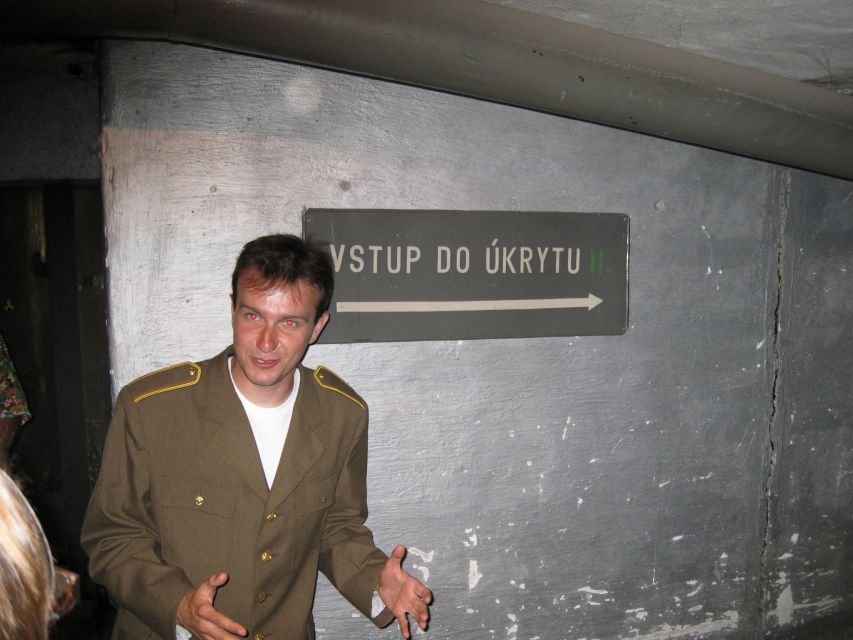
After the bunker museum exhibits, you’ll reach the gasmask workshop. This is one of the most practical parts of the experience because it’s not just listening—you’re doing. The workshop is built around the reality that people were trained to respond quickly, even if conditions were frightening.
Why that matters: it helps you translate “nuclear and chemical fear” from an abstract concept into bodily reality. You learn how quickly people would have needed to follow instructions, and you get a glimpse of how preparedness becomes part of life under constant threat.
There’s also a safety and comfort angle. You’ll be underground, and dust levels can affect sensitive people. A practical tip you can take with you: if you have respiratory allergies, consider wearing a face mask during the bunker visit. It’s a small move that can make the experience easier to enjoy.
You can also read our reviews of more historical tours in Prague


The Tour Style: Expert Guide Storytelling (and Why Names Keep Coming Up)
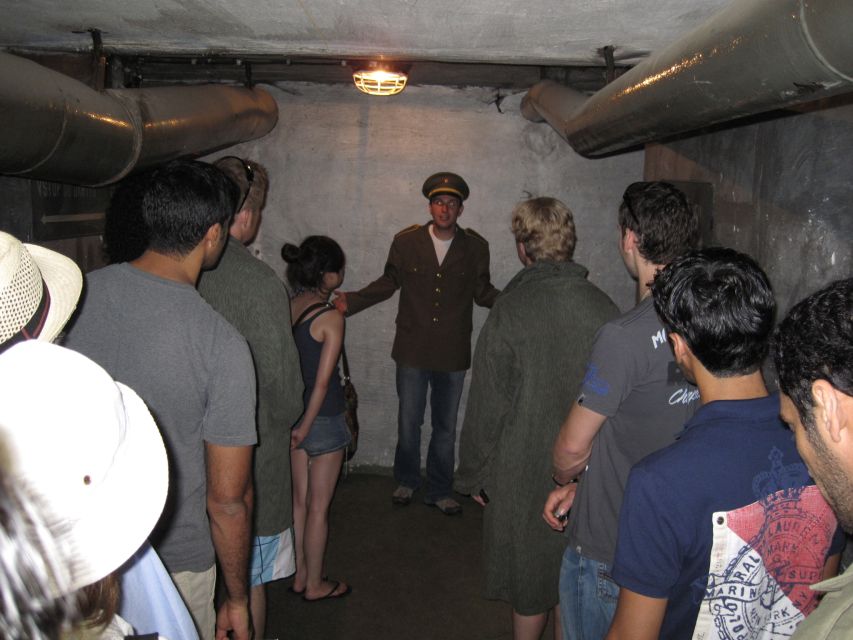
This is a guided experience with live commentary in German or English, and it’s not meant to be self-paced. For safety, you’re required to speak the chosen language of the tour, and the tour isn’t set up for translation during the experience.
What I like about how this tour is delivered is the balance many guides strike between seriousness and pacing. Names that repeatedly appear across high marks include Stan, Ladislav, Pavel, and Katerina, and the common theme is a clear, personal tone—often with a touch of humor—without turning the subject light.
If you want the experience to land, the guide choice matters. When a guide can talk from lived perspective, the communist era stops being a timeline and becomes a set of choices people made under pressure. You also get room for questions; guides are able to answer and sometimes add more human context beyond the main stops.
A quick note on media: photos are allowed, but video recording isn’t unless you get extra permission. If you’re planning content, be ready to shoot stills instead of filming.
Who This Tour Is For (and Who Should Skip It)
This experience fits best if you:
- care about Cold War history and Prague’s communist-era story
- want more than monuments and photos—specifically real underground spaces
- like guided storytelling that blends facts with personal context
- can handle a walking tour and a long indoor visit underground
It’s not for people with:
- mobility impairments or anyone who needs wheelchair access
- claustrophobia
- significant heart issues
- young children under school age
- anyone who can’t comply with the tour language requirement
Also, the experience doesn’t include food or drinks, and there are no toilets at the starting point. Build your day around that. If you’ve got a tight schedule, you’ll feel it.
Value Check: Is $44 Worth It in Prague?
At $44 per person for about 150 minutes, the value comes from what’s included, not just the price tag. You’re getting:
- a live guide
- public transportation to and from the bunker
- entry to the bunker museum and exhibitions
- the guided nuclear bunker experience, plus the gasmask workshop
- skip-the-line access through a separate entrance
In many Prague tours, you pay for a city walk that ends with a single museum stop. Here, you’re paying for a multi-part experience that includes transit, guided context, and a major underground site. The bunker is the anchor cost, and you can feel it in how much time is actually spent there.
If you want communist history only in surface form, there are cheaper options. If you want the setting and the hands-on component, $44 starts to look like a fair deal.
Quick Practical Checklist Before You Go
A few things will make your day smoother:
- wear comfortable shoes (there’s walking and stairs)
- bring a calm mindset for a serious subject
- plan for no toilets at the starting point
- if you’re sensitive to dust, consider a face mask during the underground visit
- bring patience for timing, since the duration can vary by group size
Also, the rules are firm: no pets, no smoking, no alcohol/drugs, no costumes, and no bachelor/bachelorette party groups. It’s designed to be respectful of the material.
Should You Book This Communism History and Nuclear Bunker Tour?
If you want Prague history with weight—real places, not just viewpoints—this tour is an excellent choice. The bunker and gasmask workshop give you a physical way to understand Cold War fear, and the guide storytelling (with names like Stan, Ladislav, Pavel, and Katerina showing up in standout experiences) helps you connect big events to everyday consequences.
I’d skip it if you can’t handle confined spaces, have mobility limits, or need easy bathroom access at the start. This one asks you to move and to listen through a tense era.
If you’re comfortable with the walking and you’re hungry for real Cold War context, booking is the easy call.
FAQ
How long is the Prague Communism and Nuclear Bunker guided tour?
The tour lasts about 150 minutes, with possible timing changes of ±10 minutes (sometimes ±10/15 minutes) depending on group size.
Where does the tour start, and where does it end?
The meeting point can vary depending on the option you book, and the tour ends at Malé Náměstí.
How much does it cost?
The price is $44 per person.
What languages are the guides available in?
The live guide speaks German or English, and you must be able to speak the chosen language of the tour for safety.
What’s included in the price?
Included: a live guide, public transportation to and from the bunker, entry to the nuclear bunker museum and exhibitions, and the guided bunker visit and workshop experience.
Is this tour wheelchair accessible?
No. It is not possible for wheelchair users and it is also not suitable for people with mobility issues due to walking and stairs.
Is the tour suitable for people with claustrophobia?
No. It is not for people with claustrophobia.
Are toilets available at the meeting point?
No—there are no toilets at the starting point.
Can I film or record video inside the bunker?
You can take photos, but video recording is not allowed unless you receive extra permission.
Is there free cancellation?
Yes. You can cancel up to 24 hours in advance for a full refund.