REVIEW · PRAGUE
Prague: Tickets for the Franz Kafka Museum
Book on GetYourGuide →Operated by Discover Prague Tours sro · Bookable on GetYourGuide
Kafka’s world is easier to enter than you think. This Prague ticket gives you a 20-minute guide briefing outside the museum, then you explore a compact, Kafka-focused collection of letters, diaries, manuscripts, photos, drawings, plus 3D and audiovisual displays with an original soundtrack. One thing to plan around: the museum can feel small and busy, so a calm, slow walk through everything may take some strategy.
I like that the guide sets the frame first, so the exhibits don’t read like random artifacts. You also get to see tangible proof of Kafka’s thinking, including first editions alongside personal items like letters and diaries. The possible snag is crowding—if you’re visiting at a packed time, you may have less breathing room than you want.
After the briefing, you’re on your own inside. I also appreciate that the experience is built for pacing: you can spend extra time on the written material and visuals that pull you in most, and skip what you’re not feeling.
In This Review
- Key takeaways before you go
- The 20-minute briefing outside the museum
- Where the time travel starts: Prague, 1883–1924
- Letters, diaries, manuscripts, and first editions: what to slow down for
- 3D installations, audiovisual pieces, and the soundtrack
- Museum size and crowd flow: how to keep it from feeling rushed
- Price and value: is $28 a fair deal?
- Who this Prague Kafka Museum ticket suits best
- How to plan your one-day visit without stress
- Should you book this Franz Kafka Museum ticket?
- FAQ
- How long does the Franz Kafka Museum ticket last?
- What’s included with the ticket?
- Is there a guide inside the museum?
- Where do I meet the guide?
- What language is the tour introduction?
- How much does it cost?
- Are there starting times?
- Can I cancel for a refund?
- Is there a pay-later option?
- What can I expect to see inside?
Key takeaways before you go
- Meet your guide outside with a yellow umbrella and start with an English orientation
- 20-minute guided intro only outside the museum, then full self-paced wandering inside
- Original Kafka materials: letters, diaries, manuscripts, photographs, and drawings
- First editions of Kafka’s works help you connect text with publication history
- 3D installations, audiovisual pieces, and a dedicated soundtrack bring the story to life
- A small museum means you should plan for crowd flow and don’t expect endless space
The 20-minute briefing outside the museum
This ticket starts with a short guided introduction outside the museum—about 20 minutes—and it’s designed to get you ready before you step into the exhibits. You’ll meet the host or greeter who holds a yellow umbrella, and the briefing is in English.
Why that first step matters: without context, it’s easy to see a wall of documents and photos and move on too quickly. With the intro, you’re more likely to notice the connections the museum wants you to make—between Kafka the person and Kafka the writer—while you’re looking at letters, diaries, and manuscripts at your own pace.
A practical note: since the guide is not included inside the museum, your best chance to ask questions is during that outside briefing. If something about Kafka’s life in Prague is especially interesting to you—his timeline, his writing process, his surroundings—this is the moment to get those anchors.
You can also read our reviews of more tours and experiences in Prague


Where the time travel starts: Prague, 1883–1924
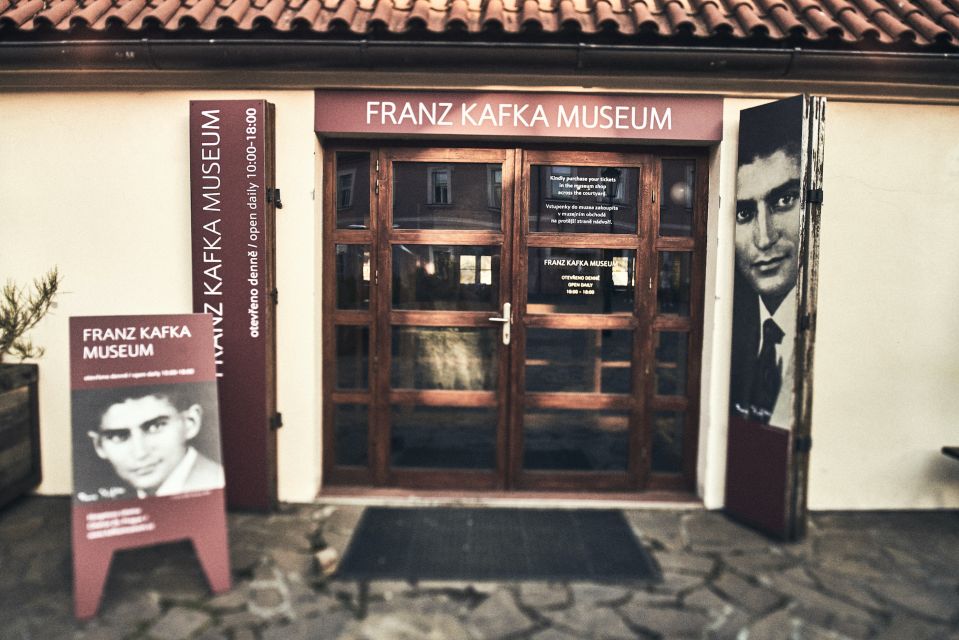
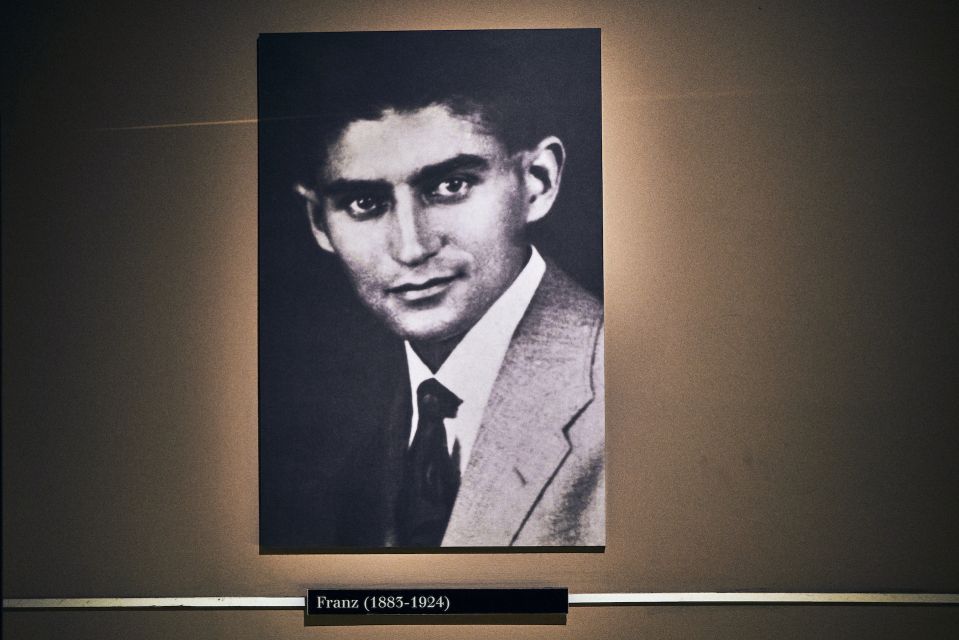
Once inside, the museum is built around the span when Kafka was alive and living in Prague—1883 to 1924. That time range isn’t just a date range for the label; it’s the structure that helps you follow the exhibits as a story rather than a checklist.
You’ll see artifacts that point to different sides of Kafka: the writer, the thinker, the correspondent, and the observer. The museum experience is organized to help you move from life details (letters, diaries, photographs, drawings) toward the works that made him one of the defining literary figures of the 20th century.
If you’re the type who likes to understand what you’re seeing before you commit your attention, this ticket’s format fits well. The intro prepares you, then the museum lets you take control.
Letters, diaries, manuscripts, and first editions: what to slow down for
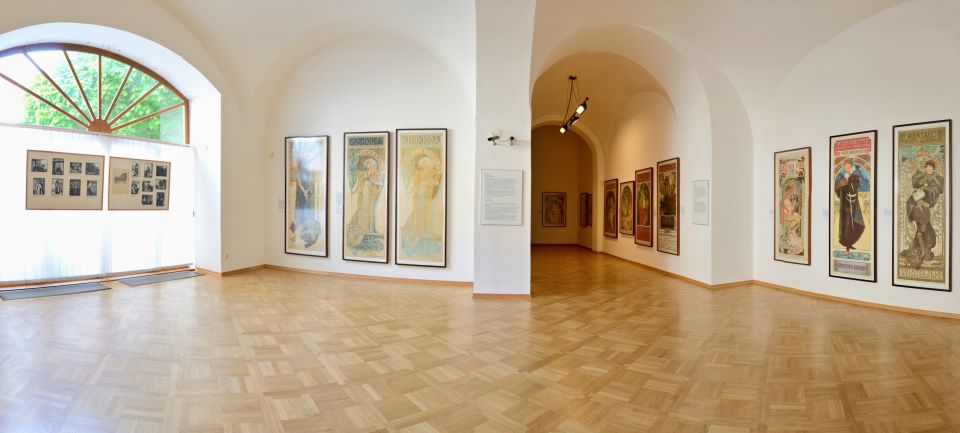
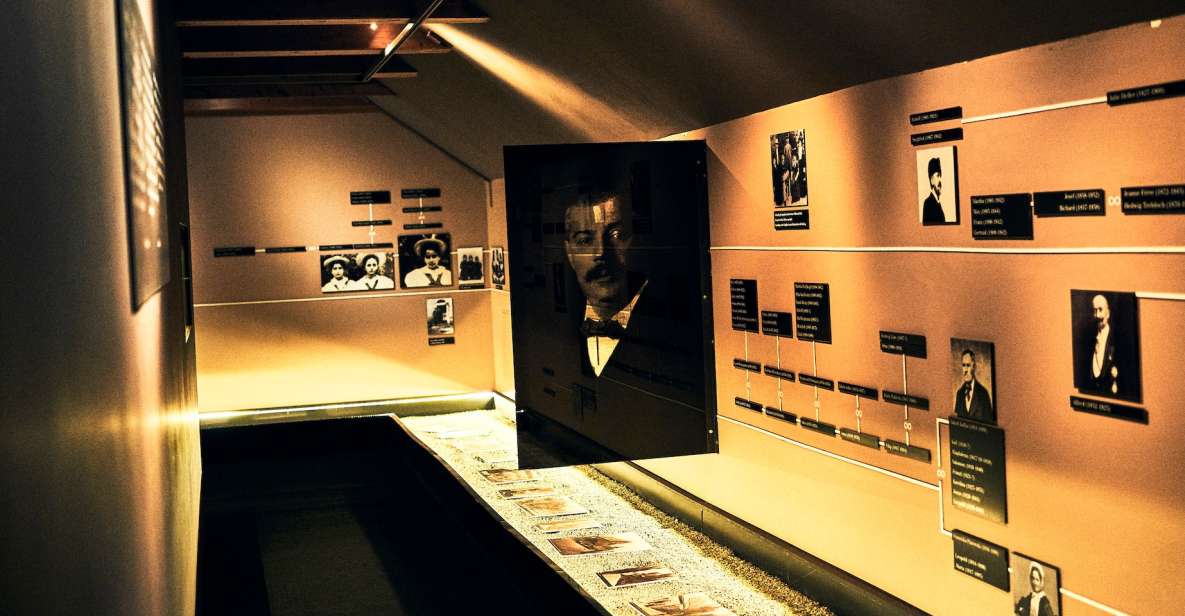
One of the strongest parts of this experience is the mix of materials. You’re not only looking at a display about Kafka—you’re looking at items that represent his words and his world. Expect to encounter Kafka’s letters, diaries, manuscripts, photographs, and drawings, plus first editions of his works.
Here’s how I’d use your time in a smart way:
Focus first on the written items
Start with letters, diaries, and manuscripts. Even if you don’t read every line, these pieces help you understand how Kafka thought—how the text took shape, how ideas were recorded, and how his personal voice came through.
Then add the publication layer
When you reach the first editions, you’re seeing how writing becomes an object that travels beyond the author’s desk. That shift can make the entire museum feel less abstract.
Finally, use the photographs and drawings to picture the man
Photos and drawings can feel like mood pieces, but in this museum they’re there to support the story of the person behind the writing.
The photo detail to watch for
In at least some parts of the museum, images may be shown without the kind of captions that fully explain how each photo connects to Kafka personally. If you’re hoping for a tight explanation for every image, plan to rely on the outside briefing for the big links, and pick the exhibit panels that do explain context clearly.
3D installations, audiovisual pieces, and the soundtrack
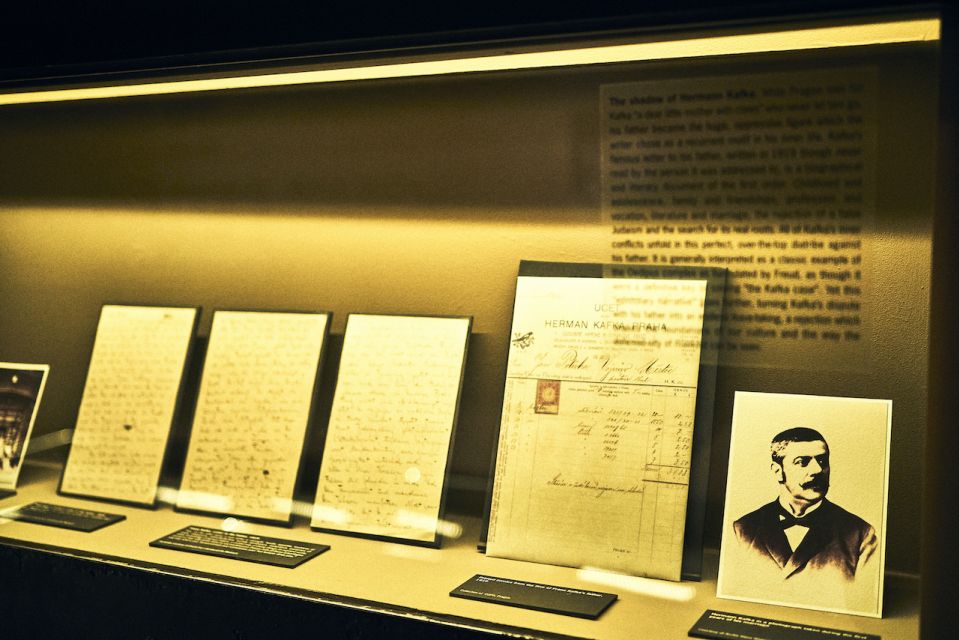
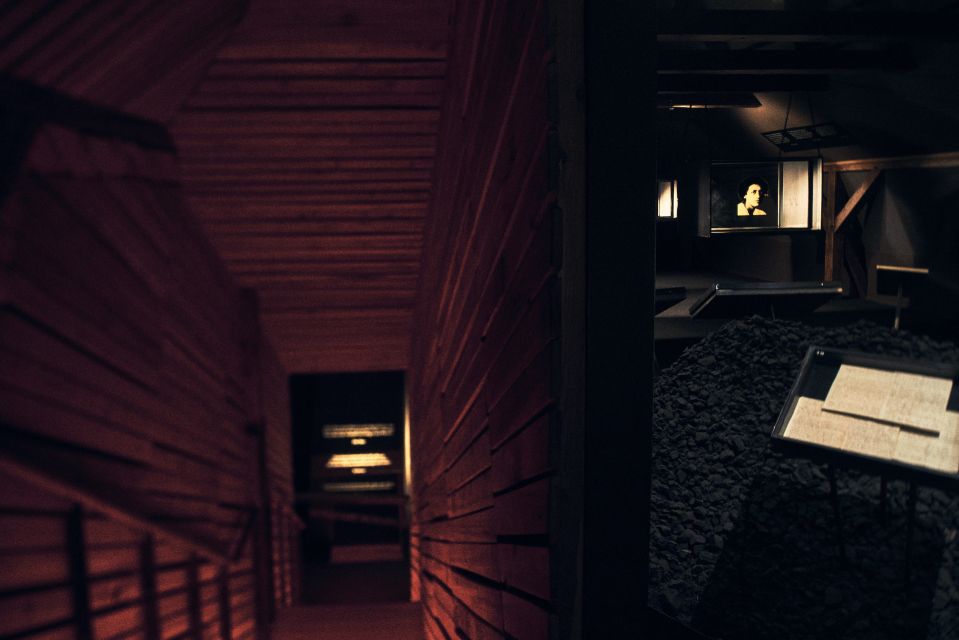
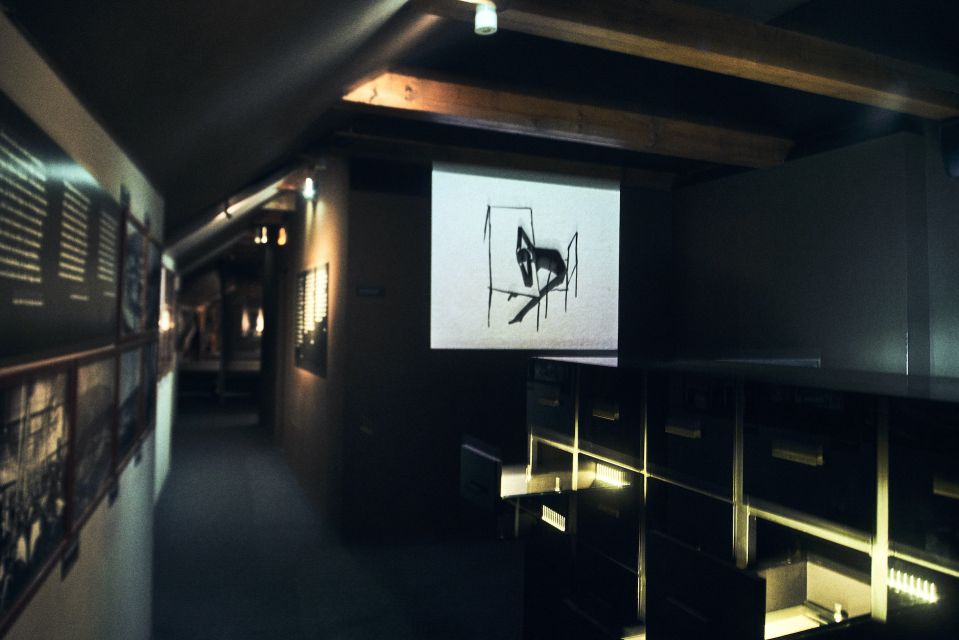
Not every museum uses tech in a way that feels helpful. This one includes 3D installations, audiovisual pieces, and a soundtrack created specially for the exhibition. That combination is meant to add a layer of atmosphere, so you’re not only reading—you’re also sensing.
How to approach these sections
If you’re someone who gets impatient with screens, don’t treat them as mandatory marathons. Instead, watch each display long enough to catch the main idea, then return to the documents while the story is still fresh in your mind.
Why this matters
A good presentation doesn’t replace the primary materials—it supports them. With Kafka, context is everything. The sound and visuals can give you emotional pacing: when to slow down for a letter, when to connect a manuscript moment with a broader theme.
Also, because you’re self-paced, you can choose how much time you spend here based on your attention span. That’s a real advantage in a museum that can be crowded.
Museum size and crowd flow: how to keep it from feeling rushed
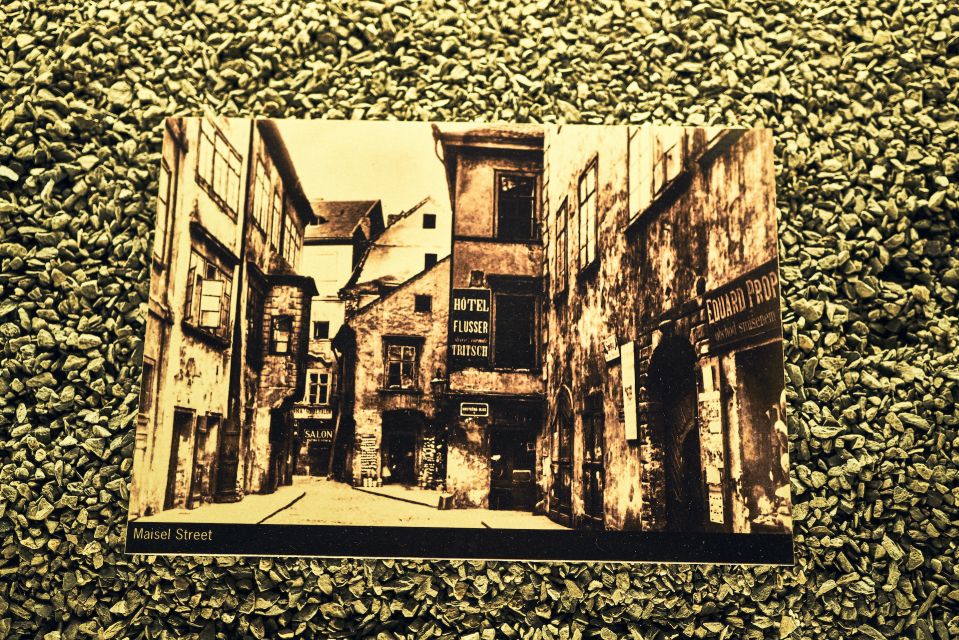
Here’s the reality check: this museum is small, and it can get busy. That doesn’t make it bad—it just changes the way you should plan your visit.
Do this to keep your experience pleasant
- Give yourself extra time and accept that you might not see everything at the exact pace you’d like.
- Prioritize what matters most to you: written material first, then tech displays, then photos/drawings.
- If the space feels tight, don’t get stuck scanning every corner. Move through once, then return to the sections you care about most if you have the time.
Since you’re not getting a museum guide inside, the self-paced setup is helpful, but it also means there’s no one managing crowd movement for you. Your best “guide” is your own plan: decide what you want most before you walk in.
You can also read our reviews of more museum experiences in Prague





Price and value: is $28 a fair deal?
At $28 per person, this ticket isn’t a bargain price, but it also isn’t inflated beyond what you’d expect for a focused museum experience in central Prague. You’re paying for three things at once:
1) Entrance to the museum
You’re not just buying access to one exhibit. You’re getting the full ticketed museum experience.
2) A guided introduction outside the museum
That 20-minute English briefing is not nothing. It’s the component that can turn a quick visit into a meaningful one, especially if you’re not already deep into Kafka’s life and Prague years.
3) Special presentation elements
The 3D installations, audiovisual pieces, and dedicated soundtrack add production value that many smaller museums can’t afford.
When it’s the best value
If you’re interested in seeing actual Kafka materials—letters, diaries, manuscripts, photographs, drawings—and not only reading about him, the ticket makes sense. If you’re more into general Prague history, you might prefer other stops. But if Kafka is your focus, the ticket supports that goal.
Who this Prague Kafka Museum ticket suits best
This experience fits best if you like your literature with physical anchors. You’ll likely enjoy it if you:
- Want to see original-style artifacts like letters, diaries, and manuscripts (not only interpretive panels)
- Like museums that use multimedia in support of the story
- Prefer a guided start, then self-paced exploring
- Plan a focused 1-day block around Kafka and central Prague culture
You might be less satisfied if:
- You dislike small, crowded indoor spaces
- You expect every photo or visual to come with a full explanatory caption tying it directly to Kafka’s personal story
How to plan your one-day visit without stress
You’ll be choosing a 1-day activity with starting times based on availability. The museum experience is self-paced after the intro, so timing matters less than it does for strictly timed tours—but starting at a less crowded moment can make a huge difference in a compact space.
Here’s a simple approach:
- Pick a time you can commit to without rushing.
- Use the outside briefing to set your priorities.
- When you’re inside, decide what you want to spend your best attention on: documents and first editions, or the 3D/audio segments.
If you do that, the museum doesn’t feel like a race. It becomes a guided-by-you experience.
Should you book this Franz Kafka Museum ticket?
I think you should book if Kafka is high on your list and you want more than a casual stop. The combination of a guided introduction outside and self-paced access to letters, diaries, manuscripts, first editions, plus 3D/audio with a dedicated soundtrack makes this a strong choice for literature lovers.
Skip it or reconsider if you’re sensitive to crowding and need lots of room to move slowly through exhibits. In that case, look for a calmer time slot and go in with priorities so you don’t feel trapped by tight spacing.
Overall, at $28, this feels like a fair value for a compact but thoughtfully built museum experience—especially because the start is guided, and that usually makes everything inside click faster.
FAQ
How long does the Franz Kafka Museum ticket last?
The activity is listed as 1 day, with a 20-minute guided introduction outside the museum included.
What’s included with the ticket?
You get entrance to the museum plus a 20-minute guided introduction outside the museum.
Is there a guide inside the museum?
No. The guide in the museum is not included after the outside introduction.
Where do I meet the guide?
Look for your guide holding a yellow umbrella.
What language is the tour introduction?
The English briefing is provided by the host or greeter (English language).
How much does it cost?
The price is $28 per person.
Are there starting times?
Yes. The ticket is valid 1 day, and you should check availability to see starting times.
Can I cancel for a refund?
Yes. You can cancel up to 24 hours in advance for a full refund.
Is there a pay-later option?
Yes. You can reserve now & pay later, keeping plans flexible.
What can I expect to see inside?
Expect Kafka-focused exhibits including letters, diaries, manuscripts, photographs, drawings, plus first editions, and 3D installations, audiovisual pieces, and a soundtrack created for the exhibition.