REVIEW · PRAGUE
IAM Illusion Art Museum Entry Ticket
Book on GetYourGuide →Operated by Illusion Art Museum Prague · Bookable on GetYourGuide
Illusions in Prague start with your phone. In the heart of the city, IAM Illusion Art Museum turns optical tricks into hands-on art, especially through QR-code effects and smartphone-based interactions. I like how you can go from simple 2D views to 3D-looking scenes without needing any art background, and I also like the way the museum adds Czech stories to the fun.
One thing to plan for: the museum can feel crowded, and it’s not large, so photo spots can get tight at peak times. If you’re expecting a long, slow museum day, you may leave sooner than you hoped, especially when you’re waiting for angles and positions.
In This Review
- Key Highlights You’ll Care About Before You Go
- IAM Illusion Art Museum Prague in a Nutshell (and Why It’s Good Value)
- How the Illusions Work: Anamorphosis, Reverse Perspective, and AR Magic
- Meet the Artists and Their Tricks (Patrick Hughes to Zikmund and Hanzelka)
- Prague Stories Hidden in the Optical Art
- Timing Your Visit: Crowds, Warm Rooms, and Photo Flow
- What to Bring, What to Do When It Fails, and Photo Tips That Actually Help
- Food, Nearby Breaks, and Pairing It With Old Town Sights
- Who IAM Illusion Art Museum Is Best For
- Should You Book IAM Illusion Art Museum Prague?
- FAQ
- How long does the IAM Illusion Art Museum Prague visit take?
- How much is the entry ticket?
- What should I bring with me?
- Is the audio guide included, and in what languages?
- Are food and drinks included in the ticket price?
- Is IAM Illusion Art Museum suitable for wheelchair users?
- Are pets allowed?
Key Highlights You’ll Care About Before You Go
- QR codes + app effects make ordinary images look like they change when you point your phone at them
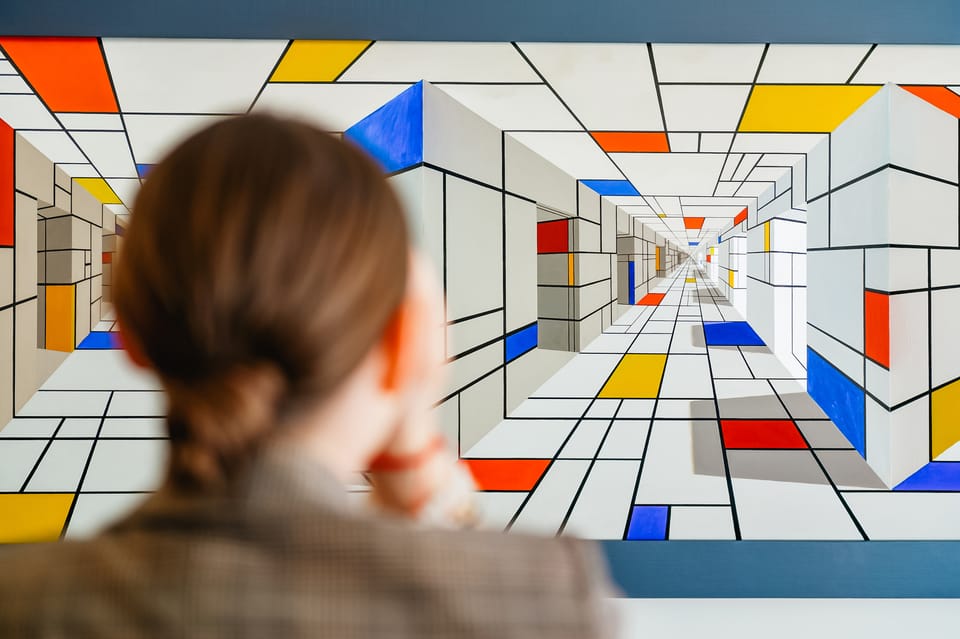
- Reverse perspective and anamorphosis by artists like Patrick Hughes and Patrik Proško reward you for finding the right viewpoint
- Hands-on optical pieces range from metallurgical paintings to lenticular morphing images
- Czech history is part of the show, from the Swedish siege of Prague to figures like Kafka and Václav Havel
- Staff actively help with photos, including guidance on how to scan QR codes and set up shots
- It’s a short stop, often a good rainy-day plan, but timing matters for crowding and photo flow
IAM Illusion Art Museum Prague in a Nutshell (and Why It’s Good Value)
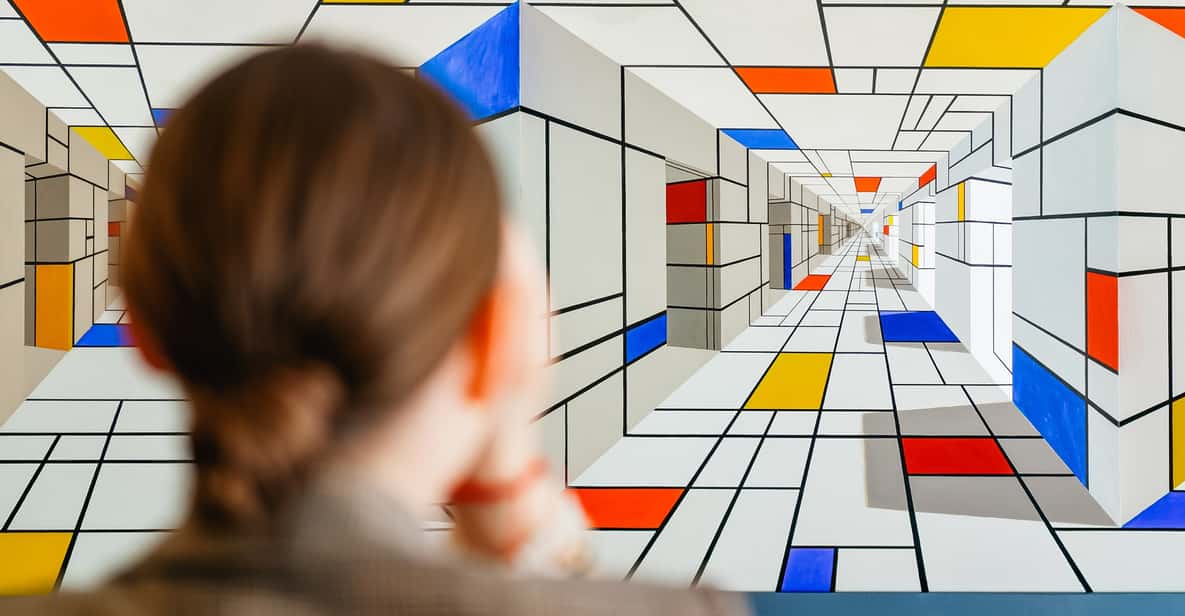
For around $16 per person, IAM Illusion Art Museum is a practical pick when you want something different from Prague’s more traditional sights. The experience is designed to be quick and active rather than quiet and reflective, with lots of moments where you pause, look, reposition, and try again.
Based on typical visit pacing, plan on about 60 to 90 minutes to take in the main exhibits and do the interactive parts. It’s also a museum you can repeat—if something didn’t work right away with your phone or you missed a setup, you can often go back and catch it again.
Value here comes from variety. You’re not just looking at one style of illusion. You move through different techniques—anamorphosis, optical relief, reverse perspective, lenticular images—and then you get extra layers via AR and mini-media components. You’re paying for the full “wow” cycle: see the trick, learn how it’s built, and get photos that actually prove it happened.
The trade-off is size. Some visitors feel it’s smaller than expected, so if you’re the type who likes spending half a day in one museum, you’ll want to pair it with other nearby plans.
You can also read our reviews of more tours and experiences in Prague
How the Illusions Work: Anamorphosis, Reverse Perspective, and AR Magic
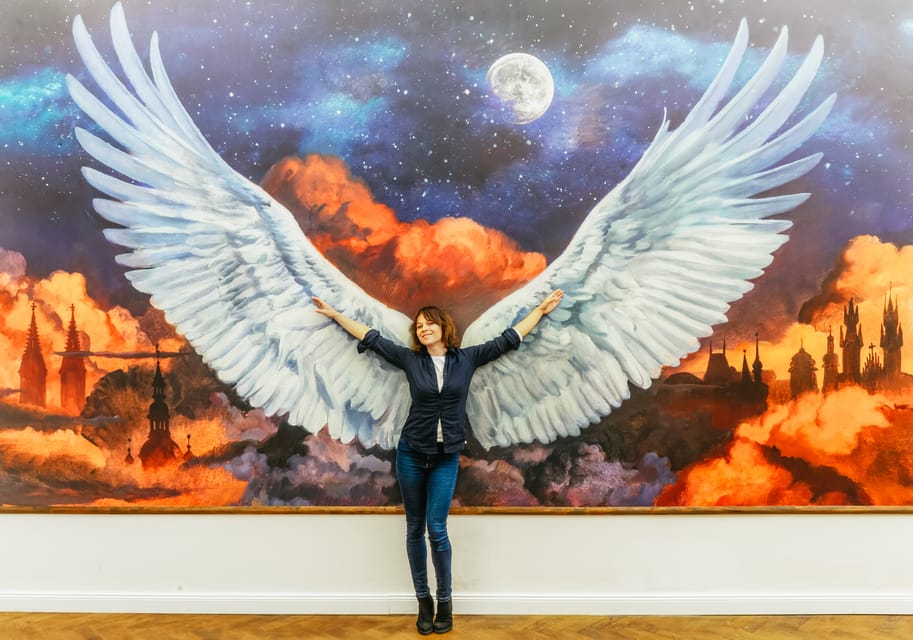
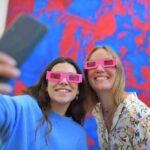
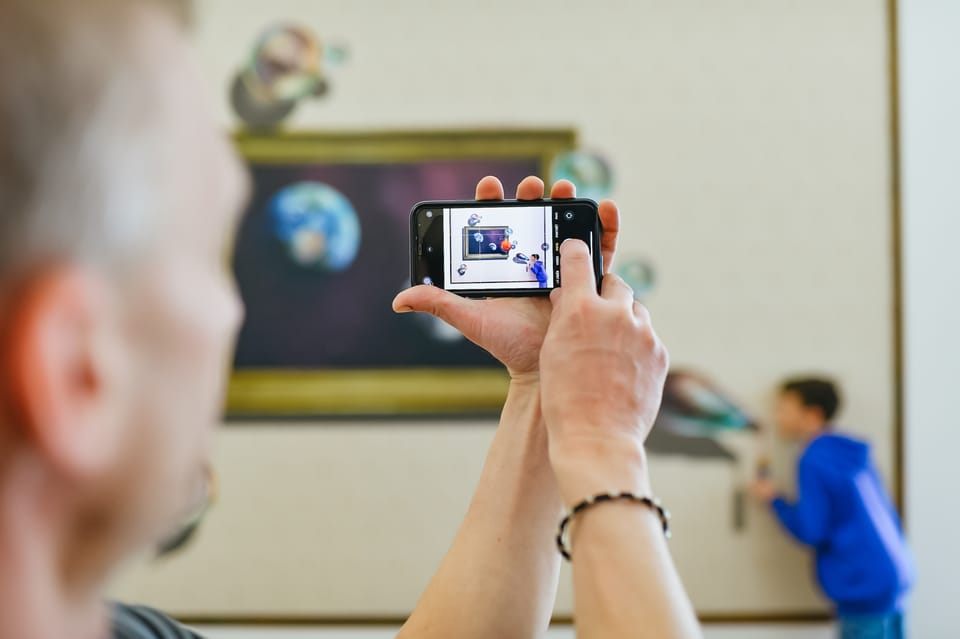
The museum’s core idea is simple: perception is adjustable. In this space, your camera isn’t just for photos—it’s part of the artwork. A lot of the effects are triggered through QR codes and supported by the museum’s app, so your smartphone camera matters as much as your eyes.
Here’s what makes the techniques fun in real life:
- Turn 2D into 3D: Some exhibits look flat until you line up the shot, then they create depth that feels impossible.
- Find the correct angle: Anamorphic works and reverse perspectives rely on viewpoint. Stand slightly off, and the illusion collapses.
- Use your phone to activate extra layers: The museum includes augmented reality via its app, plus a mini cinema area that adds motion and story.
- Light painting experiments: There are setups where you can try creating light-based effects, which are great for quick, shareable results.
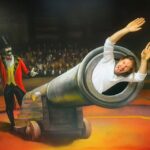
Artists play a major role in how these tricks feel. Patrick Hughes is known for reverse perspective, which works like a visual “cheat code” for your brain. You don’t just stare—you shift position and watch space reorganize itself.
If your goal is photos, focus on timing and position. Scan the QR code, follow the on-screen cue, then take a few test shots close together. That way, you’ll capture the best alignment without needing to redo the entire sequence.
Meet the Artists and Their Tricks (Patrick Hughes to Zikmund and Hanzelka)
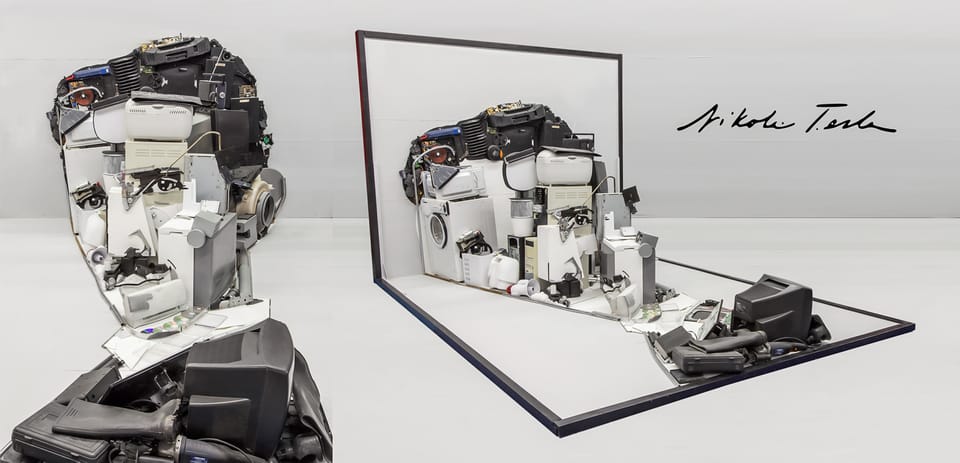
One reason this museum keeps people smiling is that it doesn’t rely on one gimmick. Different artists use different “rules,” and you can feel those rules as you move through rooms.
You’ll see standout work tied to names like:
- Patrick Hughes: reverse-perspective pieces that look wrong until you view them from the intended spot
- Patrik Proško: 3D anamorphic creations that turn flat material into something that looks solid from a specific viewpoint
- Ladislav Vlna: metallurgical paintings, where texture and material add another kind of illusion beyond shape
- Ivana Štenclová: optical reliefs that play with depth through layered surfaces
- Zdeněk Daňek and Jan Jírovec: distorted 3D paintings that reward slow looking, not just quick snapshots
- David Strauzz: morphing lenticular images that shift appearance as your angle changes
- Zikmund and Hanzelka: stereoscopic photos of adventurers, adding a “real-world” feel to the 3D effect
When you’re standing in front of these works, don’t try to solve them all at once. Pick one illusion, do the full routine (scan if needed, stand where the effect wants you, shoot a burst of photos), then move on. That keeps you from getting frustrated and makes the tricks feel more like puzzles you’re enjoying.
Also, use staff help. Many visitors specifically mention getting assistance with QR codes and photo setups. If you see someone free, ask how they suggest you frame the shot. It saves time and usually improves results.
Prague Stories Hidden in the Optical Art
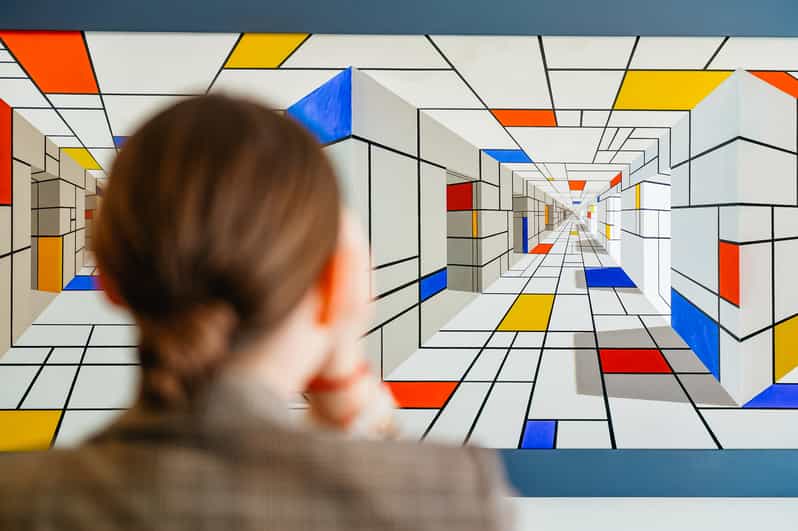
The museum isn’t only about optical tricks. It also uses illusion art as a teaching tool—especially through Czech history and cultural figures. This is where IAM becomes more than a photo stop.
You’ll encounter illusory portrayals connected to major themes and names, including:
- the Swedish siege of Prague
- the fall of the Bohemian monarchy
- figures like St. Agnes of Bohemia, Bedřich Smetana, and Nikola Tesla
- portraits tied to Charles IV, Franz Kafka, and Václav Havel
Why this matters for your visit: illusions work best when they have meaning behind them. Instead of treating the exhibits like a random gallery of optical experiments, you’re seeing how visual trickery has been used to communicate ideas, identities, and stories across time.
Even if you’re not the type to read museum panels, this part helps your brain connect dots. You’ll start noticing that the “why” behind an illusion can be as interesting as the “wow.” And because the museum ties tricks to recognizable Czech names, it can also make your later sightseeing feel more personal and grounded.
Timing Your Visit: Crowds, Warm Rooms, and Photo Flow
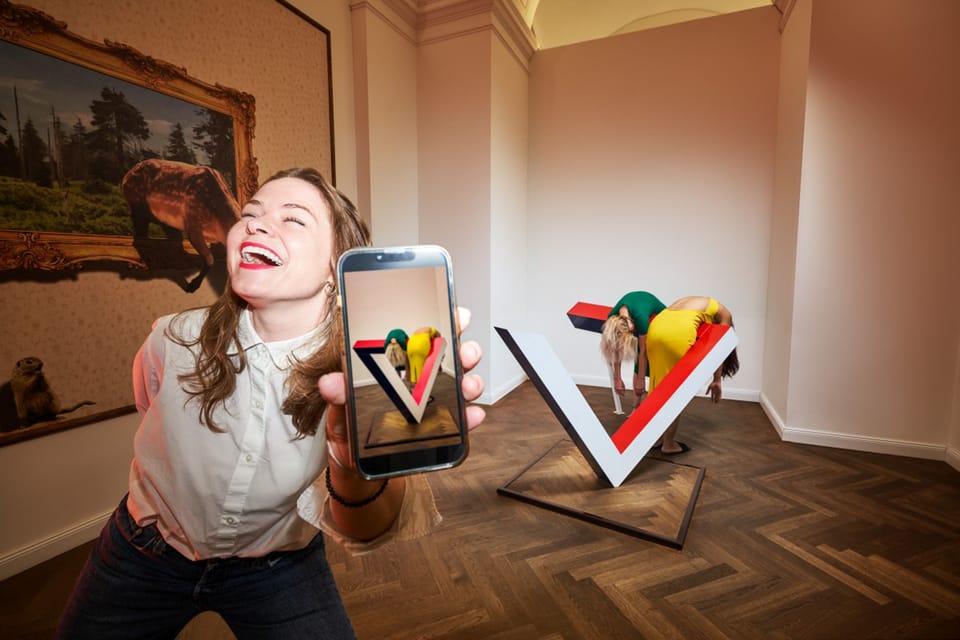
IAM is popular, and that’s great for energy. It’s also the reason you’ll want a smart plan for photos.
Here’s what to expect based on common visit patterns:
- It can get crowded, and when lots of people are waiting for the same viewpoint, you may feel like you’re in each other’s way.
- The museum experience can feel short, so if the crowd slows you down, you might wish you had more time for repeats and extra photos.
- Some visitors report it can be warm, with no air conditioning mentioned as a drawback in real-life comfort.
Practical fix: if you can choose your starting time, go for a slot that feels less peak. Then treat your visit like a photo session with breaks. Scan, shoot, move. If something doesn’t work on your first try, don’t get stuck. Keep going and circle back later.
Smart-phone compatibility is another consideration. If your phone doesn’t cooperate with the app, you may miss some effects. The good news: you can still enjoy a lot of the illusion art that doesn’t rely on one specific interaction. And you can often re-walk areas after the fact when you’re able to get the effect working.
You can also read our reviews of more museum experiences in Prague



What to Bring, What to Do When It Fails, and Photo Tips That Actually Help
This is the kind of museum where your gear matters. The essentials are straightforward:
- Bring a camera
- Bring a charged smartphone
You’ll be using your phone for scanning and app-based effects, so a dead battery turns into a boring day fast. If you can, plug in a power bank before you head in.
For photos, the best approach is boring but effective:
- Scan the QR code first.
- Follow any on-screen guidance.
- Take a short burst of photos as you adjust your angle slightly.
If you’re unsure, ask. The staff are regularly praised for being friendly and helpful, including guidance on getting the best effect and helping with photo framing. People even call out individual staff members like Adam and Tomasz for stepping in to improve results.
If your app isn’t working, don’t treat it like a lost cause. You’ll still see the illusion techniques, and you can still get your favorite shots by focusing on viewpoint-based artworks.
Quick rules check:
- Pets aren’t allowed, though assistance dogs are allowed.
- The museum isn’t suitable for wheelchair users, so plan on stairs or uneven movement.
Food, Nearby Breaks, and Pairing It With Old Town Sights
Food and drinks are not included, so you’ll want to plan a snack break before or after. This is easy in central Prague, but do it on purpose. If you wait until you’re done, you might find yourself hungry right when you want to see something else.
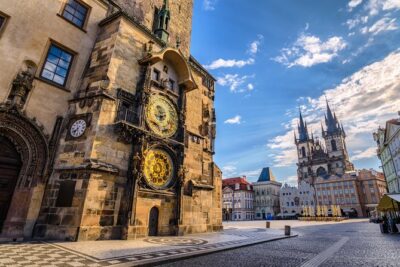
Pairing this with the big Old Town sights is a smart move. One review connection that’s worth your attention: people mention being around when the Prague Astronomical Clock chimes happen. If your museum timing lines up with an hourly sound moment, you can turn your day into a two-part highlight: illusions indoors, then that historic clock moment outside.
If you like a tight plan, do IAM first while your brain is still in the perception-changing mood, then walk out and let normal reality feel even more real for a while.
Who IAM Illusion Art Museum Is Best For
This is a strong choice if you want:
- something fun and interactive without heavy planning
- a rainy-day indoor stop
- excellent photo opportunities that don’t require special photography skills
- a museum that includes Czech names and stories without turning into a lecture
It’s also a good match for kids. Reviews specifically mention interactive exhibits working well even for a 7-year-old, while adults enjoy the same tricks. So you can bring a mix of ages without needing separate programming.
If you’re looking for a quiet, slow museum experience, you might find the photo setup energy a bit distracting. And if you hate crowding or already know you’ll rush, choose your timing carefully and go in with clear expectations about how long the visit will take.
Should You Book IAM Illusion Art Museum Prague?
Book it if you want a short, high-reward experience that mixes art skill with practical interactivity. At $16, the combination of optical techniques, QR/app elements, and Czech-themed storytelling is a solid value—especially if you’re the kind of person who enjoys getting the photo and then looking again to see what you missed the first time.
Skip it or rethink timing if you need a large museum footprint, prefer quiet spaces, or you’re very sensitive to crowding. This place runs best when you’re okay with repositioning, taking a few shots, and sharing the most popular viewpoints.
FAQ
How long does the IAM Illusion Art Museum Prague visit take?
The visit is generally a short experience, often around 60 to 90 minutes, and you can finish in less time if you move quickly.
How much is the entry ticket?
The ticket price is $16 per person.
What should I bring with me?
Bring a camera and a charged smartphone, since the experience uses phone-based interactions.
Is the audio guide included, and in what languages?
Yes, an audio guide is included. It’s available in English, Czech, Croatian, French, Chinese, German, Italian, Polish, Portuguese, Russian, Spanish, Ukrainian, and Vietnamese.
Are food and drinks included in the ticket price?
No. Food and drinks are not included.
Is IAM Illusion Art Museum suitable for wheelchair users?
No. It is not suitable for wheelchair users.
Are pets allowed?
Pets are not allowed, but assistance dogs are allowed.