REVIEW · PRAGUE
Private Prague Renaissance & Baroque Gardens Walking Tour
Book on Viator →Operated by Insight Cities · Bookable on Viator
Prague gardens change with every turn. This private 3-hour tour threads Renaissance and Baroque design through Vrtba Garden views and a scholar guide’s stories, including fountains and the Turkish tulip craze. I love how you get the meaning behind the details, not just pretty photos. One catch to plan for: some important garden admission fees (especially Vrtba and Prague Castle gardens) aren’t included, and Vrtba has steep stairs.
You’ll start in Malá Strana, ride a tram to the castle gardens, and move through spots most day-trippers miss. The day’s pace is perfect for asking questions, and the route connects the royal “why” (status, science, beauty, power) to the “how” (gardens, statuary, exotic plants). The other consideration is timing: gardens are closed in winter from November until March, so spring through autumn is your best bet.
In This Review
- Quick reasons to book this garden tour
- Prague’s garden design is political, scientific, and gorgeous
- Getting there: meeting point and the 22 tram plan
- Vrtba Garden: Baroque walled space and top-terrace Prague views
- Waldstein Garden (Wallenstein): Senate gardens and myth-themed stonework
- Royal Garden and Queen Anne’s Summer Palace: Renaissance meets rare plants
- The Turkish tulip tale and the singing fountain effect
- From Renaissance to Baroque in the Wallenstein garden courtyards
- The end in Lesser Town: finish near classic Prague sights
- Practical tips so your 3 hours feel easy (not rushed)
- Price and value: what $397.36 per group really buys
- Should you book this Prague Renaissance and Baroque gardens tour?
- FAQ
- How long is the private Prague Renaissance & Baroque Gardens walking tour?
- Is this tour private?
- Where do we meet the guide?
- Does the tour include admissions to all the gardens?
- What’s the hardest part physically?
- Are the gardens open year-round?
Quick reasons to book this garden tour
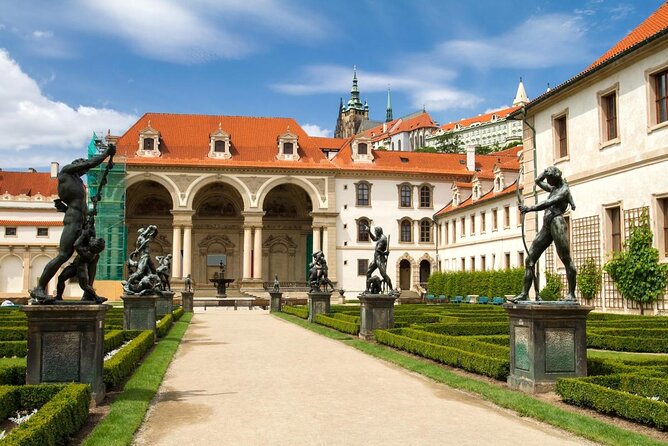
- Vrtba Garden (1720) with Baroque statuary and a top-terrace city view
- Wallenstein/Waldstein garden elements, including myth-themed sculpture and grotto-and-fountain atmosphere
- Prague Castle’s garden story, from Renaissance plant collections to the Queen Anna fig-blossom scene
- Fountains and the tulip legend, including a bronze-cast singing fountain and Turkish-sent tulips
- Private pacing for up to 10, led by a scholar guide, with morning or afternoon options
Prague’s garden design is political, scientific, and gorgeous
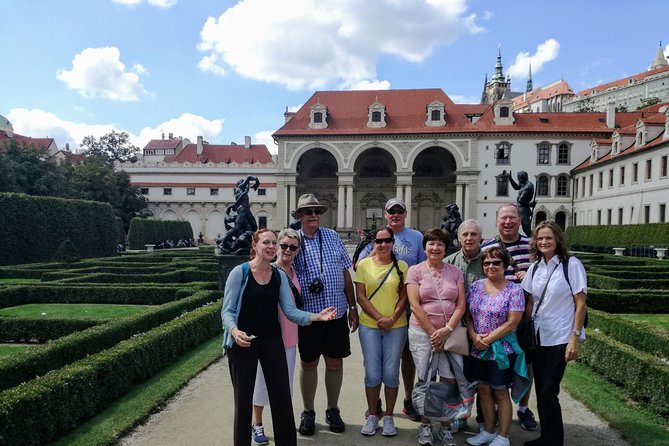
If you think of Prague as cobblestones and cathedrals, this tour is a good reality check. The gardens show another side of power. In the Renaissance and Baroque eras, rulers treated gardens like living press releases: symbols of taste, reach, and control over nature.
I like that the tour explains the logic behind each stop. You’re not just walking between pretty walls. You’re watching how emperors and court gardeners used design, exotic plants, and theatrical waterworks to project prestige. And because it’s private (up to 10), you can keep the pace personal. Ask why a detail matters, then look for it in front of you.
You’ll also get a built-in mix of famous and less-seen spaces. Vrtba is the headline, but the route connects it to other castle-adjacent gardens, courtyards, and terraces that help everything make sense.
You can also read our reviews of more walking tours in Prague



Getting there: meeting point and the 22 tram plan
This starts at Bagel Lounge Malostranská Letenská 118/1 in Malá Strana. If you didn’t arrange pickup, meet your guide right outside the café.
After you meet, the group rides the 22 tram to reach the castle garden area. For you, that means less time figuring out transit and more time walking. It’s also a smart way to avoid bottlenecks near the castle approach.
If you did arrange pickup from a central hotel or flat, it keeps things easy. Either way, you finish back at the meeting point in Malá Strana, so you’re not stuck on the far side of town.
Quick practical note: the tour is about 3 hours and includes walking with some steep stairs. It’s marked as moderate physical fitness. Wear comfortable shoes that grip. Prague cobblestones are not forgiving, and garden steps are their own category.
Vrtba Garden: Baroque walled space and top-terrace Prague views
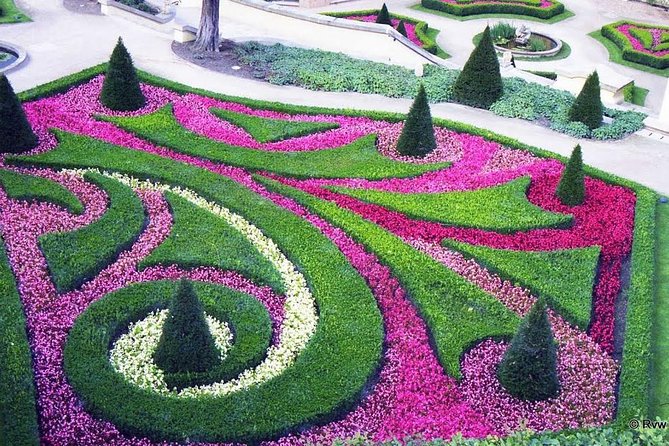
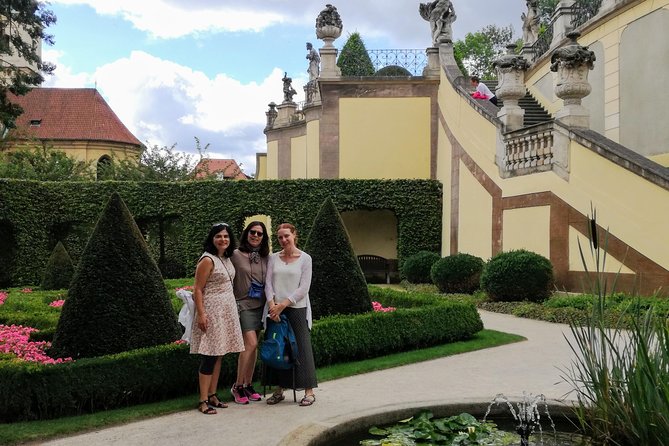
Your first major stop is Vrtba Garden, a Baroque garden from 1720. The big idea here is movement. Baroque garden design loves sightlines and staged reveals. You walk through sculptural decorations and then you look up, down, and back again as the space frames Prague.
I love that you’re given context for the symbolism and historic cultural values. Vrtba is also associated with UNESCO-listed significance, and your guide points out what to look for as you move. That makes the statues feel less random and more intentional.
The garden is also famous for views. From Vrtba’s upper terrace, you get a strong look toward Prague Castle and over the city. If you’re into photography, this is one of the easiest “plan your shots” moments on the tour.
The one drawback is physical. The route includes some steep stairs to reach the upper terrace. If stairs are an issue, you can wait below, or you may be able to choose a private format tailored for your group. If you want the top views and you can handle steps, go for it early so you’re not rushing at the end.
Waldstein Garden (Wallenstein): Senate gardens and myth-themed stonework
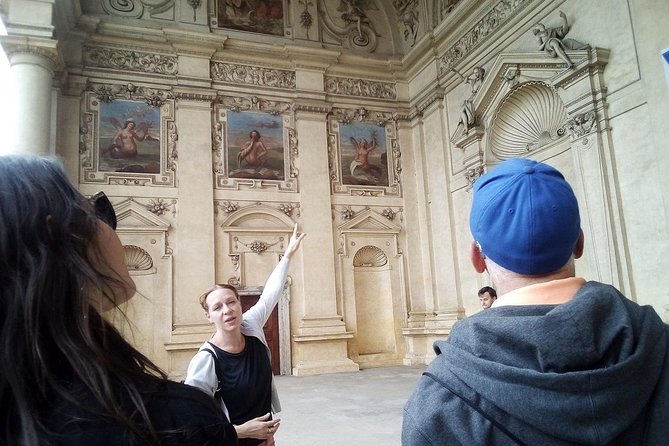
Next you reach Waldstein Garden, connected with the Wallenstein Palace Gardens built in the 1600s. Today, it’s open to the public as the gardens of the Senate of the Czech Republic.
This stop feels like a bridge between eras. The garden is often described as Italian in style, and you can see it in the formal structure and the way water and sculpture fit into the composition. There’s also an aviary and an artificial grotto vibe—these are the kinds of details that make a garden feel like a “designed world,” not just a park.
You’ll also notice sculptural elements tied to mythological heroes, plus a fountain associated with Adrian de Vries. If you’re the type who likes stories behind objects, this is a rewarding stop because your guide connects the art to the messages court patrons wanted people to read.
Good news: this part is free to enter. So you’re not stuck doing math on ticket costs mid-tour.
Royal Garden and Queen Anne’s Summer Palace: Renaissance meets rare plants
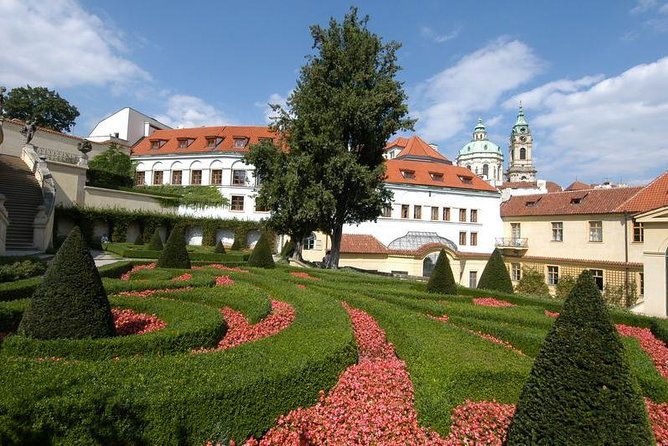
Then the tour shifts into Prague Castle garden territory with the Royal Garden, established on former medieval vineyard land in the 1500s. Here’s what I like: the guide makes the transformation clear. Renaissance design didn’t erase the past; it repurposed it. That vineyard base becomes the stage for a royal garden that also functioned like a showcase for plants and experimentation.
You’ll hear about rare botanical specimens and exotic plants brought from far away—exactly the kind of detail that makes the garden feel scientific, not just decorative. If you enjoy the story of how people transported plants across borders centuries ago, you’ll get a lot from this segment.
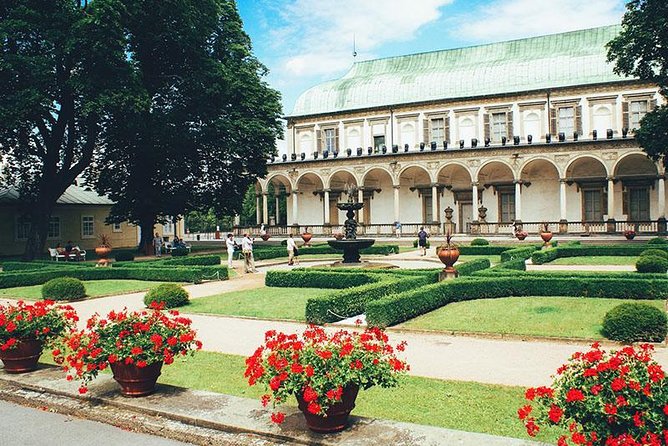
From there, you move to Queen Anna’s Summer Palace. The palace is widely described as the purest Renaissance architecture outside Italian territory, and the façade is where it shows. You’ll see an ornamental and figurative frieze, arcades with decorated Tuscan heads, and relief scenes from mythology, hunting, and wars.
One detail that’s hard to forget after you hear it: the frieze includes Ferdinand I wearing the Order of the Golden Fleece, offering Queen Anna a fig tree blossom. That “fig blossom” image is a perfect example of how court gardens mixed status, symbolism, and horticulture into one visual story.
Right nearby is the Ball Game Hall in the Royal Garden. It served as a ball games hall and later a riding school and stables—so even this small building gets you thinking about how spaces changed uses over time.
These stops are free. That helps the tour feel like good value, especially when paired with the fact that the big paid admissions are limited to specific areas.
You can also read our reviews of more private tours in Prague






The Turkish tulip tale and the singing fountain effect
As you continue, you’ll encounter the kind of details that turn garden history into something you can picture. One highlight is a bronze-cast singing fountain, where water becomes part of the show.
Then comes a story about how gardens became part of diplomacy and trend cycles. You’ll learn about a Turkish Sultan sending a royal gardeners’ gift of tulips, which helped spark the beginning of a craze. If you’ve ever wondered why tulips became such a big deal historically, this is a direct, Prague-specific path to the answer.
This section matters because it connects the garden not just to design, but to people and relationships. The palace gardens weren’t only for residents. They were for sending signals across borders, and your guide points out how that shows up in what was planted and what was displayed.
If you love origin stories—how a fashion starts, how a plant becomes famous, how water technology becomes theater—this is where the tour clicks.
From Renaissance to Baroque in the Wallenstein garden courtyards
The middle of the route is where the style shift becomes tangible. The tour moves through castle courtyards and then into areas like the South Gardens and Garden of Paradise, plus terraced gardens on a slope below the castle.
This is a key part of understanding why Prague’s garden architecture can feel like a timeline you’re walking through. You’re not just seeing single styles. You’re seeing transitions: what older ideas were kept, and what new Baroque tastes demanded.
Then you reach the Wallenstein Garden with the kind of details that make people stop mid-step. You’ll see albino peacocks, mannerist statuary, grottoes, and fountains. Those elements are Baroque language: spectacle, surprise, and controlled wildness.
Your guide also helps you follow the transformation from Renaissance to Baroque styles. The practical value for you is clarity. Without that explanation, the garden could look like a set of cool features. With it, you understand why each feature fits the era’s mood and message.
And this is also why a private format works. You can pause when something catches your eye and ask how the symbolism fits. A scripted group tour often moves too fast for that.
The end in Lesser Town: finish near classic Prague sights
After Vrtba and the castle-side gardens, the tour ends back in the heart of Lesser Town (Malá Strana) near classic attractions. That’s helpful because you’re not forced to spend the rest of your day far away.
If you’re building a trip plan, you can usually pair this with a late lunch in the area, or with a cathedral-and-bridge loop later on. Since you’re already back near the center, you can keep your energy for Prague’s streets when the light turns softer.
Practical tips so your 3 hours feel easy (not rushed)
A tour like this lives or dies on comfort. Here’s what I’d do to make it smooth.
Wear grippy shoes. You’ll walk in gardens and climb stairs. Even if you’re usually fine walking around town, garden steps can feel steeper than they look.
Bring a light layer. Prague weather shifts quickly, and garden air can feel cooler. If you have a windbreaker, bring it.
Plan for stairs at Vrtba. If you want the upper terrace views, save your energy for that segment. If you don’t handle steep stairs well, you can wait below while others go up, instead of forcing it.
Time your visit with the season. Gardens are closed during winter from November until March, so plan for spring, summer, or early autumn.
Expect admission costs in specific areas. Some garden sections are free, but Gardens under Prague Castle and Vrtba Garden admission fees aren’t included. You won’t be surprised mid-route if you treat those as the likely paid parts.
Price and value: what $397.36 per group really buys
The price is $397.36 per group (up to 10) for about 3 hours. The value depends on your group size.
For a small party, you’re paying for a private, scholar-led walk and the convenience of pickup (if arranged) plus the tram segment. For a group closer to 10, the cost per person becomes much more approachable because you’re splitting a single guide-led experience.
What you get that’s hard to replicate on your own:
- A route that links gardens together in a way that tells a story
- Explanations for the meaning behind design details and artworks
- A scholar guide who helps you notice what makes each place distinct
- A pacing advantage, especially around terraces and viewpoints
Also, because several garden areas on the route are free, your overall spending can stay reasonable once you account for the admission parts that aren’t included.
If your travel style is more questions than wandering, this is the kind of tour that tends to feel worth it.
Should you book this Prague Renaissance and Baroque gardens tour?
Book it if you want your Prague to be more than streets. This is a great match if you like design, symbols, and the way politics and horticulture show up in stonework and fountains. I especially think it’s a strong choice if you care about the “why” behind details like tulips, singing fountains, and the fig-blossom court story.
Skip or reconsider if:
- You struggle with steep stairs (Vrtba has them, and the upper terrace is the payoff)
- You’re visiting in winter (gardens are closed November through March)
- You’d rather spend the time freely without guided context, since the admission costs for specific gardens can add friction if you dislike ticket planning
If you do book, aim for comfortable shoes and a calm pace. This tour works best when you slow down just enough to look up at the statuary and then look out at the view.
FAQ
How long is the private Prague Renaissance & Baroque Gardens walking tour?
It runs for about 3 hours.
Is this tour private?
Yes. It’s a private tour/activity, and only your group participates (up to 10 people).
Where do we meet the guide?
Meet at Bagel Lounge Malostranská Letenská 118/1, 118 00 Prague 1-Malá Strana. Pickup is available from a central hotel or flat if you provide your address.
Does the tour include admissions to all the gardens?
No. Gardens under Prague Castle and Vrtba Garden admission fees are not included. Some other garden stops on the route are free.
What’s the hardest part physically?
The Vrtba Garden has steep stairs to reach the upper terrace. If stairs are an issue, you can wait below or choose a private tour that can be tailored to your group.
Are the gardens open year-round?
No. Gardens are closed during winter season from November until March.