REVIEW · PRAGUE
Prague: 2-Hour Back to Communism Walking Tour
Book on GetYourGuide →Operated by Spectrum Tours · Bookable on GetYourGuide
Prague has two stories; this tour picks the darker. I like that it mixes real street sights with local lived-in storytelling, not just dates on a slide. It is a practical way to connect what you see in Prague today with what Czechoslovakia went through under communist rule.
What I especially love is the two-step pacing: you start with a clear intro to socialism/communism theory, then you walk to the places tied to power, control, and resistance. Second, I like that your guide weighs both advantages and disadvantages, and invites questions in plain language. One possible drawback to plan around: the tour’s impact depends heavily on guide delivery and language quality, so if you’re picky about German or very structured lectures, choose your language carefully.
In roughly 1–2 hours, you’ll cover the major communist-era landmarks in central Prague—former secret police headquarters, the former spot of a Stalin statue, party seats, and the locations linked to protests, revolutions, and Soviet occupation. If you want the period explained from a Soviet-influenced communist angle, you’ll probably feel right at home; if you want communism history that goes well beyond that framing, you might find it narrower than you hoped.
In This Review
- Key Highlights That Make This Walk Worth Your Time
- A Prague Communist History Tour That Doesn’t Float Above the Sidewalk
- Theory Before the Walking: Why the Opening Lecture Helps
- Stop by Stop: Secret Police, Stalin’s Shadow, and Party Power
- The Former Secret Communist Police Headquarters
- The Former Spot of the Stalin Statue
- Current and Former Seats of the Communist Party
- Places Linked to Protests, Demonstrations, Rebellions, Revolutions
- Soviet Occupation Context
- Everyday Life Under Communist Rule: What the Locals Actually Add
- Duration, Pace, and What You’ll Actually See in 2 Hours
- Price and Value: Is $50 for a 2-Hour Walking Tour Fair?
- Practical Stuff You Should Know Before You Go
- Who Should Book This Tour—and Who Might Skip It
- Should You Book the Prague Back to Communism Walking Tour?
- FAQ
- FAQ
- How long is the Prague Back to Communism walking tour?
- Where do I meet the guide?
- What languages are available for the live guide?
- Is the tour wheelchair accessible?
- What is included in the tour price?
- What should I bring?
- Are there any restrictions on bags?
- FAQ
- Can I book a private group?
- Is there a way to book without paying right away?
- Can I cancel and get a refund?
Key Highlights That Make This Walk Worth Your Time
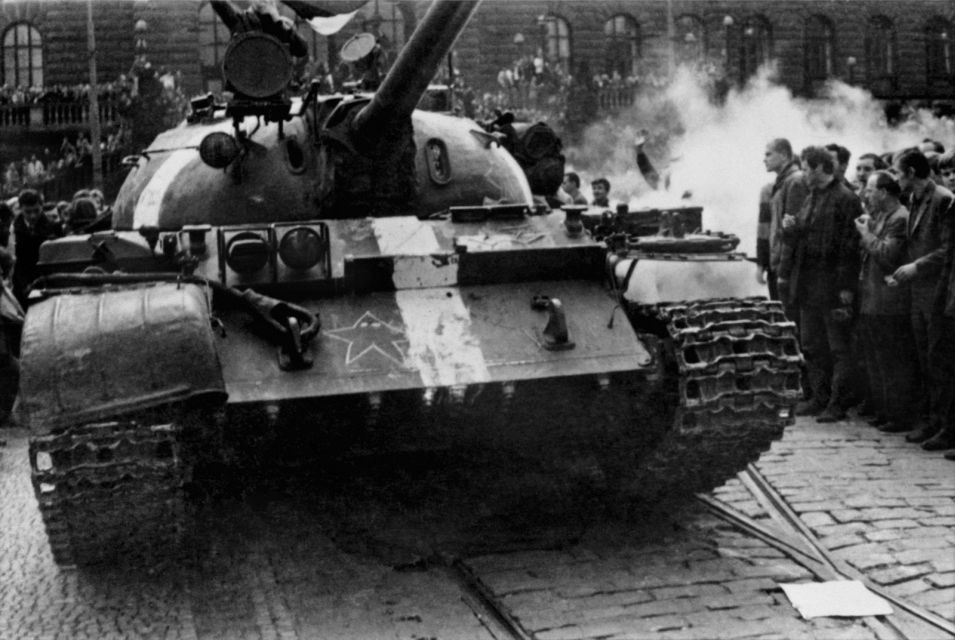
- Theory first: you get the basics of socialism/communism before you hit the streets
- Lived memory guides: locals who experienced the era explain everyday life, not just politics
- Meaningful landmarks: secret communist police sites, party seats, and protest locations
- Stalin’s Prague footprint: you learn what the former statue site represented
- Room for questions: discussion is actively encouraged, not treated as an interruption
A Prague Communist History Tour That Doesn’t Float Above the Sidewalk
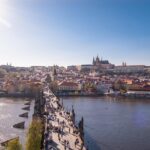
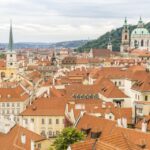
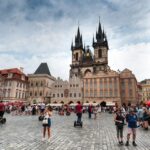
Prague is famous for towers and beauty. This tour reminds you it was also a capital where ideology shaped daily life—who had power, who got watched, and how people reacted when streets filled with protest.
I think the best part is that it stays grounded. You aren’t just hearing political history; you’re standing near the places connected to that history. That matters because communist rule in Czechoslovakia wasn’t only laws and posters—it was surveillance, public messaging, and pressure on ordinary routines.
The guide-led format also helps. The tour is designed to be taught by locals rather than a script reading. A good guide can turn a neighborhood into a timeline you can actually picture.
You can also read our reviews of more walking tours in Prague

Theory Before the Walking: Why the Opening Lecture Helps
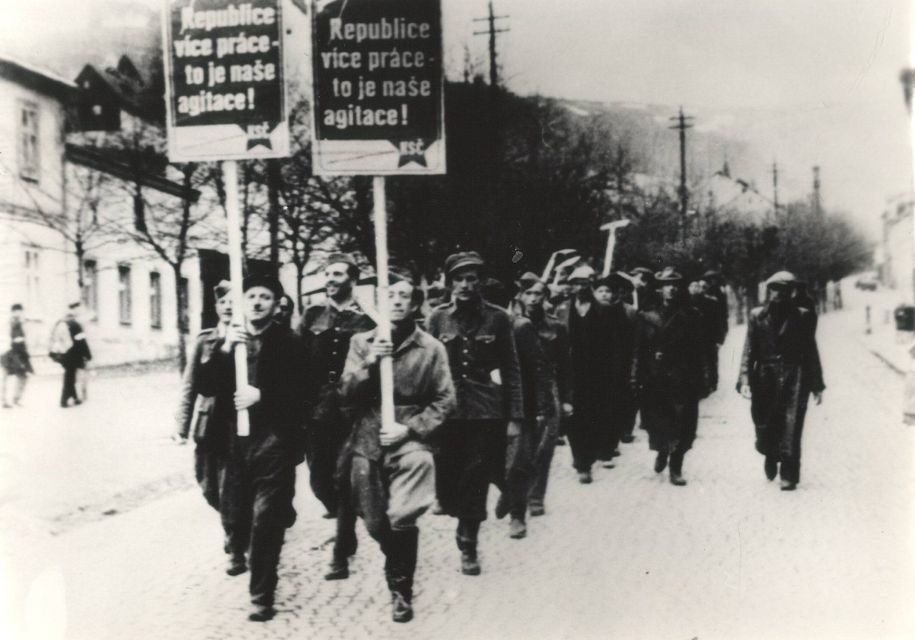
You start with a structured introduction to socialism and communism—how it rose in the 19th century and how it spread into Central and Eastern Europe. Then you connect that theory to what played out in Czechoslovakia and the wider Soviet sphere.
If you’ve ever visited a city museum and thought, I get the facts, but I don’t really understand the logic—this part helps fix that. It gives you the mental model so the landmarks make sense once you arrive.
Also, the tour doesn’t treat the topic as one-note propaganda. You’ll hear about both advantages and disadvantages, and your guide will explain how the Cold War survivors saw everyday life. That balanced framing is exactly what you want on a subject that can turn either into political shouting or pure gloom.
Stop by Stop: Secret Police, Stalin’s Shadow, and Party Power
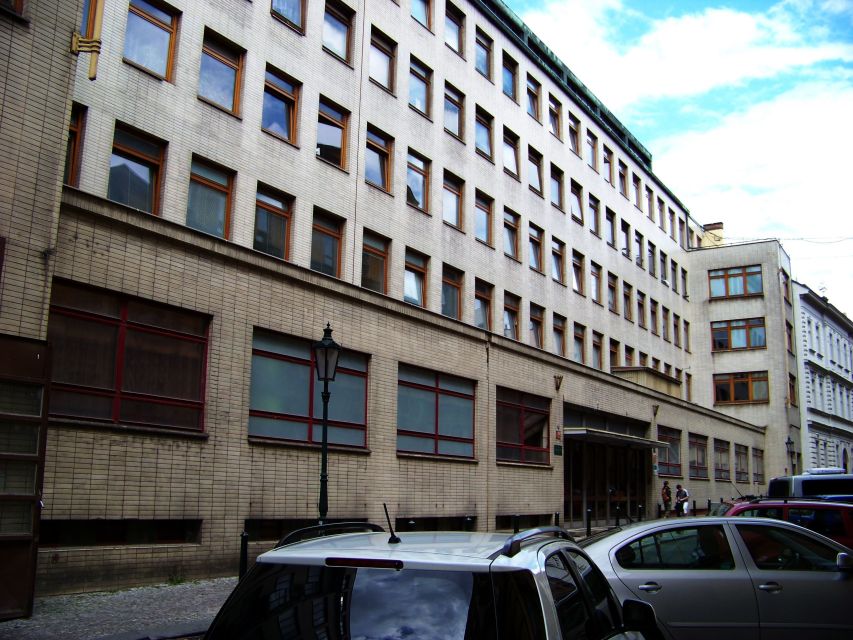
The walking portion focuses on the most important places connected to communist history in Prague. You’ll move between key sites tied to state authority, control, and resistance. While the route isn’t about “shopping for photos,” it is very visual: each stop comes with context so you know what you’re looking at.
Here are the stop types you can expect, and what they’re for:
The Former Secret Communist Police Headquarters
This is one of the tour’s core stops. The point isn’t just to say the secret police existed; it’s to explain what that meant in practice. You’ll learn why fear and control were built into the system, and how that changed people’s decisions—at work, at home, and in public conversations.
I like this stop because it turns a scary concept into something you can understand. You start seeing surveillance as a tool, not just a slogan.
The Former Spot of the Stalin Statue
This stop connects symbolism with power. A statue isn’t just art on a pedestal—it can be a loud political message. You’ll hear what the figure represented at the time and why it mattered in the wider Soviet influence.
If you’re used to European capitals where statues are mostly about beauty or monarchy, this one hits differently. It teaches you how visual monuments can enforce loyalty.
You can also read our reviews of more tours and experiences in Prague

Current and Former Seats of the Communist Party
Party headquarters and seats of power are useful because they show how ideology became administration. Here, the guide helps you connect doctrine to bureaucracy: who made decisions, where public messaging was shaped, and how the state organized itself.
This is also a good spot to compare old and new. Prague today still has layers. Seeing political power’s physical locations helps you notice how history lingers in plain sight.
Places Linked to Protests, Demonstrations, Rebellions, Revolutions
This is where the story becomes human. The tour covers protest sites and moments of uprising—places connected to demonstrations, rebellions, and revolutions, along with the context of Soviet occupation.
I find this kind of stop important because it prevents the narrative from becoming a one-way street of control. Resistance is part of the picture, even when it was messy and risky.
Soviet Occupation Context
Soviet occupation is treated as more than background scenery. You’ll learn how Soviet influence shaped the political environment and what life looked like under that pressure.
This matters for reading Prague correctly. Without that context, the city can feel like it just shifted from old regime to modern democracy. With it, you understand the transition was contested, enforced, and uneven.
Everyday Life Under Communist Rule: What the Locals Actually Add
The tour makes a strong promise: Cold War survivors describe daily life, including both the good and the bad. In practice, this is where the walk becomes more than a history lesson.
You should expect the guide to talk about how people lived—how routines worked, how public behavior could change depending on risk, and how official narratives shaped what you could say without consequences. It’s the difference between reading about history and hearing how it felt while it was happening.
Also, the tour format supports questions. That’s a big deal on politically heavy topics. If something feels too simplified, you can ask. If something feels emotionally loaded, you can ask why it happened that way in Prague specifically.
One small reality check: because this is a live guide experience, quality can vary with the guide’s delivery and language strength. I saw written comments that on at least one German-language outing the delivery didn’t land as smoothly as expected, with interruptions that affected the flow. If German is your best option, it’s worth choosing it with confidence—or consider English if you want the lecture to feel effortless.
Duration, Pace, and What You’ll Actually See in 2 Hours
The tour is listed for about 1–2 hours, and that timing works. You aren’t trying to cover every corner of Prague. Instead, you’re hitting the highest-impact sites tied to communist history and stopping often enough to connect the dots.
Expect a mix of walking and explanation. If you come hungry, plan for it after. You’ll be moving between sites, and the guide’s storytelling is the point, not speed.
The meeting point can vary depending on what you book. Two options are used: Na Příkopě 28 or Na Příkopě 864. Do yourself a favor and arrive a few minutes early. A smooth start makes the difference between a relaxed lecture pace and a rushed one.
Price and Value: Is $50 for a 2-Hour Walking Tour Fair?
At $50 per person, this isn’t a “quick stop” add-on. The value comes from three things:
- A professional guide who lived through the era, so the tour isn’t just secondhand history
- A tight focus on major communist-era locations—secret police headquarters, Stalin symbolism, party seats, and resistance sites
- The theory-to-streets structure, which helps you understand what you see and why it matters
If you love history and want a grounded explanation of how Soviet-influenced communism shaped Prague and Czechoslovakia, you’ll likely feel this price matches the time and effort.
If you’re the type who wants a huge sweep across multiple political movements, or you want communism explained outside the Soviet framing, this one can feel narrower. One written comment flagged that the tour is best for people who want the Soviet-system angle and Europe’s influence after World War II; it may be less suitable if your interest is broader.
So here’s my rule: if you’re already curious about communist-era Prague and you want guided context that connects theory, symbols, and specific locations, $50 can be a good deal. If you’re mainly after general sightseeing, you might prefer a less topic-heavy walk.
Practical Stuff You Should Know Before You Go
This tour is built for walking and discussion. A few practical tips can save you stress.
- Bring an ID or passport. You’ll need it for the tour.
- Don’t bring luggage or large bags. Plan light.
- Choose your language: Czech, English, or German are available. Pick the one where you feel you’ll understand nuance.
- It’s wheelchair accessible, which is a big plus for inclusive sightseeing.
- Private group options exist. If you want a quieter, more tailored conversation, that can change the feel of the tour.
And since the tour tackles heavy topics, bring the right emotional gear. You don’t have to love politics to appreciate it. You just need openness to a period that was hard for real people.
Who Should Book This Tour—and Who Might Skip It
I’d strongly consider this tour if:
- You want a Prague communist history walking tour that connects theory to specific places
- You like local perspectives, especially from people who lived through that era
- You’re interested in how Soviet occupation and communist party power shaped daily life
- You enjoy asking questions and getting answers in plain, direct language
I might steer you elsewhere if:
- You mostly want photo spots with minimal talking
- You want communism covered in a broader way that goes far beyond the Soviet-influenced system
- You’re very sensitive to delivery quality in your selected language and need a perfectly smooth lecture pace
Should You Book the Prague Back to Communism Walking Tour?
Book it if you want to understand Prague beyond the postcard. This is one of those experiences that gives you context you’ll carry while wandering afterward—especially when you notice symbols, institutional buildings, and the places tied to protest and state control.
Don’t book it if you expect a casual stroll with a light tone. This is history with weight. The payoff is that the guide’s local perspective turns that weight into clarity, including both the advantages and the disadvantages.
If you’re choosing between languages, pick the one where you can follow questions. That’s when the tour turns from information into understanding.
FAQ
FAQ
How long is the Prague Back to Communism walking tour?
The duration is listed as about 1–2 hours.
Where do I meet the guide?
The meeting point can vary based on the option you booked. Two listed start points are Na Příkopě 28 and Na Příkopě 864.
What languages are available for the live guide?
The tour is offered in Czech, English, and German.
Is the tour wheelchair accessible?
Yes, the tour is wheelchair accessible.
What is included in the tour price?
The tour includes a professional tour guide and local perspective from the guides.
What should I bring?
You should bring a passport or ID card.
Are there any restrictions on bags?
Luggage or large bags are not allowed.
FAQ
Can I book a private group?
Yes, a private group option is available.
Is there a way to book without paying right away?
Yes, you can reserve now and pay later.
Can I cancel and get a refund?
Yes, you can cancel up to 24 hours in advance for a full refund.