REVIEW · PRAGUE
The Ultimate Prague History Tour
Book on Viator →Operated by KulturCaféPrag · Bookable on Viator
Prague’s history lesson starts quietly, then explodes into big ideas. This 7-hour private tour links religion, politics, and art across the Castle area, Lesser Town, and Old Town, with lots of flexibility in pacing. I love that the route is built to cut down on crowds right away, and that the guide can tailor the day to your questions (not just march you through). One thing to consider: it’s a walking-heavy day with moderate fitness needed, and a couple of the most compelling indoor stops have extra admission.
What makes this tour feel different is how the guide explains Prague’s buildings as arguments—who had power, who got moved, and why styles like Gothic and Art Nouveau spread. You get a practical mix of classic Prague landmarks and quieter corners like Nový Svět and Kampa. If you prefer strictly 1900s-and-later history, you might find the overall emphasis leans earlier than you’d hoped.
In This Review
- Key Highlights You’ll Actually Feel During the Day
- How a 7-Hour Prague History Route Stays Comfortable (and Interesting)
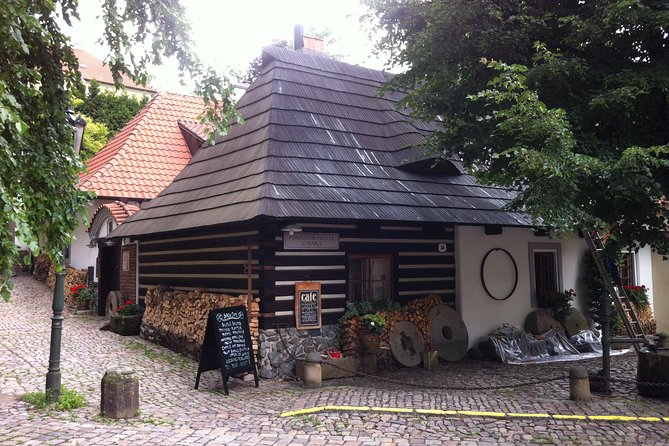
- Nový Svět: The Quiet New World Before Prague Castle
- Loreta Praha: A Monastery-Style Sanctuary With Legends That Hold Up
- Prague Castle: When the Cathedral’s Location Means Power
- Nerudova and St. John’s Hill: Italian Artists, Faith, and Politics
- Malostranské náměstí: Lesser Town’s Squares and Big Historical Drama
- Maltažské náměstí to Kampa: Knights, Embassies, and the Lennon Wall Remnant
- Museum Kampa: Kupka, Abstract Painting, and the Person Who Built It
- Crossing to Old Town Via Legions’ Bridge When Charles Bridge Is Too Busy
- Stare Město: How Medieval Villages Turned Into a City
- Obecní Dum and Municipal House: Art Nouveau Origins Over Coffee
- Price and Logistics: Is $216.25 Per Person Good Value?
- Who This Tour Fits Best (and the One Case It Might Not)
- Should You Book This Prague History Tour?
- FAQ
- How long is the Ultimate Prague History Tour?
- What does the tour cost?
- Is this tour private?
- Do I get pickup?
- What language is the tour in?
- Are admission tickets included for churches and museums?
- What’s included in the tour price?
- How much walking is involved, and what fitness level do I need?
- What if the weather is bad or Charles Bridge is crowded?
- What is the cancellation policy?
Key Highlights You’ll Actually Feel During the Day
- A crowd-smart start in Nový Svět, using a tram drop-off past the Castle
- Prague Castle Cathedral explained with both religious and political reasons
- Art and politics connections, from Italian artists in St. John’s Hill to the link between styles and power
- Kampa + Museum Kampa, centered on František Kupka and modern abstract painting
- A practical plan for busy Charles Bridge, with a backup crossing via Legions’ Bridge
- Optional indoor time, with most major viewpoints free and paid admissions only for select stops
How a 7-Hour Prague History Route Stays Comfortable (and Interesting)
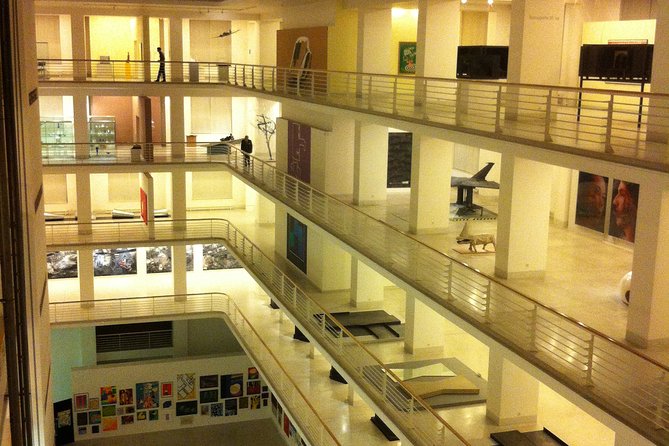
This is a private, 7-hour history walk designed for focus, not speed. The big value is that you’re not stuck with a rigid script. The guide decides on the spot whether you should walk through Prague Castle, and the route can shift depending on what you’ve already seen and what you care about most.
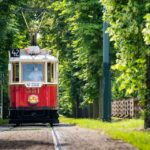
You’ll also feel the smarter logistics early. The day begins with a tram ride and a drop-off past the Castle area, so you can approach Prague Castle from a quieter pocket of streets. That matters because Castle days can turn into a crush—this tour tries to keep your morning from doing that.
The trade-off is simple: you should have moderate physical fitness and wear very solid shoes. With city streets, bridges, and hills, comfortable walking matters more than any single monument.
You can also read our reviews of more historical tours in Prague

Nový Svět: The Quiet New World Before Prague Castle
The day opens in Nový Svět, reached by tram. Instead of dropping you at the Castle directly, you hop off at a stop past the Castle to reduce the crowds, then walk through the New World quarter. This is one of those Prague areas where the streets look like they belong in an old painting—yet you’re not battling everyone else to get there.
You’ll spend about 30 minutes here, and there’s no admission cost. That makes Nový Svět a great way to start your day with something that feels authentic, not like a checklist. It also sets the tone for the rest of the tour: Prague’s “major” story is big, but the city is experienced through its smaller streets first.
Practical tip: arrive ready to walk. Even though this is a short stop, you’ll be shifting pace from transport into cobblestones and gentle uphill/downhill rhythms.
Loreta Praha: A Monastery-Style Sanctuary With Legends That Hold Up
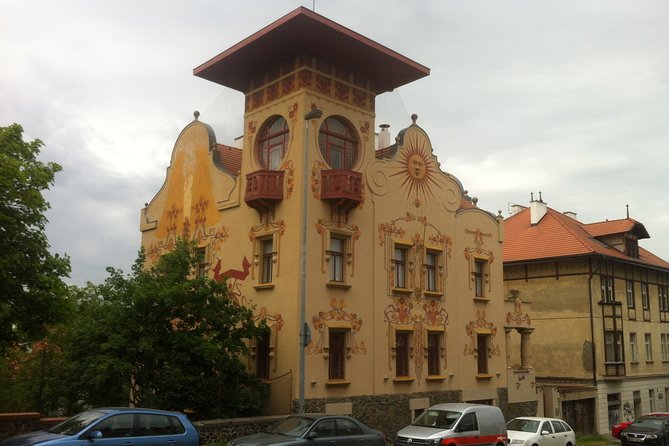
Next comes Loreta Praha, a sanctuary for St. Mary set in a monastery-like complex. This stop runs about an hour. You’re looking at a breathtaking church and a treasury, and the guide connects it to a fascinating point: recent research has found that large parts of the sanctuary’s mystic legend turned out to be true.
What I like about this kind of stop is how it turns “pretty church” into “why this mattered.” The setting is described as attractive and atmospheric, and you’ll come away seeing how religion, symbolism, and local history were braided together—without needing a museum ticket to understand the point.
Admission isn’t included here, so if you care about interiors, plan a bit of extra budget for the entry. Also, give yourself time to pause. This is the sort of place where quick movement makes you miss details.
Prague Castle: When the Cathedral’s Location Means Power
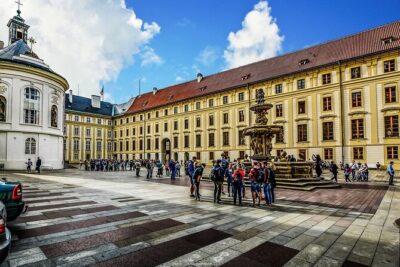
Prague Castle is the headline attraction and it’s often crowded—but this tour gives you a choice. After reaching the area, the guide decides on the spot if you want to walk through the Castle complex.
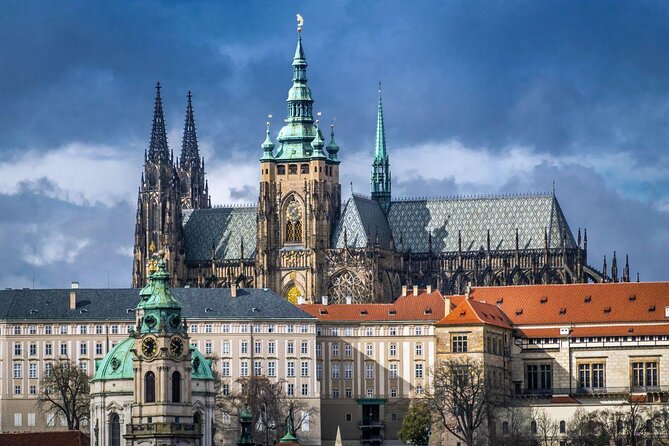
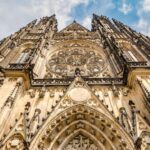
The centerpiece is the cathedral, with an explanation that goes beyond architecture trivia. You’ll learn about the unusual location and why it has both religious and political reasons. That dual angle is what makes this part more than a repeat of what you’d read on a signboard.
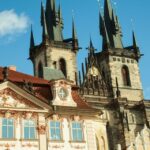
The guide also spends time on something you won’t easily get elsewhere: a detailed idea of the Gothic style’s amazing genesis—why it took shape the way it did and what it signaled. It’s one of the guide’s favorite subjects, and it shows in how the story gets structured so you can remember it.
Time check: about 1 hour 30 minutes for this segment, with the cathedral-focused experience as the main event. If you’re sensitive to crowds, keep an eye on the guide’s decision-making and trust the on-the-spot call.
Nerudova and St. John’s Hill: Italian Artists, Faith, and Politics
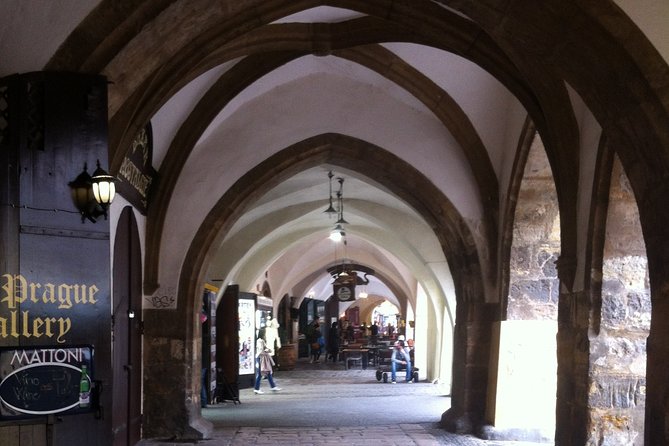
From Prague Castle you move toward Nerudova, described as very pretty but also very touristic. The approach here is smart: you don’t waste time trying to enjoy the crowd itself. Soon you turn right to St. John’s Hill, a quieter neighborhood that once housed many Italian artists.
This stop is about one hour. The guide uses it to explain why and when the Italian artistic presence happened, with a close link between art, religion, and politics. That connection is a theme running through the whole day: Prague isn’t just a city of old stones. It’s a city where cultural style tracks who had influence.
Admission isn’t included here. The main thing you’re buying is the explanation and the context. So keep your questions ready—this is where your interests can steer the depth.

Malostranské náměstí: Lesser Town’s Squares and Big Historical Drama
Next is Malostranské náměstí, the central square in Lesser Town. It’s around 30 minutes, and the emphasis is on architecture, history, and the tales around religious upheaval. You’ll also hear about baroque splendour and WWI espionage stories tied to the area.
This is one of those stops where a short square walk can still feel like a lesson because the square is a stage. Buildings weren’t just built to be seen; they were built to tell people who mattered and what mattered.
Since admission is listed as free for this segment, it’s a low-cost part of the day. The value is in the guide’s ability to connect the look of the buildings to the events you’ll hear about.
Maltažské náměstí to Kampa: Knights, Embassies, and the Lennon Wall Remnant
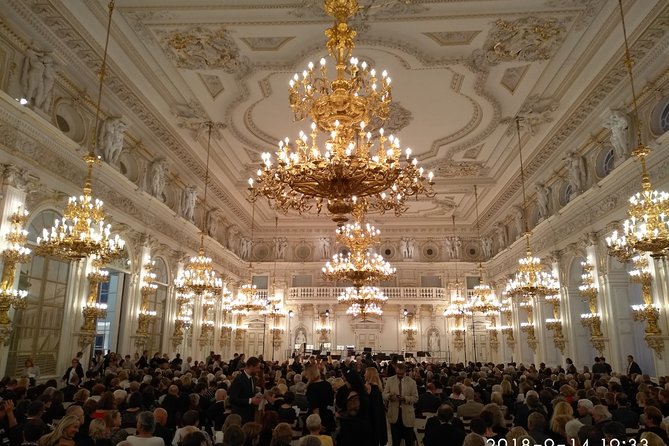
Approaching the Vltava river, you reach a pretty small square at Maltažské náměstí. Here you’ll see the church and the embassy associated with the Maltese knights. Further along, there’s also the palace of the French embassy, which you might be able to visit upon prior request.
Then you’ll move to the Lennon Wall, but with a reality check: it’s described as a sad remnant of what it once was. That’s not a reason to skip it—just an honest expectation. The guide will help you understand why it mattered and what changed.
The stop finishes with Kampa island, described as a beautiful green oasis with a few interesting attractions. This is one of the tour’s best mood-shifters: you go from dense history zones to something calmer and more park-like without losing the story.
Time is about 30 minutes and the major viewing here is free. You’ll get a lot of place-based orientation for where you are on the map, which helps when you later explore on your own.
Museum Kampa: Kupka, Abstract Painting, and the Person Who Built It
If you want modern art in the middle of Old World Prague, don’t skip Museum Kampa. This stop is about 30 minutes, and admission isn’t included.
The museum is described as a wonderful contemporary art museum in a former mill. The standout for many people is that it holds the largest collection of František Kupka, a pioneer of Abstract Painting. That makes this museum unusually focused: you’re not bouncing among random exhibits. You’re seeing a strong artistic thread.
Even better, the guide shares the story of an important woman of Prague’s recent history who helped initiate the museum. You’ll have a biography in the library, and the story is part of what you’re paying attention to, not just a side note.
If you’re not into abstract painting, you might not love this segment as much. But even then, Museum Kampa can be a refreshing break from churches and palaces.
Crossing to Old Town Via Legions’ Bridge When Charles Bridge Is Too Busy
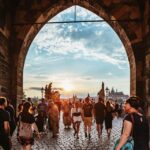
When it’s time to head toward Old Town, the guide uses a smart contingency plan. If Charles Bridge is too busy, you cross on Legions’ Bridge instead. From there you reach Old Town and the National Theatre.
This is about 30 minutes, and you’ll also get a detailed introduction to why this area matters: the National Theatre played an important role in the country’s fight for independence in the 19th century.
Practical value: this is where you save energy and avoid the kind of crowd bottlenecks that wreck a walking tour day. Even if you’ve already seen Charles Bridge before, you may find the alternative crossing makes the city feel more livable.
Stare Město: How Medieval Villages Turned Into a City
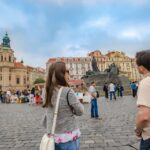
Old Town, Stare Město, is next for about 30 minutes. You won’t get a strict loop here. The guide walks criss-cross around Old Town based on what you’ve already seen, with an emphasis on less-known attractions.
The story you get is about how medieval villages became cities, and how much of that 1000-year development is still visible today in Prague. That framing is powerful because it turns Old Town from a set of monuments into a timeline you can still read with your eyes.
Admission is free for this segment. That’s good news, because this is the kind of place where the best learning comes from pointing and walking, not from paying for every door.
Wear shoes you can handle on stone streets. This is where your legs do the work that your mind uses to understand.
Obecní Dum and Municipal House: Art Nouveau Origins Over Coffee
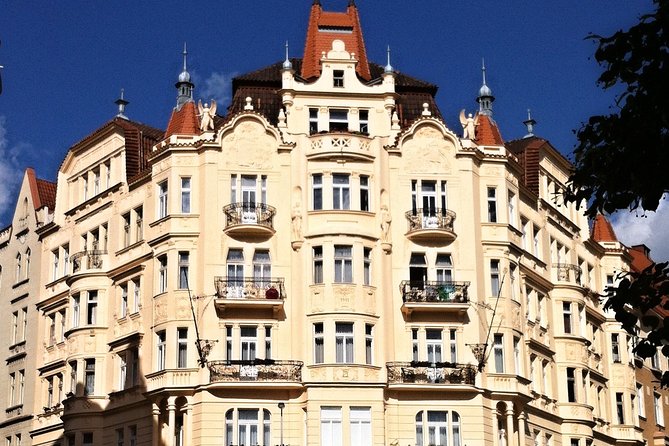
If there’s time, you finish near Obecní Dum, finishing over coffee at the Prague Municipal House. This building is described as the city’s most beautiful Art Nouveau structure, including a concert hall, exhibition space, two restaurants, and a gorgeous café.
This stop is about 30 minutes, with admission free. Even if you don’t go deep into the building itself, the guide uses it to tell the origin story of Art Nouveau—so you leave with something you can recognize later when you spot the style again.
This is a smart ending. After hours of stone and symbolism, you get a calmer moment that still belongs to the day’s theme: ideas showing up in design.
Price and Logistics: Is $216.25 Per Person Good Value?
At $216.25 per person, this tour is not a budget choice—but it can be strong value if you want a guided day that connects Prague’s “wow” sights to the reasons behind them.
Here’s what you’re paying for, based on what’s included:
- Private tour format (your group only), which usually means more flexible pacing
- Pickup offered anywhere within the defined area, so you start without hunting meeting points
- Bottled water
- English language tour
- Group discounts, which can help if you’re booking as a small circle together
- Most major stops are admission free, with a few add-on sites (notably Loreta Praha and Museum Kampa)
In other words, you’re mostly paying for time, route planning, and interpretation—not for a pile of attraction tickets. If you’re the kind of person who likes asking why something is where it is, this can justify the cost quickly.
Two practical notes. First, this tour is often booked far in advance on average (87 days), so popular dates can disappear. Second, it requires good weather, since it’s designed as a walking experience.
Who This Tour Fits Best (and the One Case It Might Not)
This is a great match if you:
- Want Prague history tied directly to architecture and art
- Like the way politics shows up in cultural choices
- Prefer routes that avoid major crowd problems where possible
- Enjoy a guide who can adjust pace to questions and interests
It’s also a good fit for people who want both classic sights and quieter areas like Nový Svět and Kampa.
One drawback to watch: the material focus leans earlier than what some people expect. If you’re specifically obsessed with 1900s-and-later history, you may feel the emphasis won’t match your priorities.
Finally, this tour asks for comfort with walking. If you want a more sit-down, minimal-step day, you may want a shorter format.
Should You Book This Prague History Tour?
Book it if you want a private, crowd-smart history day that explains Prague’s big landmarks through the lens of power, faith, and style. The best sign is how many stops connect to the same big idea: buildings are never just buildings in Prague.
Skip it (or adjust expectations) if you need a lighter walking day or you want history only from the modern era. Otherwise, this is the kind of guided Prague outing that leaves you seeing the city differently long after the coffee stop at the Municipal House.
FAQ
How long is the Ultimate Prague History Tour?
It runs about 7 hours, with each segment timed for a mix of walking and focused stops.
What does the tour cost?
The price is $216.25 per person.
Is this tour private?
Yes. It’s a private tour/activity, and only your group will participate.
Do I get pickup?
Pickup is offered. The guide will pick you up personally anywhere within the defined area.
What language is the tour in?
The tour is offered in English.
Are admission tickets included for churches and museums?
Some admission is not included. Loreta Praha and Museum Kampa list admission as not included, so you should plan extra for those stops.
What’s included in the tour price?
Bottled water is included.
How much walking is involved, and what fitness level do I need?
It’s a walking tour with moderate physical fitness required. Sturdy walking shoes are a smart move.
What if the weather is bad or Charles Bridge is crowded?
The experience requires good weather. If it’s canceled due to poor weather, you’ll be offered a different date or a full refund. If Charles Bridge is too busy, the guide can cross via Legions’ Bridge instead.
What is the cancellation policy?
You can cancel for a full refund up to 24 hours in advance of the experience’s start time.