REVIEW · PRAGUE
Prague Renaissance and Baroque Gardens Walking Tour
Book on GetYourGuide →Operated by insightcities.com · Bookable on GetYourGuide
Prague’s gardens sing, and the history matters. I love how this walk ties Renaissance power to real landscaping choices, from Italian influence to Baroque drama. I also love the contrast between big-name Prague Castle gardens and the quieter, walled Vrtba Garden feeling you often miss on your own.
One thing to weigh: the route includes stairs that can be narrow and steep, especially around the castle areas. If you have mobility concerns, I’d choose a private or small-group option so the guide can adjust the route at your pace.
In This Review
- Key moments you’ll remember
- How Renaissance and Baroque politics turned into garden design
- Meeting point, timing, and what the walk feels like
- Prague Castle Gardens and the Belvedere Summer Palace story
- The Singing Fountain at the Giardinetto: a small detail with big effect
- Fig House and Orangery: fruit, trade, and the limits of the climate
- From the stag moat to the Bull Stairs: moving through space like a plan
- Wallenstein Garden: albino peacocks and mythical fountains
- Vrtba Garden (1720) in Lesser Town: the Baroque walled-world you’ll remember
- Price and value: what $123 is really paying for
- Who should book this Prague gardens walk?
- Should you book this Prague Renaissance and Baroque Gardens Walking Tour?
- FAQ
- Where is the meeting point?
- How long is the tour?
- What language is the guide?
- How much does the tour cost?
- Is this tour private or small-group?
- What’s included in the price?
- Are Prague Castle gardens admission fees included?
- Is Vrtba Garden admission included?
- Is the tour wheelchair-friendly?
- What are the cancellation terms?
Key moments you’ll remember
- Ferdinand I imported Italian gardeners to create lush Mediterranean-style gardens north of the Alps
- Belvedere Summer Palace and the court-side story behind it, including Queen Anne’s tragic timeline
- Fig House and Orangery with Central Europe’s early fruit experiments, plus tulips introduced through diplomatic gifts
- Bull Stairs and terraced South Gardens, moving you through the landscape like a designed sequence
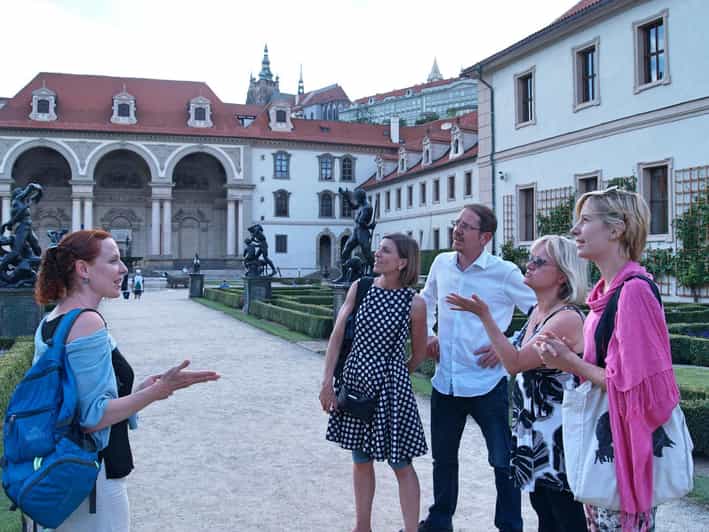
- Wallenstein Garden with albino peacocks, Mannerist statuary, grotto walls, and mythical fountains
- Vrtba Garden (from 1720) in Lesser Town, ending with a marine-themed grotto and Prague skyline views
How Renaissance and Baroque politics turned into garden design
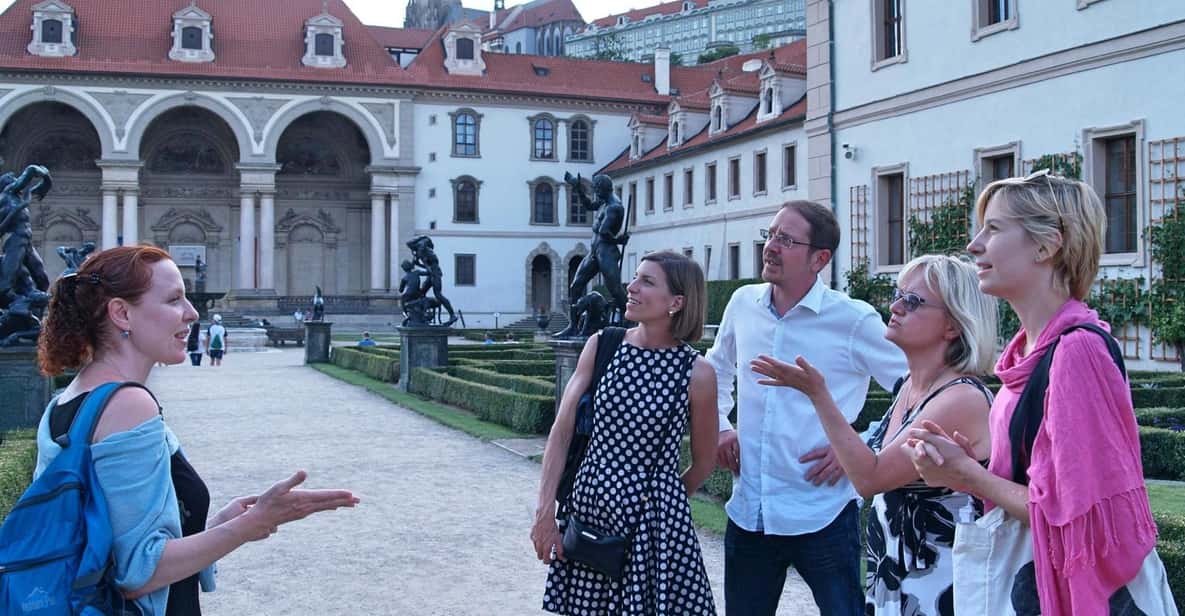
Gardens in Prague aren’t just pretty. They’re statements. Long before this era, gardens were mostly practical—herbs for medicine and cooking, preserved in certain Gothic cloisters. Then, as tastes and politics changed, the idea of what a garden should do changed too.
This tour connects those dots clearly. You’ll hear how early medieval use gave way to a more cultivated, status-driven style, and how big palace gardens only really took off in the 1500s. That shift lines up with Emperor Ferdinand I’s passion for lush Mediterranean gardens—an Italian Renaissance influence imported right into Bohemia.
I like that the guide doesn’t treat the plants as trivia. The story is social and religious, and it helps you see why certain spaces are formal, theatrical, or meant to impress. By the time you’re walking through Wallenstein Garden, you’ll understand how Renaissance classicism gives way to Baroque thinking: more drama, more surprise, and more “look what we can create” energy.
You can also read our reviews of more walking tours in Prague



Meeting point, timing, and what the walk feels like
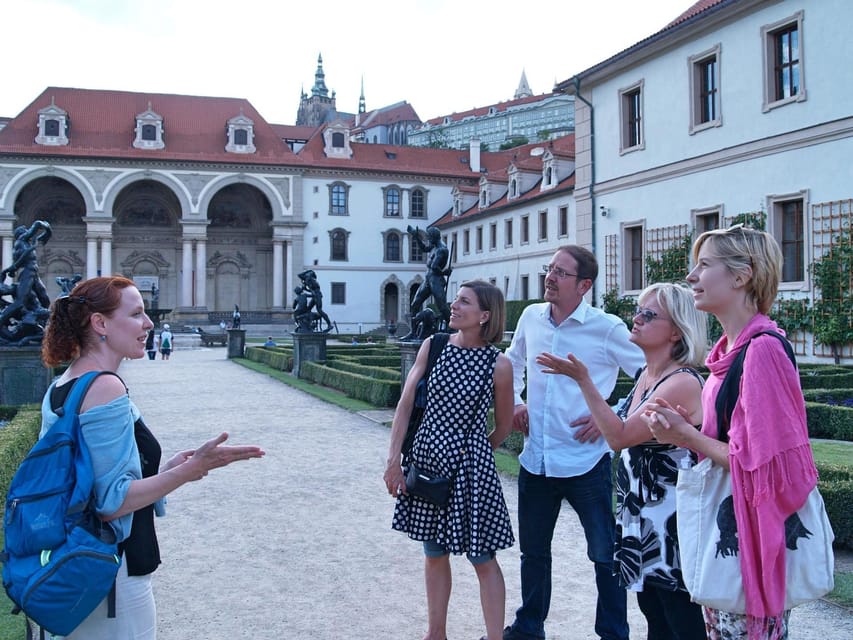
You’ll meet at the door of Bagel Lounge Malostranska and spend about 3 hours on foot with an English-speaking historian guide. The pace is designed for context, not just sightseeing. You’re moving through a designed sequence of viewpoints and courtyards, so the garden history sticks.
One practical note: the route includes walking up and down stairs, and some sections can be tight or steep. If you’re the type of traveler who needs frequent rests or avoids stair-heavy routes, a private tour is worth considering. It’s the easiest way to keep the experience enjoyable rather than exhausting.
Also, if you end up with a guide like Miriam—who was described as very informative and relaxed on past outings—you’ll likely appreciate the tone: history explained without making it feel like a lecture.
Prague Castle Gardens and the Belvedere Summer Palace story
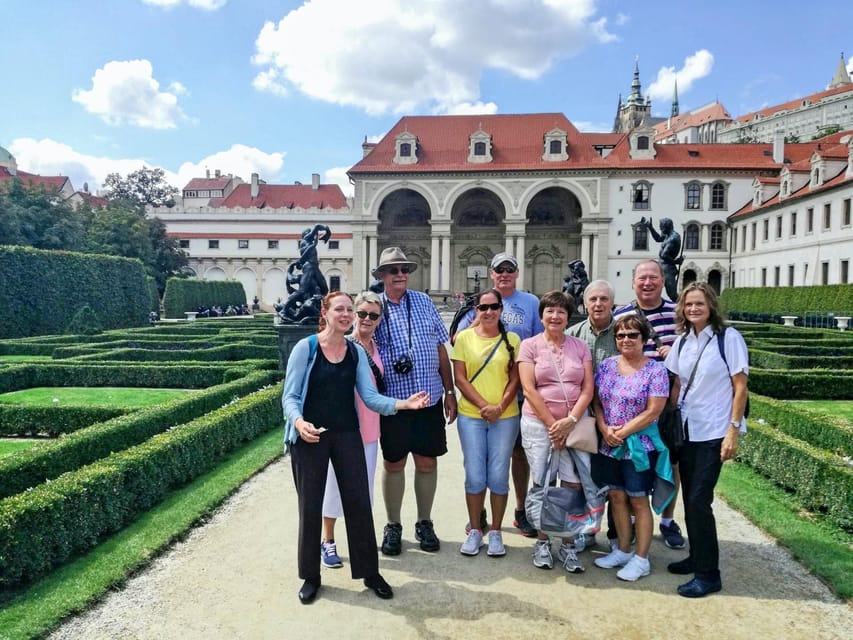
The garden story really clicks when you reach the Belvedere Summer Palace area. This wasn’t built as a random decorative stop. It was commissioned by Ferdinand I as a gift for his wife, Queen Anne. The detail that sharpens the emotional tone: she didn’t live to see the palace completed.
The building is tied to the work of Paola della Stella, an Italian designer. Even if you don’t care about architectural authorship, the place feels like an intentional work of art—an elegant Renaissance structure that looks made for viewing and being viewed.
As you take in the reliefs, you learn about Ferdinand presenting his wife with a flower from the Royal Gardens surrounding the palace. That kind of detail matters because it shows the garden as part of courtly life. It’s not just background scenery; it’s part of relationships, symbolism, and status.
The Singing Fountain at the Giardinetto: a small detail with big effect
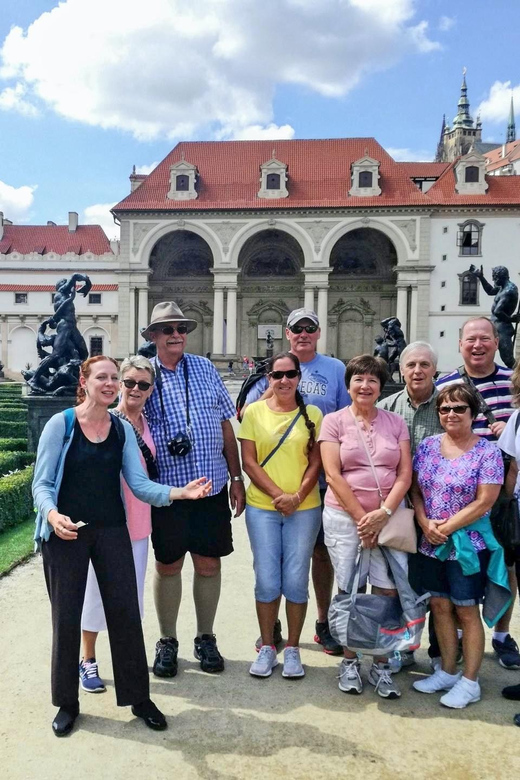
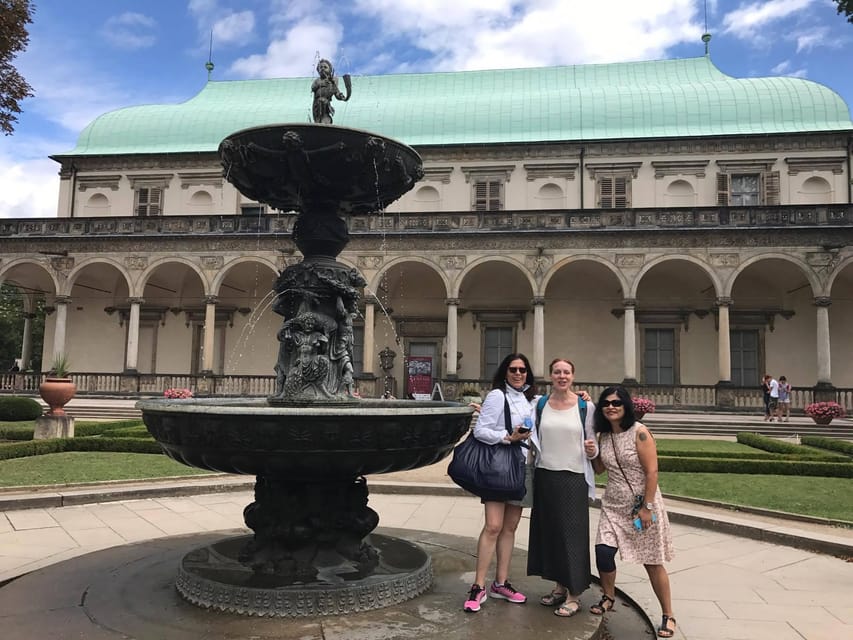
Next comes one of those clever courtly inventions: the Giardinetto and the so-called Singing Fountain. It was cast in 1564 in bell bronze. Here’s the fun part—because water drops into the bowl in a precise way, it causes the fountain to resonate, creating a sound effect that feels almost theatrical for something so small.
If you’re the type of traveler who enjoys “micro-details” that reveal how people thought, this stop works. You’ll walk away understanding that Renaissance gardens weren’t only about shapes and symmetry. They also involved sensory design—sound, water movement, and the experience of being in the space.
Fig House and Orangery: fruit, trade, and the limits of the climate
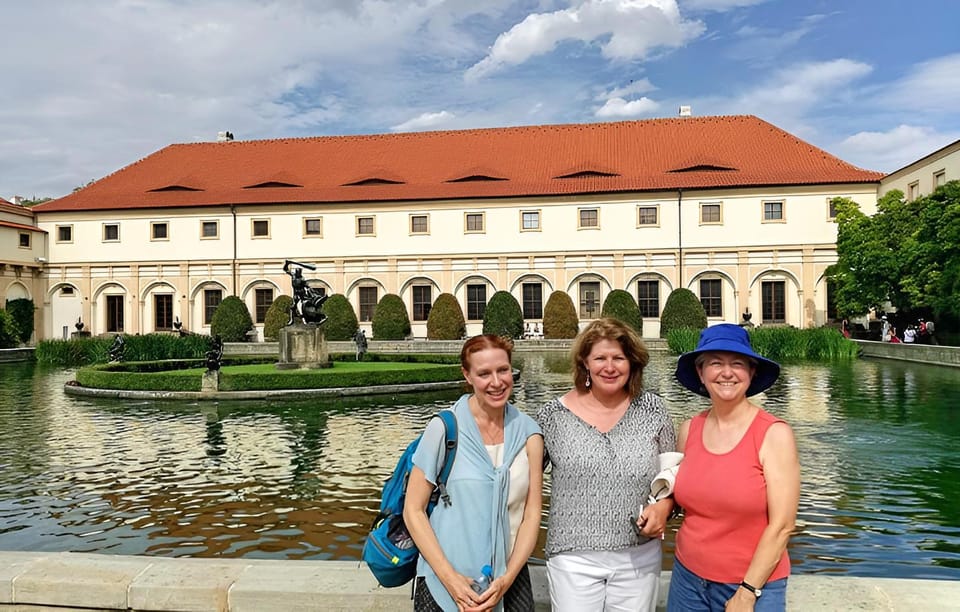
As the tour moves through the Castle garden spaces, you’ll reach the Fig House and the Orangery. This is where the Mediterranean garden dream becomes practical.
You’ll hear how figs, almonds, oranges, and lemons were grown there for the first time in Central Europe. That’s a huge idea for a garden lover: this wasn’t just importing style. It was pushing the climate and experimenting with what could be cultivated.
The guide also connects the story to global curiosity. As you approach the western end, the tour explains how tulips—previously unknown in Europe—were introduced to the Royal Gardens as an exotic gift connected to the Sultan of Constantinople. It’s a great reminder that gardens often track power networks, trade, and diplomatic relationships, not just personal taste.






From the stag moat to the Bull Stairs: moving through space like a plan
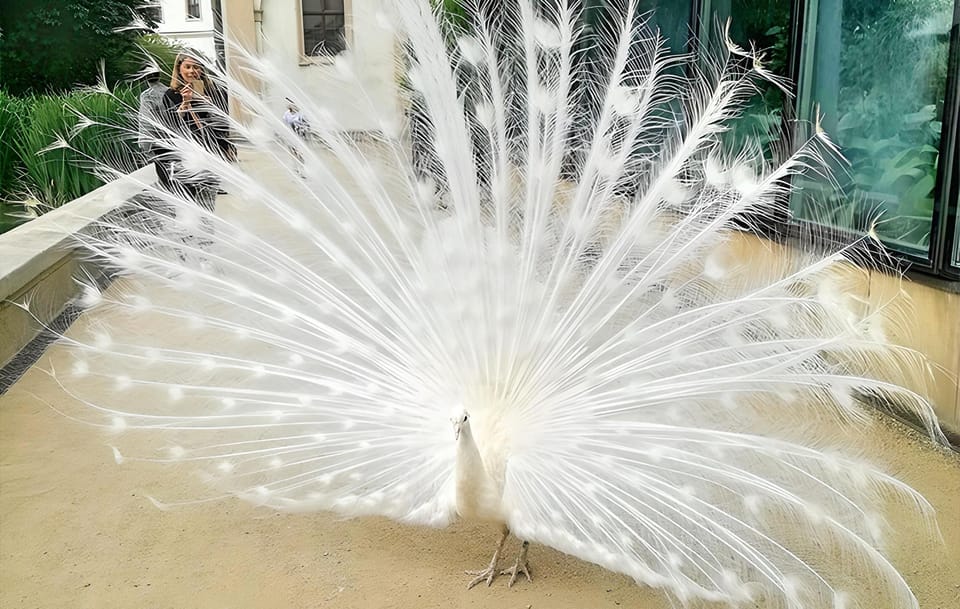
One of my favorite parts of garden tours is when the movement itself makes sense. Here, you pass the stag moat and then cross through the castle courtyard before descending the Bull Stairs to the South Gardens.
This isn’t just a stair workout; it’s a transition in mood and design. You move from the castle’s more controlled atmosphere into a series of terraced areas below, where the landscaping starts doing more than look good—it guides your eye and creates a sequence of reveals.
Along the way, you’ll explore the Garden of Paradise and the Garden on the Bulwark. The names alone hint at the Baroque habit of turning landscapes into “scenes.” As you walk, the guide connects the shift from Renaissance order to Baroque philosophy, helping you notice how the design language changes—less about calm symmetry, more about effect and storytelling.
Wallenstein Garden: albino peacocks and mythical fountains
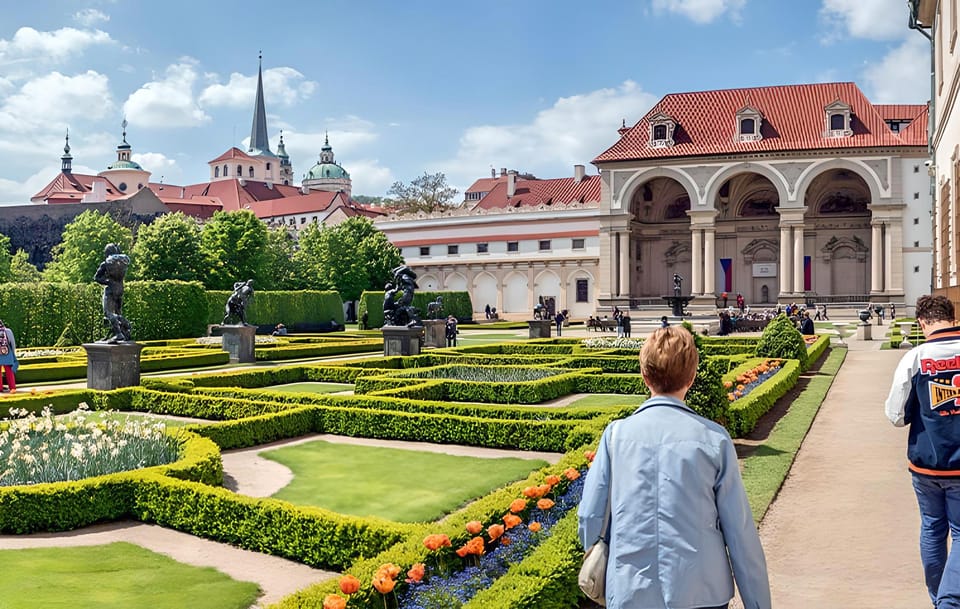
Then you arrive at Wallenstein Garden, and it’s the kind of place that makes a garden tour feel worth it. This is where you get the highlights in one dramatic package: albino peacocks, Mannerist statues, a grotto wall, and mythical fountains.
The albino peacocks are the headline, but they’re not the whole point. The guide frames what you’re seeing through the story of the commissioner, Albrecht von Wallenstein. Understanding who funded and shaped the garden changes how you read it. Suddenly the statues and fountain drama aren’t just decorative. They become part of a message—power expressed through curated nature.
You also get a clearer sense of the Renaissance-to-Baroque transition. Renaissance gardens can feel like controlled logic: proportion, order, and elegant restraint. Baroque gardens often feel like controlled surprise: surprises around corners, theatrical water features, and bold visual contrasts. Wallenstein Garden gives you plenty to compare without needing any extra imagination.
Vrtba Garden (1720) in Lesser Town: the Baroque walled-world you’ll remember
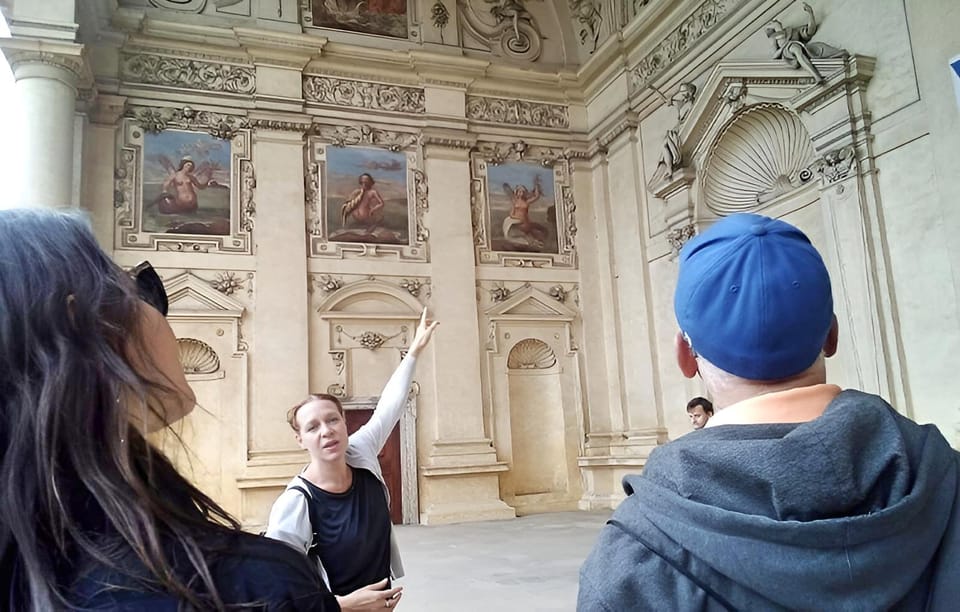
The tour ends with Vrtba Garden, a walled Baroque garden dating from 1720, located in Mala Strana (Lesser Town). It’s the kind of place that feels made for slow attention, not quick photos.
The guide explains why this garden is special: it’s rarely seen in the wider Prague flow of sights, yet it offers a unique look at noble life in the 18th century and the aesthetics of Baroque landscaping. In other words, it’s a garden that feels like a “world of its own,” protected by walls and shaped by rules of taste.
When you climb up to the very top courtyard, you’re rewarded with a marine-themed grotto. And then, as you take in the surroundings, you get stunning vistas of Prague’s cityscape. That view matters because it ties the garden back to the real geography of the city—Prague’s hills and layered urban texture.
One more practical point: the Vrtba Garden admission fee isn’t included, so you should plan for that extra ticket when you’re deciding whether to go.
Price and value: what $123 is really paying for
At $123 per person for a 3-hour guided history walk, you’re not just paying for “being in gardens.” You’re paying for interpretation—how to connect Ferdinand I’s Italian influence, the Mediterranean plant experiment, diplomatic trade stories like tulips, and the broader Renaissance-to-Baroque shift.
The tour includes:
- a 3-hour guided history walk
- an English historian guide
What’s not included:
- gardens under Prague Castle admission fee
- Vrtba Garden admission fee
So the value is best when you want the meaning behind what you’re seeing. If you love self-guided garden wandering with a map and guidebook, you might be able to DIY this. But if you want the garden design explained in a clear, human way, this price starts to make sense quickly—especially because you’re covering multiple major garden spaces in one outing.
Who should book this Prague gardens walk?
This tour is a strong fit if you:
- enjoy architecture and garden design history rather than only taking photos
- like seeing how politics and culture show up in everyday places
- want a structured 3-hour route instead of piecing together castle grounds on your own
- appreciate sensory details like water sound effects (hello, Singing Fountain)
It may be less ideal if you:
- struggle with stairs or long uphill/downhill walking
- prefer fully flat routes
- want a garden visit without any guided context
If stairs are a concern, take the private or small-group route approach. It’s the simplest way to keep the pacing comfortable.
Should you book this Prague Renaissance and Baroque Gardens Walking Tour?
I’d book it if you want Prague’s garden history explained in a way that makes the landscapes feel purposeful. The strongest reason to go is the combination: major Castle-area Renaissance highlights plus the dramatic Wallenstein Garden experience, and then the quieter 1720 Vrtba Garden payoff with city views.
If you’re comfortable with stairs and want real context—not just sights—this is a smart way to spend 3 hours. If stairs are a potential problem, plan to go private so the guide can tailor the route and keep you from feeling rushed or blocked by steep steps.
FAQ
Where is the meeting point?
Meet at the door of Bagel Lounge Malostranska.
How long is the tour?
It lasts about 3 hours.
What language is the guide?
The live guide provides the tour in English.
How much does the tour cost?
The price is $123 per person.
Is this tour private or small-group?
It offers private or small groups.
What’s included in the price?
You get a 3-hour guided history walk with a historian guide.
Are Prague Castle gardens admission fees included?
No. Gardens under Prague Castle admission fee are not included.
Is Vrtba Garden admission included?
No. Vrtba Garden admission fee is not included.
Is the tour wheelchair-friendly?
The tour includes walking up and down stairs that may be narrow or steep. If you anticipate difficulties, a private tour may let the guide tailor the route to your limits and rhythm.
What are the cancellation terms?
Free cancellation is available up to 24 hours in advance for a full refund.