REVIEW · PRAGUE
Prague: Old, New, and Jewish Towns Guided Walking Tour
Book on GetYourGuide →Operated by Spectrum Tours · Bookable on GetYourGuide
Prague’s layers make sense quickly. This 3-hour walk ties together Old Town, New Town, and the Jewish Town with a local, licensed guide who points out monuments that have survived for centuries and some quieter historical streets along the way. You start right in the center, at Česká Národní Banka, then move through the city in a way that feels more like understanding Prague than just checking boxes.
I especially like the balance between major sights and off-the-beaten-track lanes. And I like that the guide answers questions beyond history, touching on culture, politics, and everyday life in today’s Czech Republic. One possible drawback: the pace can feel fast at times, so if you prefer slower speech, stand where you can hear clearly and ask for repeat explanations.
In This Review
- Key highlights at a glance
- Why this Prague route works in 3 hours
- Meeting at Česká Národní Banka: easy to find, right in the action
- Old Town: monuments that survived centuries, and what that really means
- New Town: understanding Prague’s later chapter without getting lost
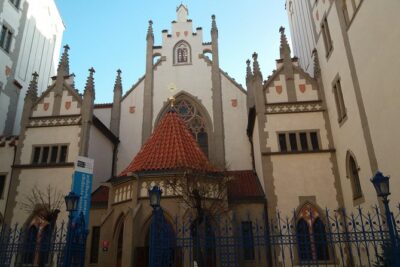
- Jewish Town: a focused look at community history in the city center
- Hidden lanes inside the historical centre: why the route feels better than a checklist
- The guide style: friendly, multilingual, and built for questions
- Price and value: what $56 buys you for a 3-hour walk
- Who should book this tour, and who might want a different plan
- Should you book Prague: Old, New, and Jewish Towns Guided Walking Tour?
- FAQ
- How long is the Prague Old, New, and Jewish Towns walking tour?
- Where do I meet the guide?
- Is the tour offered in multiple languages?
- Is hotel pickup included?
- Can the guide meet guests staying in an Airbnb or similar accommodation?
- Is the tour wheelchair accessible?
- What should I bring?
Key highlights at a glance
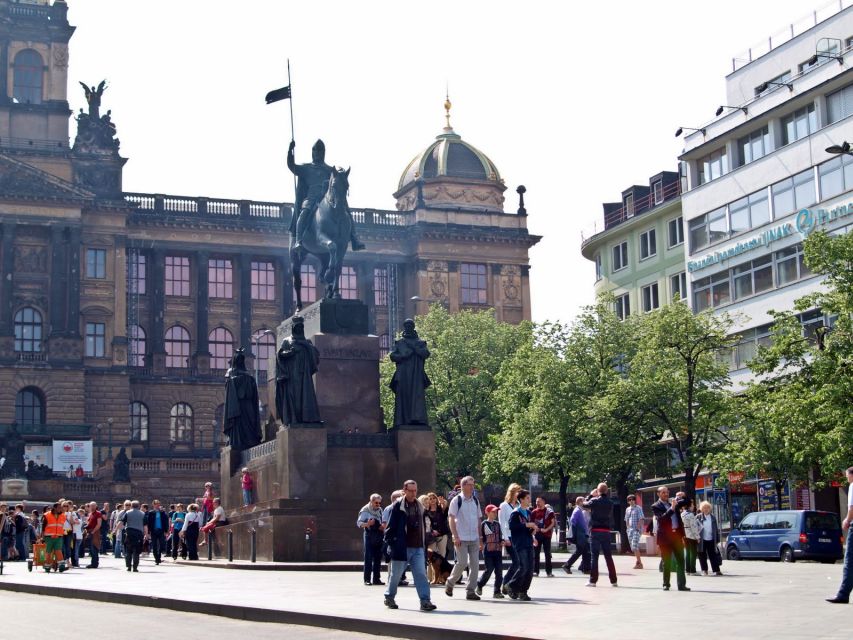
- Three-part route (Old Town, New Town, Jewish Town) with connected storytelling
- Hidden streets inside the historical centre, not only the postcard stops
- Centuries-old monuments and what they mean in Czech national history
- Licensed local guide who is friendly and ready for questions
- Czech, German, and English live guiding for real-time Q&A
- 3 hours that’s long enough to get context, short enough to keep your day flexible
Why this Prague route works in 3 hours
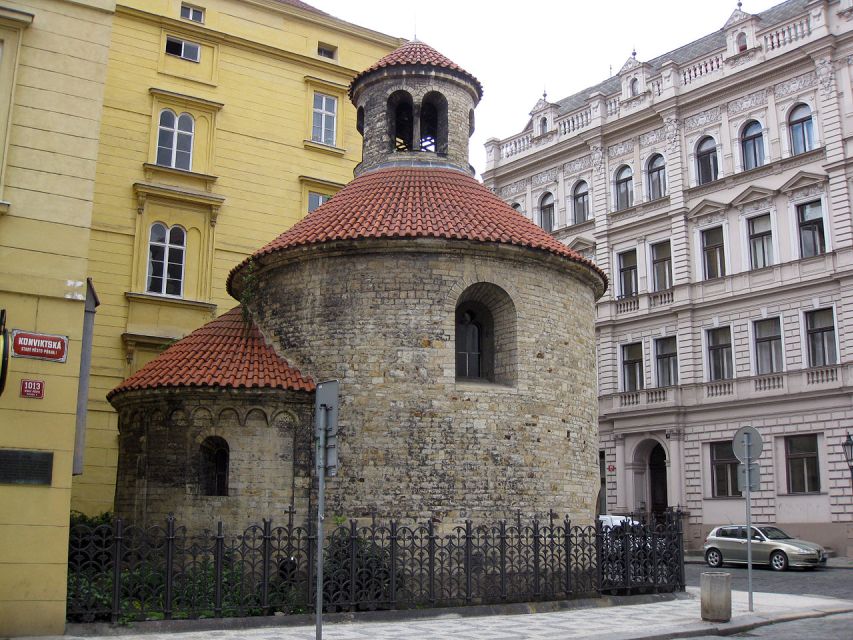
If you only have a half day in Prague, this is a smart way to get oriented. I like tours that help you understand how the city grew, because Prague can look like a single “pretty old place” until someone connects the dots. Here, the dots are Czech history across time, with the city’s Old, New, and Jewish Town areas used like chapters.
The biggest value is that you’re not just walking through three neighborhoods. You’re walking through changing ideas, power shifts, and the way different communities shaped the city. The tour promises a very long and thrilling national story, and that’s exactly what makes the route worth your time. Instead of memorizing dates, you start seeing patterns.
Also, this style of guided walk tends to work better than self-guided wandering on your first visit. You get the “why” behind what you’re seeing, and you avoid the common trap of taking photos without understanding the setting.
You can also read our reviews of more walking tours in Prague


Meeting at Česká Národní Banka: easy to find, right in the action
The meeting point is direct and central: in front of the entrance doors to Česká Národní Banka (Czech National Bank). The guide holds a paper with Spectrum Tours written on it, so you shouldn’t have trouble matching up with your group.
A practical thing I appreciate is that the start location is already a landmark. You don’t need to solve a puzzle of meeting points across side streets. From there, the tour uses walking time to move through the historic center in a logical flow—Old Town first, then New Town, then the Jewish Town focus.
If you’re worried about timing, this is a 3-hour experience. That matters in Prague, where you can easily lose an hour to tram transfers or wrong turns. Here, you’re given a defined window, so you can plan lunch afterward or keep the evening open.
One more logistics note: the tour is listed as wheelchair accessible, and there’s private group availability. That can affect pace and comfort level, so it’s worth choosing the version that fits how you like to travel.
Old Town: monuments that survived centuries, and what that really means
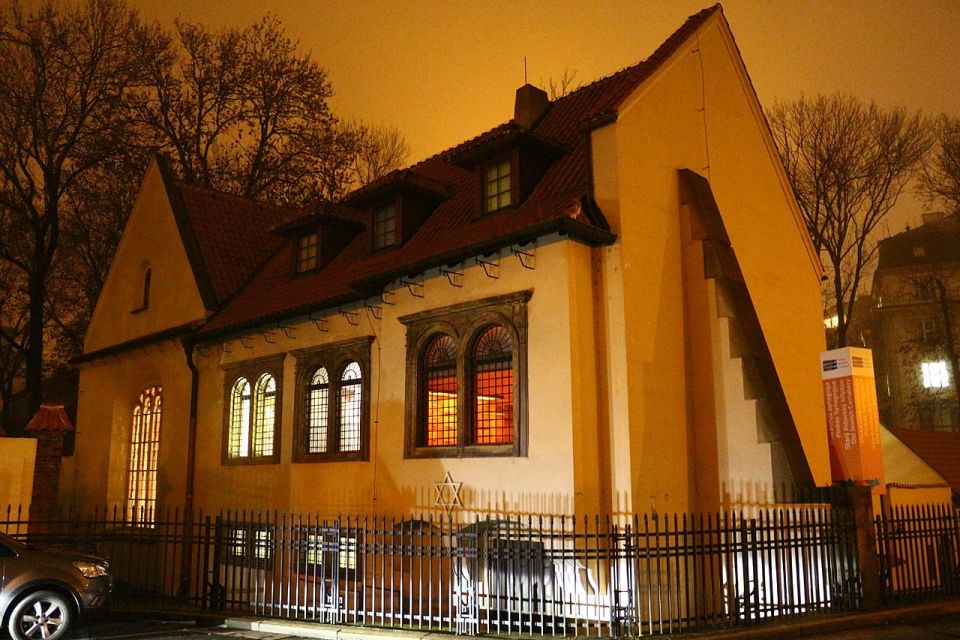
The tour’s “Old Town” part is where you get the sense of permanence. The focus is on monuments that have survived centuries, which is more than a trivia fact. When you’re standing near older structures, you’re seeing evidence of continuity—along with the layers of change that happened around them.
I like how this kind of stop usually gets interpreted by a good guide. Instead of just naming buildings, a strong narrative explains why those places mattered to the Czech nation and its identity. This tour explicitly leans into long national history, so you should expect explanations that connect architecture, civic life, and historical events.
What makes this section especially useful for first-timers is that the guide doesn’t limit you to the most famous corners. The tour is described as covering not only major sights but also less frequented lanes and streets. That’s where Prague often changes character: the noise drops a notch, the street scale feels more human, and you start noticing details you would normally miss while chasing the biggest attractions.
Potential drawback in the Old Town segment: because it’s central and historical, crowds can still happen around popular monuments. If you want more calm time, lean into the guide’s detours into quieter streets and be willing to let the main-photo spots wait.
New Town: understanding Prague’s later chapter without getting lost
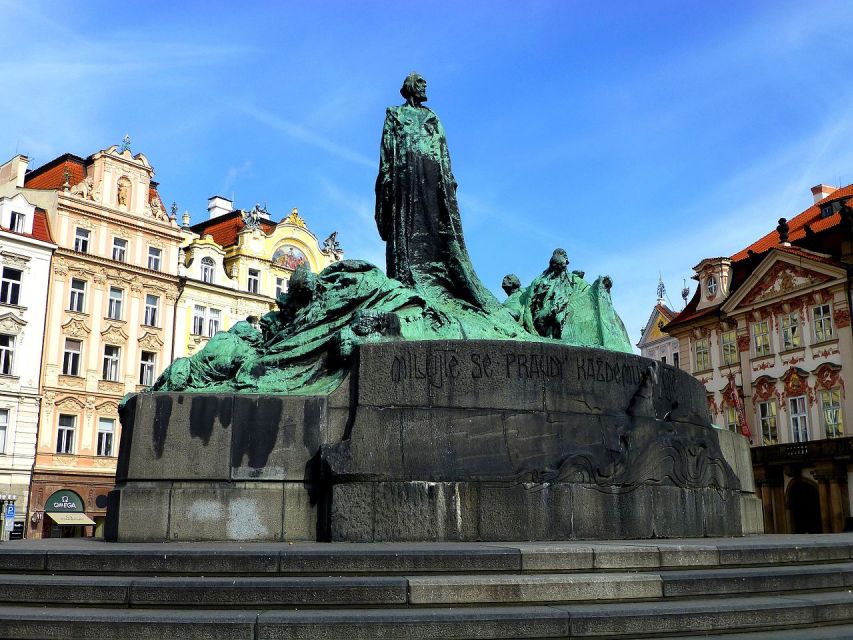
After Old Town, the “New Town” portion gives you contrast. I find that Prague’s story becomes clearer when you shift from the earliest civic core toward areas that reflect later growth and changing priorities. The tour is built around this shift, which helps you avoid the common confusion where everything feels “old” and you can’t place the timeline.
Even without knowing every building in advance, you can follow the thread because the guide is there to connect what you see to Czech history. The description highlights that the guide can answer questions about present-day culture and politics too. That matters because New Town is often the part of Prague where modern life feels closer to the historic fabric.
Another reason this segment is valuable is that walking tours sometimes treat “major sights” as if they’re the whole point. Here, the promise includes more than the headline monuments. So while you’ll likely pass recognizable landmarks, you should also get explanations and smaller street-level moments that help you understand the city’s development.
One tip for you: ask at least one question in this middle section. Guides tend to use their strongest storytelling voice when the group is actively listening and curious. If the guide is conversational (and the reviews point to a friendly, humor-including style), you’ll get more out of New Town than just transit between the next stops.
Jewish Town: a focused look at community history in the city center
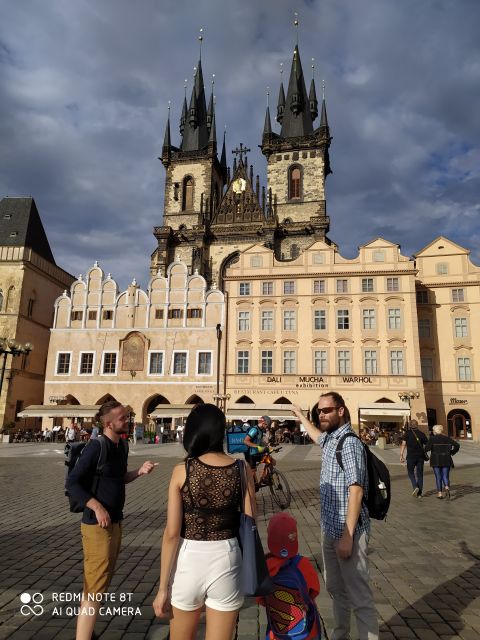
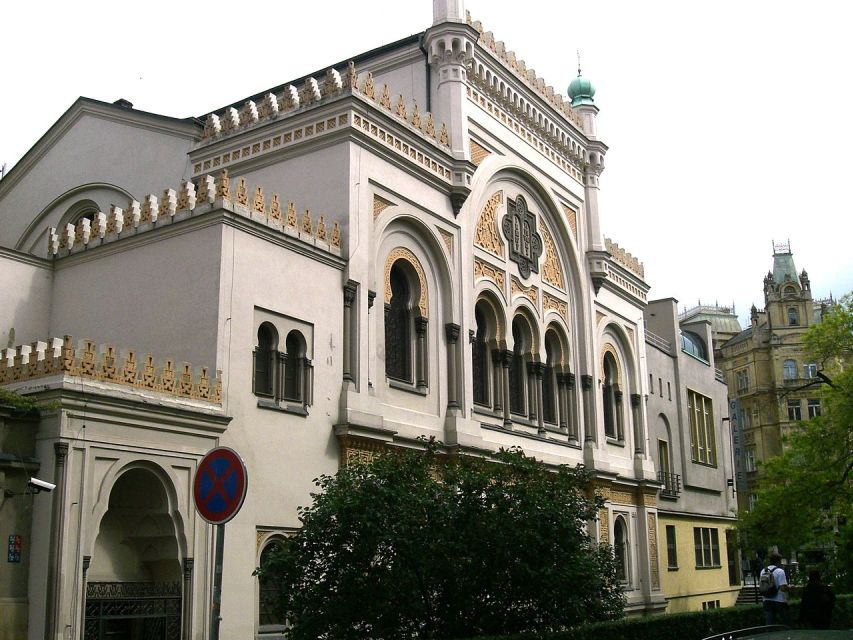
The “Jewish Town” part is where Prague’s history expands beyond political dynasties and official monuments. It’s about community life and how that life shaped the broader city. Even if you already know Prague is historically important for Jewish culture, the value of a guided walk is how the story is placed into the streets around you.
This tour positions the Jewish Town section within the larger national story, not as an isolated add-on. That’s a good approach, because it keeps you from treating Jewish history as a separate “museum lane.” Instead, you’re encouraged to see how Czech history and Prague’s urban identity connect.
What you’ll likely experience here is more emphasis on meaning than spectacle—less “look at this façade” and more “understand what this area represents.” The tour description also says the guides can answer questions about present-day culture and economics as well as history. That can make the Jewish Town segment feel grounded, not purely historical.
A practical consideration: this portion may feel emotionally heavier for some people simply because of how urban history can carry complex memories. Pace and respectful listening matter. If you tend to process slowly, this is one of the sections where you might want to stay alert to the guide’s context and not rush ahead for photos.
You can also read our reviews of more guided tours in Prague

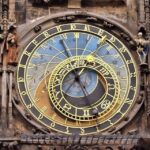


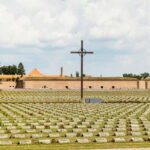
Hidden lanes inside the historical centre: why the route feels better than a checklist
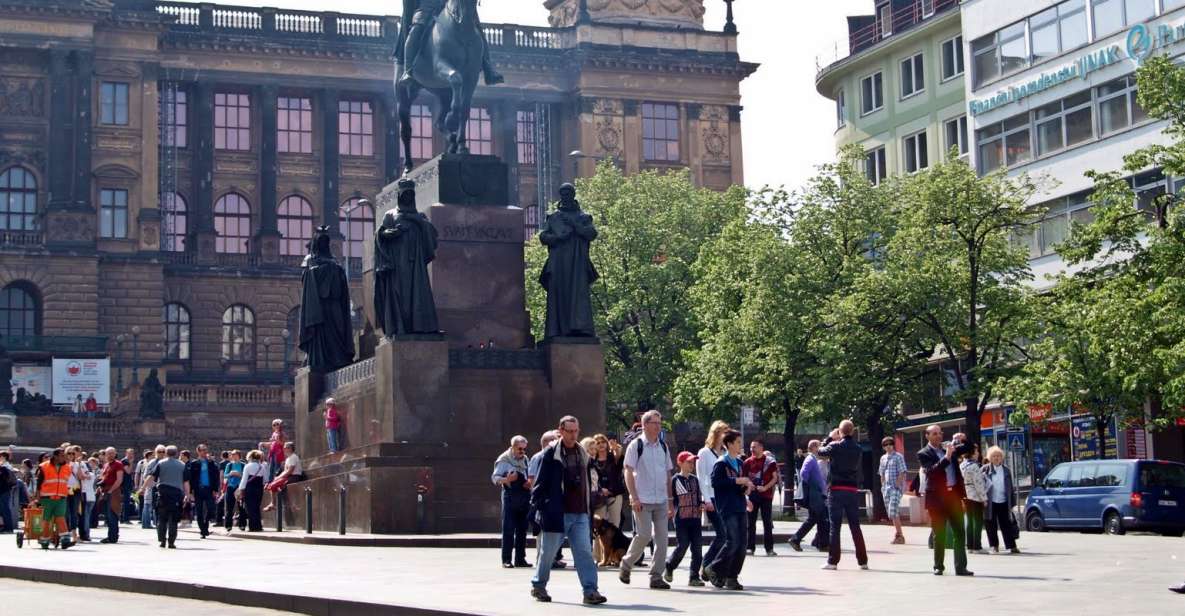
I’m a fan of walking tours that do two things at once: they show you the “obvious” places, and they still earn your attention away from the crowds. This tour is designed for that. It’s described as covering hidden places within Prague’s historical centre and taking you along streets that are less frequented.
The best part about this for you is how it changes your perspective. Instead of Prague looking like a museum where every stop is a stage set, you start seeing the city’s rhythm: narrow passages, small squares, and corners where the scale feels different from the main thoroughfares. Even if you don’t know the street names, you start building a mental map.
The reviews back up this emphasis on lesser-known streets and lanes, with one account praising a guide who led along less frequented lanes and streets and brought knowledge with humor. Another review was less positive mainly due to the guide speaking too quickly and being harder to understand. That mix is realistic: walking tours depend on communication style as much as content.
So here’s my practical advice: position yourself where you can hear well, and don’t be shy about asking the guide to repeat or slow down. A good guide will often adjust when someone asks.
The guide style: friendly, multilingual, and built for questions
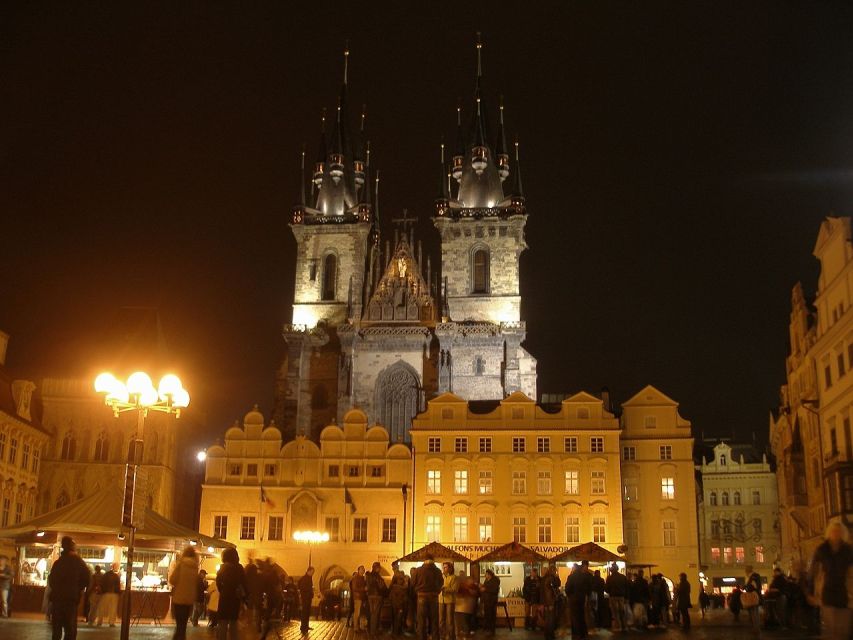
One of the strongest parts of this experience is the guide interaction. You’re getting a local Czech professional licensed guide. That’s not just a label; it typically means you’ll hear context that doesn’t fit into a brochure: how the city story fits Czech identity, plus answers about present-day culture, politics, and economics.
The tour runs with live guiding in Czech, German, or English. That matters because it affects how well you can follow the narrative in real time, especially when history gets layered. If English is your language, you’ll be able to ask follow-up questions during the walk rather than waiting until the end.
The tone is described as warm and friendly, with high-level knowledge. Reviews reflect this positively, including one that specifically calls out the guide’s sense of humor and the entertaining, information-packed nature of the tour. That kind of delivery helps you retain facts without making it feel like a lecture.
My only caution is the communication-speed issue that shows up in one review. If you’re sensitive to fast speech, pick a spot near the front and keep your questions short. If you get lost, it’s better to interrupt early than to wait and hope it clicks later.
Price and value: what $56 buys you for a 3-hour walk
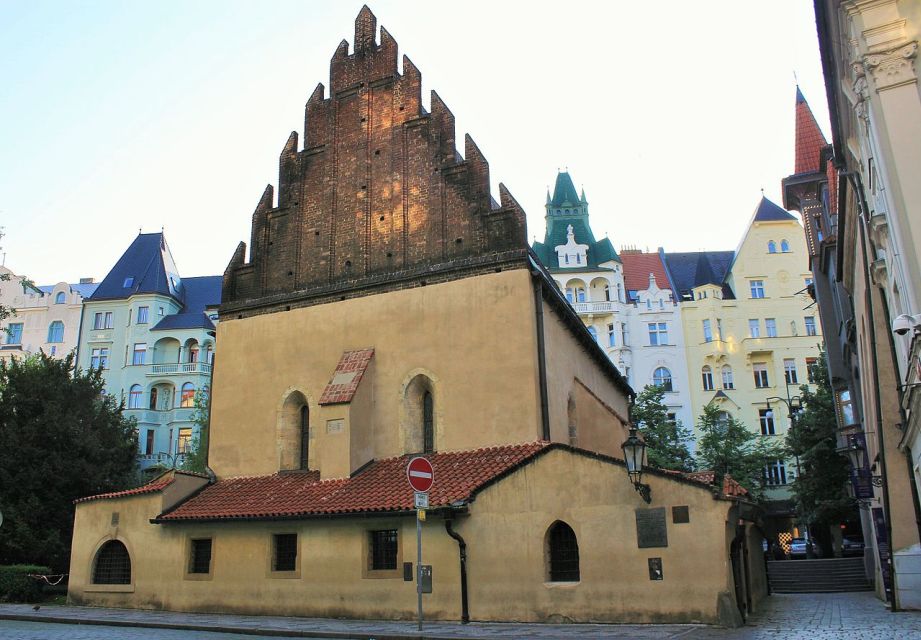
At $56 per person for 3 hours, this is priced in the range of a serious guided city experience—especially because it includes a local licensed guide and live interpretation (Czech/German/English). You’re paying for more than movement through a city. You’re paying for a structured way to learn the story of Prague and Czech history in one sitting.
Here’s how I think about value with tours like this:
- You’re getting a guided overview that can save you hours of research on your own.
- The route includes major areas (Old Town, New Town, Jewish Town) plus quieter streets, which can be hard to find without local knowledge.
- The guide’s willingness to answer questions about present-day life can make the walk feel relevant, not just historical.
If your goal is simply to take photos at the biggest sights, a self-guided stroll could cost less. But if you want the context—and you like learning while walking—this price feels reasonable for what’s included.
Who should book this tour, and who might want a different plan
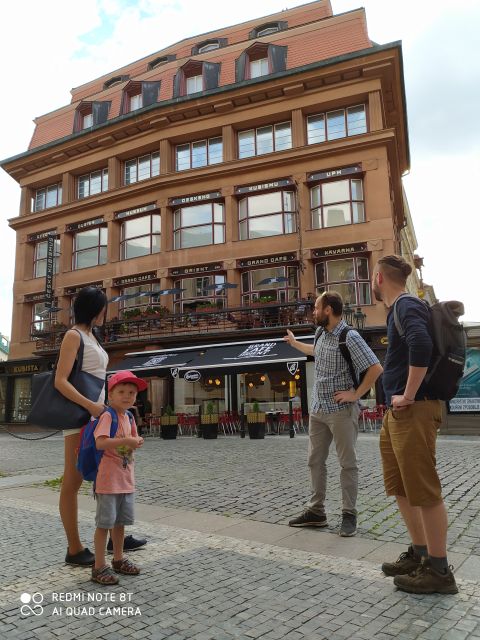
This tour is a great fit if:
- You’re visiting Prague for the first time and want quick orientation through multiple historic districts.
- You like history that connects places to stories, not just dates.
- You want a guide who can explain both past and present, including culture and politics.
It might be less ideal if:
- You strongly prefer slow-paced explanations and are sensitive to faster speaking styles.
- You already know a lot about Prague’s history and want deeper, highly specialized subject matter. This tour seems designed as an introduction and inspiration for further exploration, not as an intensive academic seminar.
If you’re traveling with limited time, 3 hours is also a sweet spot. You’ll finish with enough context to explore on your own, especially if you keep asking questions during the walk.
Should you book Prague: Old, New, and Jewish Towns Guided Walking Tour?
I’d book it if you want a structured, friendly, central walk that helps you understand Prague’s layers fast. The tour’s strengths are clear: licensed local guiding, a blend of major sights with quiet lanes, and a story that connects Old Town, New Town, and the Jewish Town to Czech national history.
The only real risk is communication style. If you know you struggle with fast-paced narration, choose the front area and use your voice early: ask the guide to repeat or slow down. With that small strategy, the tour’s format should work well.
FAQ
How long is the Prague Old, New, and Jewish Towns walking tour?
It lasts 3 hours.
Where do I meet the guide?
Meet directly in front of the entrance doors to Česká Národní Banka (Czech National Bank). The guide will be holding a paper with Spectrum Tours written on it.
Is the tour offered in multiple languages?
Yes. The live guide offers Czech, German, and English.
Is hotel pickup included?
Hotel pick-up is included for the private version of the tour. Pickup is optional, and the guide can meet you at your hotel reception desk if you request it.
Can the guide meet guests staying in an Airbnb or similar accommodation?
Yes. For Airbnb-type stays, the guide meets outside (at the building entrance) at the designated address, holding a paper with Spectrum Tours written on it.
Is the tour wheelchair accessible?
Yes, it is listed as wheelchair accessible.
What should I bring?
Bring a passport or ID card.