REVIEW · PRAGUE
Prague Art Nouveau and Cubism Walking Tour
Book on GetYourGuide →Operated by insightcities.com · Bookable on GetYourGuide
Prague has a secret style tour. This 3-hour Art Nouveau and Cubism walking tour turns Prague’s architecture into something you can actually spot on your own, from ginkgo-leaf façades to the glow of Art Nouveau interiors. I particularly like how it trains your eye with clear design cues, instead of treating buildings like untouchable museum pieces.
Another strong point: the route centers on places where the city’s late-19th and early-20th century social life happened—cafés, restaurants, hotels, and train-station style grandeur. You’ll get inside the atmosphere at the Lucerna bar and the elegant Grand Hotel Europa, not just look at their exteriors. One consideration: the pace is brisk, so if you want to linger for photos at every façade, you’ll need to pace yourself and accept that the guide keeps you moving.
You start at the House of the Black Madonna / Grand Café Orient area (Ovocný 19, Prague 1), and the guide you get is an expert—some are professors, doctoral students, historians, journalists, and art critics—so expect clear explanations in English and a talk that stays focused on what you’re seeing.
In This Review
- Key Highlights You’ll Notice Right Away
- Art Nouveau Meets Cubism: Why This Mix Works in Prague
- Starting at Ovocný 19: Your “Before You Walk” Architecture Checklist
- Spotting Art Nouveau Details: From Ginkgo Leaves to “Why This Looks Different”
- Lucerna Bar: Design That Still Feels Like a Place People Used
- Grand Hotel Europa: The Art Nouveau Hotel World and the Social Elite
- Where Cubism Fits: Bank of the Legions and the House of the Black Madonna
- The Guide Factor: Expert Credentials and Clear, Humorous Explanations
- Pace, Comfort, and Photo Expectations in 3 Hours
- Price and Value: Why $123 Can Make Sense Here
- Who This Tour Suits Best (and Who Might Want Something Else)
- Should You Book This Prague Art Nouveau and Cubism Walking Tour?
- FAQ
- Where does the tour meet?
- How long is the walk?
- Is the tour guided in English?
- Does the tour include any indoor stops?
- Are private or small groups available?
- What is included in the price?
Key Highlights You’ll Notice Right Away
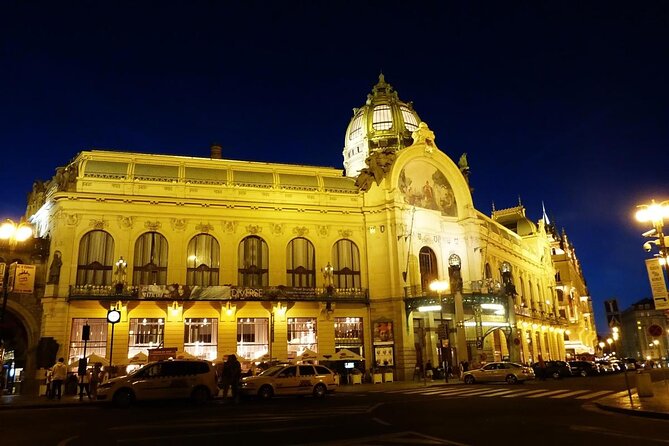
- Art Nouveau design clues you can spot fast: ginkgo biloba leaves, oriental influences, and distinctive lighting inside
- Real social history built into the buildings: cafés, restaurants, and hotel culture tied to pre-war elite life
- Two major interior stops: the Lucerna bar and the Grand Hotel Europa
- Cubist context without the confusion: parallels between Art Nouveau and Rondo-Cubist ideas
- Stops that include famous anchors: the House of the Black Madonna and the Bank of the Legions
- Expert storytelling on your route: guides with academic and professional backgrounds, and clear, humorous answers to questions
Art Nouveau Meets Cubism: Why This Mix Works in Prague
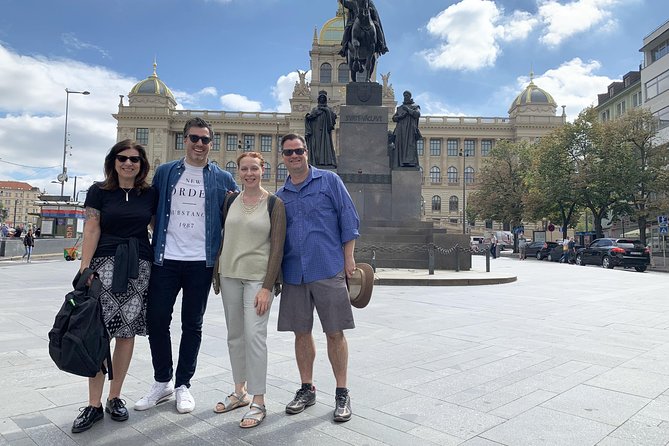
Prague didn’t just “collect” styles. It switched gears. In the late 1800s and early 1900s, Art Nouveau spread across Europe as a kind of modern design language—organic shapes, curving lines, botanical motifs, and decorative craft. Prague adopted it with energy, and you can still see that confidence on façades and inside public spaces.
Then you hit the next wave: Cubism and Rondo-Cubism, which took that same modern mood and applied it to form—angular thinking, stylized geometry, and a bold sense of identity. This tour’s best move is its insistence on connection. Instead of treating Art Nouveau and Cubism like separate school units, you’ll see how Prague’s modern sophistication kept evolving in the same city blocks.
The result for you: you stop walking through Prague like a postcard collector and start walking like an observer. You’ll learn a vocabulary—so the city starts speaking back.
You can also read our reviews of more walking tours in Prague

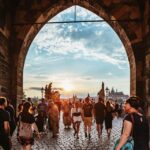

Starting at Ovocný 19: Your “Before You Walk” Architecture Checklist
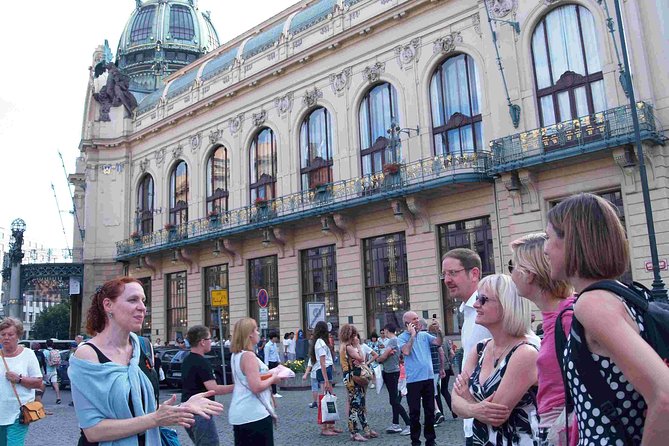
The meeting point is at the House of the Black Madonna / Grand Café Orient area, at Ovocný 19 in Prague 1, right by the front doors on the square. Standing here matters because it roots the tour in a landmark zone, not a distant bus stop.
Before the route moves, you’ll get set up to look outward and inward. The guide’s focus is practical: how to recognize Art Nouveau features on façades, and then how those same design impulses show up in interiors like bars, hotels, and stations. If you’ve ever felt lost in architecture tours—this one is built to prevent that.
Tip for you: bring your phone camera, but don’t only shoot façades. Art Nouveau is often best understood through details—railings, light fixtures, and carved or shaped ornament. You’ll want to train your eyes for those, too.
Spotting Art Nouveau Details: From Ginkgo Leaves to “Why This Looks Different”
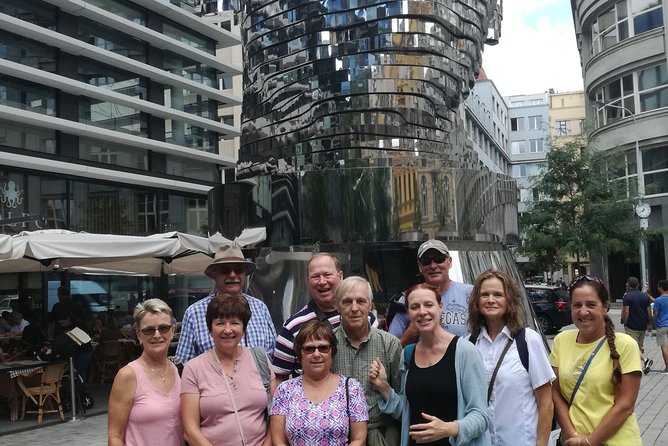
Art Nouveau isn’t just pretty decoration. It’s a system of signals, and this tour teaches you how to read them. You’ll learn to recognize botanical motifs such as the ginkgo biloba leaves used on Prague façades. These aren’t random: they reflect the era’s taste for nature-as-design.
You’ll also hear about the style’s wider European context. Art Nouveau absorbed oriental influences, which shows up in patterns and visual rhythm rather than literal copies. And in interiors, you’ll notice how lighting plays a starring role. The tour highlights the elaborate light fixtures that help define the atmosphere of Art Nouveau spaces.
Here’s what that means for you in real life: once the guide points these out, Prague’s Art Nouveau stops feeling like a blur. You’ll start spotting details even between tour stops. That’s the value you carry home.
Lucerna Bar: Design That Still Feels Like a Place People Used
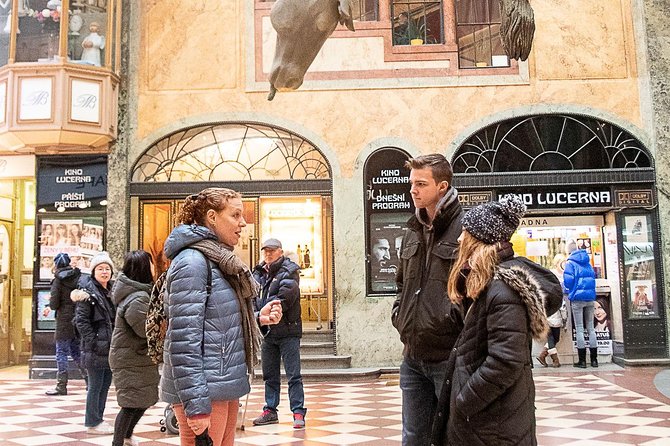
One of the tour’s headline stops is the Lucerna bar. This matters because it’s not just an exterior style lesson. You get to experience Art Nouveau as a lived-in environment.
The guide frames places like Lucerna and similar venues for a reason: Art Nouveau often shows up most confidently in public interiors. Hotels, bars, restaurants, and major transport buildings were where people gathered. That’s why the tour connects the design to the social world behind it—pre-war visitors, the café-and-restaurant crowd, and travelers enjoying the fruits of industrial-era progress before Europe’s big disruptions.
Practical take: if you’re someone who likes architecture but worries you’ll freeze outside, you’re in luck. The tour is designed to include time indoors when possible, so you can warm up and study details without treating the whole experience like endurance walking.
Grand Hotel Europa: The Art Nouveau Hotel World and the Social Elite
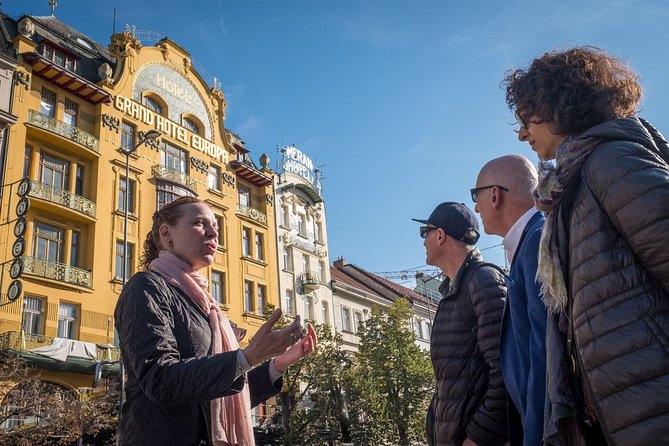
Another key interior stop is the Grand Hotel Europa, described as elegant and closely tied to the style’s prime real estate. Hotels are often where Art Nouveau shines, because they needed to feel modern, flattering, and impressive—especially to visitors arriving from elsewhere.
The tour uses that logic to explain a bigger idea: why the city’s most ornate design shows up in the places that hosted status, conversation, and arrival-and-departure energy. These weren’t plain buildings. They were designed to impress, and they also acted like cultural stages.
You’ll hear the story of the pre-war social elite who frequented cafés and restaurants. Even if you only know Prague as a medieval fairy-tale city, this adds a second layer: a version of Prague that was self-consciously modern in the early 20th century. That’s when the city started projecting sophistication on purpose.
If you love architecture, don’t skip this stop thinking it’s just another hotel lobby. The point is the design language you learn along the way—so you can recognize it and understand it, not just admire it.
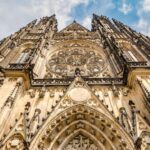

Where Cubism Fits: Bank of the Legions and the House of the Black Madonna
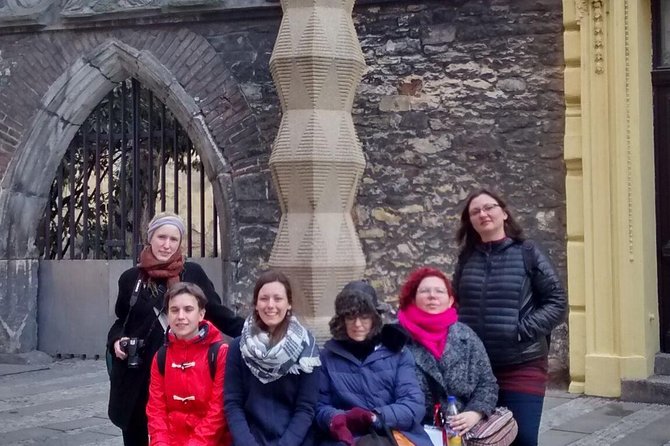
The tour doesn’t stop at Art Nouveau. It keeps drawing parallels so you understand how Prague’s modern identity reshaped itself. You’ll compare Art Nouveau and Cubist approaches as statements of sophistication and national self-confidence.
Two architectural anchors come up clearly: the House of the Black Madonna and the Bank of the Legions. You’ll also see how Rondo-Cubist ideas connect to the broader shift in style during that same modern period.
What I like about this approach for you: it prevents the common “style confusion” problem. Many architecture tours show differences but don’t explain meaning. Here, meaning is the link. Cubism in Prague isn’t just geometry—it’s tied to how people wanted the city to look and what they wanted it to say about itself.
If you’re curious about Prague as a living culture (not just a heritage site), this is where it starts to click.
The Guide Factor: Expert Credentials and Clear, Humorous Explanations
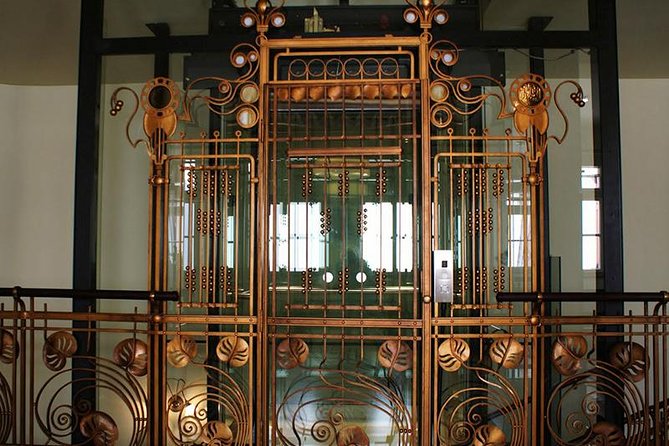
This tour leans heavily on the guide’s ability to make design intelligible. You’re not just walking from one pretty façade to the next. You’re learning a way of seeing.
The guides are described as experts across fields—professors, doctoral students, historians, journalists, art critics, and published authors. In the guide stories shared from past groups, names like Robert, Vadim, and Bonita show up as examples of experts leading the route. Across those different guides, the common thread is the ability to keep the tour understandable and engaging, with humor and answers that actually help.
You’ll also notice the pace is intentional. One part of the tour’s charm is that you typically won’t spend the whole time frozen in one spot. You keep moving, and you stop to examine what matters when it matters.
Pace, Comfort, and Photo Expectations in 3 Hours
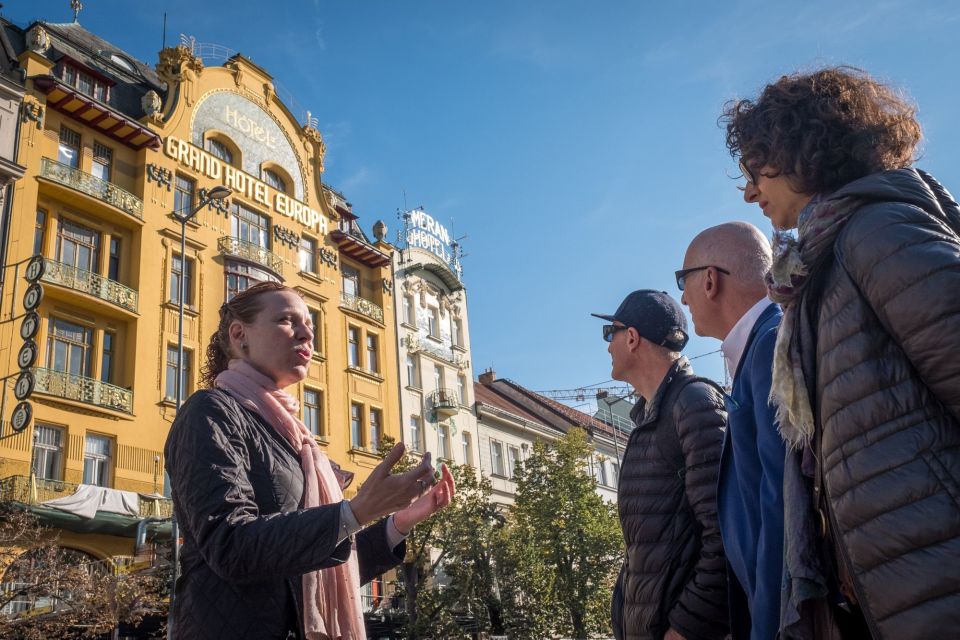
This is a 3-hour walking experience, so you’ll want to treat it like a focused sprint—not a leisurely stroll. The route is set up to keep momentum, with stops that let you study façades and interiors without turning the day into an all-day marathon.
If you’re the type who likes photos, plan quick shots during stop-and-look moments. The tour is structured so you’ll have chances to capture details, but you shouldn’t expect long, slow photo sessions at every stop. If you want one extra moment for a specific detail, ask the guide right then. The good ones know when to give you that breathing room.
Comfort note: groups sometimes benefit from built-in breaks for coffee and restrooms when needed, so you’re not trapped on a nonstop schedule. Still, wear shoes you can rely on. Prague’s center is pretty, but it’s not designed for delicate walking shoes.
Price and Value: Why $123 Can Make Sense Here
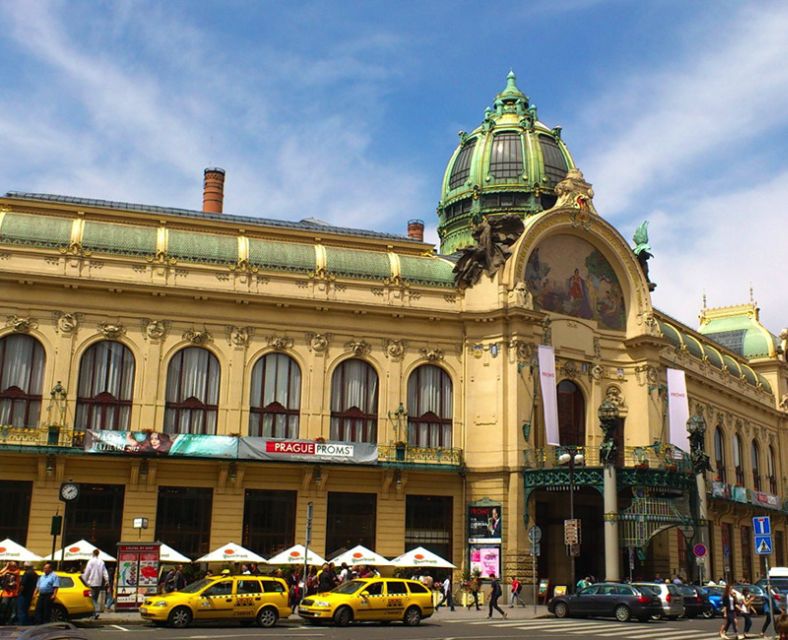
At $123 per person, you’re paying for an expert-led experience with more than basic exterior sightseeing. The value isn’t just that it’s guided. It’s that the guide helps you interpret details you’d otherwise miss—and the route includes interior stops like Lucerna bar and Grand Hotel Europa that go beyond a typical “look from the street” walk.
You’re also paying for structure: learning how to recognize Art Nouveau cues like ginkgo leaves and elaborate light fixtures, and then seeing how Cubism and Rondo-Cubism fit into the same modern story. That’s the difference between collecting photos and collecting understanding.
If you only have a short window in Prague and you care about architecture, this price can feel fair because it compresses a lot of learning into a tight timeframe. If you’re not interested in architectural details and motifs, you might prefer a more general highlights walk. This tour is for people who want the “how to see it” part.
Who This Tour Suits Best (and Who Might Want Something Else)
This experience is especially good if you:
- like learning to recognize design features instead of just admiring them
- care about how European styles evolved between the late 1800s and early 1900s
- want to see Art Nouveau in real settings like bars and hotels
- enjoy architecture storytelling with knowledgeable, professional guides
It may feel less ideal if you:
- want a slow stroll with lots of free wandering
- don’t enjoy focusing on details (like ornament and lighting)
- need long photo downtime at every stop rather than a guided rhythm
For couples, friends, and small groups, the format often works well because you can ask questions and keep the tour moving without getting lost in a huge crowd.
Should You Book This Prague Art Nouveau and Cubism Walking Tour?
Book it if you want Prague architecture to make sense. This tour teaches you how to spot Art Nouveau cues like ginkgo leaves and design influences, then ties that to Prague’s turn toward Cubism and Rondo-Cubism with clear examples like the House of the Black Madonna and the Bank of the Legions. Add interior time at Lucerna bar and Grand Hotel Europa, and you get a strong mix of atmosphere plus education.
Skip it only if you want something purely scenic and low-effort. The guide keeps you active, and the value is in the listening and the looking. If you’re willing to engage with what you see, you’ll walk away with a better eye and a more interesting Prague in your head.
FAQ
Where does the tour meet?
The meeting point is the House of the Black Madonna / Grand Café Orient, downstairs at the front doors on the square (Ovocný 19, Prague 1).
How long is the walk?
It lasts 3 hours.
Is the tour guided in English?
Yes, it’s a live guided tour in English.
Does the tour include any indoor stops?
Yes. The route includes visits to Lucerna bar and the Grand Hotel Europa, and the tour can include time inside for detailed looks and warming up.
Are private or small groups available?
Yes. Private or small groups are available.
What is included in the price?
The included item is the 3-hour guided walking tour.