REVIEW · PRAGUE
Grand Tour of Prague “among history, legends and curiosities” (NO ENGLISH)
Book on Viator →Operated by GUIDA di PRAGA · Bookable on Viator
Prague told like a story, not a lecture. What makes this Grand Tour special is the guide’s dialogue-style explanations, so you don’t just hear facts—you connect them to real places. I especially liked how the first stretch frames the 1900s with the Holocaust and the Prague Spring, and then keeps going into Jewish culture through rules and everyday life. The trade-off: you see major Jewish sites from the outside, and Prague Castle is only the free areas (with seasonal exceptions).
You also get a tight, human-sized group (up to 10) with private-tour attention, plus optional pickup and a mobile ticket. The walk is about 6 hours, starting at 9:30 am near Muzeum, and ending above Charles Bridge. If you want an efficient day that still feels personal, this format makes sense.
The route moves through both big landmarks and quieter corners. You’ll start with postcard Prague, then get historical weight in the middle of the city, and finish in small streets and viewpoints. Do note the experience depends on weather, and Prague involves real walking (including some hill energy toward the Castle area).
In This Review
- Key moments that make the tour feel different
- Entering Prague’s 1900s: the morning’s serious backbone
- Charles Bridge, Municipal House, and the Old Town Hall clock
- Prague Castle courtyards and St. Vitus free areas
- St. James, the Lennon Wall, and the story inside everyday corners
- Nerudova, Celetná, and Mala Strana’s hidden alleys
- Strahov Monastery Brewery: courtyard calm and a real panorama
- National Theater and the city’s cultural symbolism
- Jewish Museum and Spanish Synagogue exteriors: what you get, and what you don’t
- Knights of Malta to Charles Bridge: ending where you started
- Price and logistics: $234.61 per group for up to 10
- What to wear, how to pace yourself, and when to go
- Who this tour fits (and who might prefer something else)
- Should you book this Prague Grand Tour?
- FAQ
- How long is the Grand Tour of Prague?
- Is this a private tour?
- Where does the tour start and end?
- What time does the tour begin?
- Is pickup included?
- Do I need a tram ticket to reach Prague Castle?
- Are the synagogues and Jewish cemetery included inside?
- Will Prague Castle always be included?
- What happens if weather is bad?
Key moments that make the tour feel different
- 1900-focused story arc that connects major events like the Holocaust and the Prague Spring to what you see on the street
- Courtyards and galleries, so you’re not only stuck on the main avenues
- Prague Castle free-area highlights, including the first courtyards and the changing of the guard
- Jewish Quarter exteriors only, with context that prepares you before you go on your own later
- Strahov Monastery courtyard panorama, one of those stops that makes the day feel worth it
- A guide like Alessandro, praised for being prepared, attentive, and very helpful
Entering Prague’s 1900s: the morning’s serious backbone
This tour doesn’t treat Prague as just a pretty backdrop. In the first part of the day, you move through the city with a specific theme: what the 1900s did to this place—and how the city kept talking back through buildings, symbols, and public life.
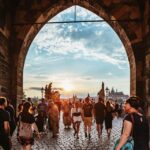
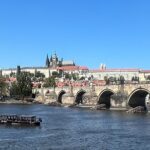
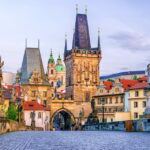
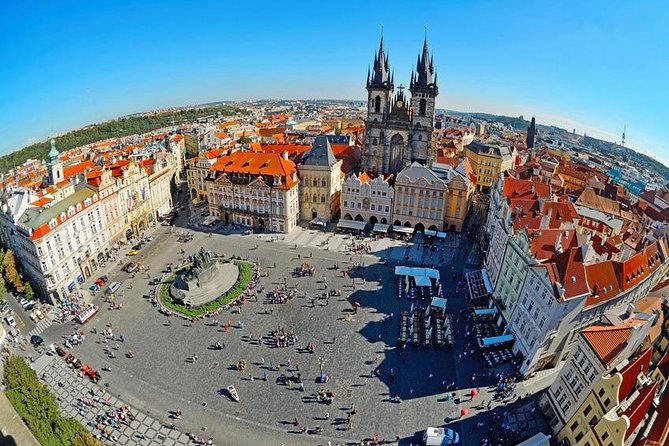
You start by crossing into the city’s most famous “stage set.” The walk begins on Charles Bridge, where you’ll get the basic geography fast—then the guide uses it to discuss how Prague’s identity got shaped by centuries of conflict and change. It’s not just a photo stop. Plan on around 20 minutes here, enough to orient yourself and understand why the bridge matters beyond views.
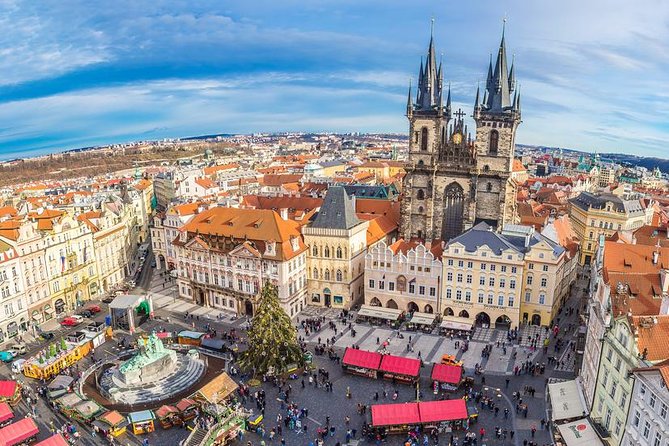
From there, you head toward the Republic Square area, taking in the surrounding buildings and the Powder Tower. This is one of those “big-city cues” moments: Prague’s central spaces look balanced and elegant now, but the tour helps you read them like a timeline. Around 20 minutes is a good chunk—long enough to notice details without turning the morning into a museum crawl.
Next comes the Municipal House area, where Art Nouveau becomes more than a style word. You get a quick look at why Prague’s grand civic buildings feel almost theatrical, and how artists and architects helped shape public memory. It’s only about 10 minutes, but it’s timed well: you’re already in history mode, so architecture clicks instead of feels like random sightseeing.
You can also read our reviews of more historical tours in Prague

Charles Bridge, Municipal House, and the Old Town Hall clock
The middle of the morning leans into Old Town’s most iconic features, with a focus on how history shows up in public landmarks.
You spend time at Vaclavske NamEsti (Wenceslas Square) for about 40 minutes. This is a major shift in tone. The guide connects the square from the St. Wenceslas area to communism and the Nazi period, including references to headquarters and the way power leaves its fingerprints on everyday streets. If you’re the type who likes history that has a location, this is where you’ll feel the tour working.
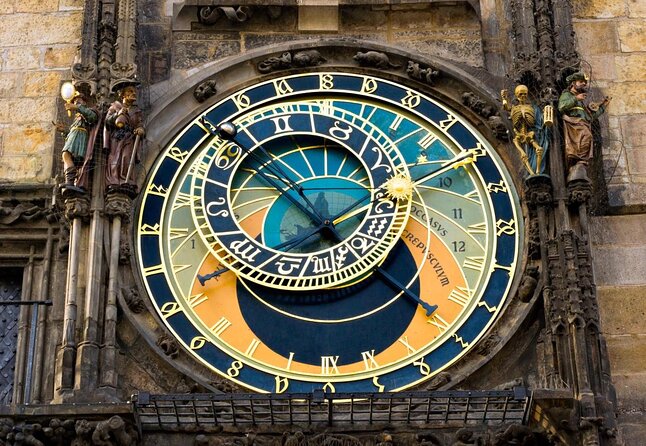
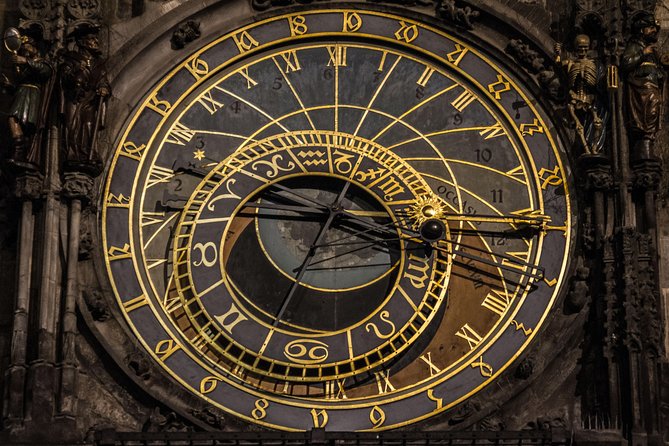
Then it’s back to a must-see: the Old Town Hall and the Astronomical Clock. You’ll have around 15 minutes, which means you get the essentials—what the clock is, and why it’s more than a gadget—without standing there for hours. Tip for your photo brain: arrive with lower expectations for crowd-control. Prague’s classics get crowded, but the guide’s timing helps you still experience the place.
From here, the tour keeps moving with a practical rhythm: big landmark, short explanation, quick window to look around, and then onward. That pacing matters on a 6-hour day. You don’t end up exhausted before the best bits.
Prague Castle courtyards and St. Vitus free areas
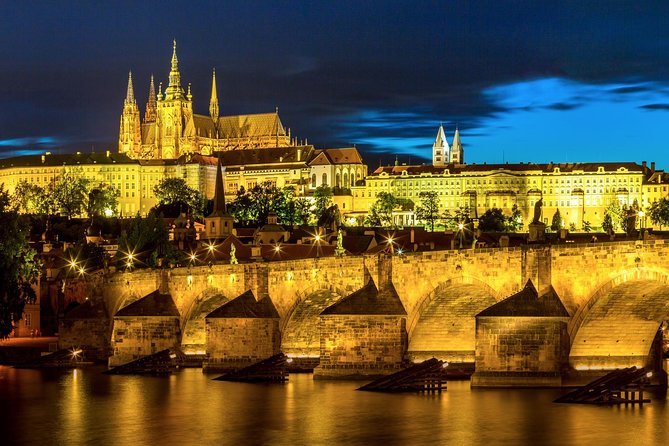
In the Castle section, you’re not rushing through like a conveyor belt. You’re there for key open-air and free-access moments that still give you the feel of royal Prague.
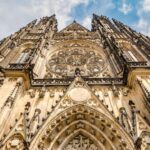
You visit Prague Castle, focusing on the first free part of St. Vitus Cathedral plus the first two courtyards. There’s also the changing of the guard, which gives the whole complex a live-energy moment—even if you’re just standing and watching for a few minutes. Expect about 30 minutes total.
A practical note: the tour says the tram ticket up the Castle hill is not included. That matters if you’re coming from lower areas and you don’t want to climb. You can walk, but for value and comfort, plan ahead for the approach.
Another thing to know: during Christmas and Easter periods, access to Prague Castle is not available (free). On those dates, the itinerary adjusts and includes other places. If your travel dates fall in those windows, double-check what the operator sends you at booking so you’re not surprised.
St. James, the Lennon Wall, and the story inside everyday corners
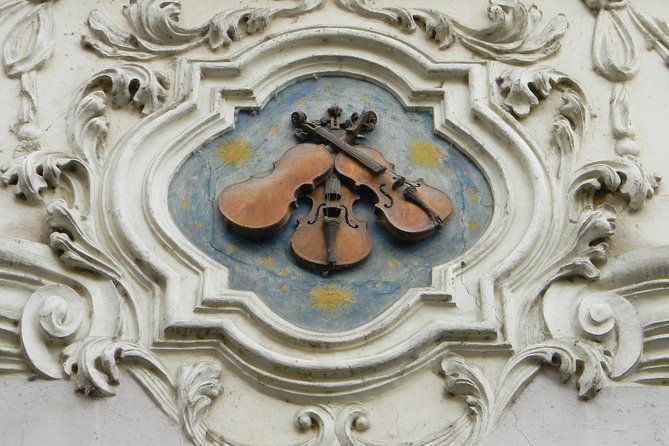
After the Castle zone, the tour pivots toward Prague’s human-scale legends—places where modern identity and older symbolism sit side by side.
You’ll stop by the Church of St. James (St. Giacomo) for about 10 minutes, focusing on the interior and its legend. Churches in Prague can feel busy, but the time here is just enough to catch what makes this one memorable without making you feel trapped indoors.
Next is the famous John Lennon Wall area (about 10 minutes). It’s one of those stops where you see today’s “myth-making” in real time. The guide includes its history and the darker episodes connected to it, which changes the mood instantly. If you’ve only seen it as street art before, you’ll leave understanding why it’s emotionally charged.
Nerudova, Celetná, and Mala Strana’s hidden alleys
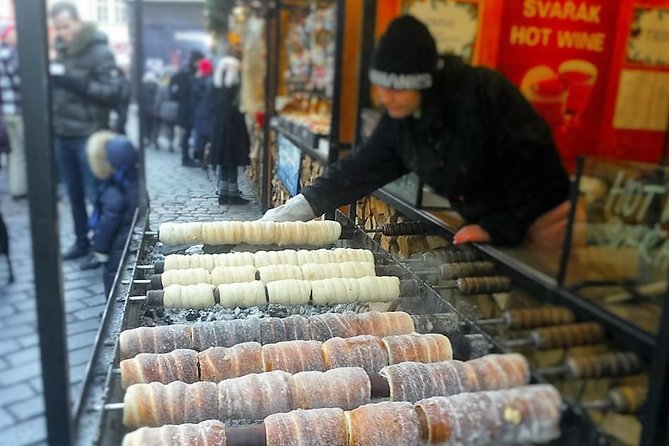
Then the tour gets more charming in the classic sense: less traffic, more footwork, and lots of street character.
You’ll walk Nerudova, one of Prague’s beautiful streets, with about 15 minutes to take in the views and steep vibes. After that, you pass through Celetna Street on what’s described as the Imperial Way, again around 15 minutes. This is where the tour’s “not only big sights” promise starts to feel real.
The centerpiece of this section is Mala Strana (Lesser Town), with about 50 minutes for small lanes and quieter turns. The guide frames it as strange in the best way—alley-by-alley, detail-by-detail, with that sense that Prague rewards slow walking. It’s also a smart length: long enough to feel like you left the main tourist lanes, but not so long you miss the late-day cultural part.
Along the way, you get a few of Prague’s “layered identity” anchors. You’ll visit Kampa Park (about 15 minutes), including the Knights of Malta area. Kampa often feels like a breather in the city. It’s a good pause before the tour shifts again toward viewpoint territory and Jewish-quarter context.
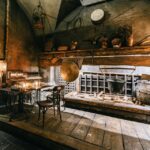
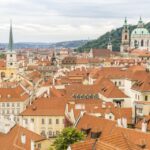

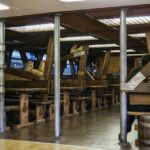
Strahov Monastery Brewery: courtyard calm and a real panorama
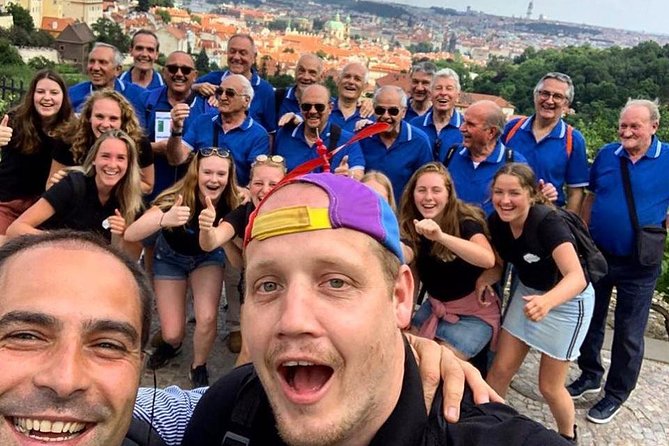
You end up at Strahov Monastery Brewery for about 15 minutes, focusing on the monastery setting and its fantastic courtyard, plus a grand panorama view over Prague.
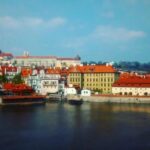
This is one of the easiest value moments to appreciate. It’s not only a view; it’s the kind of spot where the city makes sense. The guide’s framing helps you connect what you saw earlier (bridge, clock, Castle) to what you can now see from above. Even if you’re not the type who loves religious buildings, the viewpoint angle makes it memorable.
And yes, it’s a short stop. That’s the point. You’re not stuck; you’re refreshed.
National Theater and the city’s cultural symbolism
After the walk-through neighborhoods, you reach the National Theater area for about 10 minutes. It’s a quick stop, but cultural landmarks matter on this tour because Prague’s identity isn’t only carved in old walls. It’s also performed—through theater, art, and public pride.
This one is brief, so don’t worry about trying to read every architectural detail. Let the guide connect it to the broader theme: how power and culture shaped each other.
Jewish Museum and Spanish Synagogue exteriors: what you get, and what you don’t
The final cultural segment focuses on the Jewish Quarter through context and exterior views. Two stops do the job: the Jewish Museum in Prague area (exterior, including reference to the cemetery outside) for about 40 minutes, and then the Spanish Synagogue exterior (also about 40 minutes).
Important: the tour does not include entries to the synagogues or the Jewish cemetery. You’re seeing them from the outside, with the guide’s storytelling giving you a foundation for later self-exploration if you choose. If you’re hoping for interior rooms and museum galleries, this tour won’t fully satisfy that. It’s designed for big-picture understanding and respectful orientation.
For people who prefer a guided walk that prepares them before they buy tickets later, this approach can be a real advantage. You finish the day with names, context, and a mental map of where to go next.
Knights of Malta to Charles Bridge: ending where you started
By the time you head back toward the center, you’ll feel how the route loops Prague’s major themes together: royal power (Castle), public history (Wenceslas Square), symbolic modern identity (Lennon Wall), and cultural memory (Jewish-quarter exteriors). The ending point is above Charles Bridge, so you get one last chance to look at the city’s most recognizable line—only now you’re seeing it with sharper context.
Time-wise, plan to keep your energy steady. This isn’t a sit-down tour. The pacing is designed for walking flow, and the guided moments are spaced so you don’t get lost.
Price and logistics: $234.61 per group for up to 10
Let’s talk value, because this tour is priced per group. The cost is $234.61 per group for up to 10 people, for around 6 hours.
If the group is filled to 10, the rough math is about $23 per person. If it’s smaller, the per-person cost climbs. Either way, you’re paying for a private, story-driven route with multiple major districts and a live guide.
Where the value feels strongest:
- You get a tightly planned day that covers a lot of Prague without feeling like a checklist.
- You get courtyards and galleries and a “hidden non-touristic places” angle.
- The guide’s style matters here. One review specifically called out Alessandro as prepared, attentive, available, and very polite—exactly the kind of guide you want when the story gets heavy.
One consideration: since some museum-quality entries aren’t included (notably synagogues and Jewish cemetery), you may still want to book separate ticketed time if you want interiors.
What to wear, how to pace yourself, and when to go
You’ll walk a lot, including hilly stretches in the Castle/Lesser Town area. I’d treat this like a full-day walking plan, not a quick sightseeing hop.
Bring comfortable shoes and a light layer. Prague weather can shift fast, and the tour explicitly requires good weather. If the forecast looks bad and the operator cancels, you’ll get offered a different date or a refund.
Also, there’s a note that the experience is not ideal for people who want to constantly use their phone. That likely means you’ll want to stay present for the guide’s explanations and don’t expect to record everything.
Who this tour fits (and who might prefer something else)
This works best if you like history that points to specific places. If you enjoy walking while learning, and you’re curious about how the 1900s shaped Prague’s public life, you’ll probably love the structure.
It’s also a good fit for:
- people who want both big-name sights and less-obvious streets
- visitors who want Jewish Quarter context without committing to multiple ticket lines on day one
- travelers who appreciate a dialog-style guide (the kind who answers questions instead of talking at you)
It may not fit as well if:
- you need guaranteed interior access to synagogues/cemetery (this is exterior only)
- you want full Prague Castle interiors on the exact dates around major holidays (Castle access changes during Christmas/Easter periods)
Should you book this Prague Grand Tour?
Book it if you want a guided day that connects Prague’s landmarks to the stories behind them, especially the 1900s. I like that you don’t just skim the surface. You get a route that includes both the emotional weight and the city’s lighter, romantic edges—Castle courtyards, Lennon Wall energy, and a viewpoint at Strahov.
Skip it (or pair it with ticketed visits) if your top priority is museum interiors and paid access sites. Since synagogues and the Jewish cemetery aren’t included, you’ll likely want extra time later for those.
If you want one practical decision rule: if you enjoy being led through places like they’re pages in a book, this is a strong choice. If you prefer quiet self-guided strolling only, you might do better with a free walking plan.
FAQ
How long is the Grand Tour of Prague?
It runs for about 6 hours.
Is this a private tour?
Yes. It’s private, and only your group participates.
Where does the tour start and end?
It starts at Muzeum (110 00 Prague 1) and ends above Charles Bridge (Karlův most, Prague 1).
What time does the tour begin?
The start time is 9:30 am.
Is pickup included?
Pickup is offered.
Do I need a tram ticket to reach Prague Castle?
A tram ticket to go up the Castle hill is not included.
Are the synagogues and Jewish cemetery included inside?
No. There are no entrances to the synagogues and Jewish Cemetery; you’ll see them from the outside only.
Will Prague Castle always be included?
No. During the Christmas period and the Easter period, access to Prague Castle is not available, and other places are included instead.
What happens if weather is bad?
The experience requires good weather. If it’s canceled due to poor weather, you’ll be offered a different date or a full refund.