REVIEW · PRAGUE
Back to Communism Walking Tour
Book on Viator →Operated by Spectrum Tours · Bookable on Viator
Prague keeps secrets in plain sight. This small-group walk turns famous landmarks into real-life witnesses of Czechoslovakia’s communist era, and I particularly love the small-group Q&A and the firsthand style of storytelling that makes the Cold War feel personal. The main consideration is simple: it’s still an outdoor, on-foot tour, and it can be very cold in chilly months.
You’ll cover the route in about two hours with a 15-person group, keeping pace friendly for active walkers. Expect an English experience with a local guide and a professional guide, plus a mobile ticket and free stop access at each point.
In This Review
- Key points to know before you go
- Why a Back-to-Communism Walk Makes Prague Hit Different
- Meeting at Na Příkopě and What a 2-Hour Pace Feels Like
- Stop 1: Bartolomějská, the Former Secret Police Headquarters
- Stop 2: Wenceslas Square Through a Cold War Lens
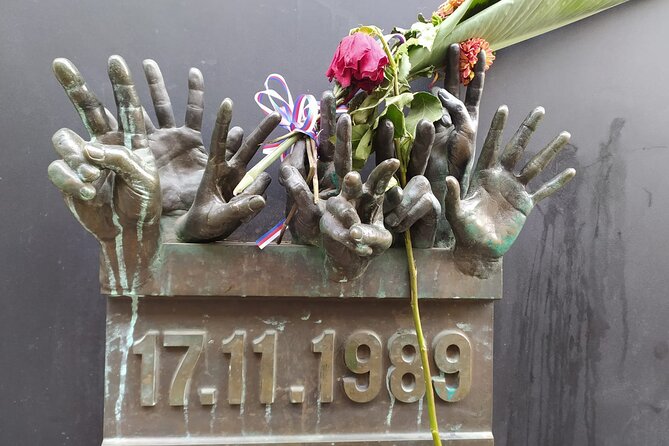
- Stop 3: Narodni třída’s Hands Memorial and the Velvet Revolution
- What You Really Get From the Small-Group Format
- How the Tour Teaches Communism Without Turning It Into Pure Horror
- Price and Value: Is $44.22 Worth It?
- Who Should Book This Tour (and Who Might Prefer Another Style)
- My Take: Should You Book Back to Communism in Prague?
- FAQ
- How long is the Back to Communism Walking Tour?
- How much does the tour cost?
- Where does the tour start?
- Does the tour end at the same place?
- What language is the tour offered in?
- How many people are on the tour?
- Are tickets required for the stops?
- What stops are included?
- Is a mobile ticket provided?
- Are there any cancellation rules?
- Can children join?
- Are service animals allowed?
Key points to know before you go
- Secret police headquarters context at Bartolomějská, explained in plain language
- Wenceslas Square with a Cold War timeline, not just a photo stop
- A memorial you can read emotionally at Narodni třída’s hands sculpture
- Small-group size (max 15) so questions actually fit into the schedule
- Guides like Petr, Daniel, and Marek bring lived-in detail from the era
Why a Back-to-Communism Walk Makes Prague Hit Different
Prague is full of monuments, but this tour uses them like evidence. Instead of asking you to admire stone from a distance, it connects each stop to what everyday life could feel like under the communist system and during the Soviet shadow.
I like that it stays human. You’re not just memorizing dates. You’re hearing how rules, fear, propaganda, and resistance shaped decisions people had to make each day.
You can also read our reviews of more walking tours in Prague

Meeting at Na Příkopě and What a 2-Hour Pace Feels Like
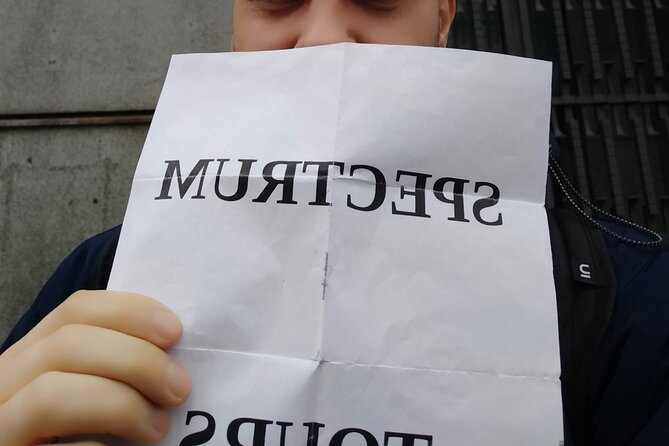
The tour starts at Na Příkopě 864/28, Nové Město and ends back at the same meeting point. It’s scheduled for about two hours, so it works well when you want something meaningful without losing an entire day.
Because the group is capped at 15 people, you won’t get stuck in a crowd where questions get swallowed. And since it’s an on-foot format, wear shoes you trust. This is also the part where I’d plan for weather: several people flagged that it can be very freezing, so bring layers, not just a nice jacket.
Stop 1: Bartolomějská, the Former Secret Police Headquarters
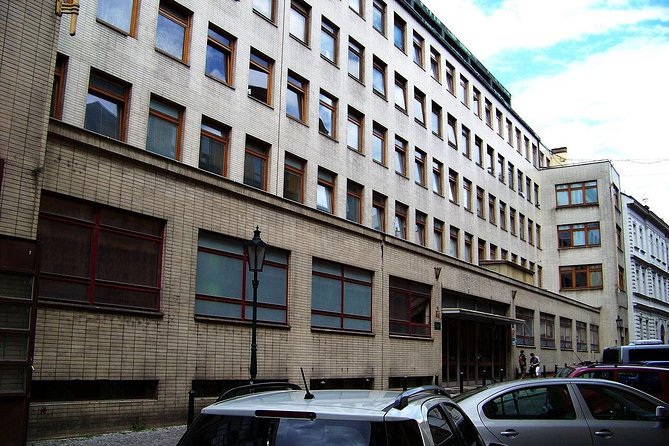
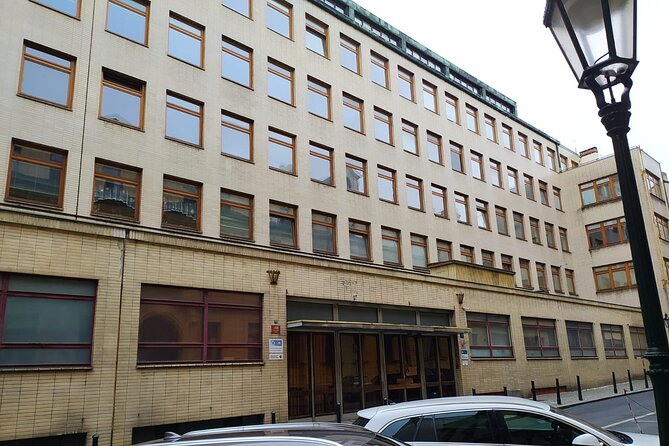
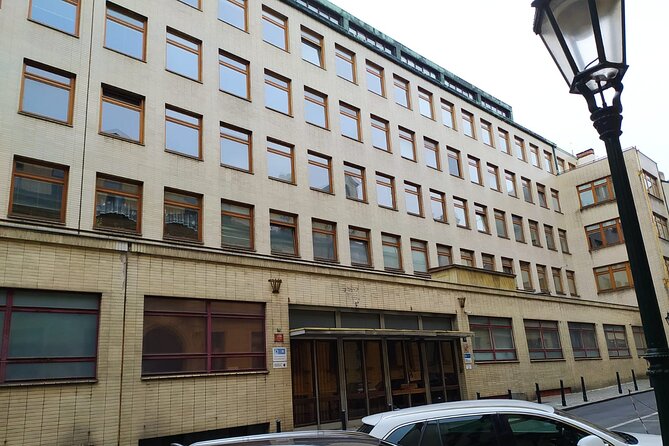
The walk begins at Bartolomějská, tied to the former headquarters of the Czechoslovak Secret Police. That single detail changes how you read the area. You’re not seeing an old building; you’re imagining the system that used it.
What makes this stop especially effective is the tone: direct, factual, and personal. You can pick up the logic of surveillance and control without turning it into a conspiracy talk. One strong theme I kept hearing in the tour’s narrative style is how it all worked through everyday pressure, not just cinematic crackdowns.
A practical plus: this stop is listed with free admission, so you’re not juggling extra tickets while you’re trying to absorb the story. If the weather cooperates, you’ll likely get a tight, focused explanation before moving on.
Stop 2: Wenceslas Square Through a Cold War Lens
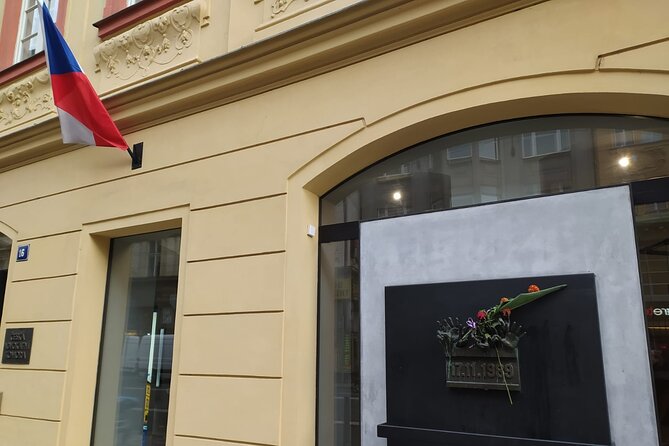
Next up is Wenceslas Square, one of Prague’s best-known public stages. On your own, it’s easy to treat it like a landmark you pass through. On this tour, it becomes a timeline—what the space has seen and what it represented as politics shifted.
This is where the guide’s pacing matters. A good version of this stop keeps you moving and connects the square’s role to the era’s mood: public image, public control, and the pressure of living under a system you couldn’t always argue with safely.
I also appreciate the way the tour frames the past as a lesson for thinking about today. The goal isn’t to turn history into noise. It’s to help you recognize patterns—how propaganda, fear, and restriction can show up again in different costumes.
Drawback to note: because the tour is history-focused, the guide’s approach stays careful about steering the discussion. If you’re hoping for partisan debate, you may find the format more restrained than that.
Stop 3: Narodni třída’s Hands Memorial and the Velvet Revolution
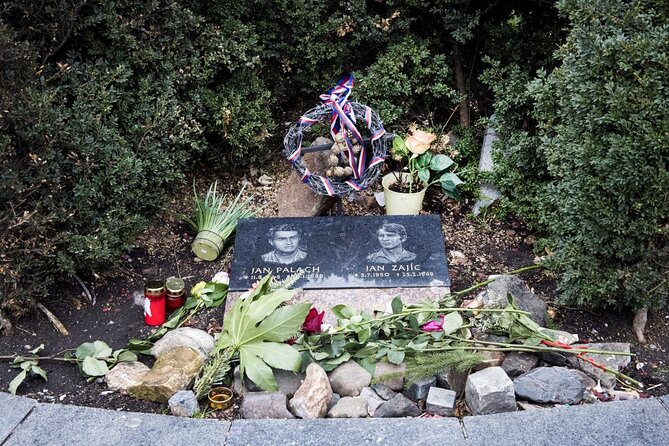
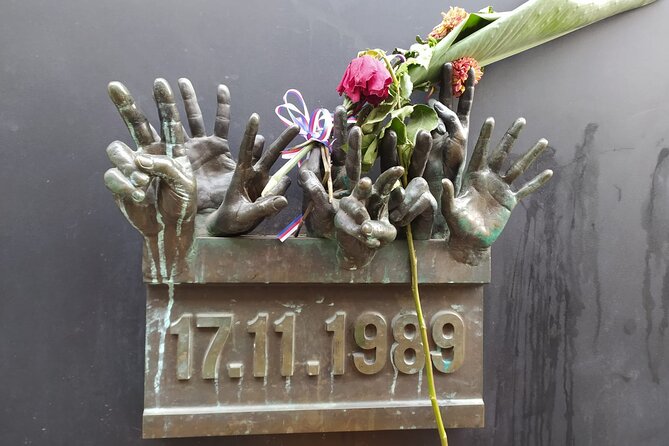
The final stop is the hands reaching out of the wall on Narodni třída, a memorial connected with victims of the Velvet Revolution. This is the emotional center of the route. The story here isn’t abstract; it’s built to make you feel the stakes of change.
The guide’s job at this point is to connect the memorial to how people understood the moment—why it mattered, and what people risked when the system began to fracture. This is one of those stops where the explanation can make even a short pause feel like more than a photo break.
Just like the earlier points, this stop is listed with free admission, so you don’t have to budget extra time for ticketing. The time on-site is short (around ten minutes), which is actually good. You’ll get the meaning, then move before it turns into overload.
What You Really Get From the Small-Group Format
This tour’s biggest advantage is the human scale. With a maximum of 15 travelers, you’re not just listening to a recording. You’re in a conversation where the guide can tailor the pace and answer follow-ups.
I especially liked the way multiple guides are described as energetic and able to explain clearly. In particular, names that show up in the guide line include Petr, Daniel, and Marek, and the common thread is clarity with real personal grip on the era. One guide is noted for speaking very good German, which hints at the depth of language skill and comfort with communicating the story.
Also, this is one of those tours where questions can sharpen what you’re seeing. If you ask about a phrase you heard, a policy term you ran into on signs, or how everyday life functioned, you’ll usually get a direct answer rather than a vague “that’s complicated.”
How the Tour Teaches Communism Without Turning It Into Pure Horror
I don’t like history tours that only aim for shock value. This one feels more balanced: it uses chilling details, but it keeps the focus on understanding how the system worked.
That balance comes through in how the guide handles key locations. The former secret police context sets up the machinery of control. Wenceslas Square brings the public layer—what people could see, where pressure showed, how image mattered. The Velvet Revolution memorial then shows what people did when the system couldn’t fully hold.
You might even get references to physical traces described in the story—one person specifically mentioned seeing marks connected to Soviet-era violence. Whether you notice every detail yourself or not, the point is consistent: the narrative is grounded, not just theoretical.
And yes, the tour can feel cold in more ways than one—weather-wise and emotionally. If you’re sensitive to heavy topics, keep that in mind and dress warmly.
Price and Value: Is $44.22 Worth It?
At $44.22 per person for about two hours, the price feels reasonable for a guided walk that combines multiple layers: a local guide, a professional guide, and a small group size. You’re not paying just for walking instructions. You’re paying for interpretation at specific sites tied to major political events.
The value gets better because admission at all the named stops is listed as ticket-free. That means the money you spend goes mostly to the storytelling and not extra fees at each location.
One more practical angle: this tour is often booked around 78 days in advance, which suggests it’s a popular slot for people who want a meaningful history hit without a full-day commitment. If your dates are fixed, booking earlier usually saves stress.
Who Should Book This Tour (and Who Might Prefer Another Style)
This is a great fit if you:
- want history you can walk through, not a museum-only day
- like your guides to connect facts to lived experience
- enjoy asking questions and getting straight answers
- prefer a focused route instead of a long checklist tour
You might skip it (or pair it with something lighter) if you:
- don’t enjoy emotional or politically heavy storytelling
- need a fully relaxing, casual stroll with minimal serious content
- hate cold weather, since the format is outdoors and can get very freezing
The good news is that it’s short. You get the impact without feeling trapped for hours in the same emotional register.
My Take: Should You Book Back to Communism in Prague?
If you want Prague to feel less like postcards and more like a place where history still has fingerprints, book it. The strongest reason is the combination of small-group interaction and guided, personal-style explanation at three high-meaning stops.
If you’re on a tight schedule and want something that’s both informative and focused, this fits well. Just plan for comfort: warm layers, solid shoes, and a mindset ready for real stories about how people lived under communism.
FAQ
How long is the Back to Communism Walking Tour?
It lasts about 2 hours (approximately).
How much does the tour cost?
The price is $44.22 per person.
Where does the tour start?
The meeting point is Na Příkopě 864/28, Nové Město, 110 00 Praha-Praha 1, Czechia.
Does the tour end at the same place?
Yes. The activity ends back at the meeting point.
What language is the tour offered in?
The tour is offered in English.
How many people are on the tour?
The maximum group size is 15 travelers.
Are tickets required for the stops?
Admission tickets are listed as free for the stops included in the itinerary.
What stops are included?
The tour includes Bartolomějská (former HQ of the Czechoslovak Secret Police), Wenceslas Square, and the Hands reaching out of the wall memorial on Narodni třída.
Is a mobile ticket provided?
Yes, it uses a mobile ticket.
Are there any cancellation rules?
You can cancel for a full refund up to 24 hours before the experience starts.
Can children join?
Children must be accompanied by an adult.
Are service animals allowed?
Yes, service animals are allowed.