REVIEW · PRAGUE
Prague: WWII Guided Tour & The Crypt of Operation Anthropoid
Book on GetYourGuide →Operated by World War II in Prague · Bookable on GetYourGuide
World War II feels uncomfortably close in Prague. This tour traces the occupation through real streets, real underground spaces, and the story of Operation Anthropoid.
What I like most is the mix: Old Town walking plus a visit underground. You’re not just looking at plaques—you’re stepping into the places tied to shelter, resistance, and aftermath.
One drawback to plan for: it’s not built for wheelchair users, and you’ll be on your feet on uneven, historic surfaces.
Key stops are layered on purpose: medieval streets, a medieval cellar, then a crypt museum.
You get more than facts: your guide turns the mission into a human story about Prague under Nazi rule.
Real artifacts change the tone: you’ll see WWII memorabilia up close, and at times it can be hands-on.
Heydrich and the resistance are not abstract: the tour explains why this specific assassination mattered.
It’s short but dense: 150 minutes is enough to feel the arc from occupation to uprising.
In This Review
- Old Town streets where WWII damage still shows
- Where you meet and how the tour keeps moving
- The U Kunštátů palace cellars: medieval shelter under your feet
- A private collection of WWII artifacts and memorabilia
- The Operation Anthropoid crypt museum under Saints Cyril and Methodius
- Operation Anthropoid and the Prague Uprising: what your guide should bring to life
- Walking time, slippery streets, and how to dress for rain or shine
- Price and value for a 150-minute WWII experience
- Who should book this tour (and who might not love it)
- Should you book this tour of WWII Prague and Operation Anthropoid?
- FAQ
- How long is the tour?
- Where do I meet the guide?
- What’s included in the price?
- Is the tour offered in English?
- Does the tour operate in bad weather?
- Is this tour stroller accessible?
- Is it suitable for wheelchair users?
- Can I bring pets?
Old Town streets where WWII damage still shows
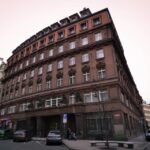
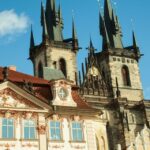
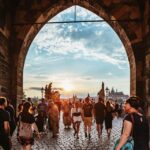
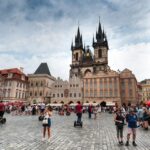
Prague’s Old Town looks postcard-perfect. That’s part of the trick. Step onto the right streets, and the Second World War stops being a textbook event.
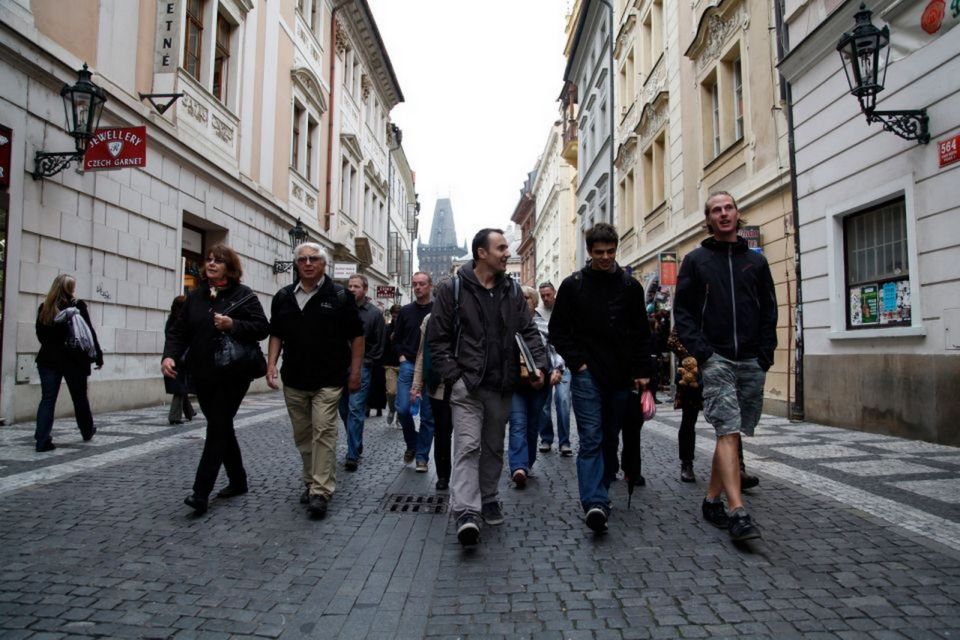
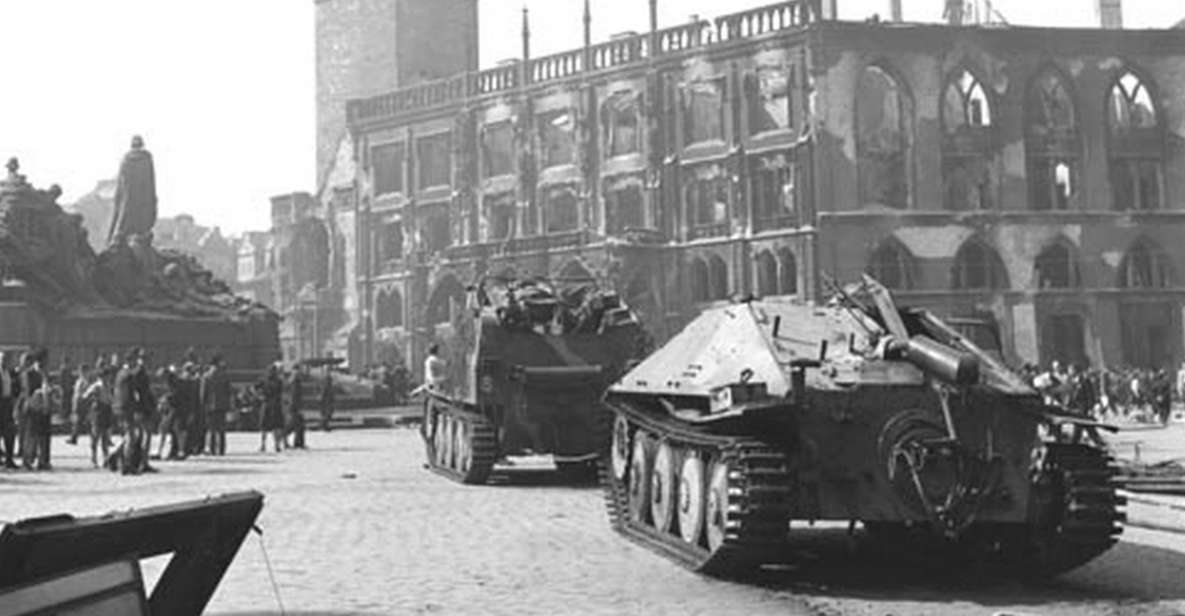
On this guided walk, you’ll trace how the city functioned under Nazi control, and where the occupation left marks that are still visible on walls today. Your guide keeps pointing out what changed—who had power, who had fear, and how daily life narrowed into survival. It’s the kind of history that makes you look up at architecture differently, because you understand what was happening in the streets at the same time.
I also like how the tour uses the city as a timeline. You’re not wandering at random. You move from one moment to the next, so the story feels connected rather than chopped into separate museum stops.
Where you meet and how the tour keeps moving
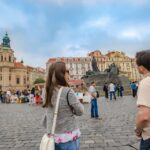
The meeting point is easy to spot if you arrive a few minutes early: stand about 30 meters in front of Prašná Brána (Powder Tower) in Republic Square, at the metro stop Náměstí Republiky. Your guide should be next to the green kiosk, holding a black umbrella with a white logo.
This matters more than you’d think. The tour packs several indoor sites back-to-back, and you lose time if everyone is still searching. The included public transportation ticket also helps the day flow. You won’t be stuck navigating every hop on your own, which is a big value when you’re trying to keep a tight, focused itinerary.
If you’re the type who gets annoyed by wasted time, you’ll appreciate the pace.
You can also read our reviews of more guided tours in Prague
The U Kunštátů palace cellars: medieval shelter under your feet
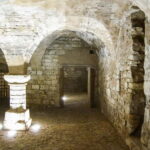
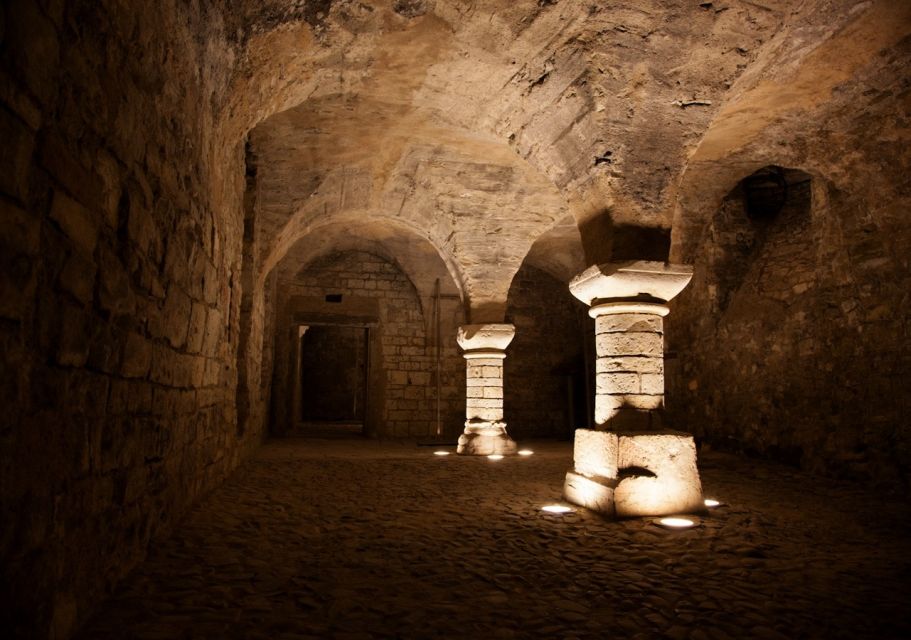
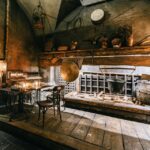
Next comes the most atmospheric part of the experience: the underground cellars beneath the 12th-century U Kunštátů palace in the heart of Old Town.
These aren’t “theme basement” spaces. They’re medieval underground rooms that once served as makeshift shelter. That word—makeshift—hits hard once you’re down there. You can picture people trying to protect themselves with what they had, when the threat wasn’t a distant idea.
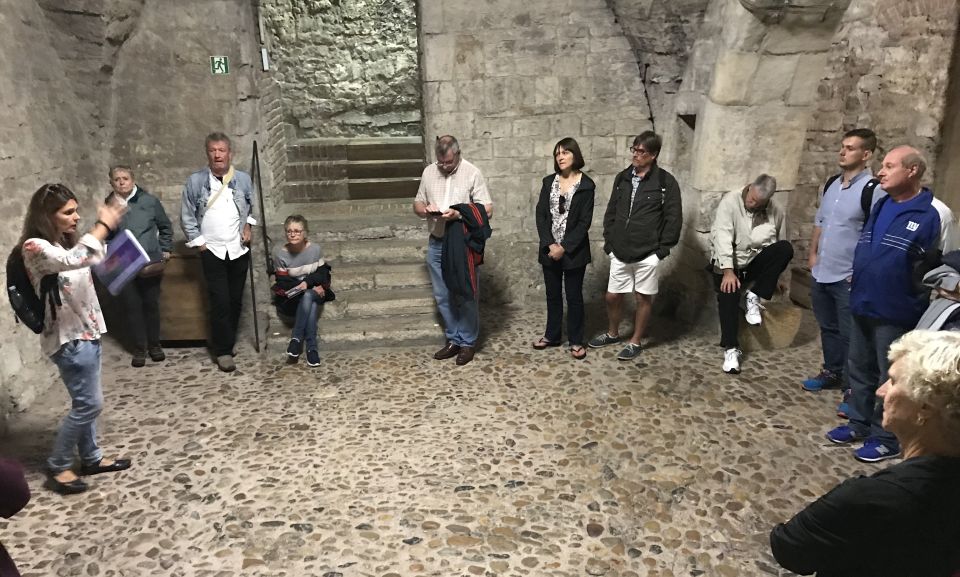
Your guide frames the cellars as part of the wider occupation story. It’s not only about the Resistance; it’s also about the normal people who lived with danger. Seeing the stonework and the low spaces makes the explanations feel physical, not abstract.
Practical tip: dress for cool, damp conditions underground, even if it’s warm outside. The difference can surprise you.
A private collection of WWII artifacts and memorabilia
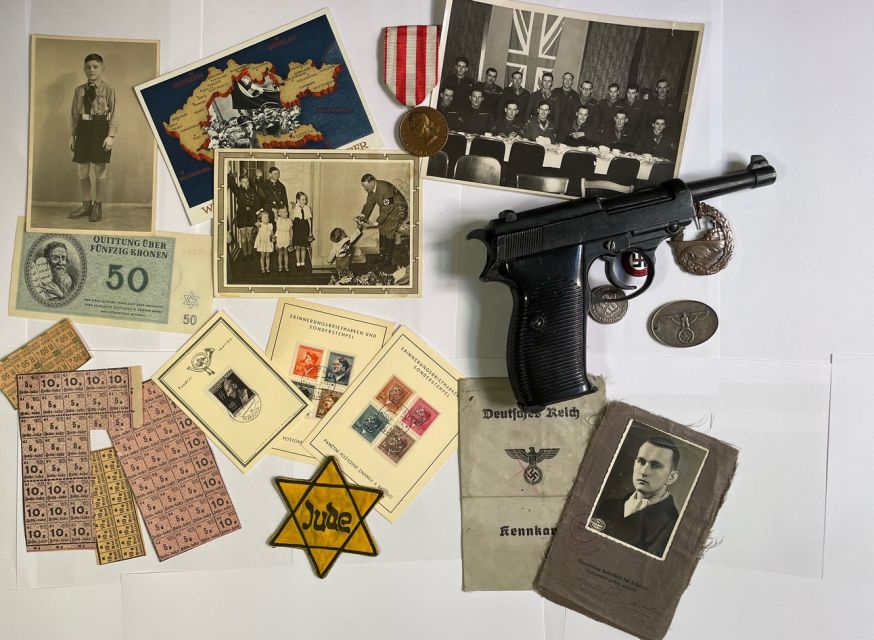
One of the strongest reasons this tour earns such high marks is the stop with a private collection of WWII artifacts and memorabilia.
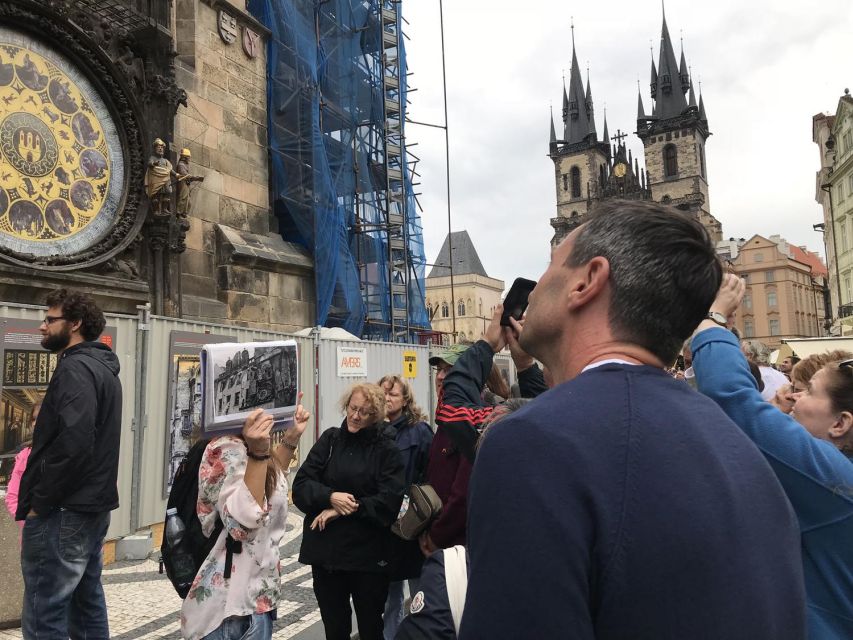
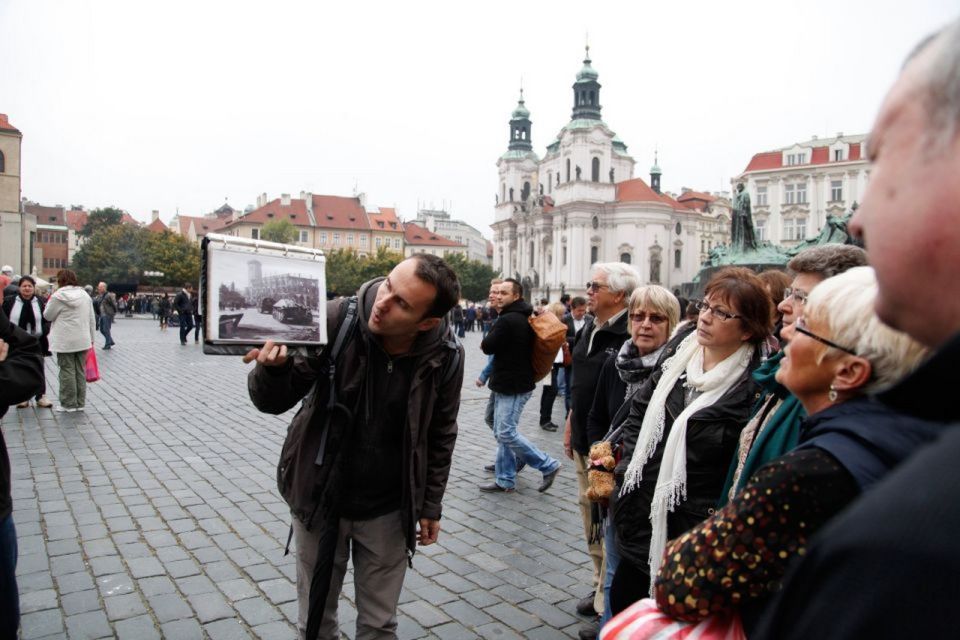
This is where the day turns from “walk and listen” into “look and understand.” You see period items and materials that help you grasp what the war looked like on the ground in occupied Czechoslovakia. Some guides also use visual materials—photos from old Prague compared to the present—which helps you “place” scenes in your mind.
A few highlights from guide styles that you may notice on the day:
- Guides like Pavel, George, Hannah, and Ottokar tend to tell the story with humor or sharp pacing, which keeps the subject from becoming heavy all at once.
- If your guide brings original items and references them in context, the tour can feel more like a lesson from a specialist than a standard script.
Also, at least some sessions include a chance to handle selected artifacts. That shifts the tone fast. When you can feel an object (even briefly), the history stops being only visual.
If you care about WWII details—uniforms, documents, the “stuff of history”—this part is the value booster.
The Operation Anthropoid crypt museum under Saints Cyril and Methodius
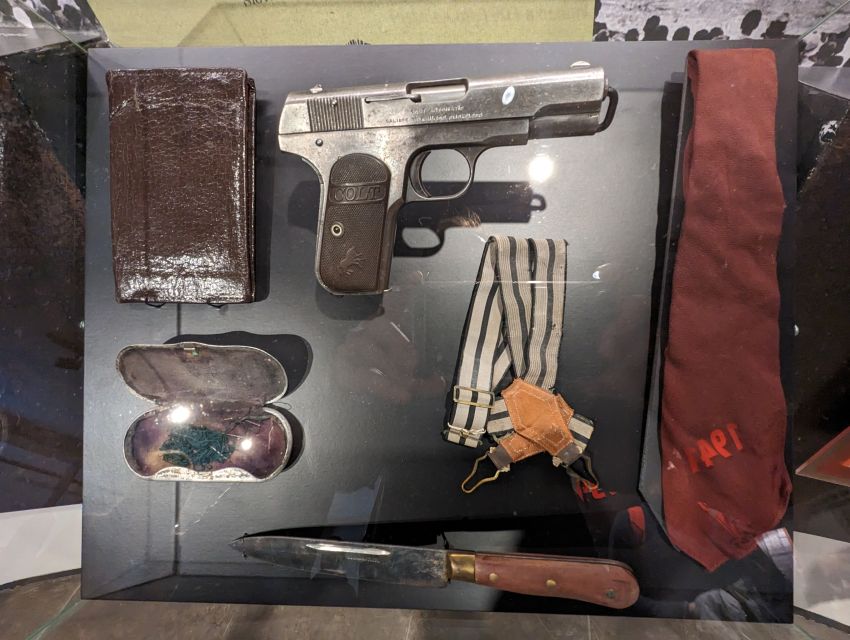
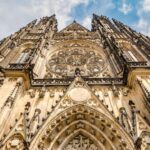
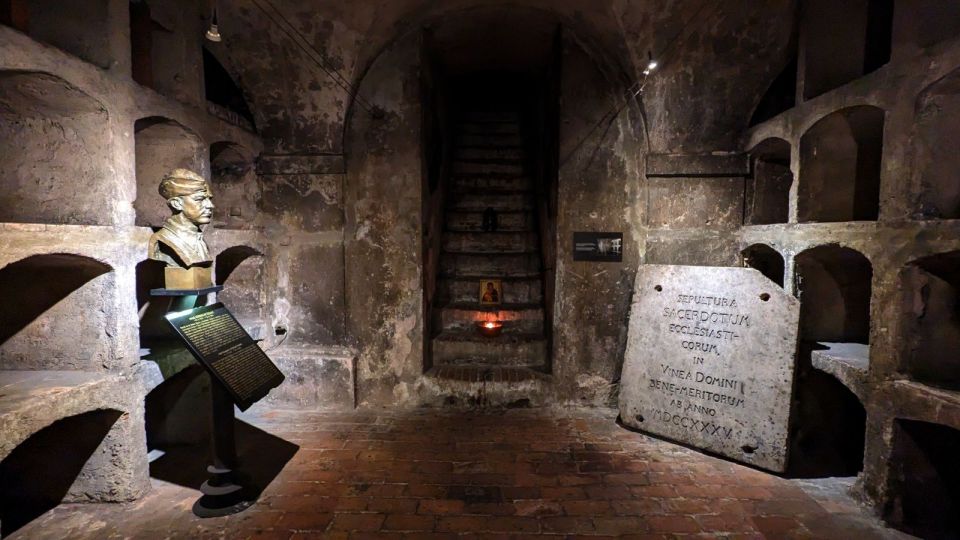
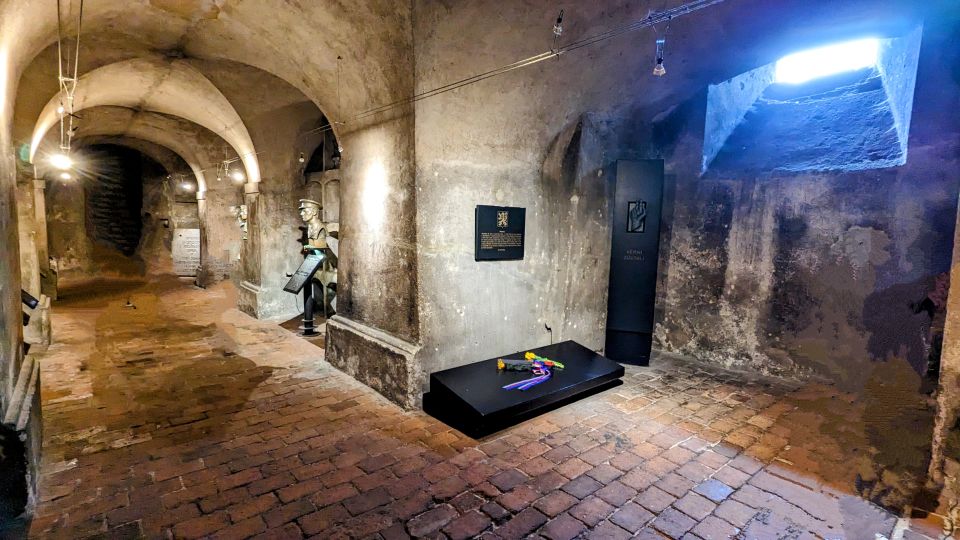
Then you reach the emotional center of the tour: the Crypt of Operation Anthropoid within the underground spaces associated with Saints Cyril and Methodius Cathedral.
This isn’t a generic war museum experience. It’s focused. It’s about one mission—and what happened because of it.
Your guide explains Operation Anthropoid, the resistance mission intended to eliminate SS Obergruppenführer Reinhard Heydrich, one of the most feared figures in the Nazi hierarchy. Once you hear the mission described clearly, the crypt setting makes the story feel smaller and more urgent—like you’re inside the part of history that didn’t get to have breathing room.
Expect the tour to connect:
- planning and courage
- the consequences for the city
- the way resistance became sacrifice rather than strategy
If you’re even mildly sensitive to heavy topics, this stop can feel intense. That’s not a bad thing. It’s the point.
Operation Anthropoid and the Prague Uprising: what your guide should bring to life
A WWII assassination might sound like a narrow subject. On this tour, it isn’t narrow for long.
Your guide ties Operation Anthropoid to the wider pattern of resistance and punishment in Prague, including how citizens responded when the Nazi regime tightened control. You’ll hear about brave Prague residents as silent heroes—people caught between fear and duty.
Guides also tend to make the cause-and-effect clear. They explain not only who did what, but also why the mission mattered in the larger fight against occupation. That’s useful even if you already know the headline. You’ll get the missing links: what the Nazis were trying to enforce, what Czechs and Slovaks risked, and how quickly lives could change after a single turning point.
I especially like when the guide uses old photographs or structured visuals, because it helps you understand what you’re seeing now compared with what existed then. Some guides even use a flip chart style approach rather than relying on screens. It keeps the focus on the story, not the device.

Walking time, slippery streets, and how to dress for rain or shine
This tour runs rain or shine. Prague weather can shift fast, and the Old Town streets can get slippery—especially in winter.
You’ll want:
- good walking shoes (traction matters)
- layers you can adjust if you move from street-level to underground
- a small umbrella or rain jacket, since you’ll be out on the walking segments
The tour is stroller accessible, which is good news if you’re traveling with kids or pushing a stroller. On the flip side, it’s not suitable for wheelchair users, likely because of the historic walking surfaces and the underground spaces.
If you have mobility limits, this is the piece you should weigh most carefully.
Price and value for a 150-minute WWII experience
At $42 per person for about 150 minutes, this is priced like a focused guided experience with multiple paid components, not just “a guide plus a walk.”
Here’s what you’re getting in the price:
- a live English guide
- entry to the underground cellars at U Kunštátů palace
- entry to the Saints Cyril and Methodius Crypt and Cathedral
- access to the private WWII artifacts and memorabilia collection
- a public transportation ticket
- skip the ticket line
That combo is the real value. If you tried to piece this together alone, you’d spend time hunting sites, buying tickets separately, and losing the connective tissue the guide provides. You’d also risk missing key context—especially in the crypt, where the story is the whole point.
Is it a bargain? For history lovers, yes. It’s one of those days where you leave feeling like you “spent your time” instead of just seeing things.
Who this fits best: WWII history fans, travelers who like story-driven guiding, and people who want more than the surface-level Prague experience.
Who should book this tour (and who might not love it)
You should book if:
- you want a guided story through real Prague locations tied to WWII
- you love the details—artifacts, documents, and how events connect
- you’re interested in Operation Anthropoid and the Prague resistance response
You might not love it if:
- you need a wheelchair-friendly route
- you dislike walking on older streets
- you prefer light topics over emotionally intense wartime settings
If you’re on the fence because you’ve already done a “general Prague history” walk, I’d still consider this. It doesn’t repeat the obvious. It targets a specific era and gives you a clear arc from occupation into resistance and its consequences.
Should you book this tour of WWII Prague and Operation Anthropoid?
If WWII history is your thing, I’d say yes—book it. The best part is the structure: surface streets, underground shelter, then the Operation Anthropoid crypt. That progression helps you understand what happened from the inside out.
Also, you get a guide-led story that tends to be active and vivid. Names like Pavel, George, Hannah, and Ottokar come up for a reason: strong storytelling, tight focus, and real enthusiasm for the subject.
Just go in prepared for real walking and a heavier emotional tone underground. If you can handle that, this is a high-value way to understand Prague during WWII—without feeling like you’re rushing through history like a checklist.
FAQ
How long is the tour?
The tour lasts 150 minutes.
Where do I meet the guide?
Meet about 30 meters in front of Prašná Brána (Powder Tower) in Republic Square, at the metro stop Náměstí Republiky. The guide stands next to the green kiosk holding a black umbrella with a white logo.
What’s included in the price?
A guide, entry to the U Kunštátů underground cellars, entry to the Saints Cyril and Methodius Crypt and Cathedral, a public transportation ticket, and access to a private collection of WWII artifacts and memorabilia.
Is the tour offered in English?
Yes. The live tour guide is in English.
Does the tour operate in bad weather?
Yes. The tour takes place rain or shine.
Is this tour stroller accessible?
Yes, it is stroller accessible.
Is it suitable for wheelchair users?
No, it is not suitable for wheelchair users.
Can I bring pets?
No. Pets are not allowed, but service animals are allowed.