REVIEW · PRAGUE
Prague: Mozart Interactive Museum Entry Ticket
Book on GetYourGuide →Operated by Mozart Interactive Museum · Bookable on GetYourGuide
If you think classical music is boring, this changes that. This interactive museum in Prague turns composer facts into hands-on moments, from playing the cembalo to taking part in scenes tied to Prague and Mozart’s world.
I really liked the way you’re not just watching screens. You follow instructions, get guided by Mozart’s voice-style storytelling, and end up with personalized photos and videos you can share right away. It’s also available in multiple languages, so you won’t feel stuck.
One thing to keep in mind: you only get about an hour, so if you want to linger or read everything slowly, you’ll have to pick what you like most.
In This Review
- Quick hits before you go
- Why this Mozart museum works in Prague
- What you actually do: cembalo, Empress Maria Theresa, and Don Giovanni
- Playing the cembalo with Leopold’s instructions
- Entertaining Empress Maria Theresa
- Conducting the Prague premiere of Don Giovanni
- The tech side: VR, voice-overs, short films, and recorded music
- VR is used to support the story, not replace it
- Voice-overs and short films help you stay oriented
- Models + texts + paintings: the slow notes you can control
- Personalized photos and videos: the souvenir that actually matters
- Language options: how to make sure you get the most out of it
- Timing and flow: what one hour feels like
- Why the 1-hour format is great
- Why you might feel rushed
- Starting times and availability
- Price and value: is $18 a smart use of your time?
- Practical tips: shoes, camera, and respectful photo rules
- Who should book this Mozart Interactive Museum?
- Should you book it? My honest take
- FAQ
- How long is the Mozart Interactive Museum experience?
- What languages are available?
- Can I take photos or videos inside?
- Is there virtual reality included?
- Is there food or drinks included?
- Is the museum wheelchair accessible?
Quick hits before you go
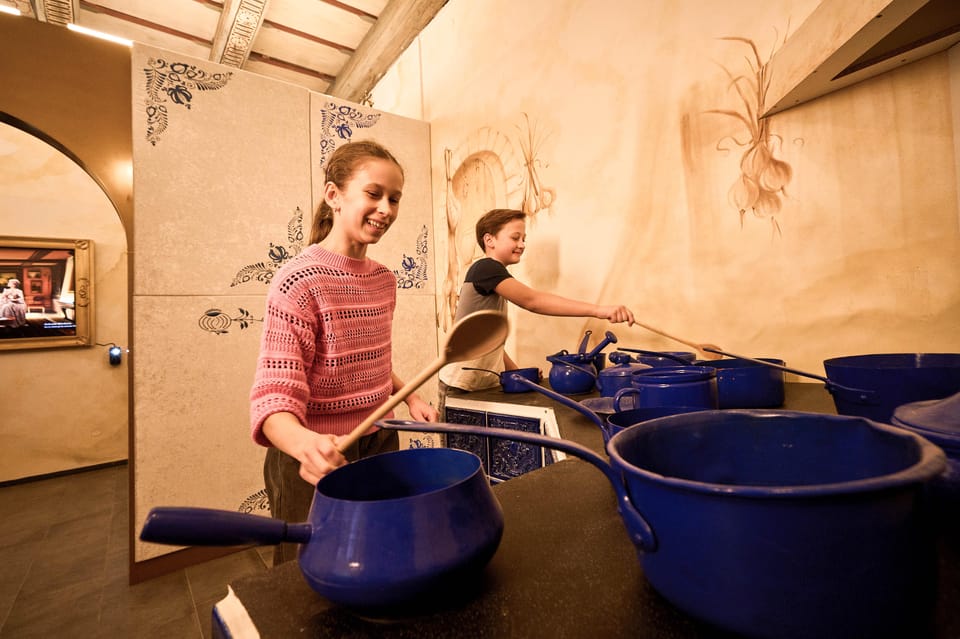
Interactive exhibits focused on Mozart’s life and music
Hands-on moments like playing the cembalo
VR and multimedia stations with short films and recorded music
Photo/video creation so you leave with something to show
Multiple languages (English, German, Italian, Czech)
Family-friendly activity with a clear, contained time block
Why this Mozart museum works in Prague
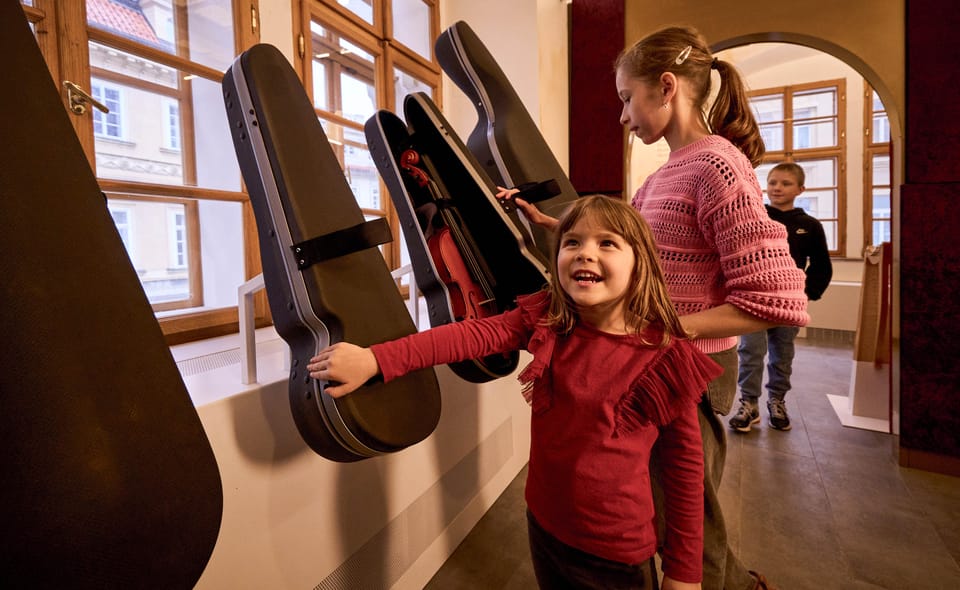
Prague has a way of making music feel physical. Old streets. Old buildings. And suddenly you can imagine court scenes, composers, and performances happening right here. This museum leans into that idea. It uses modern tech to help you connect Mozart to Prague, instead of treating him like a name behind a glass case.
What I like most for real travelers is the structure. You’re not wandering for half a day with no plan. You spend time on interactive stations that tell a story, then you’re done. At $18 per person and around an hour, it’s a “do it, learn something, move on” kind of stop. That’s valuable in Prague, where your schedule fills up fast.
And the museum doesn’t assume you already know the music. It’s built for visitors of all ages, and it’s offered in several languages (English, German, Italian, Czech). Even if you only understand parts, you’ll still get the point: music is something you can try, not just something you admire from a distance.
You can also read our reviews of more tours and experiences in Prague


What you actually do: cembalo, Empress Maria Theresa, and Don Giovanni
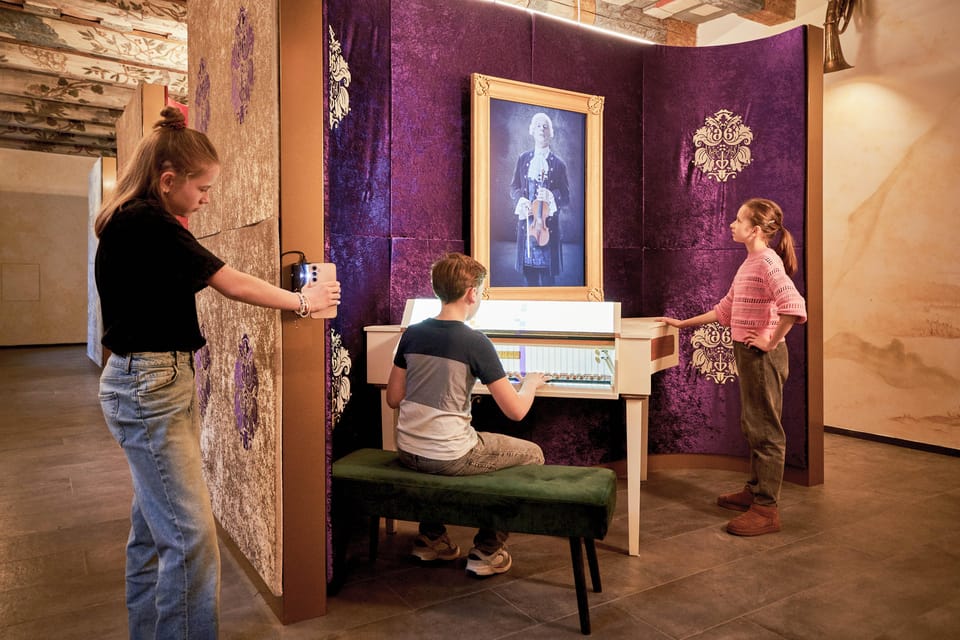
This is the heart of the experience. You’re pushed to participate in Mozart-themed scenarios, not just read captions. The big playable and role-play elements include:
Playing the cembalo with Leopold’s instructions
One station invites you to play the cembalo by following instructions connected to Leopold (Mozart’s father). That matters because it shifts you from passive listener to active participant. You learn how the mechanics feel, even if you’re not training for a concert stage.
I also like that it’s guided. You don’t need to be a musician to participate. You just need to pay attention and follow steps closely. Comfortable shoes help here too, because you’ll likely move between stations.
Entertaining Empress Maria Theresa
Another part has you entertain Empress Maria Theresa. This is where the museum leans into storytelling and performance energy. Instead of a lecture, you’re acting through the moment in a guided way, so Mozart’s world feels closer to real life rather than distant history.
If you enjoy museum experiences that mix learning with light role-play, this section is likely to click.
Conducting the Prague premiere of Don Giovanni
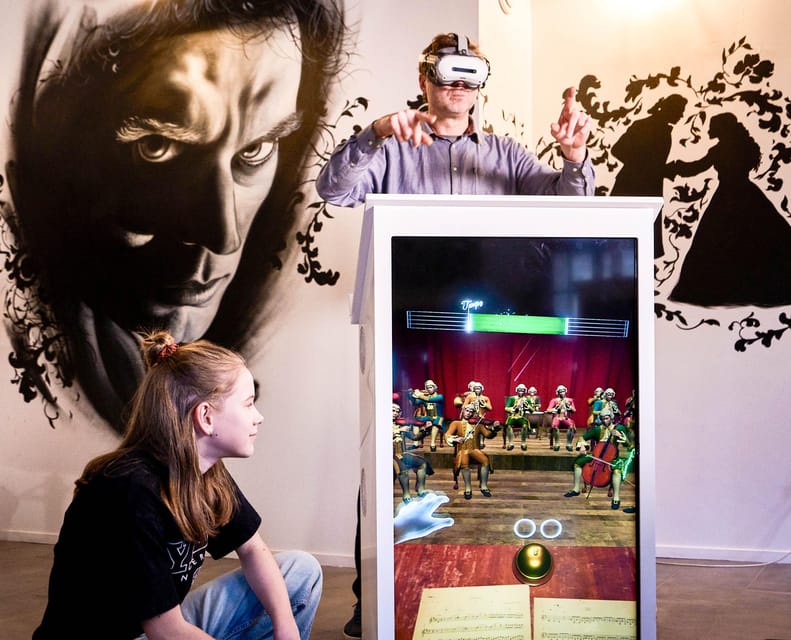
Mozart’s Don Giovanni is a familiar title to many people. Here, you get a chance to conduct as part of the Prague premiere theme. That’s a smart pairing: Prague connection + opera drama + a hands-on role.
Even if you don’t know every detail of the opera, conducting is intuitive. You’re not memorizing plot points. You’re experiencing the idea of directing music and performance.
You can also read our reviews of more museum experiences in Prague



The tech side: VR, voice-overs, short films, and recorded music
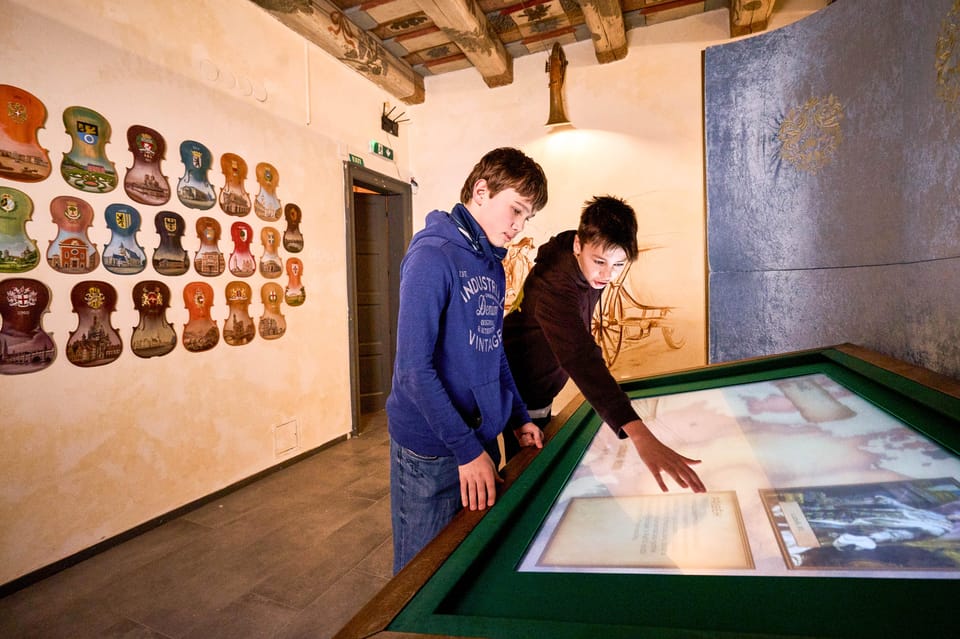
The museum uses a mix of formats, so it doesn’t rely on only one gimmick. You’ll see elements like newly recorded music, Mozart voice-overs, short films, models, and virtual reality, plus accompanying texts and paintings.
VR is used to support the story, not replace it
The virtual reality part is included, and it’s best thought of as a visual layer for Mozart’s world. Instead of just reading about scenes and settings, you get an experience that makes the context easier to picture.
In practice, this helps you connect the dots faster. If you’ve ever walked out of a museum thinking, I learned some facts but I can’t visualize anything, this kind of multimedia support can fix that.
Voice-overs and short films help you stay oriented
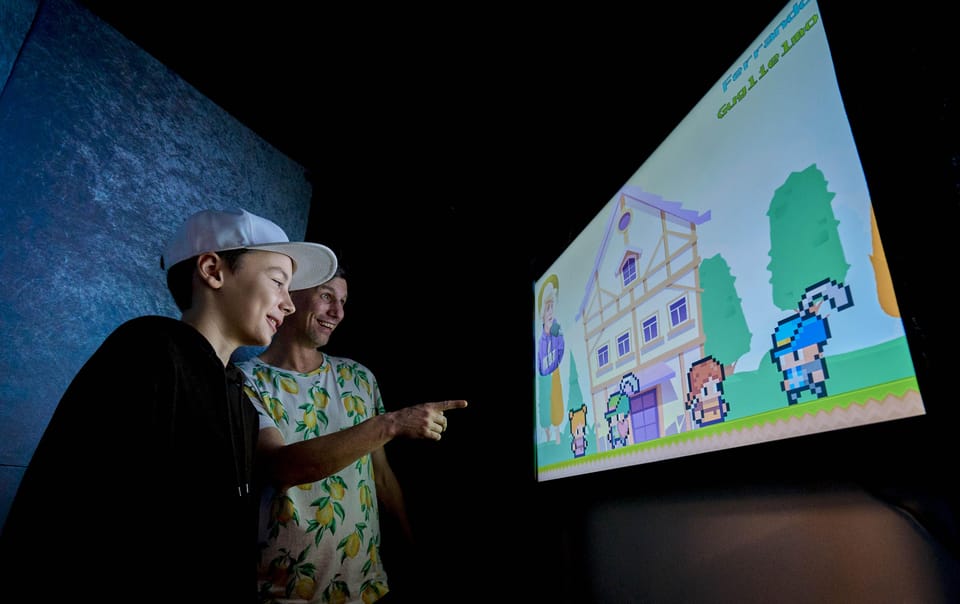
English, German, Italian, and Czech are offered, and that matters more than you might think. You can follow the narrative without guessing. The voice-overs and short films keep the museum moving at a steady pace, which is important in an experience that lasts around an hour.
Models + texts + paintings: the slow notes you can control
Even with all the tech, there are also more traditional elements: accompanying texts and paintings, plus models. That gives you the chance to slow down just enough to absorb meaning, without losing the momentum of interactive stations.
If you’re the type who likes details, you’ll probably appreciate these quieter touchpoints. If you’re not, you can skim and still get the main experience.
Personalized photos and videos: the souvenir that actually matters
Here’s a practical reason this museum can be worth it even for people who don’t care about museums: you can create personalized photos and videos.
That means you’re not leaving with a generic brochure image. You’re making a small memory you can share with family and friends while it’s still fresh. In a city like Prague, where you might do bigger, more expensive sights, having an experience that produces shareable content is a real plus.
Also, it’s a better use of your camera time than many attractions where the best spots are crowded and the lighting is unpredictable. You’re essentially being guided toward moments that are designed to look good.
Quick note: flash photography isn’t allowed, so plan on natural/ambient lighting and be ready to use normal camera settings. If you rely on flash as your default, bring patience.
Language options: how to make sure you get the most out of it
The museum offers interpretation or content availability in English, German, Italian, and Czech. For me, this is a key value point because Mozart-themed storytelling can get confusing if you’re missing context—especially when parts involve characters, instructions, and narrated scenes.
You don’t need to be fluent to enjoy the experience, but the language support helps you follow the story beats. When you understand what you’re doing, the interactive parts feel smarter instead of random.
If you’re traveling as a mixed-language group, it’s also easier to align on expectations. You can choose a language version and keep everyone engaged.
Timing and flow: what one hour feels like
The whole experience runs about 1 hour. That’s both the strength and the trade-off.
Why the 1-hour format is great
Prague is full. You’re stacking sights, meals, and walking breaks. A contained museum visit lets you learn something and still keep your day moving. If you’re juggling kids, limited energy, or a busy itinerary, this time block is a relief.
Why you might feel rushed
If you tend to read every word, watch every clip all the way through, and replay interactive segments for fun, one hour may feel tight. The best way to handle that is to decide what you care about first: the cembalo, the Maria Theresa scenario, the Don Giovanni conductor moment, or the VR segment.
Pick your top two. You’ll enjoy the time you have more.
Starting times and availability
The experience includes starting times, and you’ll want to check availability before you commit. That’s especially important in a popular city where plans shift daily.
Price and value: is $18 a smart use of your time?
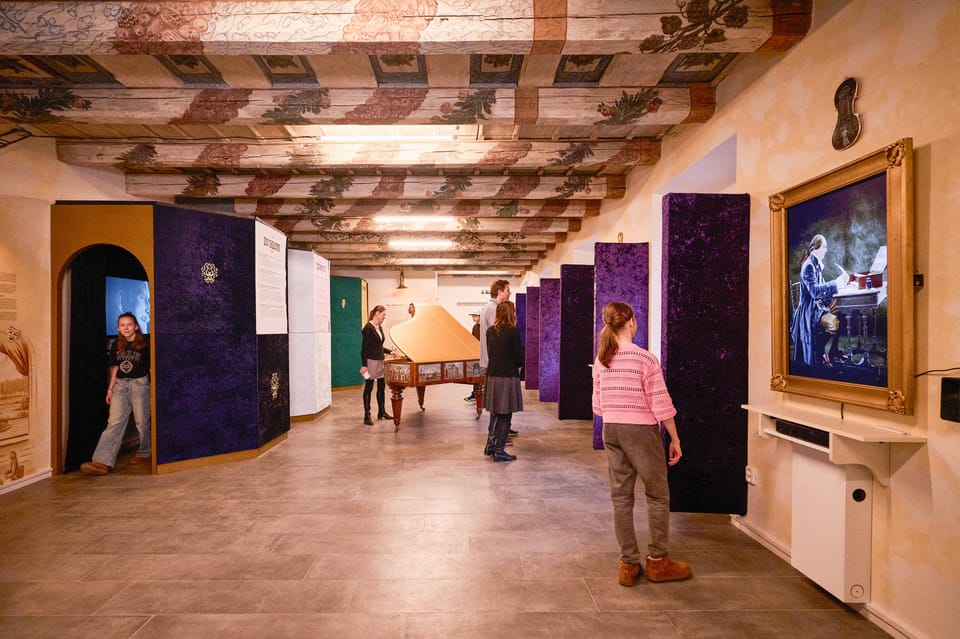
At $18 per person, this sits in the “reasonable, not bargain basement” category. The question is what you’re paying for.
You’re getting:
- Interactive exhibits (not just passive viewing)
- Virtual reality experiences
- Personalized photos and videos
- Musicology, history, and psychology facts
- Availability across multiple languages
If you were paying for a standard audio guide + a few display rooms, $18 would feel high. But here you’re paying for participation plus multimedia plus take-home content. For many visitors, that combination makes the price feel more justified.
It also helps that the duration is about an hour. You’re not paying more because you’re stuck inside longer. You’re paying for a focused program.
Practical tips: shoes, camera, and respectful photo rules
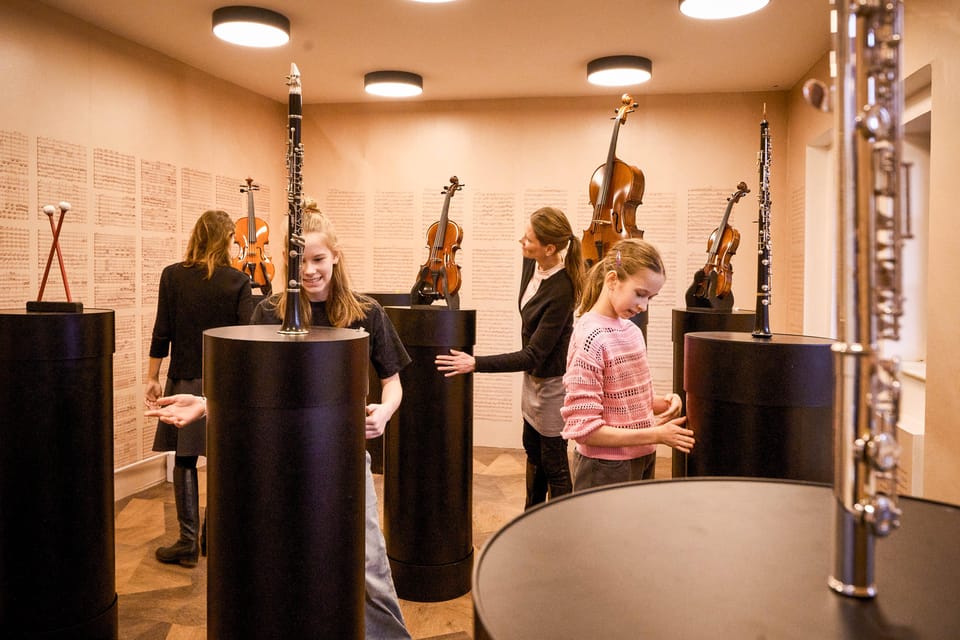
You’ll want to show up prepared. Bring:
- Comfortable shoes
- A camera (for the photo/video parts)
Flash photography is not allowed. So if you’re used to blasting flash in museums, adjust your expectations. Natural light and built-in lighting likely do the work.
The museum is accessible by public transport, which is helpful in Prague. You won’t need a private car detour to make this work.
One more important note: accessibility info is slightly conflicting in what you’re given. The material says the museum is wheelchair accessible, but it also includes a label stating not suitable for wheelchair users. If accessibility matters to you, you should check directly before you go so you don’t get surprised on arrival.
Who should book this Mozart Interactive Museum?
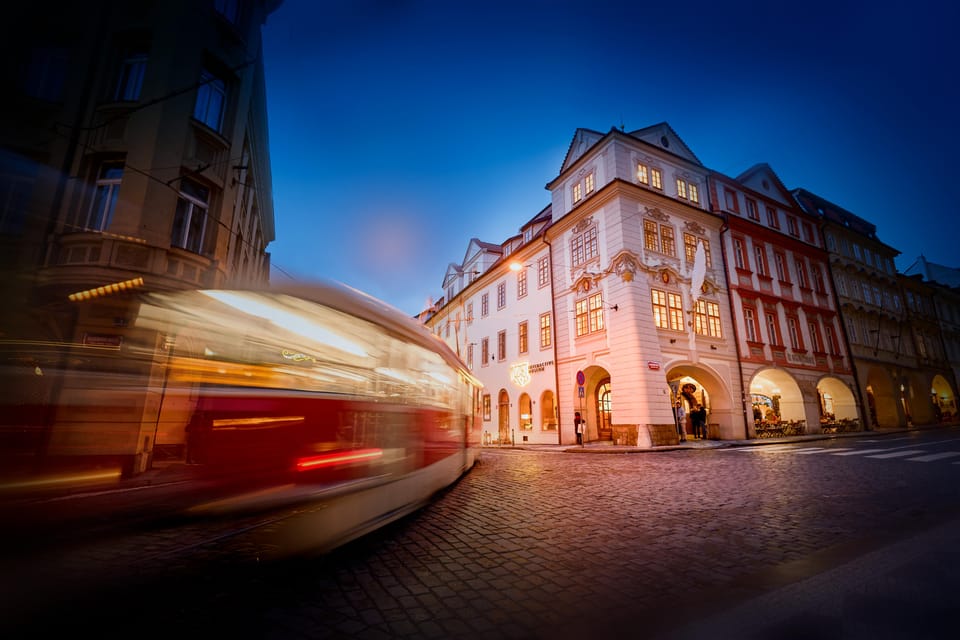
I think this experience fits best if you want a playful way to learn in Prague.
You’ll likely enjoy it if you:
- Like interactive museums more than lecture-style exhibits
- Want a Mozart connection to Prague’s setting and stories
- Prefer short, high-energy activities that work inside a schedule
- Travel with kids or teens who learn better through doing
- Want a take-home souvenir in the form of personalized photos/videos
You might be less satisfied if you:
- Need lots of quiet reading time and slow pacing
- Expect a full concert-style performance (this is interactive, not a staged opera night)
- Are sensitive to time limits and feel uncomfortable when experiences move fast
Should you book it? My honest take
If you’re deciding between another museum stop and this one, I’d lean toward booking it—especially if you like hands-on learning. The combination of interactive stations (cembalo, court entertainment, Don Giovanni conducting), VR, and personalized photo/video creation makes it feel like more than a typical “look and read” experience.
The only reason I’d hesitate is if you truly dislike structured, time-limited museum activities. Also, double-check the accessibility details ahead of time since the info provided is mixed.
For most Prague itineraries, this is a solid, efficient way to spend an hour with Mozart. You’ll leave with a story you can repeat, not just facts you forgot five minutes later.
FAQ
How long is the Mozart Interactive Museum experience?
The experience is about 1 hour.
What languages are available?
The museum content is available in English, German, Italian, and Czech.
Can I take photos or videos inside?
Personalized photos and videos are part of the experience, and you should bring a camera. Flash photography isn’t allowed.
Is there virtual reality included?
Yes. Virtual reality experiences are included.
Is there food or drinks included?
No. Food and drinks are not included.
Is the museum wheelchair accessible?
The provided information says the museum is wheelchair accessible, but it also includes a note that it is not suitable for wheelchair users. It’s best to check directly before you go.