REVIEW · PRAGUE
Prague: Traditional Czech Cooking Class with Market Tour
Book on GetYourGuide →Operated by Ondřej Molina · Bookable on GetYourGuide
Czech cooking starts at a real market. This class pairs a guided shopping stop at Holešovice Food Market with chef-led, hands-on cooking in a local kitchen, so you see how Czech flavors get built from the ground up. I like that you’re not just watching recipes on a screen; you’re learning knife work and technique from Ondřej Molina as you make a full menu.
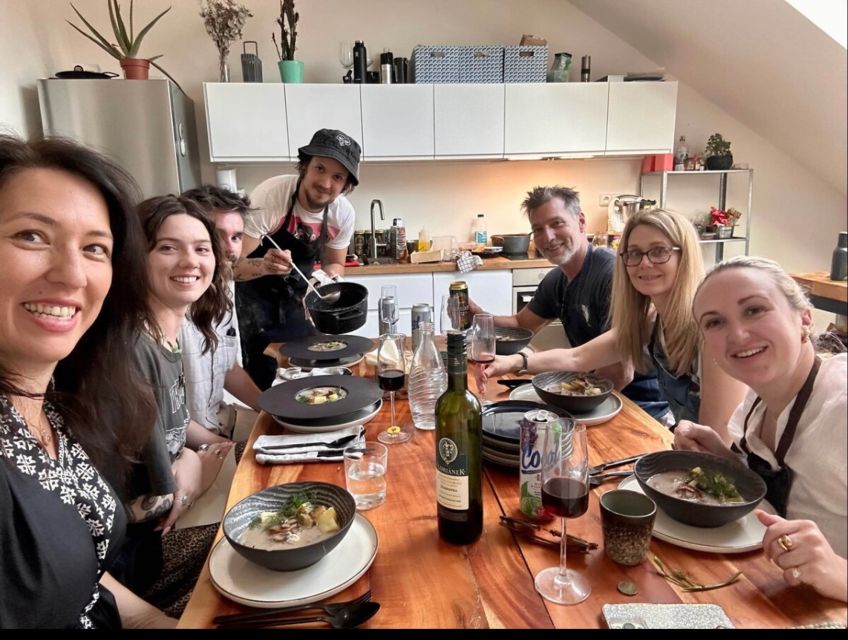
You finish by sitting down to eat what you cooked, with local drinks included (wine and beer), plus printed recipes and take-away boxes. One possible drawback: if you have special dietary needs, you’ll want to communicate them in advance, because this experience is built around cooking and eating together as a group.
In This Review
- Key highlights worth planning for
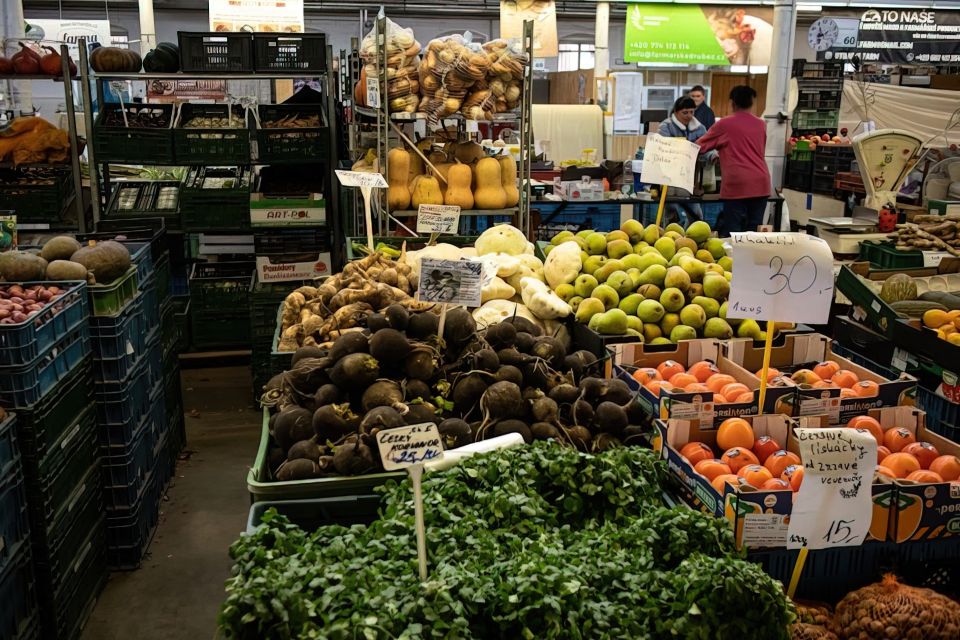
- Holešovice Food Market: the shopping stop that actually shapes your meal
- Meeting your guide and using the Hall 22 weather setup
- Chef Ondřej Molina’s kitchen: hands-on cooking, not cookbook cosplay
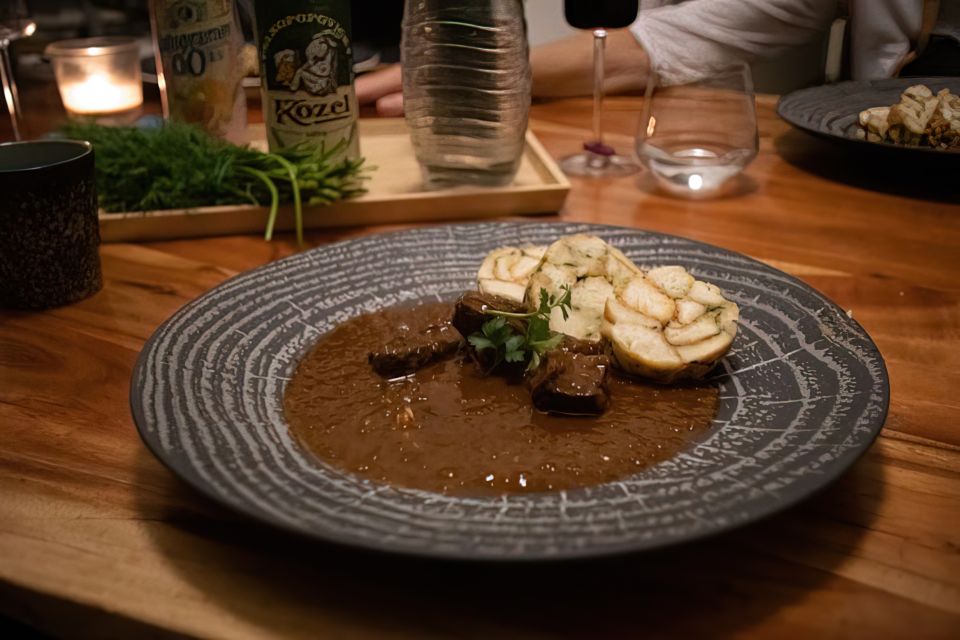
- Your Czech menu: Kulajda, goulash with dumplings, and povidlové buchty
- Kulajda soup: dill-forward comfort with creamy depth
- Beef goulash with dumplings: sauce you learn to manage
- Povidlové buchty: a plum-filled dessert that sticks with you
- Drinks during the class: wine, beer, and pairing you can copy at home
- What you take home: printed recipes, a recipe book, and leftovers
- Price and value: is $155 per person worth it?
- Who this class suits best (and who should think twice)
- A balanced take on the group dynamic and pace
- Should you book this Prague Czech cooking class?
- FAQ
- What is the duration of the Prague cooking class?
- Where do I meet the guide?
- How much does the experience cost?
- What dishes will I cook?
- What drinks are included?
- Is transportation included?
- What language is the instructor?
- Is the class wheelchair accessible?
- What if I have allergies?
Key highlights worth planning for
- Holešovice Food Market ingredient picking: your chef chooses what’s best for the dishes.
- Chef Ondřej Molina’s teaching style: clear instructions, lots of practical kitchen technique.
- Three-course Czech menu: Kulajda soup, beef goulash with dumplings, and povidlové buchty.
- Drinks included with the meal: wine tasting/snacks, and beer/wine at dinner.
- Take-away boxes and printed recipes: bring the menu home and try it again.
- Rain plan at the market: your guide waits inside Hall 22 if the weather turns.
Holešovice Food Market: the shopping stop that actually shapes your meal
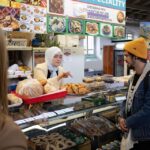
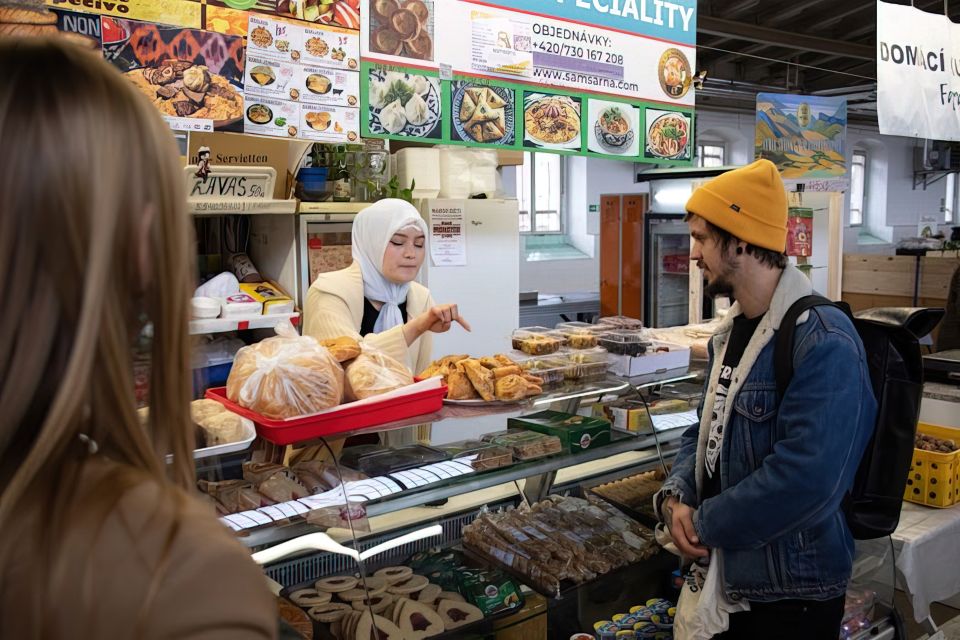
Most cooking classes start after the ingredients are already chosen for you. Here, the day begins at Holešovice Food Market (Holešovická Tržnice), with your guide meeting you at the spot right in front of Hall 22, next to Pekárna (the bakery). In practical terms, this matters because the quality and seasonality of what you buy is what turns a “Czech recipe” into the real thing.
Holešovice is known for a big range of products, and you feel it the moment you arrive. Your guide doesn’t just point at a stall and move on. The plan is for your chef to pick and purchase the best local ingredients that fit the menu you’ll cook. If you’ve ever wondered how Central European cooks end up with such satisfying flavor—dill that tastes like dill, tender meat for goulash, and fruit-forward desserts—this is where it starts.
One small timing note: the experience has an evening option on Thursdays starting at 17:00. In that case, the outline you’ll follow may start with local delicacies and wine before the cooking rather than completing the market segment, since market closing hours can limit shopping. If you’re choosing dates, think about what you want more: the full market walk or a smoother evening flow.
You can also read our reviews of more shopping tours in Prague
Meeting your guide and using the Hall 22 weather setup
Rain in Prague can be sudden, and this class has a simple workaround. Your guide will wait inside Hall 22 if it’s raining, so you’re not stuck hunting for anyone in the drizzle. That small detail saves time and stress, especially in a busy market area where everything looks the same at first glance.
From a logistics standpoint, there’s also a clear boundary: there’s transportation from the market, but hotel pickup and drop-off aren’t included. So plan to get yourself to Holešovice on your own, then let the included transport handle the hop to the kitchen.
Chef Ondřej Molina’s kitchen: hands-on cooking, not cookbook cosplay
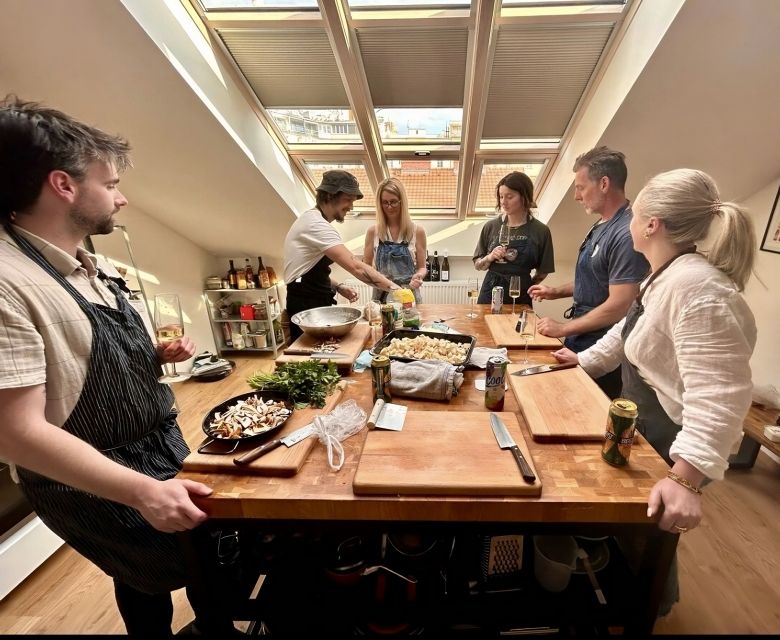
Once the shopping is done (or the evening version has started with food and wine), you’ll head to the cooking location described as the chef’s kitchen studio. This is where the class becomes truly useful.
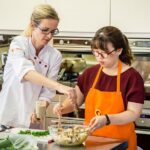
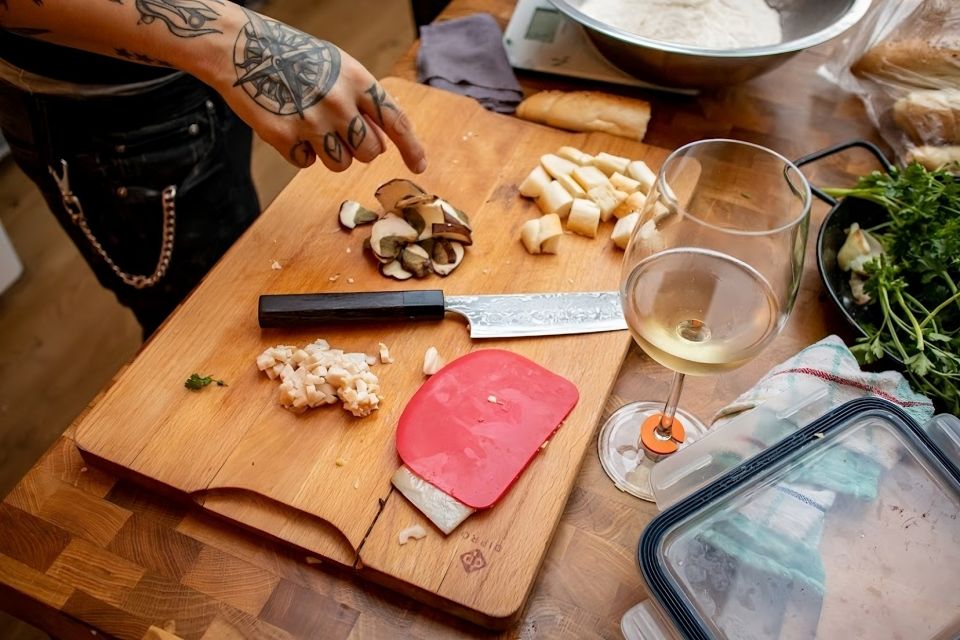
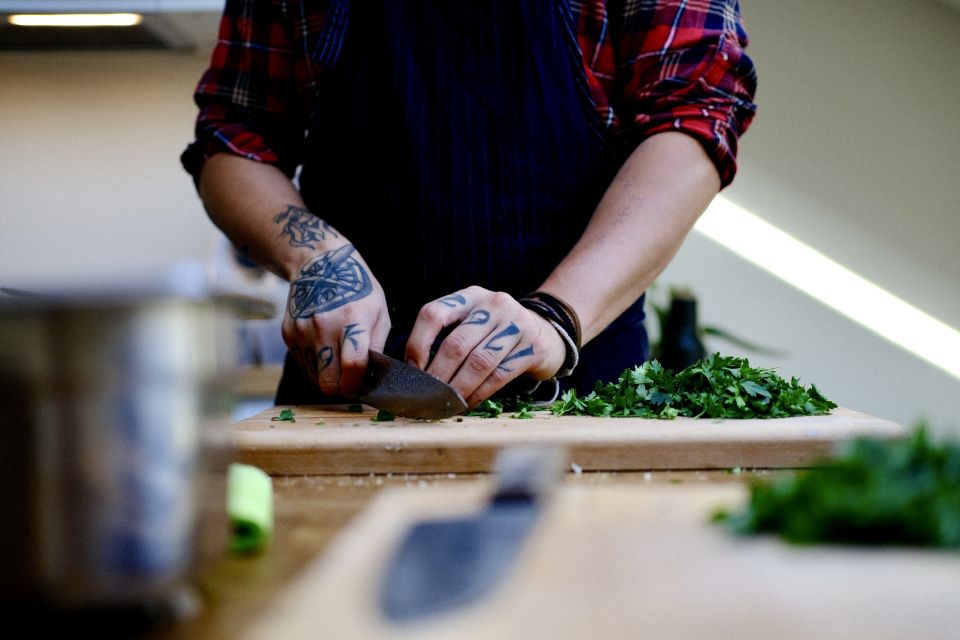
A lot of cooking classes teach recipes. This one also teaches how to cook. Expect a real breakdown of what tools you need, how to prep ingredients properly, and how Czech cooking techniques work in the pan and pot. Knife work comes up repeatedly in the feedback, including learning how to hold a chopping knife correctly. If you’ve cooked at home but never trained your grip, this is the kind of skill that makes everything faster and safer.
You’ll also learn how to choose ingredients, not just how to assemble them. That includes things like picking fresh produce and understanding spice aromas. The goal isn’t to make you a Czech chef overnight. It’s to give you enough technique that your next attempt at Kulajda or goulash doesn’t fall flat.
There’s one more practical advantage: the class is built around a three-course menu and you’ll do most of the work yourself. You’ll still get coaching and correction, but you won’t spend the evening as a spectator. Several accounts highlight that Ondřej Molina keeps the atmosphere fun, patient, and even funny while still giving strong instruction.
Your Czech menu: Kulajda, goulash with dumplings, and povidlové buchty
Let’s talk about what you actually cook. The menu is classic Czech comfort food, but it’s structured so you learn multiple techniques instead of repeating the same step three times.
Kulajda soup: dill-forward comfort with creamy depth
Kulajda is a traditional Czech soup, known for flavors that balance tangy richness with herby freshness. In the class format, you’re not just tasting—it’s part of the lesson menu, so you’ll practice how to build flavor and get the soup to a satisfying texture. In the feedback, dill and foraged mushrooms show up as market finds that made the soup especially memorable, which tells you the chef’s ingredient choices matter here.
You can also read our reviews of more tours and experiences in Prague
Beef goulash with dumplings: sauce you learn to manage
Goulash is the Czech dish everyone thinks they know—until they taste a properly executed version. Here you’ll cook beef goulash with dumplings, which is a great combo because it forces two skill sets: making a rich, savory sauce and getting dumplings right so they’re tender and not gluey.
More than one account mentions the goulash as a standout, even compared with later days spent eating in Czech regions. That’s a useful signal for your expectations: this isn’t a “simple dish” demo. It’s a meal that requires attention.
Povidlové buchty: a plum-filled dessert that sticks with you
For dessert you’ll make povidlové buchty, typically a sweet baked item filled with plum preserves. You’ll get the chance to finish off the menu with something unmistakably Czech—sweet, comforting, and not overly complicated once you’ve seen the process.
Drinks during the class: wine, beer, and pairing you can copy at home
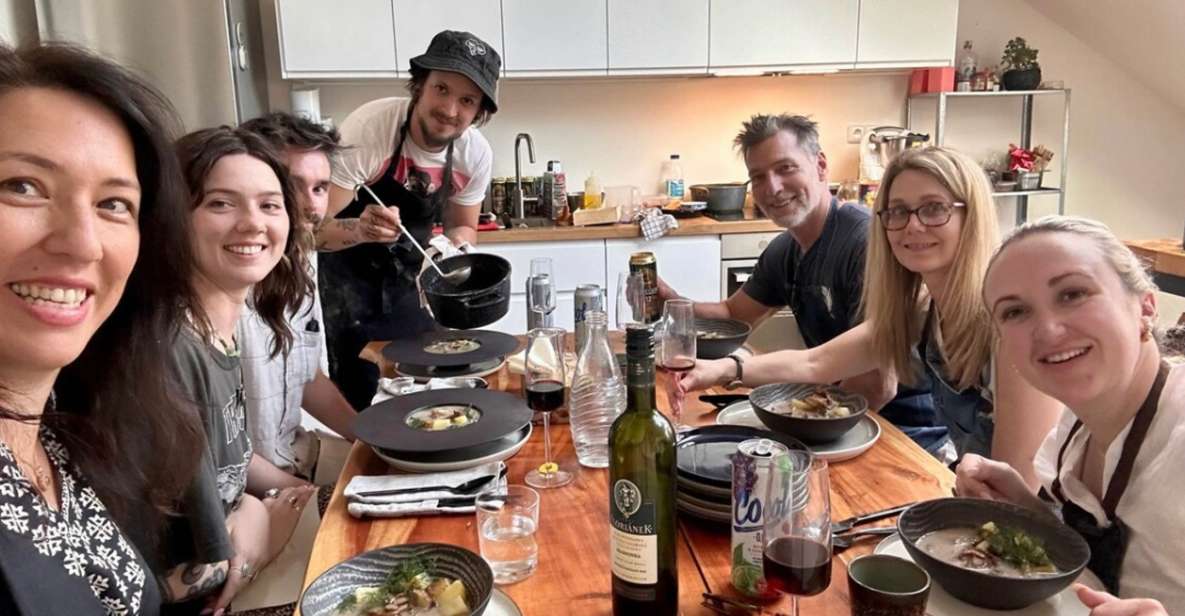
This experience isn’t dry. During the activity you’ll have snacks, a wine tasting, and drinks included such as wine, beer, coffee, and non-alcoholic beverages.
From a value standpoint, this matters. Many “food experiences” charge extra for alcohol, but here it’s wrapped into the session and tied to the meal you’re making. It’s also a gentle way to learn pairing logic. You’ll see how local wines and beer fit next to Czech soups and hearty main dishes—useful if you want to recreate the whole evening at home, not just the recipe.
If you’re choosing between classes, I’d weigh this factor heavily. Eating well is the point, but drinking well—without paying separately—turns a fun class into a full Czech night out.
What you take home: printed recipes, a recipe book, and leftovers
You don’t leave empty-handed. You’ll receive printed recipes (and a recipe book covering what you cooked, plus extra recommendations). There are also take away boxes, so you can bring leftovers home.
This is where the class becomes more than a memory. If you’re the type who likes cooking after your trip, printed instructions and the menu you made are a huge advantage. It also helps you repeat the dishes with fewer mistakes, because you can follow the version you cooked rather than guessing from vague online recipes.
You’ll also get recommendations on good spots for food and wine in Prague. That’s not just small talk; it’s practical help for the rest of your trip, especially if you want places that fit the Czech food theme rather than generic tourist menus.
Price and value: is $155 per person worth it?
At $155 per person for a 270-minute experience, you’re paying for more than ingredients. You’re paying for: (1) market shopping, (2) chef-led instruction, (3) a full three-course meal you cook, (4) drinks, (5) printed recipes, and (6) take-away containers.
Here’s how I’d judge value for your money:
- If you want to eat one great meal in Prague and call it a day, you could spend less than $155. But you wouldn’t learn technique, and you wouldn’t get the ingredient-shopping experience.
- If you cook at home or even just want better kitchen skills, the skill component is the big reason this price can make sense. Knife technique, sauce management, and dumpling know-how are the kind of things you can use for years.
- If you drink wine or beer with meals, the included tastings and dinner drinks quietly add up. You’re not paying separate bar prices on top of the class.
The main “hidden cost” is time: 4.5 hours is a commitment. If your schedule is tight, this can be harder to slot than a shorter tour. But if you’re staying near central neighborhoods and want a real Czech evening, it’s a solid use of your day.
Who this class suits best (and who should think twice)
This is a good fit if you:
- enjoy cooking and want real technique, not just a meal
- like hands-on experiences where you do the work
- want a Czech menu you can repeat at home
- enjoy market-style food travel, where shopping is part of the story
It may be less ideal if you:
- strongly prefer not to cook or prep ingredients (this is active)
- need strict dietary accommodations that you haven’t discussed in advance, because the session is built around shared cooking and then shared eating
A balanced take on the group dynamic and pace
A small group can be a big plus in cooking classes because you get more attention. In at least one instance, when another couple canceled, the chef still ran the complete market and class with fewer people. That kind of setup usually means more direct coaching.
Still, remember you’ll be working in a shared environment. In one account, a participant’s religious dietary restrictions created tension and impacted the class rhythm when the person left before the final meal. I’m not blaming the guide—just flagging the reality: this experience runs on group flow, and the smoothest sessions happen when dietary needs are communicated early and everyone stays aligned with the plan.
Should you book this Prague Czech cooking class?
I’d book it if you want a Czech evening that’s both practical and memorable: market ingredient choices, chef-led knife and cooking instruction, and a real three-course menu ending with povidlové buchty. At $155, it’s not the cheapest thing you can do in Prague, but it’s the kind of activity where you leave with skills, recipes, and leftovers—not just photos.
If you want to spend your time mostly sightseeing without cooking, pick a different type of tour. But if you’re the sort of person who likes to learn how dishes are made and then recreate them later, this one is worth the slot in your itinerary.
FAQ
What is the duration of the Prague cooking class?
The activity lasts 270 minutes.
Where do I meet the guide?
Meet at Holešovice Food Market (Holešovická Tržnice), in front of Hall 22 next to Pekárna. If it rains, the guide waits inside Hall 22.
How much does the experience cost?
The price is $155 per person.
What dishes will I cook?
You’ll prepare a three-course traditional Czech menu: Kulajda (Czech soup), beef goulash with dumplings, and povidlové buchty (dessert).
What drinks are included?
Wine tasting is included, along with wine, beer, coffee, and non-alcoholic drinks during the activity.
Is transportation included?
Transportation from the market is included, but hotel pickup and drop-off are not included.
What language is the instructor?
The instructor speaks English and Czech.
Is the class wheelchair accessible?
Yes, it is wheelchair accessible.
What if I have allergies?
You should contact the supplier in advance about allergies.