REVIEW · PRAGUE
Prague: City Tour in Full
Book on GetYourGuide →Operated by Los Torres s.r.o. · Bookable on GetYourGuide
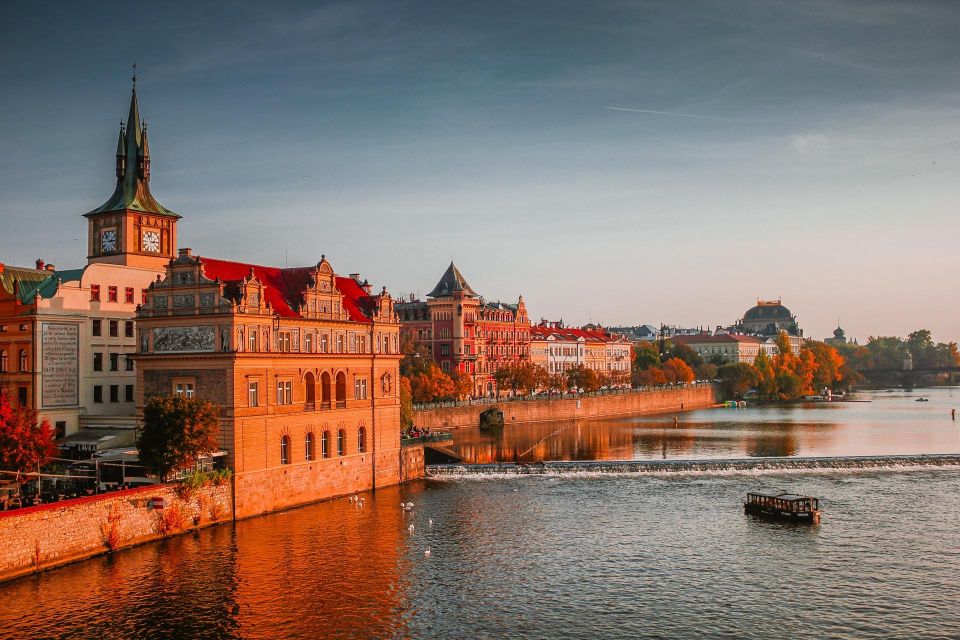
Prague looks best when someone points things out. This full city circuit is packed with great views and the kind of monuments and legends that make the city feel real fast. My favorite parts are getting the big-picture layout from Malostranská while still stopping for the details, from Prague Castle’s courtyards to Charles Bridge’s saint statues. One thing to think about: it’s a long day (about 6.5 hours) and public transport isn’t included, so you’ll want to plan your legs and your tickets.
You’ll meet at the Malostranská Metro station and follow a route that mixes tram rides with walking in classic Prague neighborhoods. The tour is in Spanish, and guides like Pacifico, Paola, Carlos, and Yoshi have been praised for handling questions and keeping the pace comfortable so you can actually enjoy the stops. If you prefer a slow, free-roaming day with zero structure, this guided loop may feel a bit too organized.
In This Review
- Key highlights you will care about
- First stop: Malostranská Metro, trams, and fast orientation
- Prague Castle: four courtyards and St. Vitus Cathedral’s tombs
- Jan Neruda, the plague column, and St. Nicholas domes
- Charles Bridge: baroque saints and the St. John Nepomuceno wish
- Old Town surge: Old Town Square, Jan Hus, and the Astronomical Clock
- Typical Czech lunch, beer, and why food breaks matter
- Jewish Quarter stops: Spanish Synagogue and the cemetery
- Kafka’s home area and Paris Street to Old Town Square
- Charles University, the Black Madone cubist house, and the Powder Tower
- Municipal House and the wrap-up near Charles Bridge
- Price and value: $38 for a long, guided circuit
- Who should book this Prague City Tour in Full
- Final decision: should you book it?
- FAQ
- Where does the tour start?
- How long is the Prague City Tour in Full?
- What language is the tour guide?
- Is public transport included?
- Is lunch included?
- Is there a boat ride?
- Are pets allowed?
Key highlights you will care about

- Prague Castle courtyards and St. Vitus Cathedral with the tombs of Bohemian kings and patrons
- Charles Bridge traditions, including the St. John Nepomuceno wish stop
- Old Town Square sights, from Jan Hus to the Astronomical Clock
- Jewish Quarter stops, including the Spanish Synagogue and the cemetery
- Practical city context as you move neighborhood to neighborhood by tram and on foot
First stop: Malostranská Metro, trams, and fast orientation
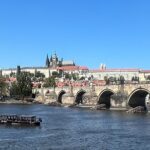
The day kicks off at Malostranská Metro station, which is a smart choice because it puts you on the Prague side where the views start early. You’ll hop on a tram to the castle area, and right away you’ll get that helpful sense of how the city sits on the river. This matters on a first trip, because Prague can feel like a puzzle unless someone gives you the picture.
After that initial transit, you’re not just wandering. The tour is built around a clear path: castle hill down to Mala Strana streets, across the iconic bridge, then into the Old Town and beyond. That structure makes it easier to keep track of what you’re seeing, and it keeps you from spending your limited time asking where everything is.
You can also read our reviews of more city tours in Prague
Prague Castle: four courtyards and St. Vitus Cathedral’s tombs
Your route climbs into the Prague Castle neighborhood and includes passing control at the castle. That simple detail changes the experience: you’re not guessing which gates to use or how to enter efficiently. Once inside, you visit the four courtyards, which is a great move because it breaks the complex castle grounds into manageable chunks.
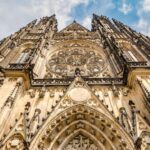
Then comes St. Vitus Cathedral, the big centerpiece. You’ll learn that its construction took 1,000 years, which helps you understand why the style feels layered rather than one single look. The cathedral also holds the tombs of the patterns and kings of Bohemia, so it’s not just postcard architecture. You’re seeing where political power and spiritual meaning overlap.
Practical takeaway: if you want Prague’s most famous monument to feel more than impressive, this is where the guide turns it into a story you can remember. The cathedral stops well with photos, but leave space to actually look up, not only forward.
Jan Neruda, the plague column, and St. Nicholas domes
Leaving the castle area, you go down toward Jan Neruda Street, one of the few streets that still carries the mystical house symbolism that existed before Maria Theresa I of Austria. Even if you don’t read every detail, it’s the kind of street feature that makes you slow down. Instead of generic sightseeing, you start noticing how Prague marked buildings and identities.
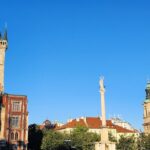
Back in Mala Strana, there’s a Plague Column stop and then St. Nicholas Church. The domes are a key visual anchor, and you’ll hear how you can spot that shape again from the direction of the Charles Bridge. That repetition is useful. Prague can be confusing, but when you learn a landmark you can recognize from multiple angles, you build a mental map fast.
Charles Bridge: baroque saints and the St. John Nepomuceno wish
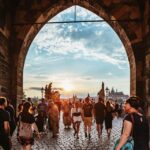
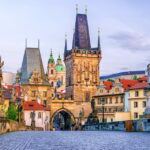
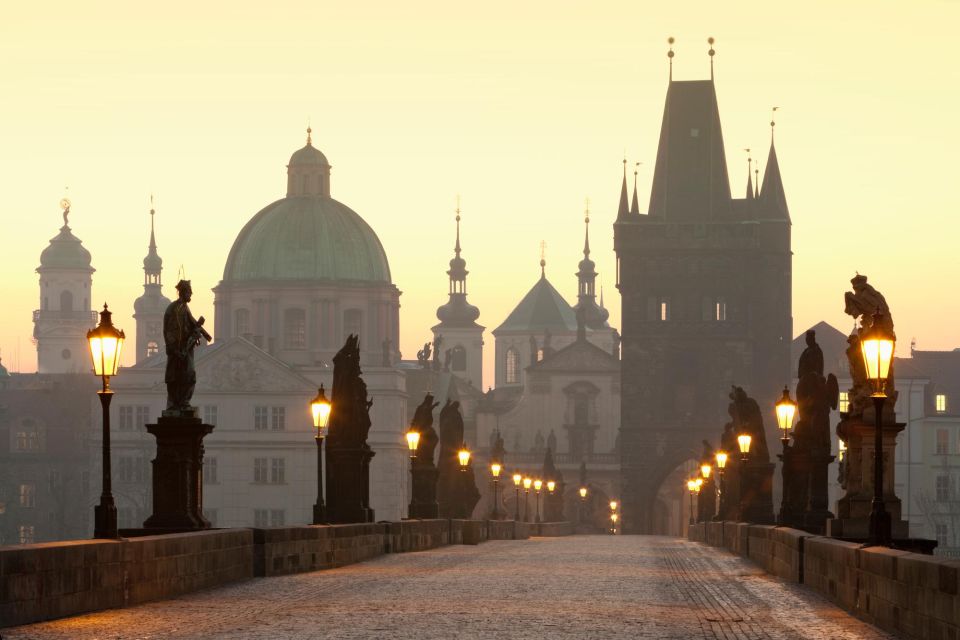
Crossing over the river is where Prague turns into legend mode. Throughout Charles Bridge, you’ll observe the baroque sculptures of saints of Bohemia. The bridge is crowded in many seasons, but the guided approach helps you look past the immediate traffic and focus on the statues and the stories tied to them.
One of the most memorable moments is the stop for St. John Nepomuceno, where there’s a long-running tradition of making a wish. The tour frames it as a must-do if you want to return to Prague, which makes the stop feel playful instead of just ceremonial.
This is also where the tour earns its keep as a first-timer experience. You get the meaning behind the bridge’s famous lineup of figures, not only the fact that it’s famous.
Old Town surge: Old Town Square, Jan Hus, and the Astronomical Clock
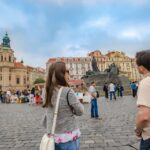
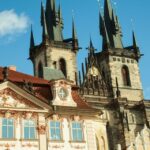
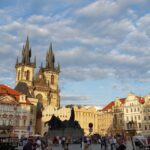
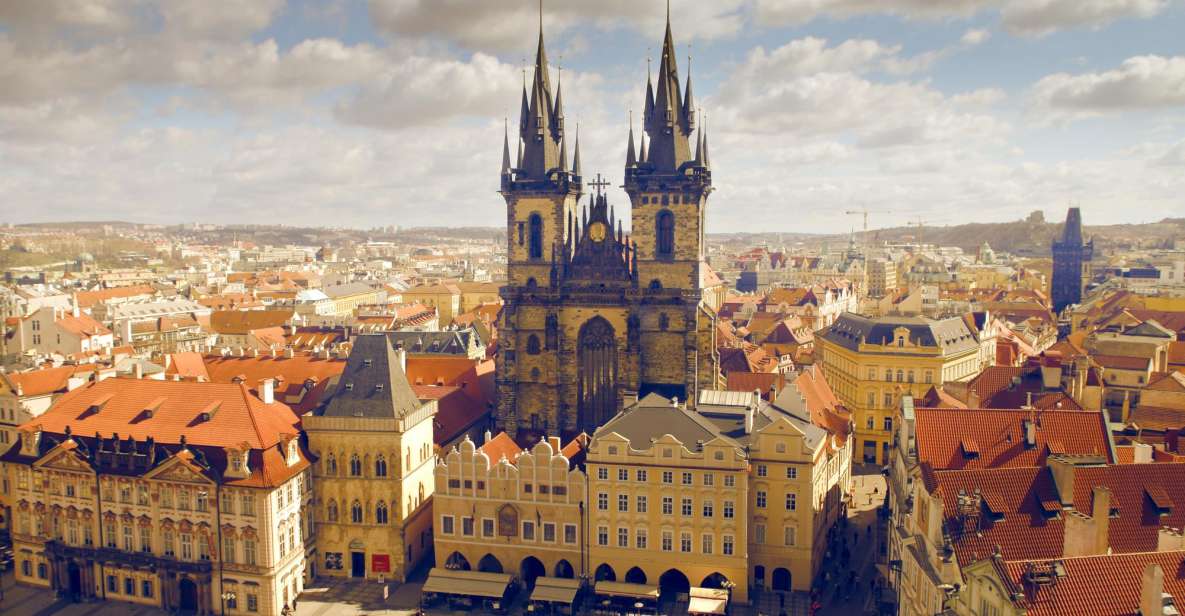
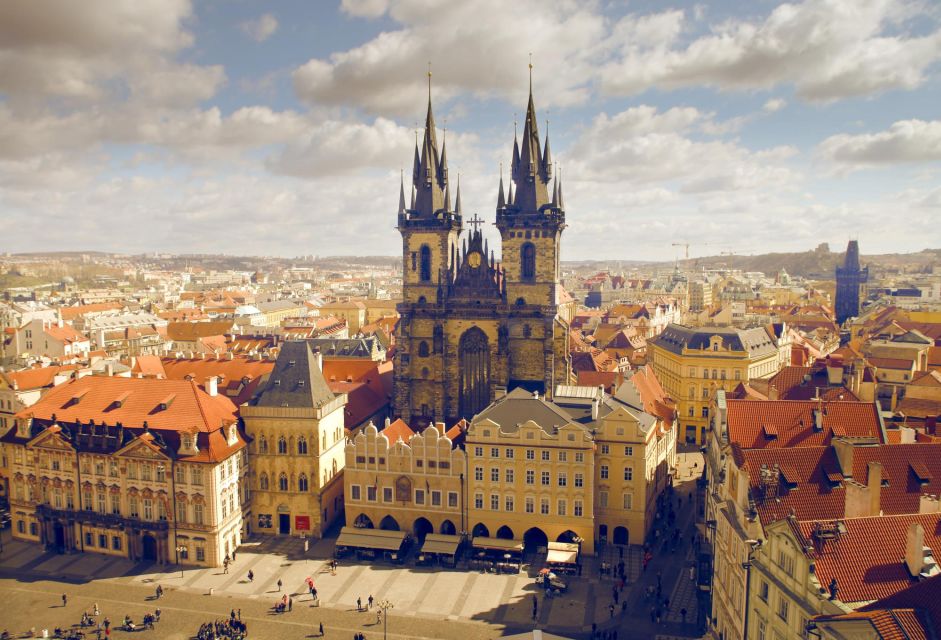
Once you reach the Old Town side, it’s time to recharge a bit and then head into the most famous central zone. You’ll arrive at Old Town Square, where Jan Hus stands as a major historical figure. From there, you’ll see Our Lady of Tyn, the old City Hall, and the Astronomical Clock, including the mysteries it hides.
The Astronomical Clock is one of those sights where without context it can feel like you’re watching something go by. With a guide, it becomes easier to follow what you’re looking at and why people still gather around it. You also get a sense of how the square functioned as a civic stage, not just a scenic backdrop.
A quick note on comfort: this is the point where a longer day starts to catch up to you. If you need a minute, take it between viewing angles. The guide’s job is to keep you moving, but you still control your pace at the moment.

Typical Czech lunch, beer, and why food breaks matter
Mid-route, you’ll stop to eat at a typical Czech restaurant in the central area. There’s also a nod to beer, so if you like the local style, you’ll have a chance to make lunch feel like part of the Prague experience rather than a rushed fuel stop.
Why I like this structure: the day includes heavy monuments early and big urban sights afterward. A proper food break prevents the classic first-day trap where you’re too tired to notice anything. You’ll be ready to continue because you’re not trying to push through hunger while staring at carvings.
Also, food is marked as optional. So you can choose what fits your energy and budget without losing the core city route.
Jewish Quarter stops: Spanish Synagogue and the cemetery
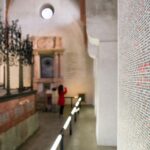
Next up is the Jewish neighborhood, with stops that focus on both architecture and memory. You’ll see precious synagogues, including the Spanish Synagogue, and you’ll also visit the cemetery area, which adds weight to the visit.
This part works best when you allow it to be quiet in your head. Synagogues are visually striking, but the cemetery stop changes the tone. You start understanding the neighborhood not only as a historical theme but as a place connected to real lives and long timelines.
A tour can easily rush this. Here, the route keeps you in the neighborhood long enough to feel the contrast between ornate interiors and reflective surroundings.
Kafka’s home area and Paris Street to Old Town Square
As you transition through central areas, you’ll pass by the church of San Nicolás and the home house of Franz Kafka. You’ll also walk along Paris Street as you move toward Old Town Square.
Kafka is one of those names that travels well. Even if literature isn’t your main focus, the guide’s framing helps you connect Prague’s physical settings to the idea of Prague as a place of thought, writing, and atmosphere. It’s not about turning the city into a museum of famous people; it’s about noticing that Prague carried thinkers as well as kings.
Charles University, the Black Madone cubist house, and the Powder Tower
After Old Town Square, the route moves into a stretch that’s less about one single icon and more about Prague’s institutions and design quirks.
You’ll observe the founding headquarters of the Carolina University, described as the oldest university in Central Europe. That helps you see Prague as an education hub, not only a medieval postcard. Then you’ll see the Cubist House of the Black Madone, which is a great reminder that Prague didn’t stop evolving after the classic Gothic and baroque eras.
There’s also a stop at the Torre de la Pólvora, also known as the Powder Tower. It’s a visual change of pace, and it keeps you moving beyond the main river-and-square orbit into a broader view of city structure.
Municipal House and the wrap-up near Charles Bridge
The tour ends at the Municipal House. This closing stop is useful because it feels like a finishing chapter: you leave the older core and land on a landmark that signals modern Prague identity.
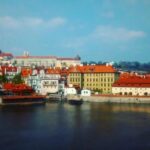
Depending on how your group times it, you may also find yourself oriented back toward the Charles Bridge area at the end, since the route starts in Mala Strana and loops across to the Old Town side. Either way, by the time you’re done, you’ll likely understand the river and old-center layout better than when you arrived.
Price and value: $38 for a long, guided circuit
At about $38 per person for roughly 390 minutes (around 6.5 hours), this isn’t a quick photo walk. You’re paying for Spanish-speaking interpretation plus a guided route that touches major landmarks across multiple neighborhoods.
What you get included is a Spanish speaking tour guide throughout. Food is optional, and an optional boat ride may be part of the experience for those who want it. The big catch: public transport tickets are not included, so budget for that day-to-day cost.
Here’s how I’d judge the value in real terms. If you’ve got a first-time visit and you want to hit the castle, Charles Bridge, Old Town Square, and the Jewish Quarter in one go, a guided circuit makes the day feel efficient. If you already know Prague well and you mostly want to wander, you might prefer free exploration instead of paying for narration. For many visitors, though, $38 for a guided, structured full day with major stops is a fair deal.
Who should book this Prague City Tour in Full
This tour is a good match if you want:
- A first-trip orientation built around Prague’s top landmarks
- A Spanish-speaking guide to help you connect monuments to stories and legends
- A day that mixes big icons (castle, bridge, square) with neighborhood character (Jan Neruda, Jewish Quarter)
It may be less ideal if:
- You dislike set schedules and fixed routes
- You want a very slow pace with lots of free time
- You’re traveling with a plan that requires frequent self-directed detours
Also note: pets are not allowed, so keep that in mind if you’re traveling with an animal.
Final decision: should you book it?
If your goal is to understand Prague fast, this is the kind of tour that saves your time and boosts your enjoyment. The route hits the essential sights in a logical flow from Malostranská to the castle and down to the bridge, then into the Old Town and Jewish Quarter, ending at the Municipal House. With a Spanish-speaking guide and plenty of landmark-focused stops, you’ll come away with a clearer sense of what matters and why.
Book it if you like being guided and you’re okay spending most of the day on your feet. Skip it if you’re looking for total freedom or a shorter, less structured day.
FAQ
Where does the tour start?
You meet at the Malostranská Metro station.
How long is the Prague City Tour in Full?
The duration is 390 minutes (about 6.5 hours).
What language is the tour guide?
The tour is conducted in Spanish.
Is public transport included?
No. Public transport ticket(s) are not included.
Is lunch included?
Food is listed as optional, meaning you can choose whether to include it.
Is there a boat ride?
A boat ride is optional as well, depending on how your day is set up.
Are pets allowed?
No. Pets are not allowed on the tour.