REVIEW · PRAGUE
Prague: Museum of Torture Entry Ticket
Book on GetYourGuide →Operated by Museum of Torture · Bookable on GetYourGuide
Prague’s cellar tour gets dark fast. I like the way the museum pairs torture-law context with hands-on exhibits, so you’re not just looking at scary objects—you’re learning how the system worked. I also appreciate seeing period engravings and major replicas in a focused Celetná Street setting. One drawback to weigh up: the content is graphic, and at least one confirmed visitor reported a strong smell related to mold and messy wall conditions.
As you move through the reconstructed spaces, the exhibition stays grounded in explanation. You’ll encounter textual info and documents that explain how torture law was applied across centuries, including what it meant for real court practice and society afterward.
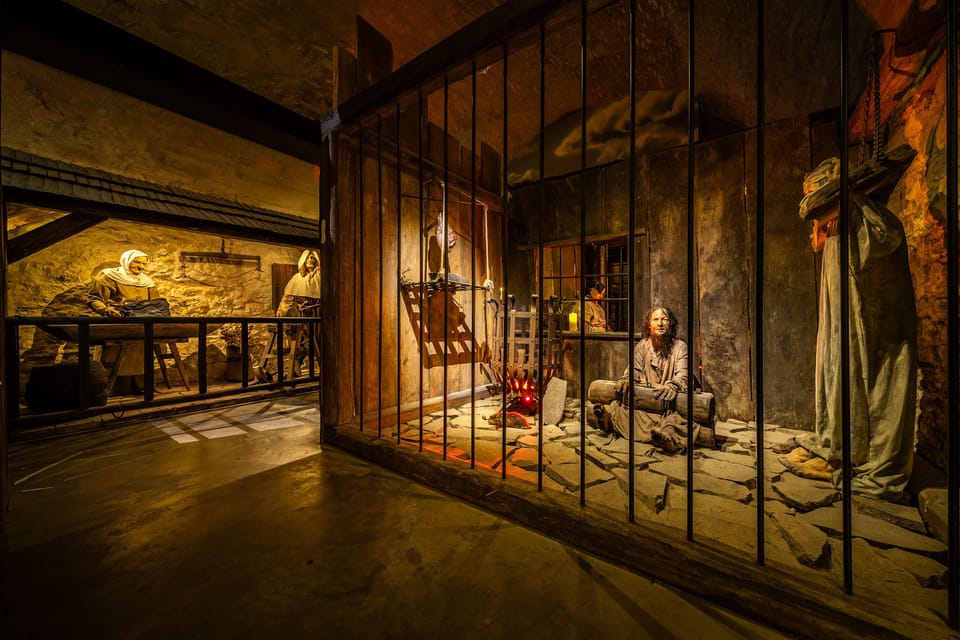
The atmosphere is supported with wax figures in period-like placements, plus sound effects and two special audiovisual moments. That’s part of the show’s punch, but it also means you should think twice if you’re sensitive to dark, heavy themes. There’s an English host/greeter, and the exhibition is presented in English.
In This Review
- Key things that make this ticket worth your time
- Museum of Torture on Celetná Street: what the space does to your visit
- Torture law explained through documents and engravings
- Instrument gallery: iron maiden, Spanish boot, rack, and the pear
- Wax figures, sound effects, and the two audiovisual moments
- How to pace your visit in one day (and not get overwhelmed)
- Price and value: is $9 a good deal?
- Who this Prague torture museum ticket fits best
- Should you book the Prague Museum of Torture entry ticket?
- FAQ
- FAQ
- Where is the Museum of Torture located in Prague?
- How much is the entry ticket?
- How long is the ticket valid?
- How many exhibits will I see?
- What languages are available?
- Are there audiovisual effects?
- What torture instruments are shown?
- Does the museum explain the legal context, or only show instruments?
- Is it suitable for children?
- Is there free cancellation?
Key things that make this ticket worth your time
- Torture law, not just gore: you get legal and historical context alongside the objects
- 100+ exhibits in a tight space: around 400m² with dozens of period engravings
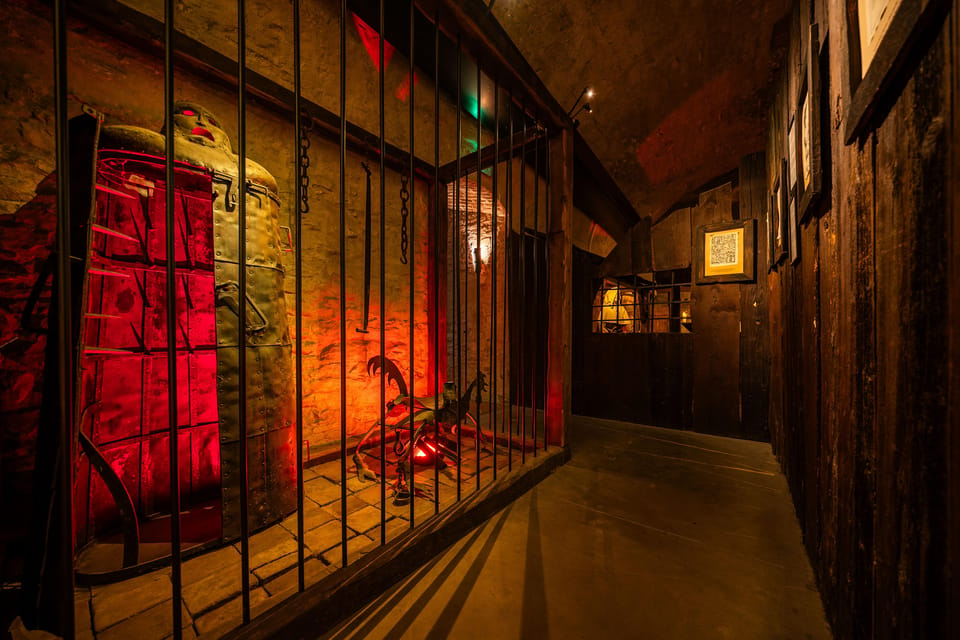
- Famous instrument replicas: including the iron maiden, Spanish boot, rack, and pear
- Cellar setting on Celetná Street: reconstructed spaces help the story feel physical
- Special audiovisual effects: plus sound effects and wax figures in authentic settings
Museum of Torture on Celetná Street: what the space does to your visit
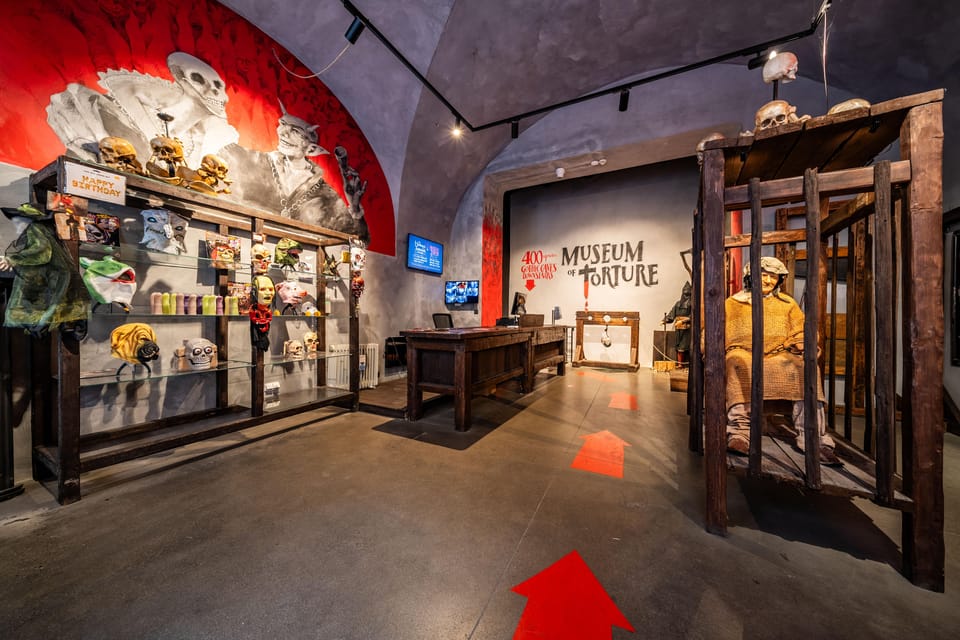
This museum sits in the central Prague area on Celetná Street, in reconstructed cellar spaces. That matters more than you might expect. Cellars are low ceilings, tight corners, and dim lighting. So even before you see a single instrument, the setting primes you for the grim topic.
The exhibition covers about 400 square meters, packed with around 100 exhibits. In practical terms, it’s designed for a single, concentrated visit rather than an all-day wander. You’ll also notice it doesn’t rely only on objects. The experience blends visuals, documents, and period engravings so the “why” keeps showing up next to the “how.”
There’s an English host/greeter, which helps if you want to confirm how the exhibition flows or what to pay attention to. And since the museum is presented in English, you won’t feel left out if you don’t speak Czech.
You can also read our reviews of more tours and experiences in Prague


Torture law explained through documents and engravings
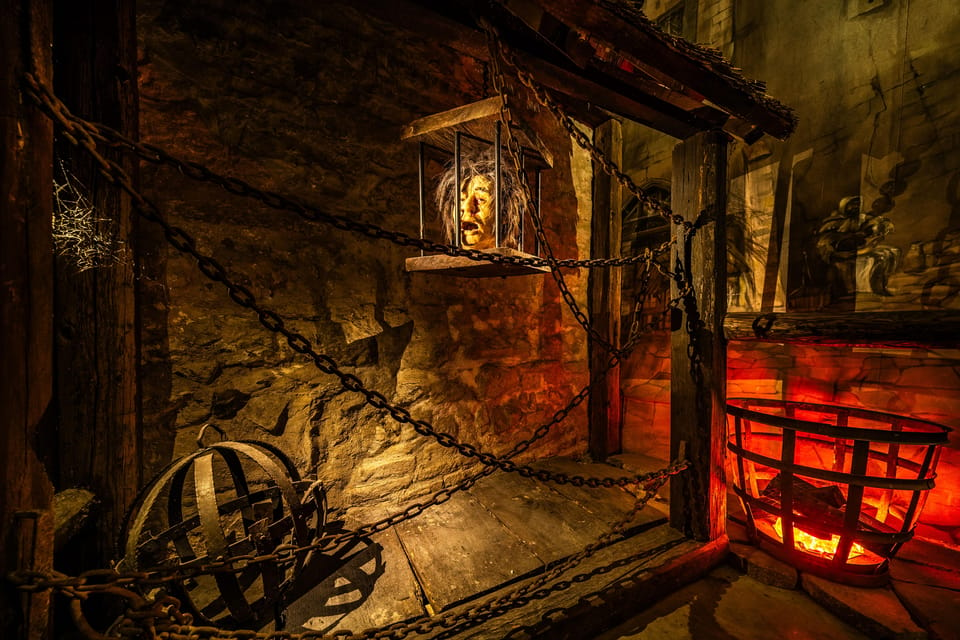
What I liked most is that the museum treats torture as a legal tool, not just a collection of props. The exhibition explains ways torture law was applied over the centuries, including how it fit into judicial processes and the consequences that followed for society.
Instead of leaving you with guessing, you’ll find textual information and documents that provide historical and legal context. You’ll also see dozens of period engravings, which help frame the subject in the visuals used at the time. That kind of historical material changes the feel of the visit. You’re not only reacting emotionally to replicas; you’re also reading and interpreting what the legal system claimed to do.
This is also where the museum earns its name. It isn’t only about instruments. It’s about the rules, the application, and the ripple effects after verdicts and punishments.
Instrument gallery: iron maiden, Spanish boot, rack, and the pear
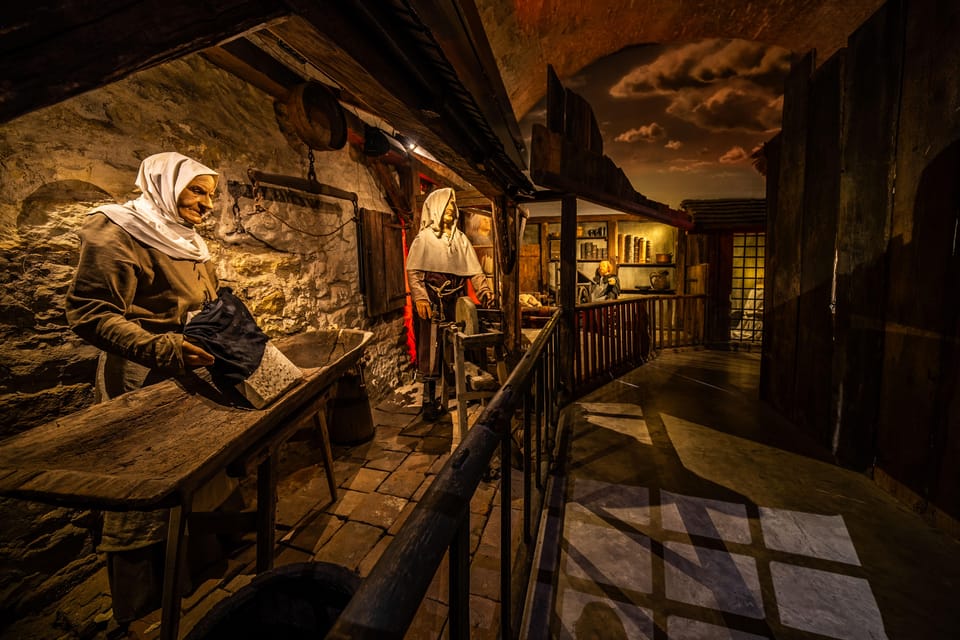
The replica collection is the core visual draw. You’ll see detailed recreations of famous torture instruments, including the iron maiden, the Spanish boot, the rack, the pear, and many others.
The exhibition connects these objects to purpose: they’re shown in the context of how torture instruments were used to extract confessions or punish offenders. That pairing matters. Looking at a replica on its own can feel like shock entertainment. When it’s linked to the legal “job” it served, you understand the mechanism and the aim—whether it was confession-seeking or punishment.
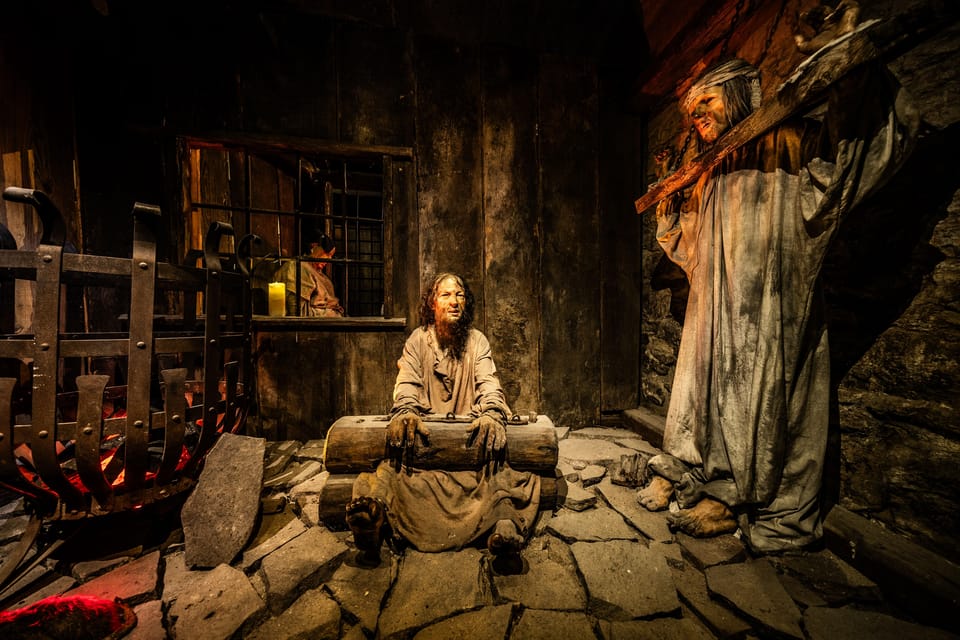
The museum also uses wax figures placed in more authentic settings. That pushes the experience from “museum viewing” closer to “historical reenactment vibe,” which can be intense. If you’re sensitive to graphic historical themes, you’ll want to pace yourself or reconsider the visit entirely.
Wax figures, sound effects, and the two audiovisual moments
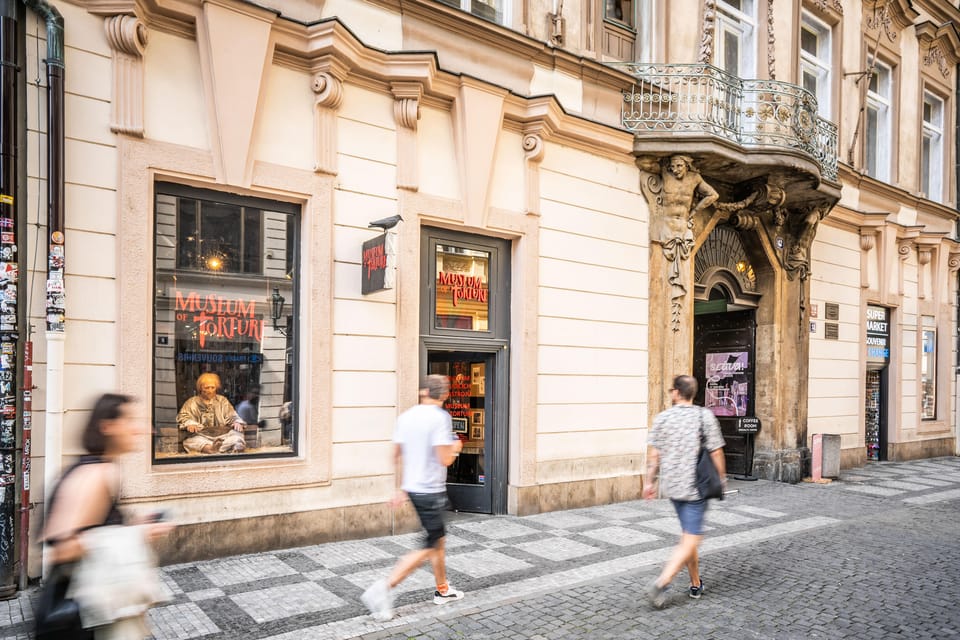
Atmosphere is a big part of why this place keeps getting talked about. The exhibition uses sound effects and especially two special audiovisual effects to intensify the cellar tour.
In a practical sense, these effects help you move through the space with a clearer sense of timing and emphasis. You’re guided—emotionally, not in a classroom way—so key sections feel more like scenes than static displays.
Wax figures add another layer. They make the setting feel populated, which can make the subject harder to separate from the real-world human story behind the law. If you prefer museums that rely mainly on text labels and object viewing, this one may feel more theatrical than you expect.
And again, because the content is inherently graphic, the museum comes with a warning: it’s not recommended for sensitive individuals or young children.
How to pace your visit in one day (and not get overwhelmed)
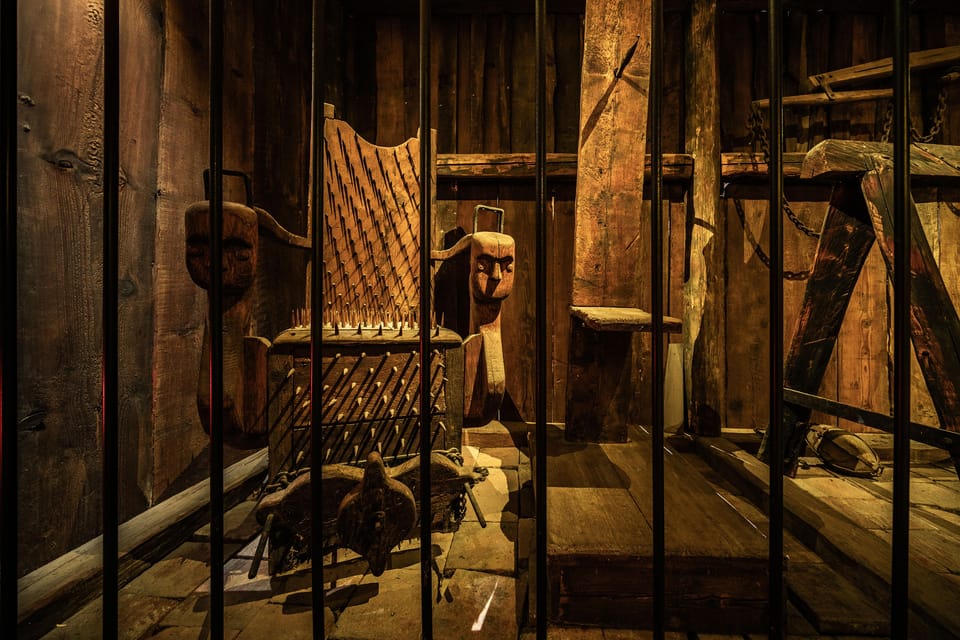
The ticket is valid for one day, and you’ll check available starting times. That suggests the museum expects you to enter within a planned window and complete the experience within the same general visit stretch.
Since the exhibition spans about 400m² with around 100 exhibits, you can realistically see a lot without rushing. I’d still recommend a “slow scan” strategy: let your first pass be about context (law, documents, engravings). Then use your second pass—if you have time—to focus on instrument details and how each one connects back to confession or punishment.
This museum is the type where your mood matters. Sound effects and dark settings can tire you faster than typical gallery rooms. If you feel yourself getting overwhelmed, stepping back for a minute in a quieter area can reset your focus.
You can also read our reviews of more museum experiences in Prague






Price and value: is $9 a good deal?
At about $9 per person, this ticket is priced to stay accessible. For that money, you’re getting a tight exhibition with around 100 exhibits, dozens of period engravings, textual documents, wax figures, and sound plus two audiovisual effects. You’re also not paying extra for “just the highlights.” The entry ticket is what you need.
So is it good value? For the right visitor, yes. If you want a compact way to understand how torture law was used over centuries—and not just view famous instruments—$9 feels like a bargain.
But value also means being realistic about quality-control and comfort. The overall rating sits at 3.6 from 317 reviews. And one confirmed booking raised a specific complaint: a strong smell described as black mold, plus dark walls with visible mold and peeling. That doesn’t mean it’s universal. Still, it’s a clear reminder that you should consider your personal comfort and sensitivity to odors and room conditions.
Who this Prague torture museum ticket fits best
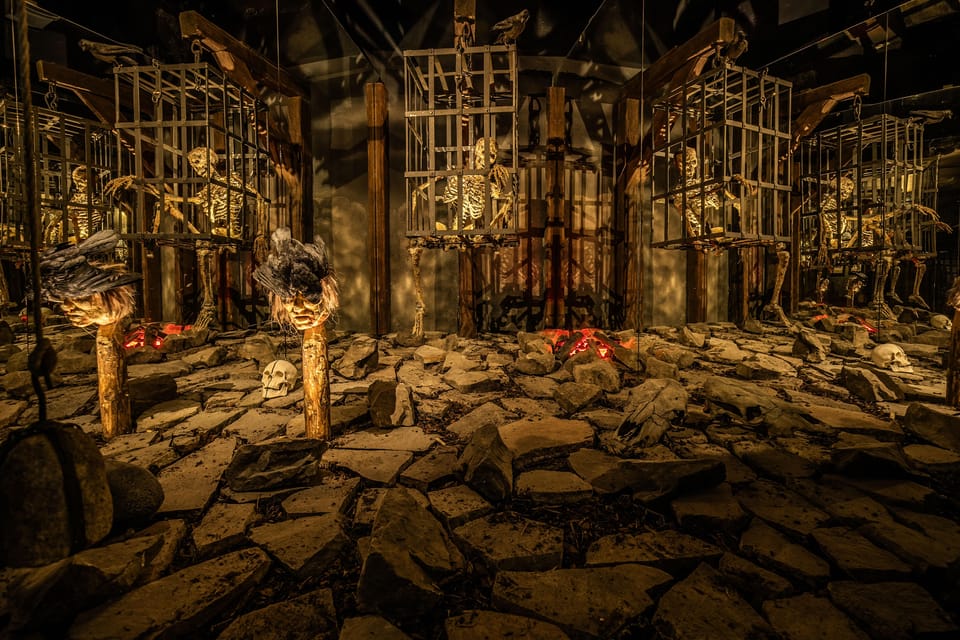
This is best for adults who want uncomfortable history presented in a direct way. If you like learning how systems worked—how laws were applied, how courts made decisions, and how that affected society—this museum gives you that backbone alongside replicas and period visuals.
You’ll likely enjoy it if you’re curious about:
- the link between torture law and judicial process
- why confession-seeking was used
- how multiple centuries are presented through documents and engravings
You should skip it—or at least think very carefully—if you’re sensitive to graphic content, or if you’re planning for young children. Even if a child is okay with scary stories, the warning is specific: the exhibition isn’t recommended for young children due to graphic content.
Should you book the Prague Museum of Torture entry ticket?
Book this ticket if you want a short, intense, English-friendly museum stop that explains torture law and shows major instrument replicas in a cellar setting—with sound and audiovisual effects included in the price.
Skip it if you need a “light” museum day, if you’re easily upset by graphic historical material, or if odors and room conditions would genuinely ruin your experience.
If you’re on the fence, decide based on one question: do you want history explained through artifacts and atmosphere, or do you prefer museums that stay strictly neutral and text-based? This one is not neutral.
FAQ
FAQ
Where is the Museum of Torture located in Prague?
It’s in the central area of Prague, on Celetná Street, in reconstructed cellar spaces.
How much is the entry ticket?
The price is listed as $9 per person.
How long is the ticket valid?
The ticket is valid for 1 day.
How many exhibits will I see?
The exhibition displays around 100 exhibits in roughly 400 square meters, plus dozens of period engravings.
What languages are available?
The exhibition is provided in English, and there is an English host/greeter.
Are there audiovisual effects?
Yes. The museum uses sound effects and two special audiovisual effects to intensify the cellar tour.
What torture instruments are shown?
You can see replicas such as the iron maiden, Spanish boot, rack, pear, and many others.
Does the museum explain the legal context, or only show instruments?
It explains how torture law was applied over the centuries, using textual information, documents, and context about judicial processes and consequences.
Is it suitable for children?
The exhibition is not recommended for young children due to graphic content.
Is there free cancellation?
Yes. You can cancel up to 24 hours in advance for a full refund.