REVIEW · PRAGUE
Museum Story of Prague
Book on Viator →Operated by Fun in Prague, s.r.o. · Bookable on Viator
Prague’s history hits hard in the dark. This museum turns key moments into an interactive story you can follow from medieval Prague to the modern era, using film, audio, and mixed-reality effects. I like how the pacing fits into a tight visit, and how the museum gives you clear landmarks—without turning the whole thing into a lecture.
What I really like is the way the timeline is staged by themes, not random rooms. On the first floor, you get the era of knights and kings, the rise of Jan Žižka and the Hussites, and the stories behind the Old Town Hall and the Astronomical Clock. On top of that, the towering Golem figure in dim halls brings Prague folklore into the same conversation as real history.
One possible drawback: the experience leans on QR codes and scans more than I prefer. If you are not into that format, you may only use a portion of the extra content and rely more on the main audio/film layers.
In This Review
- Key things to know before you go
- Story of Prague museum: what you really get in 90 minutes
- First floor: knights, Hussites, the Clock, and the Golem in the dark
- Second floor: Nazi occupation, Prague bombing, and the Soviet era
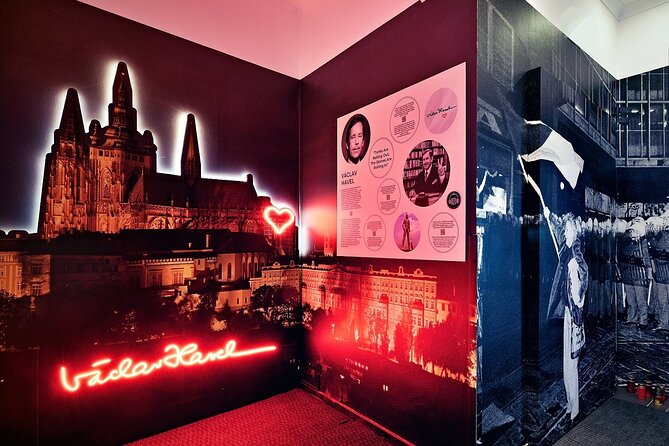
- Third floor: Velvet Revolution plus Czech achievements beyond borders
- Interactive tech, film and audio, plus the hidden room twist
- Price and value: is $19.27 worth 90 minutes?
- Practical tips for your 10:00 start time
- Should you book the Museum Story of Prague?
- FAQ
- How long is the Museum Story of Prague experience?
- What time does the experience start?
- How much does the museum experience cost?
- Do I need a paper ticket?
- What topics does the museum cover?
- Is there any practical torture demonstration?
- Is it easy to reach the museum by public transport?
Key things to know before you go
- Mobile ticket keeps your entry simple and phone-based
- Three-floor timeline covers medieval, occupation eras, and the Velvet Revolution
- Golem folklore appears in the dim, dramatic museum setting
- No practical torture demos, just historical context in a controlled way
- Hidden room plus exhibits you likely won’t see in photos
- Plenty of interactive tech, including mixed reality, films, and audio
Story of Prague museum: what you really get in 90 minutes
This is a focused museum experience built to fit about 1 hour 30 minutes. It moves fast enough that you won’t feel stuck in one room, but it still covers major eras in a clear sequence, so you leave with an actual timeline in your head.
The ticket is mobile, and the museum experience includes admission. That matters because you avoid the hassle of hunting down paper tickets or standing in long lines just to get inside.
Because the museum uses mixed reality elements, film installations, and audio, the experience is more like guided storytelling than a walk-through gallery. It’s a strong choice if you want history that feels staged and connected, not just labeled.
You can also read our reviews of more museum experiences in Prague



First floor: knights, Hussites, the Clock, and the Golem in the dark
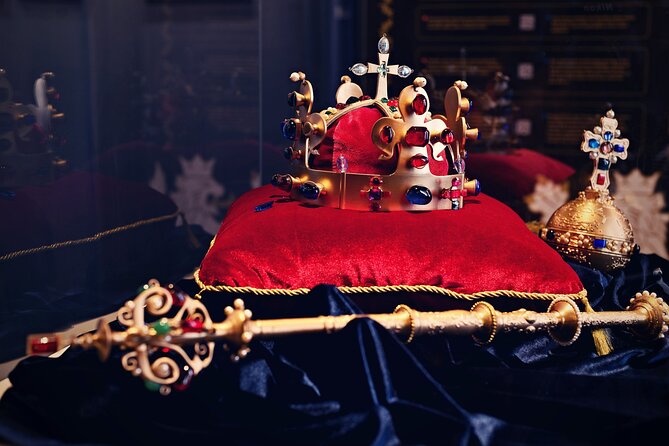
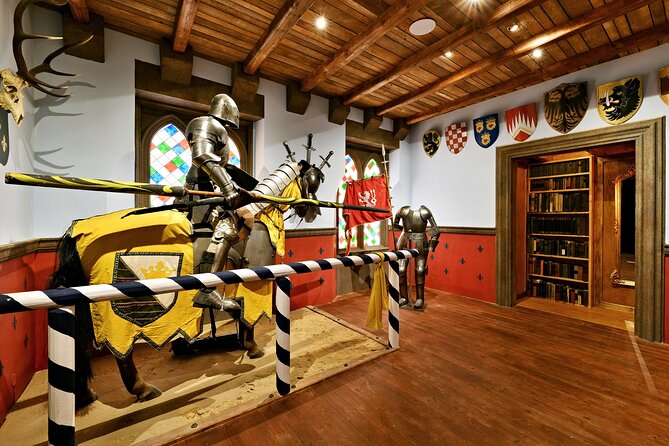
The first floor sets the stage with Prague’s earlier identity. You’ll meet the era of knights and kings, then shift into the story of Jan Žižka and the Hussites—figures that are central to understanding why Prague’s religious and political life mattered so much.
Then the museum brings in major Prague landmarks in story form: you’ll learn about the construction of the Old Town Hall and the Astronomical Clock. That’s a smart move. Instead of looking at those sites as pretty buildings you already recognize, you understand why they became symbols of civic pride and power.
There’s also a section on medieval torture. The key detail is that it’s presented without practical demonstrations. So you get context and historical framing, without turning it into live spectacle.
And yes, the Golem shows up. In dimly lit halls, a towering Golem figure stands silently, tying folklore and mysticism to the same Prague that built clocks, fought wars, and argued about faith.
Second floor: Nazi occupation, Prague bombing, and the Soviet era
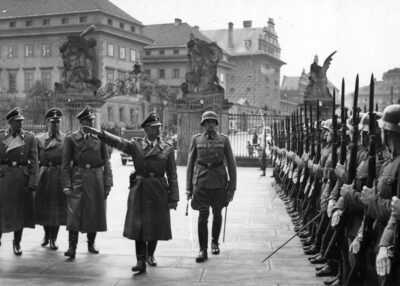
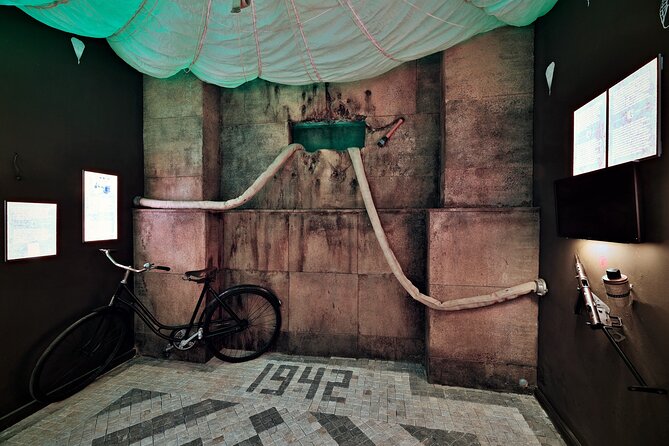
The second floor goes from medieval conflicts to the modern tragedies Prague endured. You’ll revisit the Nazi occupation, then move through the bombing of Prague and the Soviet occupation.
This portion is where the museum’s tone tends to get heavier. The good news is that it stays structured—so you don’t feel lost in a blur of names and dates. The museum’s staged timeline helps you connect events in a way that’s easier to remember later, especially when you’re out seeing the city.
One practical consideration: this floor can feel emotionally intense. If you’re visiting with kids, you might want to decide in advance how much realism you want them to witness. Since there are no hands-on torture demonstrations mentioned, the museum still seems careful about what it shows, but the occupation periods are inherently dark.
Third floor: Velvet Revolution plus Czech achievements beyond borders
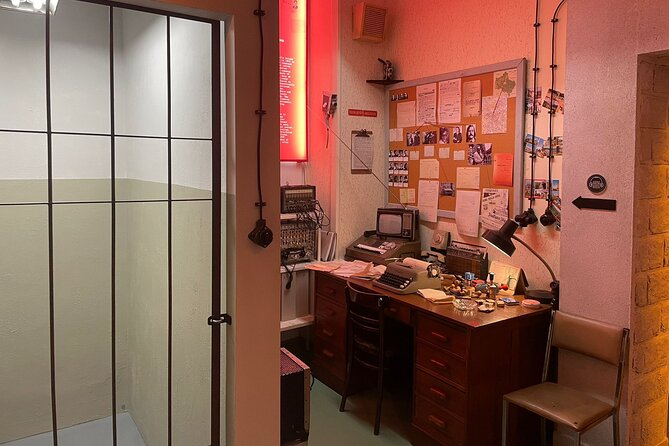
The third floor is the turnaround section. It highlights the Velvet Revolution, which is often the reason many visitors remember Prague as a city where change happened without the usual script.
Then it expands beyond slogans into the idea of Czech global achievements. That shift matters. After learning about oppression and conflict, it gives you a forward-looking takeaway: Prague isn’t only a museum of tragedies. It’s also a place that produced ideas and people whose impact went outward.
If you want one simple reason to choose this museum, it’s this ending. The story doesn’t just stop at the past. It closes with a sense of momentum—helpful when you’re trying to connect what you learned to what you see on the streets.
Interactive tech, film and audio, plus the hidden room twist
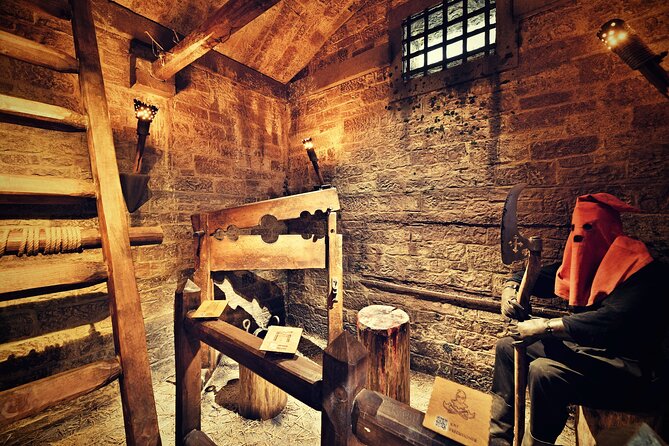
This is not a quiet museum. The Story of Prague uses mixed reality, film installations, and audio elements to connect each era to the next.
That format can be a win for most visitors because it reduces guesswork. You’re not left wondering what matters or what order to process things in. Instead, the museum does the “story linking” for you, so your brain can focus on the timeline.
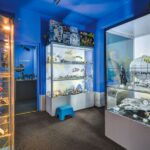
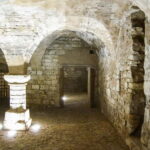
It also includes a hidden room and unique exhibits that aren’t typically seen in photographs. That’s worth your time even if you’re a scan-skipper. Hidden spaces often carry the most memorable emotional beats, and this museum clearly saves a few surprises for people who stick with it to the end.
Still, there’s that tech layer again. The museum uses QR codes, and the experience may feel QR-heavy if you prefer traditional reading. My practical advice: use QR codes when you’re curious, not as a requirement. If you skip some scans, you won’t miss the big story beats, since audio and film are also doing the heavy lifting.





Price and value: is $19.27 worth 90 minutes?
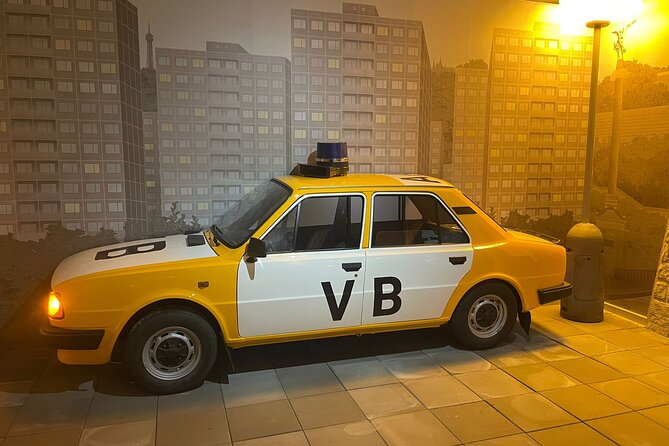
At $19.27 per person, this sits in the “small price, solid payoff” category. The big reason is that your money buys admission plus a structured, multi-floor narrative. You’re not just paying to enter a room; you’re paying for a guided-feeling museum experience with interactive tech and media.
The duration also helps value. Around 1.5 hours is enough time to learn a lot without eating your whole day. In Prague, where you can spend hours just wandering between sights, that kind of time efficiency is real value.
Another small value signal: it’s typically booked around 12 days in advance. That suggests a steady demand for a quick, ticketed activity that fits into itineraries without much planning drama.
Who gets the best value?
- People who like history told with stories, visuals, and sound
- Visitors who want a fast way to understand major Prague eras before city walks
- Anyone who dislikes museums where you only read labels and hope for the best
Practical tips for your 10:00 start time
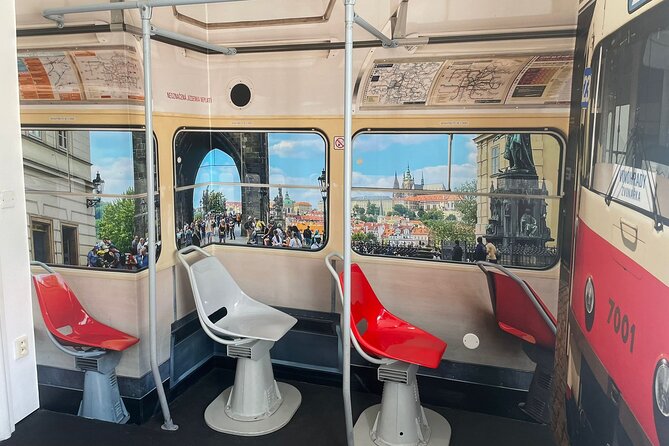
The start time is 10:00 am, and it’s near public transportation, which is what you want in Prague. Arriving early also gives you a cushion if you’re bouncing between morning sights and need time to get oriented.
Since your ticket is mobile, have your phone charged and ready. Low light is part of the experience—especially around the Golem setup—so give your eyes a moment to adjust before you start taking in details. If you’re planning photos, just remember that museum lighting can limit what comes out clearly on camera.
Finally, think about your pace. The museum’s story is designed to move you through eras efficiently. If you stop to read everything or scan every QR code, it can take longer. If you want to hit your next plan, follow the flow and treat the extras as optional.
Should you book the Museum Story of Prague?
I think this is a smart booking choice if you want a structured history overview that you can actually process in a short time. The combination of Prague’s major eras, the Golem folklore moment, and the way the museum uses film/audio/mixed reality makes it more engaging than a standard gallery.
Skip it only if you strongly dislike interactive media or know you will resent the QR-code layer. If you’d rather read at your own speed, you might find the format a little too “designed.” If that’s you, pick one or two floors to focus on and treat the rest like atmosphere.
For most visitors, though, $19.27 for about 90 minutes with a three-act narrative is good value—and it gives you context that makes later Prague street sights feel less random.
FAQ
How long is the Museum Story of Prague experience?
It lasts about 1 hour 30 minutes.
What time does the experience start?
The start time is 10:00 am.
How much does the museum experience cost?
The price is $19.27 per person.
Do I need a paper ticket?
No. You use a mobile ticket.
What topics does the museum cover?
It covers Prague history from knights and kings, Jan Žižka and the Hussites, the Old Town Hall and Astronomical Clock, plus later eras including the Nazi occupation, the bombing of Prague, the Soviet occupation, and the Velvet Revolution and Czech global achievements.
Is there any practical torture demonstration?
The museum includes medieval torture history, but it notes without practical demonstrations.
Is it easy to reach the museum by public transport?
Yes. The meeting point is near public transportation, and most travelers can participate.