REVIEW · PRAGUE
From Prague: Bastei and Dresden Small-Group Day Trip
Book on GetYourGuide →Operated by Bohemia Adventures · Bookable on GetYourGuide
Bridge views and art in one long day. You’ll start in a comfortable minivan with WiFi, then switch gears fast: panoramic stops in Saxon Switzerland and a guided look at Dresden’s rebuilt landmarks, topped off with major art moments like Raphael’s Sistine Madonna. I especially like how the trip balances outdoor wow-factor with clear, guided storytelling in the city.
Two things I like a lot: the walk across the Bastei Bridge for that famous Elbe Canyon view, and the way Dresden’s sights are pointed out so you know what you’re seeing before you reach the big names. One drawback to consider: it’s a 10-hour day with real walking on uneven surfaces, so if you hate hills and cobblestones, this may feel like a workout.
In This Review
- Key highlights you’ll actually feel
- Prague to Saxon Switzerland: a long ride that pays off
- Bastei Bridge and the Elbe Canyon viewpoints
- Neurathen ruins: when the view comes with a story
- Lunch in a German restaurant: fuel for the Dresden push
- Arriving in Dresden: rebuilt architecture with a modern rhythm
- Zwinger Old Master Gallery: Raphael’s Sistine Madonna
- Royal Palace and Frauenkirche: big monuments, clear meaning
- Your free time in Dresden: how to spend your 3 hours well
- Private vs small-group option: when customization is worth it
- Value and price: why $229 can make sense for a day trip
- What to bring, and the safety reality of sandstone + cobblestones
- Who this day trip fits best
- Should you book the Prague to Bastei and Dresden day trip?
- FAQ
- How long is the Prague to Bastei and Dresden day trip?
- What’s included in the price?
- Is pickup provided in Prague city center?
- Do I need comfortable shoes?
- What can I see in Bastei?
- What are the key Dresden stops during the visit?
- Is the tour suitable for everyone?
Key highlights you’ll actually feel
- Bastei Bridge panoramas over the Elbe Canyon and River
- Neurathen rock castle ruins across the bridge, with a guided path
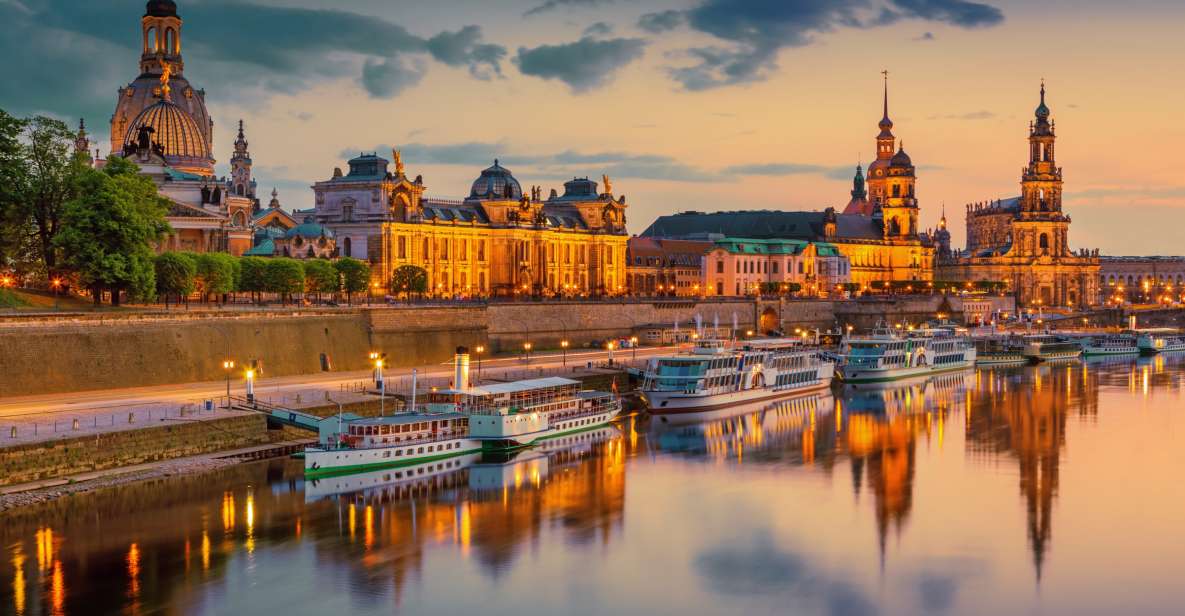
- Dresden’s rebuilt architecture tied to the story of a royal retreat
- Zwinger Old Master Gallery and Raphael’s Sistine Madonna
- Frauenkirche dome for an instant “wow, that’s central” moment
Prague to Saxon Switzerland: a long ride that pays off
This is the kind of day trip where the logistics matter. You get hotel pickup in Prague city center, then settle into a comfortable minivan with WiFi while your guide sets the stage for what you’ll see later. The total time is about 10 hours, and the travel time is part of the deal—expect a few stretches where you’re not sightseeing.
That said, the payoff is that you’re not doing this as a DIY slog. You’re getting transportation, a live guide, park entry, and scheduled stops, which is exactly what you want when you’re trying to pack two very different places into one day: sandstone cliffs in nature, then major museums and churches in Dresden.
If you’re the type who likes to know the “why” behind the “what,” you’ll appreciate the guide’s pacing. You arrive with context, so the viewpoints and buildings feel intentional rather than just scenic photos.
You can also read our reviews of more tours and experiences in Prague

Bastei Bridge and the Elbe Canyon viewpoints
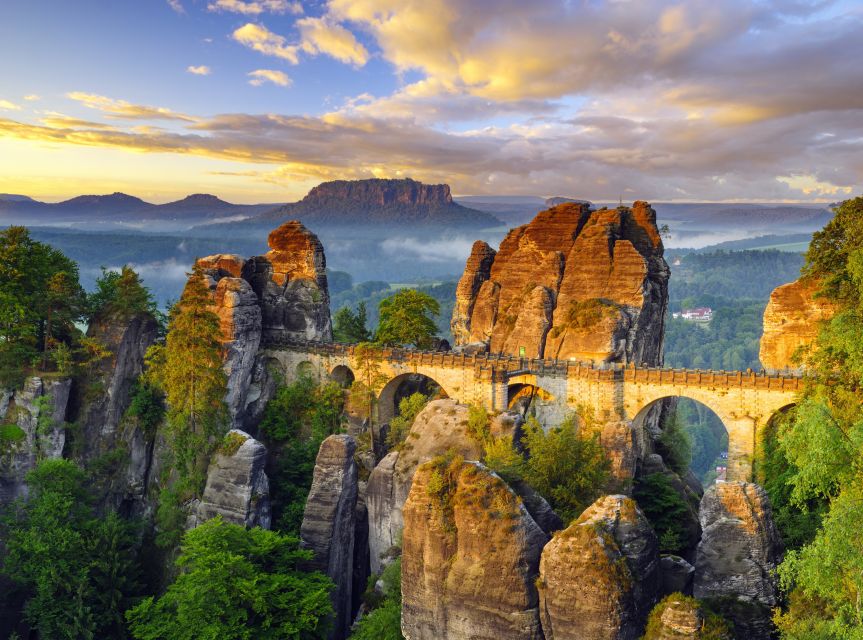
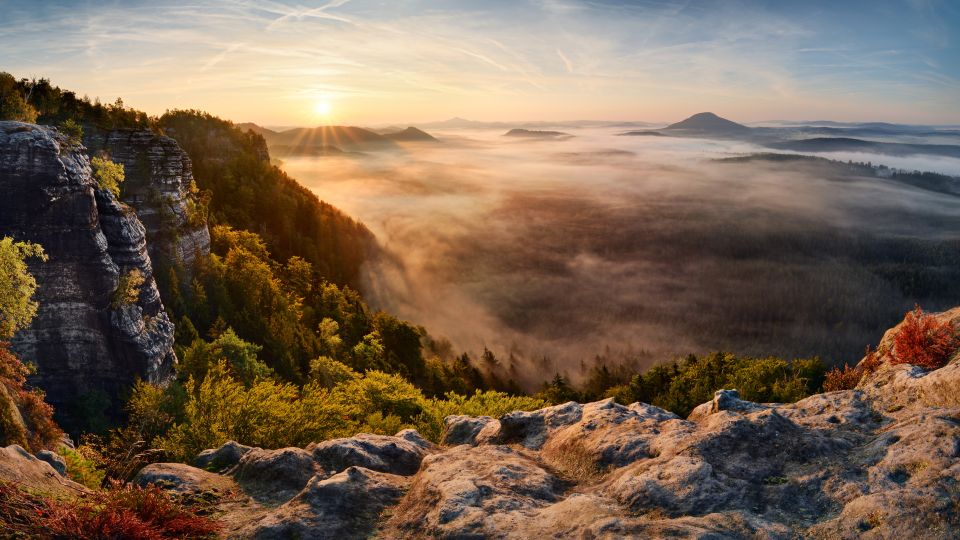
Bastei is the headline. You’ll visit the famous Bastei Bridge—an iconic sandstone crossing that links Bastei and the ruins of an old Neurathen rock castle. This spot is popular for a reason: from the bridge and surrounding viewpoints, the Elbe Canyon and River stretch out in a way that’s hard to recreate anywhere else.
What I love about this stop is the mix of effort and reward. You’re not just standing behind a fence. There’s walking and sightseeing time, and the guide helps you see the layout and the sightlines so you’re not guessing where to look.
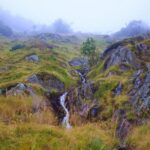
A quick reality check: the area is outdoors and the ground can be uneven, especially on paths that feel more like a nature walk than a paved promenade. Bring comfortable shoes and plan on using your legs. Your calves will learn what a day trip really means.
Neurathen ruins: when the view comes with a story
Once you’ve crossed the bridge, you’re close to the ruins of the old Neurathen rock castle. Even if you’re not a castle-nerd, you’ll likely enjoy it because it gives the landscape meaning. Instead of seeing rock formations as random shapes, you start to understand why people built where they did and how the cliffs shaped travel and defense.
This is also where the guided element helps most. Without guidance, you might wander around for photos and miss the bigger picture of how the bridge connects the sites. With a guide, you get a smoother flow: where to walk, what to notice, and how to read the canyon as a whole.
The good news is that you don’t need to be a hiker. The experience is still accessible if you can handle walking on uneven surfaces at a steady pace.
Lunch in a German restaurant: fuel for the Dresden push
After Saxon Switzerland, the schedule shifts to city mode. You’ll stop for lunch at a local German restaurant with a main course and a drink included. It’s timed well because Dresden’s sightseeing requires energy: you’ll want real food, not just a snack.
I like that lunch is included because it removes a common day-trip headache. You don’t have to hunt for something that fits your schedule or your budget while you’re on the clock. And since you also get a snack pack with water, you’re covered for the “in-between” moments too.
One practical tip: eat like you’re preparing for a museum day and a walking day at the same time. Dresden’s sights are spread out enough that you’ll likely feel it if you skip the more filling options.
Arriving in Dresden: rebuilt architecture with a modern rhythm
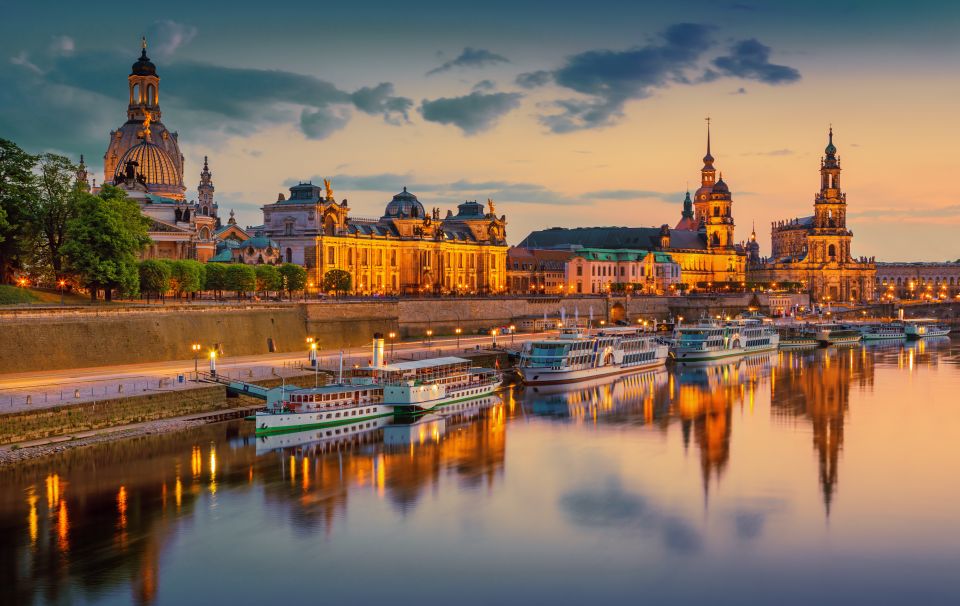
Dresden is a city you feel in your first few minutes. It’s known for stunningly rebuilt architecture and also for its modern cultural history, so the mood isn’t just old-world quiet. You’ll have a photo stop and a guided portion that helps you understand what makes the city a favorite royal retreat.
The best part here is that you’re not wandering with zero context. The guide points out how the architecture works as a “story” across buildings, so you can connect what you see to what it was meant to represent. If you’ve ever stood in a major city and thought, I’m seeing beautiful buildings but I don’t know what any of it means, this is the fix.
You’ll also have time to walk and shop. That’s important because Dresden isn’t only about big monuments. The city’s texture matters, and your free time gives you room to explore at a pace that suits you.






Zwinger Old Master Gallery: Raphael’s Sistine Madonna
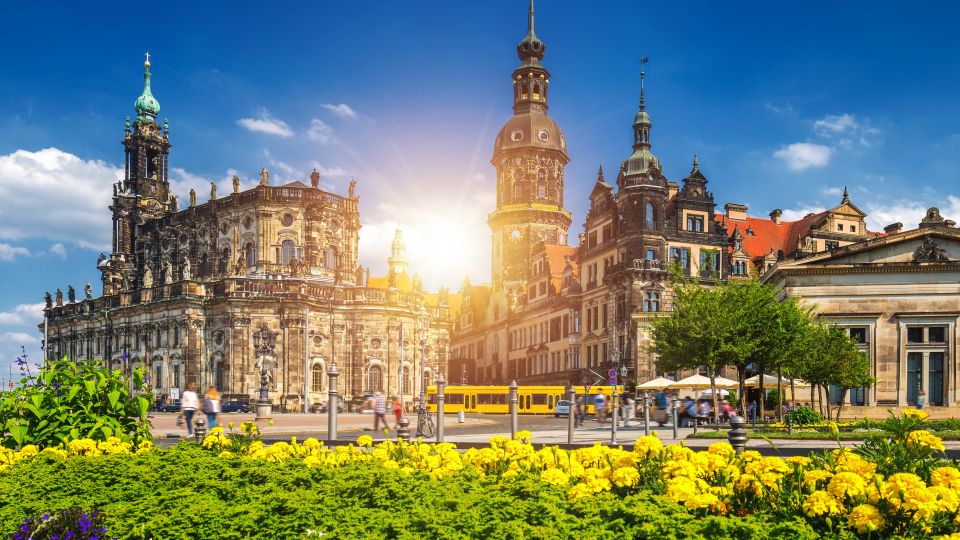
Here’s the art moment that many people plan the whole day around. At the Zwinger Old Master Gallery, you’ll see masterworks including Raphael’s Sistine Madonna. Even if you’re not a long-time Renaissance fan, this is one of those “you should’ve come” artworks.
What makes this stop valuable in a day trip is the structure. You’re not just dropped into a gallery and left to figure it out alone. The guided time helps you understand what you’re looking at and why the collection is considered so important.
Practical note: galleries can feel intense if you move too fast. Use the time to slow down where you can. If you rush, you’ll miss the details that make a painting land.
And yes, this is the point where you’ll feel the trade-off of a long day. You’ll want to be awake, not exhausted. Try to pace yourself, especially after lunch.
Royal Palace and Frauenkirche: big monuments, clear meaning
Dresden’s royal pull isn’t only about museums. You’ll also visit major historical monuments such as the Royal Palace and then admire the domed Frauenkirche, the Church of the Virgin Mary.
I love how these stops work together. The Royal Palace type of landmark anchors the idea of Dresden as a royal retreat, while the Frauenkirche gives you a strong visual and spiritual centerpiece. Put them in the same day and your brain starts to map the city’s identity faster than you would on your own.
The dome at Frauenkirche is also one of those sights that can feel almost immediate. Even before you read the details, the scale and presence make the church hard to ignore. It’s the kind of stop where a few minutes of looking feels worth it, even if your feet are starting to complain.
Your free time in Dresden: how to spend your 3 hours well
You’ll get free time to explore more of Dresden at your own pace. The structure is: guided touring plus time for shopping, walking, and self-guided wandering. That mix is smart. You get the context from your guide, then you decide what to follow up on.
When you have free time like this, I recommend you choose one “must” and one “maybe.” Maybe could be a quick shop stop or a short walk toward something you noticed earlier. Must could be simply revisiting the area where the architecture impressed you most.
If you’re the sort who likes photos, prioritize viewpoints and major squares first, because those are easier to enjoy even if you only have limited energy. If you prefer museums, use your guide’s earlier direction to decide whether you want another gallery stop—or whether you’d rather just enjoy the city streets without over-scheduling.
Private vs small-group option: when customization is worth it
If you upgrade to the private option, you get a tailor-made itinerary. That matters if you have specific interests—like focusing more on architecture, art, or simply spending more time walking near the sights without feeling rushed.
Even in small-group settings, day trips move on rails. A private plan can be better if you travel with family members who walk at different speeds, or if you’d rather trade a short stop for a longer one somewhere else.
The trade-off is you’re paying for flexibility. If you’re the kind of person who likes a clear plan and doesn’t mind sticking to it, the standard small-group style may already feel perfect.
Value and price: why $229 can make sense for a day trip
At $229 per person for a roughly 10-hour outing, you’re paying for more than just sightseeing. You’re getting hotel pickup and drop-off in Prague, a live guide, entrance to the National Park, a snack pack with water, and lunch in a German restaurant (main course and drink). That bundle is the key to the value.
DIY travel between these points would likely mean separate transport costs, the stress of timing, and the cost of buying tickets plus park access on top of it. Here, you’re mostly buying time plus guidance. For many people, that’s worth it, especially when you want to see Bastei and Dresden in one day without turning it into a logistics project.
Also, transport quality matters more than people admit. The trip’s transport performance is highly rated, with 92% of bookings giving it a perfect score. In a long day like this, that kind of reliable ride reduces the mental friction.
What to bring, and the safety reality of sandstone + cobblestones
This tour asks you to do real walking, including on uneven surfaces around Bastei. Wear weather-appropriate clothing, and bring outdoor layers if conditions change. Comfortable shoes are not optional here, not if you want the viewpoints to stay fun.
You’ll also need passport or an ID card. And before you begin, you’ll sign an outdoor adventure tour declaration form acknowledging important health, safety, and liability information. That’s standard for trips with active segments.
It’s not suitable for babies under 1 year, and it’s also not recommended for people with heart problems or pre-existing medical conditions. If you fall into any of those categories, it’s best to look for a different format with less physical strain.
Who this day trip fits best
This is a great match if you want:
- A single-day plan that mixes nature and major-city culture
- A guided experience that explains what you’re seeing, not just where to stand
- The chance to see major Dresden highlights, including Raphael’s Sistine Madonna
It may not be ideal if:
- You dislike long travel days and time spent in a vehicle
- You need fully flat, easy walking routes
- You want deep museum time. This is more focused than a multi-day city stay.
One more thing: this trip stands out for the guide factor. One guide named Robert has been praised for explaining things clearly and making the day enjoyable, and that kind of on-the-ground storytelling is exactly what turns a schedule into a memorable day.
Should you book the Prague to Bastei and Dresden day trip?
I’d book it if you’re excited by two things: panoramic nature views from the Bastei Bridge, and big-name art and architecture in Dresden. The included park entry, lunch, and guided structure make the price feel more reasonable than it looks at first glance, especially when you consider how much you’d otherwise spend and plan yourself.
Don’t book it if you’re hoping for an easy, low-walking outing. This is outdoors plus city walking, and you’ll want to show up with good shoes and a “we’re doing this” attitude. If that sounds like your kind of day, you’ll come away with photos you can’t stop looking at—and buildings you can place in your mind right away.
FAQ
How long is the Prague to Bastei and Dresden day trip?
The duration is 10 hours.
What’s included in the price?
Hotel pickup and drop-off, a guide, entrance to the National Park, a snack pack with water, and lunch in a German restaurant (main course and drink).
Is pickup provided in Prague city center?
Yes, pickup is included and you meet your driver at your accommodation in the Prague city center.
Do I need comfortable shoes?
Yes. The tour requires walking on uneven surfaces, so comfortable shoes are recommended.
What can I see in Bastei?
You’ll visit the Bastei Bridge for guided viewing and panoramic scenery, including views over the Elbe Canyon and River, plus the bridge connection to the ruins of an old Neurathen rock castle.
What are the key Dresden stops during the visit?
You’ll see architectural highlights and monuments such as the Royal Palace and the Zwinger Old Master Gallery, including Raphael’s Sistine Madonna, and you’ll also admire the domed Frauenkirche.
Is the tour suitable for everyone?
It’s not suitable for babies under 1 year, and it isn’t recommended for people with heart problems or pre-existing medical conditions.