REVIEW · PRAGUE
Prague: Choco-Story Chocolate Museum Entry with Tasting
Book on GetYourGuide →Operated by Choco-Story Praha · Bookable on GetYourGuide
Chocolate history fits in one stop. I like how Choco-Story Prague mixes museum storytelling with tastings, so you learn while you snack. You’ll follow cocoa’s path from the Americas to Europe as the displays do the talking.
I also enjoy the live praline production and the chance to taste chocolates from different places. One catch: it’s only 30 minutes, so the museum feels compact and the tasting is limited, meaning it’s a highlights visit, not a long course.
In This Review
- Key things to know before you go
- Choco-Story Prague: a fast chocolate education in the city center
- Finding the place: the museum entrance is inside the shop
- The 30-minute flow: how the visit actually moves
- What you learn: cocoa’s journey from the Americas to Europe
- The Aztecs and Mayas angle: why it’s more than a food myth
- The live praline show: watching chocolate get made
- The tastings: what you’re likely to sample (and how to manage expectations)
- Audio guide languages: helps you go at your pace
- Price and value: is $14 worth it?
- The shop at the end: turn favorites into souvenirs
- Who this fits best (and who might prefer something else)
- Practical booking tips: avoid surprises with pricing and timing
- Should you book Choco-Story Prague with tastings?
- FAQ
- How long is the Choco-Story Prague Chocolate Museum entry with tasting?
- What languages is the audio guide available in?
- What is included in the ticket price?
- Do I get to watch chocolate being made?
- How many chocolate tastings should I expect?
- Is the museum wheelchair accessible?
- Where is the museum entrance?
- Can I cancel my booking?
- Is there a pay-later option?
Key things to know before you go
- Global chocolate tasting, not one bland bar: you sample multiple types from around the world
- A clear story arc: cocoa origins, Aztec/Maya connections, then how it arrives in Europe
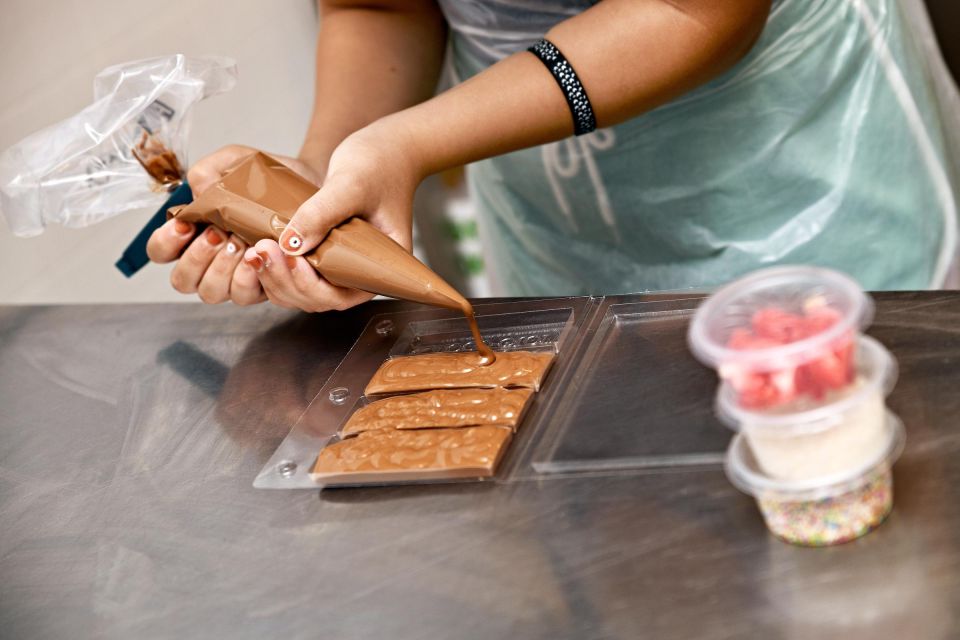
- Live sweet-making: you can watch a master chocolatier make artisanal pralines
- Audio guide in multiple languages: Czech, English, German, Russian
- Small, shop-linked museum: the entrance is from the shop, so look carefully from the street
Choco-Story Prague: a fast chocolate education in the city center
Prague can be a lot of walking, hills, and crowds. That’s why I like experiences that give you a story and a treat without eating your whole day. Choco-Story Prague is built for that: a compact museum visit where you learn the chocolate backstory and taste along the way.
The big win is how practical it feels. You’re not just staring at captions. You’re hearing a narration (via the audio guide) and then using tastings to anchor what you just learned—sweetness, cocoa intensity, and style differences from different chocolate traditions.
You can also read our reviews of more food & drink experiences in Prague



Finding the place: the museum entrance is inside the shop
Choco-Story Prague is in the center of Prague, which is convenient for fitting in before or after other sights. But here’s the small real-world tip: the museum entrance is accessed from the shop, and one visitor noted it can be a bit hard to spot from the street. So if you’re walking past quickly, slow down and look for the shop entry first.
Once you’re inside, the layout matches the “quick visit” concept. Expect to move through displays efficiently, then settle into the tasting moments and the live demonstration.
The 30-minute flow: how the visit actually moves
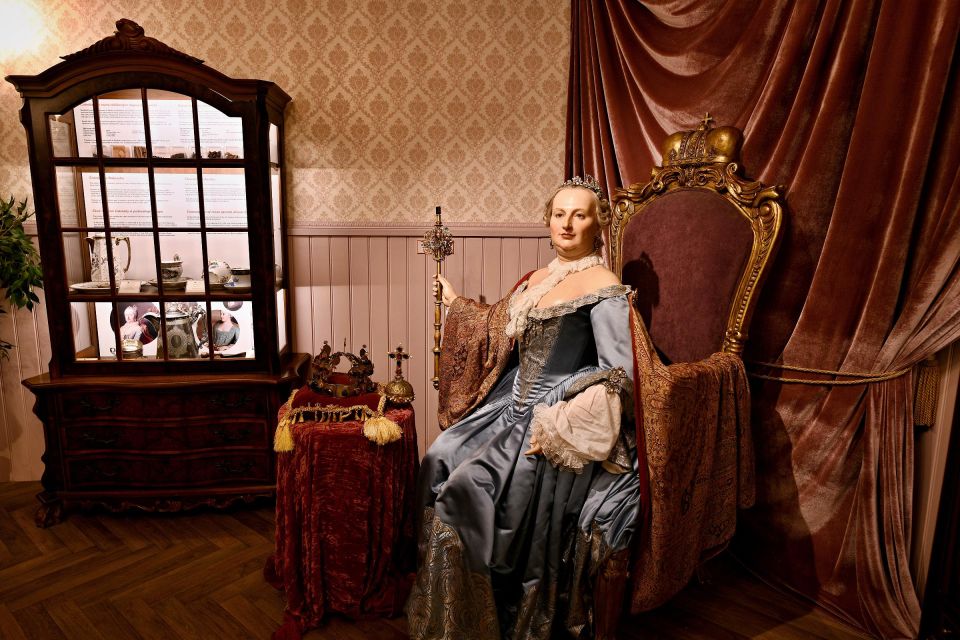
You’re looking at about 30 minutes total. That duration matters because it shapes the experience: you’ll cover the key points, but there’s no time to linger deeply in every corner.
A typical rhythm goes like this:
- You start with the audio guide while you move through exhibits
- You learn the cocoa-to-chocolate story through panels, illustrations, and videos
- You watch a master chocolatier demonstrate pralines
- You enjoy multiple tastings throughout the visit
- You end with the shop area where you can buy what you liked
So if your ideal museum day is slow and contemplative, you might feel a little rushed. If you like compact and fun, this format is right on target.
What you learn: cocoa’s journey from the Americas to Europe
The museum’s central narrative is simple and clear: how cocoa became chocolate, and how the commodity traveled into European culture. You’ll see exhibits explaining the origins of cocoa, how it shaped tastes, and how it transformed into the finished sweets you recognize today.
What I appreciate here is that the story isn’t just “chocolate is delicious.” It links chocolate to trade and cultural change—why a plant becomes a product, and why that product changes hands and traditions. For a short visit, that’s a strong use of time.
Expect to spend meaningful minutes on visuals like illustrations and informative panels, plus videos that connect the dots. It’s the kind of learning that works even if your attention wanders—because the tastings and demonstration pull you back in.
The Aztecs and Mayas angle: why it’s more than a food myth
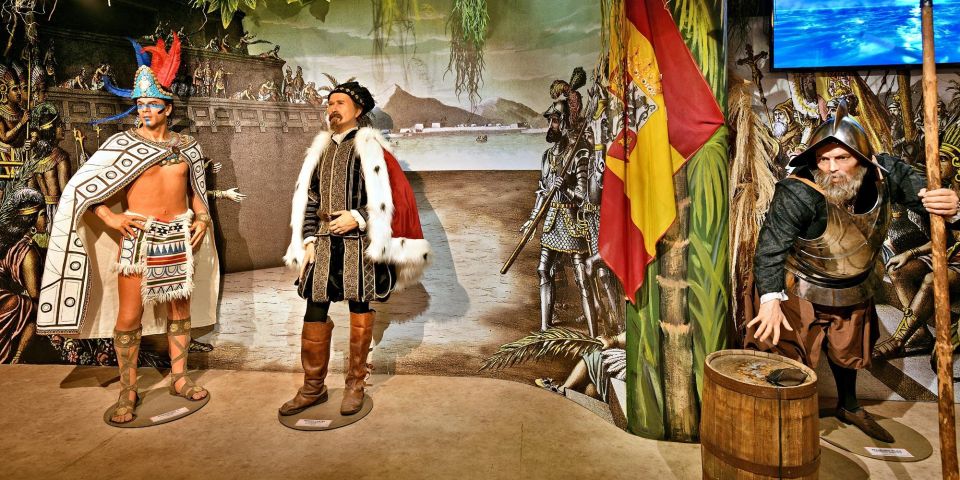
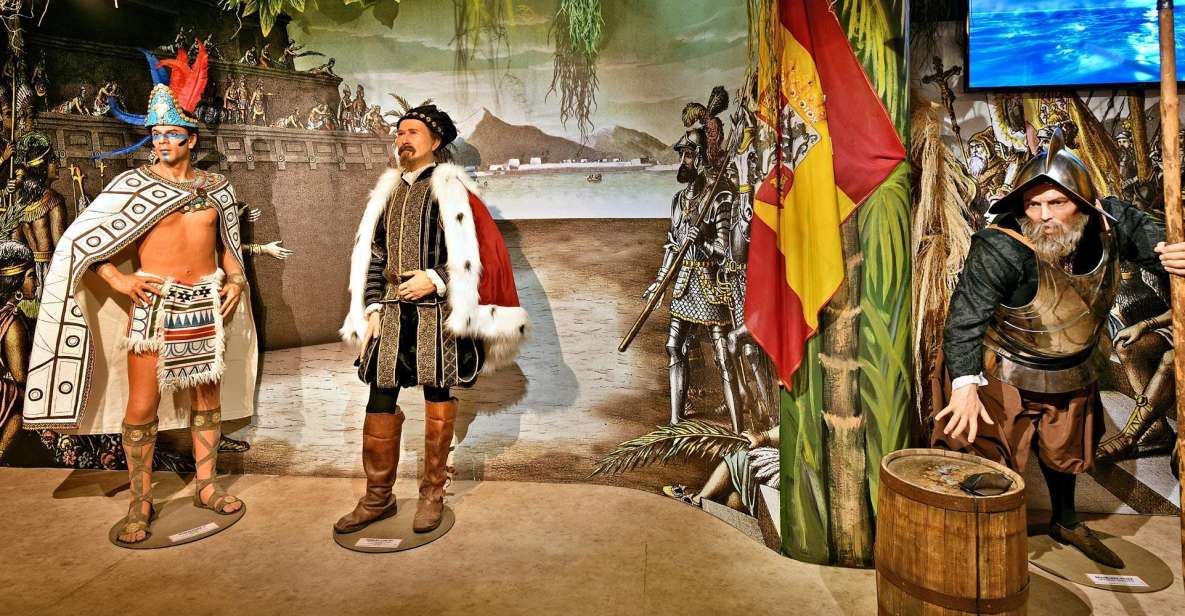
One of the highlights is the museum’s look at ancient customs tied to the Aztecs and Mayas and how cocoa culture connects to later chocolate traditions. In a lot of pop-culture chocolate stories, the older context gets flattened. Here, you get a dedicated section that treats cocoa as part of a real social practice, not just a modern candy origin story.
Even if you’ve heard bits of this before, you’ll likely pick up a clearer sense of how cocoa was used and valued before it became the European-style sweets many people expect. For you, that can be the difference between tasting chocolate as a treat versus tasting it as a cultural artifact.
You can also read our reviews of more museum experiences in Prague





The live praline show: watching chocolate get made
This is one of the reasons the visit earns strong ratings: the museum includes a live production demo where you watch a master chocolatier make artisanal pralines (Belgian-style is specifically mentioned in the highlights).
There are two good reasons to care about this part:
- It adds realism. You see technique, not just packaging or diagrams.
- It reframes the tastings. When you watch pralines being made, the flavor differences feel less random and more linked to process.
In a short museum experience, that “live moment” is valuable. It’s the peak engagement point when people stop moving and start watching, which keeps the whole visit from feeling like a slideshow.
The tastings: what you’re likely to sample (and how to manage expectations)
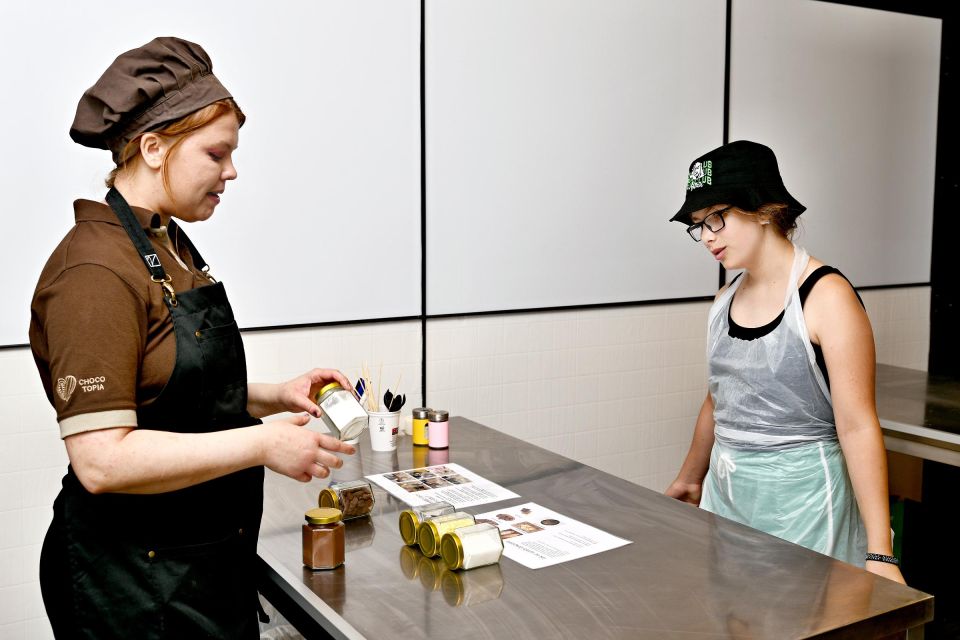
Choco-Story includes chocolate tastings, and the museum is designed around them. The highlights call out tasting different types from all over the world, and you’ll have multiple tasting moments during your visit.
That said, you should calibrate your expectations. One visitor specifically noted that the tasting covered five different types. Another review described the visit as short and a bit superficial. Put together, the practical takeaway is this: you’ll taste enough to compare styles, but you won’t get an extended flight with deep, side-by-side explanations for every single chocolate.
My advice: approach the tastings like a sampler, not a master class. Decide what you like—then use the shop to “buy the proof” of your favorite style.
Audio guide languages: helps you go at your pace
The audio guide is included, and it’s available in Czech, English, German, and Russian. For a 30-minute format, audio matters. It helps you keep up with the narrative without needing to read every sign.
You also get flexibility. If you’re tired after walking, you can slow down your movement and let the audio fill gaps. If you’re focused and quick, the narration helps you stay oriented through the exhibits without wandering.
Price and value: is $14 worth it?
At $14 per person, Choco-Story Prague sits in the “small paid experience” category. For me, the value depends on what you’re after.
This ticket tends to be a good deal if:
- You want a short, structured chocolate experience in central Prague
- You like tasting as part of learning
- You enjoy watching food made rather than only reading about it
- You plan to buy a few chocolates at the end (the shop has plenty of products, and one visitor highlighted that buying options are a big part of the experience)
It’s less of a bargain if:
- You’re expecting a long museum session or a deep, long-form workshop
- You want a large number of tasting varieties with detailed breakdowns for each
In other words, treat it like a compact “story + sampler + demo,” not a full-day chocolate program.
The shop at the end: turn favorites into souvenirs
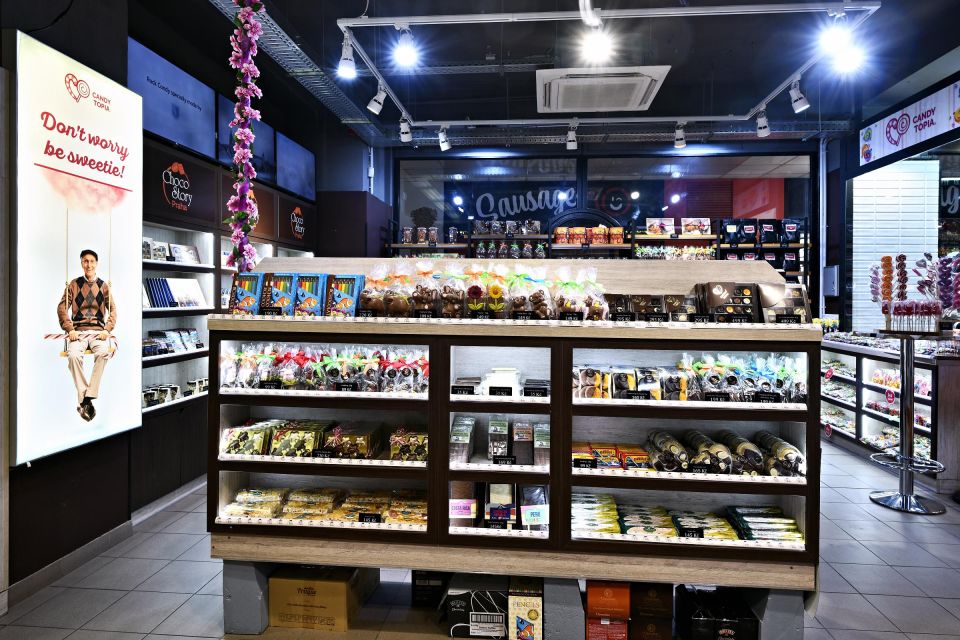
A consistent theme in visitor feedback is that there’s a lot to see in the gift shop. That matters because the tastings lead you to personal preference, and the shop lets you convert that into a take-home souvenir.
Do this strategically: taste first, then shop. If you shop immediately on arrival, you’ll end up buying before you know what you genuinely like.
Also, because the experience is short, the shop is your chance to linger. If you’re the type who can’t leave without a box for later, this stop is built for you.
Who this fits best (and who might prefer something else)
This experience is ideal for:
- Couples and friends who want a fun, low-effort activity
- Travelers who like a story but don’t want a long museum commitment
- Food-curious visitors who enjoy tastings
- Anyone visiting in the center who needs something easy to schedule
It might feel less satisfying if:
- You want a longer educational session with many more tastings
- You prefer museum wandering over guided pacing
- You don’t like the idea of a demo inside a compact museum setting
For most people, the best fit comes down to expectations: if you want highlights quickly, you’ll likely enjoy it.
Practical booking tips: avoid surprises with pricing and timing
One low point shows what can go wrong when ticketing is handled through different systems. The complaint described paying more than the price shown at the ticket desk and experiencing delays, along with frustration and weak communication.
You can protect yourself without overthinking it:
- Before you assume anything is wrong, confirm the final price shown at checkout matches what you see at the counter or official entry point.
- Build in a buffer time, because a short 30-minute experience leaves less room for delays.
- If you’re sensitive to timing, choose a starting time that won’t make you rush to other plans.
This isn’t a reason not to go. It’s just smart travel: verify the details once, then enjoy the chocolate.
Should you book Choco-Story Prague with tastings?
Book it if you want a fun, central Prague stop that combines audio-guided museum storytelling, global chocolate tastings, and a live praline demonstration—without demanding a big chunk of your day. At $14, it’s best viewed as an efficient sampler and cultural primer.
Skip it (or consider something longer) if you’re chasing a lengthy course, lots of tastings, or a slow museum day. The format is compact on purpose, and your experience will reflect that.
If you like your Prague experiences sweet, quick, and well structured, Choco-Story is an easy yes.
FAQ
How long is the Choco-Story Prague Chocolate Museum entry with tasting?
It lasts about 30 minutes. You’ll want to check available starting times when you reserve.
What languages is the audio guide available in?
The included audio guide is available in Czech, English, German, and Russian.
What is included in the ticket price?
The ticket includes the entry fee, the audio guide, and chocolate tastings.
Do I get to watch chocolate being made?
Yes. The experience includes watching live production of sweets such as Belgian pralines.
How many chocolate tastings should I expect?
Multiple tastings are included. One visitor specifically mentioned tasting five different types.
Is the museum wheelchair accessible?
Yes, it is wheelchair accessible.
Where is the museum entrance?
The entrance is from the shop, and it may be a little difficult to find from the street, so look for the shop entry.
Can I cancel my booking?
Yes. Free cancellation is available up to 24 hours in advance for a full refund.
Is there a pay-later option?
Yes. You can reserve now and pay later, keeping your travel plans flexible.