REVIEW · PRAGUE
Prague: WWII Tour with Local Historian SMALL GROUP
Book on GetYourGuide →Operated by Local Historian Tours · Bookable on GetYourGuide
WWII in Prague hits different when a local historian guides you. You’ll walk through the city’s real streets and hear how major events connected—assassination, uprising, rescue, and retaliation—without getting lost in dates. The small group size (up to 7) keeps it personal, and that matters when you’re asking tough questions.
I especially love two things: first, the storytelling focus on Operation Anthropoid and Reinhard Heydrich, tied to specific places you can actually stand in; second, the balance between horror and human courage, including Nicholas Winton’s rescue of 669 Jewish children via the Kindertransports. One possible drawback: the subject matter is heavy, and it’s not designed for kids under 10 or for pregnant women, with additional notes around mobility that you’ll want to double-check before you book.
In This Review
- Key things I’d plan around
- How the small-group format keeps the WWII story sharp
- Where you start: Wenceslas Square and the occupation-era backdrop
- Reinhard Heydrich and Operation Anthropoid: Prague’s turning-point walk
- The Paratroopers Church stop: bullet holes you can look at
- Nicholas Winton and the Kindertransports: courage with a concrete number
- 1945 in Prague: uprising energy and the reality of bombing
- Former Gestapo headquarters: where secrets shaped daily fear
- Ending near the Dancing House: a modern palate cleanser
- Price and logistics: what you actually get for $61
- Who should book this Prague WWII tour
- Should you book this WWII tour with a local historian?
- FAQ
- How long is the Prague WWII tour?
- How many people are in the group?
- What language is the tour in?
- What does the tour include?
- Where do I meet, and where does it end?
- Is the tour suitable for kids or wheelchair users?
Key things I’d plan around
- Up to 7 people: enough space to ask questions without a lecture vibe.
- Heydrich to Heydrich’s death: you’ll connect the chilling details to what Prague looks like today.
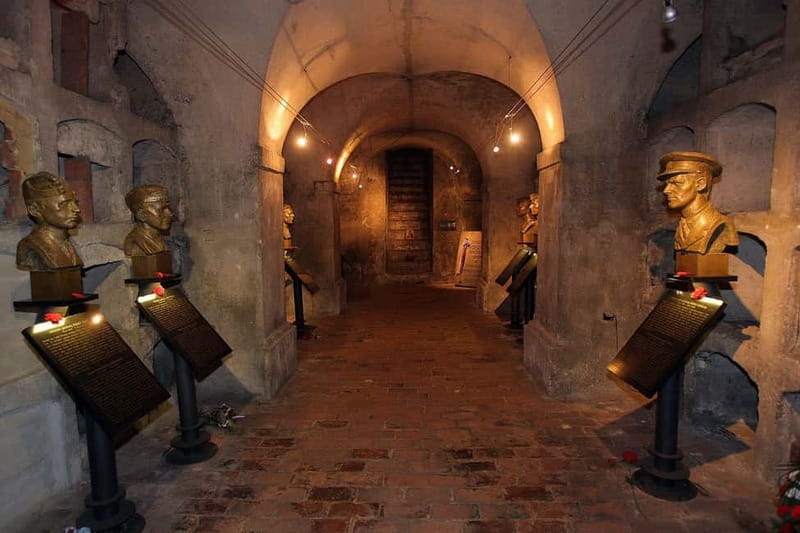
- Paratroopers Church stop: you’ll see the famous bullet holes tied to the resistance story.
- Winton’s Kindertransports (669 children): hope in the middle of occupation-era darkness.
- 1945 Prague on foot: uprising energy, plus the reality of the American bombing.
- Public transport included: you get a Prague transit ticket and a smooth flow through the day’s walk.
How the small-group format keeps the WWII story sharp
This tour runs for about 2.5 hours, and that’s a sweet spot for Prague. You get enough time to move between major sites without it feeling like a marathon where your brain turns into WWII alphabet soup.
The small-group setup (limited to 7 participants) changes the feel. When you’re walking past places tied to real trauma, you want questions answered clearly, not brushed off with a generic answer. The guides—praised for being experts and strong storytellers—also lean into a human tone, including bringing in survivor-related perspective where possible.
You can also read our reviews of more tours and experiences in Prague.
Where you start: Wenceslas Square and the occupation-era backdrop
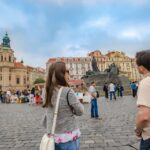
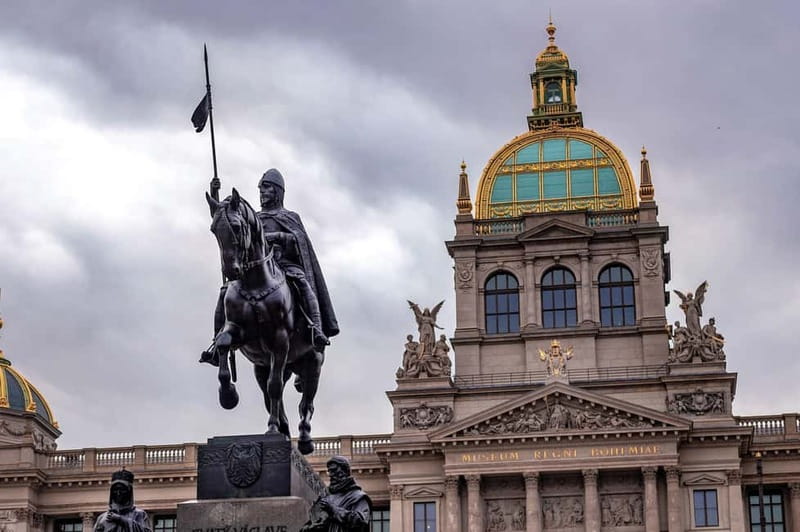
You begin at the Statue of Saint Wenceslas on Vaclavske naměstí, in front of the National Museum. It’s close to easy landmarks like McDonald’s, which sounds trivial until you’re in a crowded square with a dozen tour groups all pointing in different directions.
Starting here is smart because it gives you a reference point before you get pulled into specific 1940s locations. You’ll be able to “place” Prague as a living city, not just a postcard. From that central square, the tour builds a cause-and-effect thread: how Nazi power tightened, how resistance formed, and what Prague had to endure in response.
Reinhard Heydrich and Operation Anthropoid: Prague’s turning-point walk
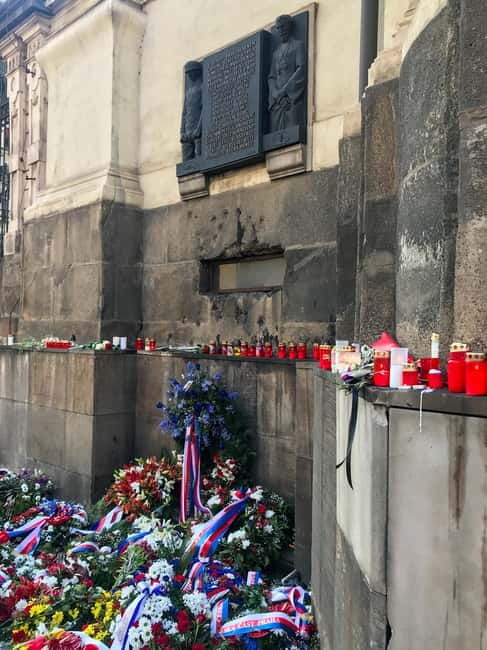
A huge portion of the tour is built around Reinhard Heydrich—the so-called Butcher of Prague—and the operation aimed at stopping him. You’ll hear how he fits into the Nazi machine, including his role as a top figure connected with persecution and death.
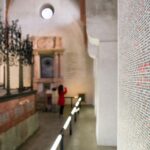
Then you’ll move into Operation Anthropoid, the assassination effort that became a peak of resistance. What makes this more than a book report is the physical link: you’ll visit the Paratroopers Church, and you’ll see the bullet holes that tie the story to the building itself. Standing in a spot like that makes the timeline feel less abstract.
You also get the “real-world consequences” angle. The assassination isn’t treated like a single dramatic moment that ended cleanly; you’ll hear how it triggered a bigger reaction in Prague. That’s the key thing I like about this approach: it shows how resistance and retaliation warped everyday life, street by street.
The Paratroopers Church stop: bullet holes you can look at
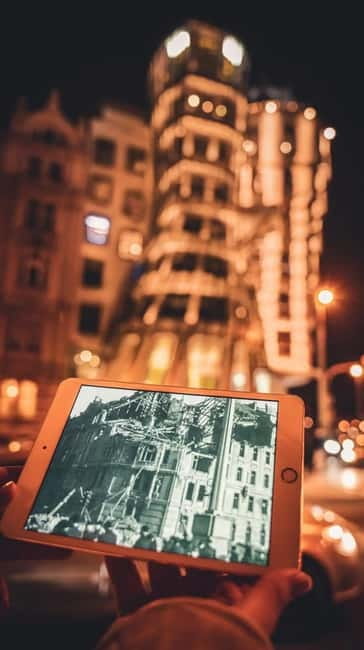
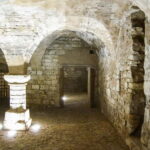
The Paratroopers Church visit is one of the most practical moments on the route. It’s not just an interior-photo stop; it’s a place where a physical feature—those bullet holes—acts like evidence.
That matters because it turns memory into something you can observe. You can take a minute to look, then listen to what the guide explains next. And since the tour is English and small-group, you’re not forced to crane your neck around strangers while trying to catch the point.
One caution: because this is about violence and resistance, the tone is naturally serious. If you’re the type who prefers lighter sightseeing, this may feel like a heavy emotional load for 2.5 hours straight.
Nicholas Winton and the Kindertransports: courage with a concrete number
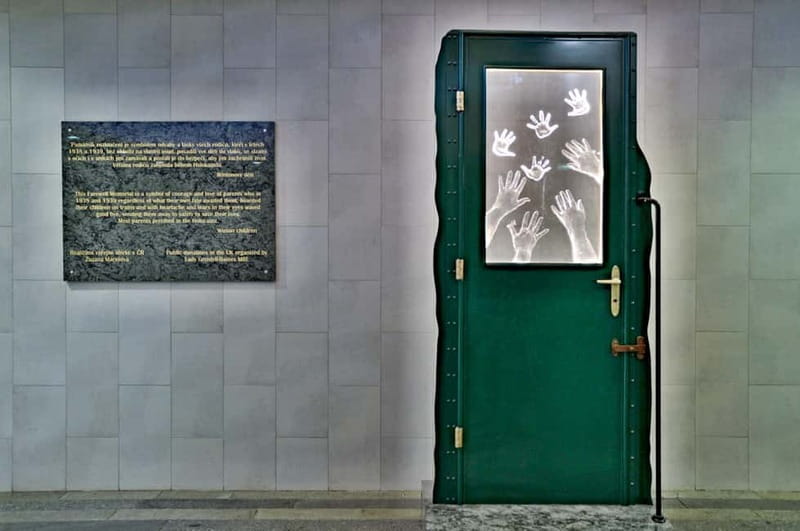
Then the tour shifts gears—without sugarcoating anything. You’ll learn about Nicholas Winton, who helped save 669 Jewish children through the Kindertransports. This is the part of the tour that reminded me why people still talk about Prague beyond occupation details: there were also acts of organized mercy amid catastrophe.
The guide connects the story to the larger movement of rescue, including mention of the Hollywood film One Life. Even if you’ve seen it, hearing the history tied to a real guide narrative helps the number—669—feel personal rather than symbolic.
If you like your history with both emotion and specifics, this stop is a standout. You’re not just told that people tried to help. You’re given a clear count, and that forces the mind to do the math.
1945 in Prague: uprising energy and the reality of bombing
The tour also covers Prague in 1945, including the national uprising and how the city was hit by major wartime violence. You’ll hear about the Prague uprising and the dramatic American bombing of Prague in 1945, with the guide explaining how these events shaped what came next.
This section works best if you let the guide translate the chaos into geography. Prague has layers: centuries of architecture, plus wartime scars and postwar rebuilding. Walking while someone ties events to what you’re seeing today is the difference between hearing about 1945 and understanding it as a lived moment.
The subject is intense, but the tour doesn’t feel like it’s trying to shock you for shock’s sake. Instead, it keeps pointing back to why resistance mattered and what it cost.
Former Gestapo headquarters: where secrets shaped daily fear
A particularly haunting part of the walk focuses on a former Gestapo headquarters. You’ll be told it’s a place full of secrets and shadows—exactly the kind of phrase that can sound dramatic in other settings, but here it’s grounded in purpose.
The value of this stop is not architecture trivia. It’s atmosphere plus context: you’ll learn how the Nazi security system worked and how fear became part of everyday life. When you hear what happened to people caught in that system, the idea of safety in a city stops being a given.
If you’re a “why did this happen here?” history person, you’ll probably appreciate how the guide uses the building as a springboard into the human consequences.
Ending near the Dancing House: a modern palate cleanser
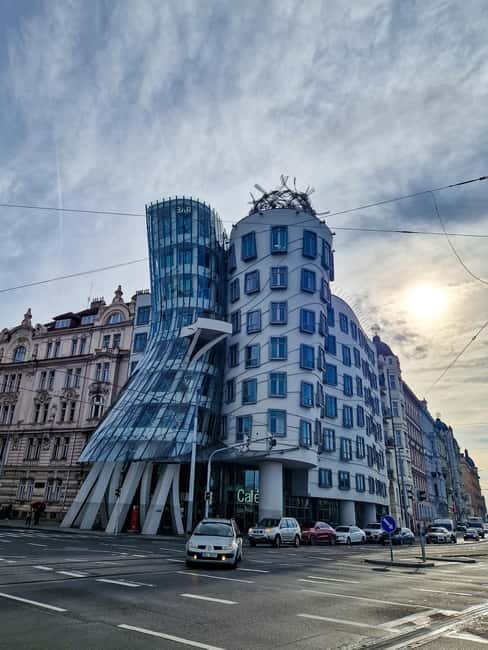
The tour concludes at Dancing House—or at least that’s where the stop is described—after which you’re also told the activity ends back at the meeting point. That might sound confusing on paper, but practically it means you’re moving from wartime locations into a present-day Prague landmark.
Ending near Dancing House is a clever reset. You’ll see how the city rebuilt and transformed, which helps your brain “close the loop” after days of heavy scenes. It’s also a useful visual reminder that Prague isn’t a museum town; it’s a living city that carried these memories forward.
Price and logistics: what you actually get for $61
At $61 per person, this tour can be good value if you care about story quality and on-site context. For your time and money, you’re getting a passionate local guide, English narration, a Prague public transport ticket, water, and entrance to the paratroopers church.
You also get practical perks like skip-the-ticket-line. That doesn’t sound glamorous, but it helps the tour flow. When you’re walking a route with multiple stops, saving 15 minutes at one site can keep the whole experience from turning into a waiting game.
Two quick things to keep in mind:
- The tour is listed as not suitable for children under 10 and not suitable for pregnant women.
- There’s a potential contradiction around mobility: it’s marked wheelchair accessible, but it also says not suitable for wheelchair users and people with mobility impairments. If that matters for you, message the provider before you book.
Who should book this Prague WWII tour
I’d suggest this tour if you:
- Want WWII history tied to specific places rather than names in a timeline.
- Like guides who tell stories clearly and human-first, with the kind of educator delivery praised in past feedback.
- Enjoy a balanced arc: occupation cruelty, resistance action, rescue, and the 1945 endgame.
Skip it (or at least be cautious) if you prefer lighter sightseeing, because this route doesn’t avoid difficult material. Also, if mobility is a major constraint, don’t assume the tour will match your needs—use that accessibility note as a prompt to confirm details.
Should you book this WWII tour with a local historian?
Yes, if your goal is to understand Prague during WWII at street level. The small-group size, the focus on major events like Heydrich and Operation Anthropoid, and the inclusion of the Kindertransports story (669 children) give it a strong “story architecture.” Add in the on-site bullet holes at the Paratroopers Church and the Gestapo headquarters stop, and you get history that feels anchored, not abstract.
Book it especially if you like asking questions. This format is built for interaction, not just listening. If you’re traveling with kids (under 10), if you’re pregnant, or if mobility is a key issue, double-check fit first. Otherwise, this is the kind of tour that makes a city’s darker chapters finally make sense.
FAQ
How long is the Prague WWII tour?
It lasts about 2.5 hours.
How many people are in the group?
The tour is a small group limited to 7 participants.
What language is the tour in?
The tour is conducted in English.
What does the tour include?
You get a live guide, a Prague public transport ticket, water, entrance to the paratroopers church, and all fees and taxes. It also includes skip-the-ticket-line.
Where do I meet, and where does it end?
You meet at the Statue of Saint Wenceslas at Vaclavské náměstí, in front of the National Museum. The tour is listed to finish near Dancing House, and it also states the activity ends back at the meeting point.
Is the tour suitable for kids or wheelchair users?
It’s not suitable for children under 10 or for pregnant women. It’s marked wheelchair accessible, but it also states it’s not suitable for wheelchair users and people with mobility impairments, so it’s worth confirming your situation with the provider before booking.