REVIEW · PRAGUE
Prague: Private Prague Art Nouveau and Cubism Tour
Book on GetYourGuide →Operated by Prague Articulate · Bookable on GetYourGuide
Prague’s 1900s styles still feel edgy. This private Art Nouveau and Cubism architecture tour connects the look of Belle Epoque Prague to the bigger 20th-century story, starting at the rebuilt Central Train Station (1909) and finishing in the cubist-focused area near Vyšehrad. I especially like the way the guide turns buildings into explanations, and I like that the route includes both famous downtown landmarks and quieter streets you’d miss on your own.
One thing to watch: the day is paced for coverage, so if you prefer shorter stops and quick photo breaks, the later portion can feel like it runs long.
Key things to know before you go
- Private group, live guide in English or German, with time for questions
- Start at Central Train Station (1909) and work through Prague’s New Town
- Art Nouveau to Cubism story line: style shifts, why they happened, and what World War I changed
- Downtown landmarks plus off-main-street design details you’d normally walk past
- A short public-transport jump to the Vyšehrad area for bolder cubist architecture
- Tram ride back is included, with tickets included in the price
In This Review
- Art Nouveau meets Cubism: why this tour feels like more than architecture
- Starting point on Platform 1: find the red folder fast
- Central Train Station (1909) to Jubilee Synagogue: the “modern Pragues” opener
- Quiet street stops between big names: how the guide teaches you to notice
- Municipal House: Belle Epoque vibes with a learning lens
- House of the Black Madonna: a familiar setting, explained differently
- Wenceslas Square: a long enough stop to feel the scale
- Public transportation to the Vyšehrad area: where Cubism shows up more boldly
- Three Cubist Houses and the Vyšehrad stops: seeing the revolt in real space
- The guide’s narration: why Max and Eva stand out on similar tours
- Timing, walking, and who this private day works for
- Price and value: $84 for a private guide plus transport
- Should you book this Art Nouveau and Cubism tour?
- FAQ
- Where does the tour start?
- What time does the tour operate?
- How long is the tour?
- How much does it cost?
- Is the tour private or group-based?
- What languages are available?
- Is public transportation included?
- Is the tour wheelchair accessible?
- What should I bring?
- Is it suitable for children?
- What’s the cancellation policy?
Art Nouveau meets Cubism: why this tour feels like more than architecture
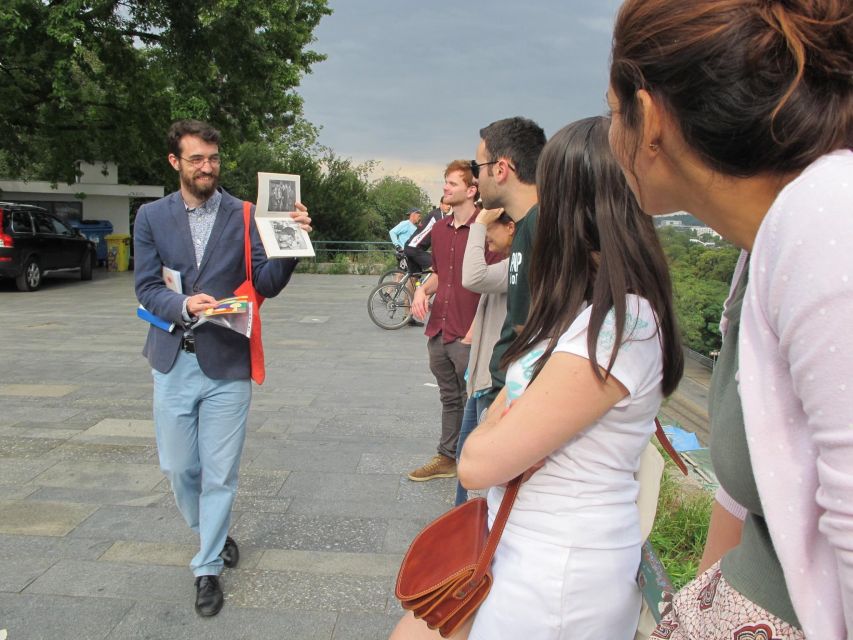
Prague can look like one long museum, with one postcard view after another. This tour avoids that trap by treating architecture like a historical language. You’re not just being shown pretty facades. You’re being taught how styles shift, how people argued about taste, and how major events pushed design in new directions.
The big idea is simple and smart. Your guide explains how Art Nouveau grew out of 19th-century aesthetics, why it felt revolutionary at the time, and why it helped shape modern design thinking. Then the tour turns to Cubism, described as a kind of revolt against Art Nouveau. The story doesn’t end with a neat victory lap, though. It includes the reality that the upheavals around World War I changed what stuck.
Starting point on Platform 1: find the red folder fast
The meeting point is practical and easy once you know what to look for. Meet at Prague Central Train Station, in the middle of Platform No. 1. The guide carries a red folder, and the route begins right in this station setting rather than far away from it.
If you want this to feel smooth, give yourself a little buffer for station navigation. Then wear shoes that can handle a long day of short walking stretches. The itinerary is broken into small segments, but the total time on your feet adds up.
You can also read our reviews of more private tours in Prague



Central Train Station (1909) to Jubilee Synagogue: the “modern Pragues” opener
You begin at the reconstructed Central Station from 1909, which is a great choice for kicking things off. It sets the theme: Prague’s modern story didn’t start only in the Old Town center. It also grew in the New Town, in places people use every day.
From there, you head on foot toward the Jubilee Synagogue. You’ll spend a short window here, enough time for the guide to point out what to watch for and to place the stop in the larger design conversation. Even if you’ve seen major Prague sights before, the guide’s framing is what makes this part work. You start learning how to read the city instead of just looking at it.
Quiet street stops between big names: how the guide teaches you to notice
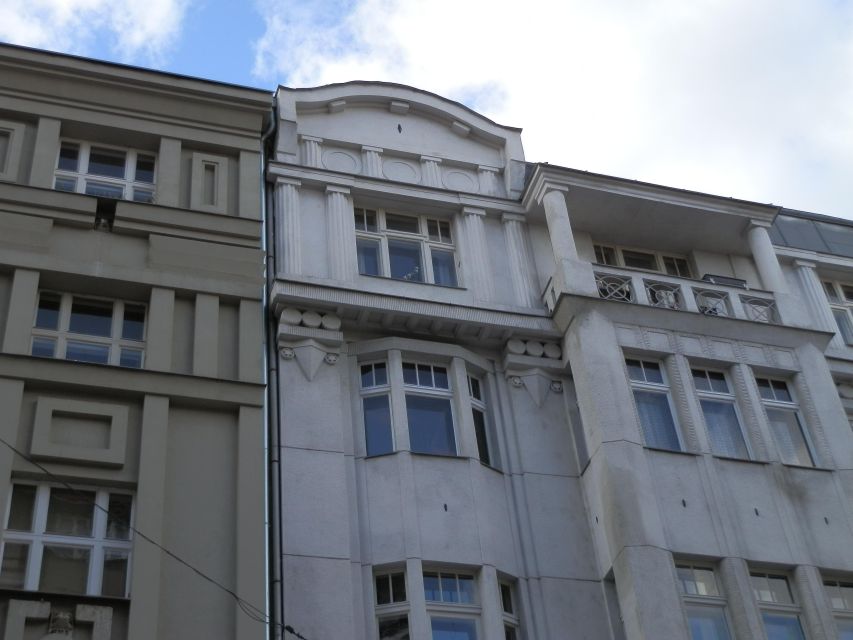
A big portion of your walk includes short breaks at places the itinerary calls hidden/lesser-visited sites. You don’t get long speeches at any single corner, so these stops stay energetic. The value is in what you do at each one: pause, scan details, and learn what the guide wants you to look at.
This is also where the tour earns its “locals do it this way” reputation. The downtown core is familiar, but the guide helps you treat side streets as clues. By the time you reach the more recognizable buildings, you’re already trained to spot design choices that would normally fade into the background.
And yes, you’ll likely want photos. Just try to keep a little space for your eyes to do their job first. A good guide explanation makes even a quick facade check feel rewarding.
Municipal House: Belle Epoque vibes with a learning lens
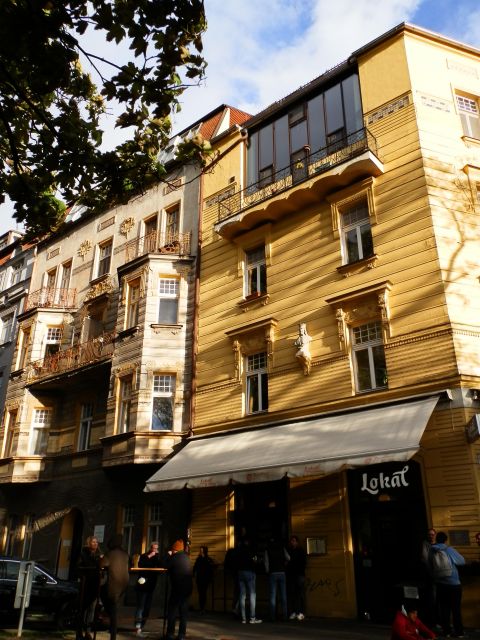
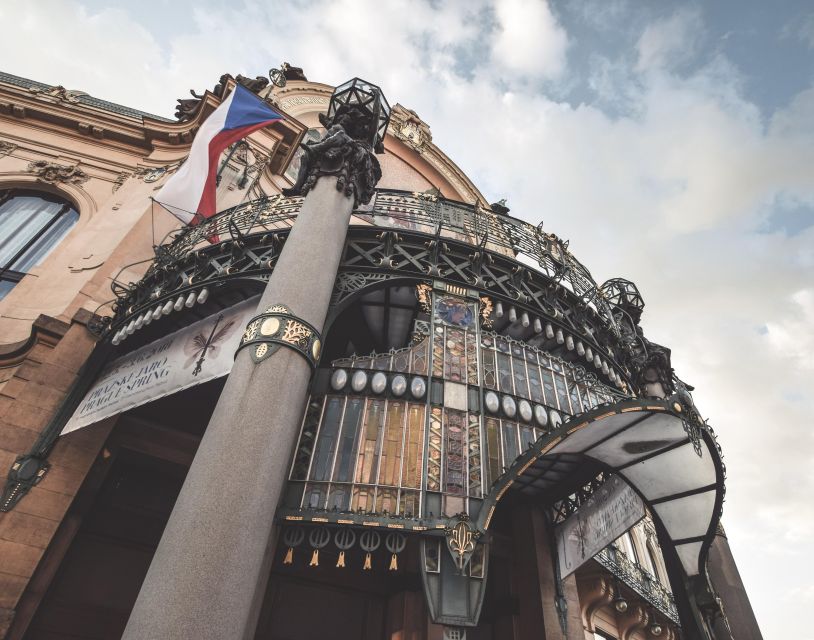
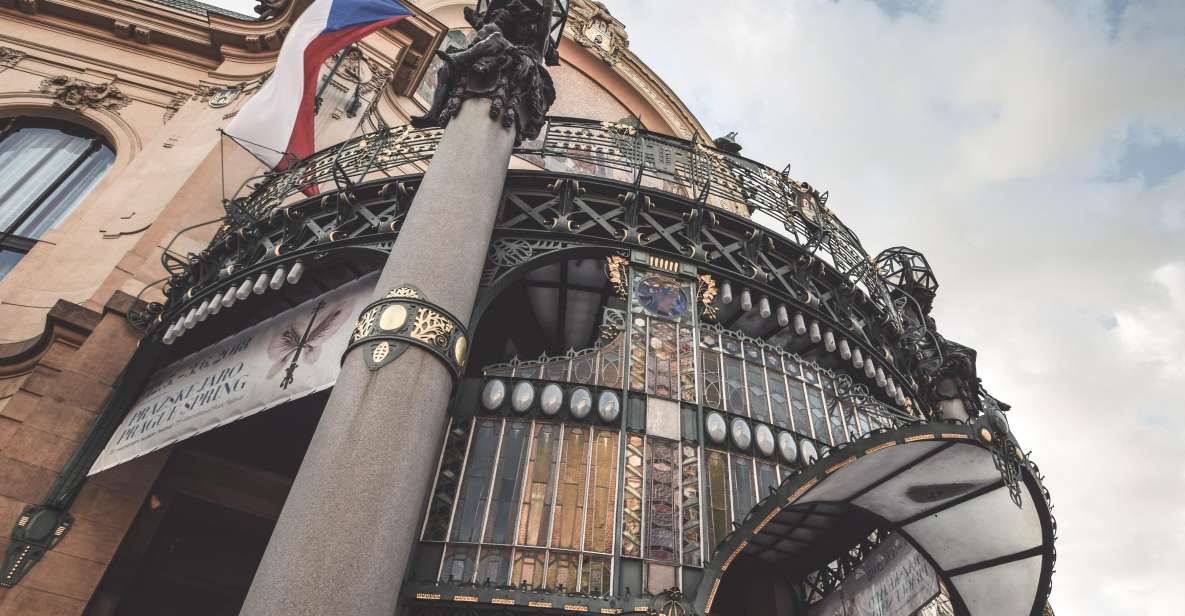
Next comes the Municipal House stop, with guided sightseeing time built in. This is the moment where the tour’s theme of Belle Epoque design becomes more obvious in a classic Prague setting.
The benefit of the way this is handled is that you don’t just hear a style label and move on. Your guide ties the visual language to the broader shift from 19th-century taste toward early modern aesthetics. That connection matters because you start understanding why certain features feel bold for their time, and why people at the time either loved them or pushed back.
If you tend to rush through famous Prague buildings, slow down here. Even when your stop time is short, you’ll get more out of it if you treat it as a reading exercise: identify patterns, then connect them back to the story you’ve been hearing all morning.
House of the Black Madonna: a familiar setting, explained differently
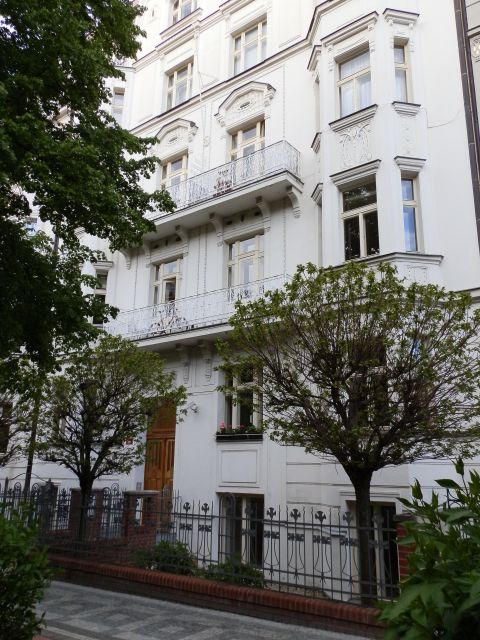
The House of the Black Madonna is another downtown anchor, visited with guided time. This part of the day helps you see how Prague’s architecture can hold layers of meaning at the same time: design choices, cultural context, and the city’s 20th-century story moving right alongside older traditions.
One reason I like this tour format is the balance. You’re not only chasing the newest style experiments. You’re also learning how the “modern” and the “historic” coexist and interact in real buildings, in real neighborhoods.
If your previous Prague trips focused mostly on the biggest landmarks, this kind of explanation can flip the experience. The building may look familiar. But the way you interpret it won’t.



Wenceslas Square: a long enough stop to feel the scale
You spend time at Wenceslas Square, with a longer sightseeing window than some other stops. This makes sense. The square gives you scale and context for the New Town setting, and it’s a useful place to step back for a minute and think.
Also, Wenceslas Square acts like a transition marker. After you’ve had the guide walking you through the style logic of Art Nouveau, the day opens the door to the next chapter: the look and attitude of Cubism, and the places where it gets more daring.
This is also where you can pace yourself. Use the time to rest your feet for a few minutes, grab water, and reset your eyes. When you later head toward Vyšehrad, you’ll be glad you did.
Public transportation to the Vyšehrad area: where Cubism shows up more boldly
After the downtown stretch, the tour uses public transportation for a short ride to a more remote area under Vyšehrad fortress. This is a practical and smart move. It saves energy and keeps you from turning the tour into a long transit maze.
You’ll also ride with the reassurance that transport tickets are included. The tour is structured so you’re never stuck figuring out what to do next. Then, near the end, a tram stop nearby is set up so you can return to the downtown area easily, with the tram tickets included in the tour price.
This part of the itinerary matters because it changes the feeling of the day. In the Vyšehrad area, you’re walking with a different mood: the guide’s Cubism narrative becomes the main course, not a background theme.
Three Cubist Houses and the Vyšehrad stops: seeing the revolt in real space
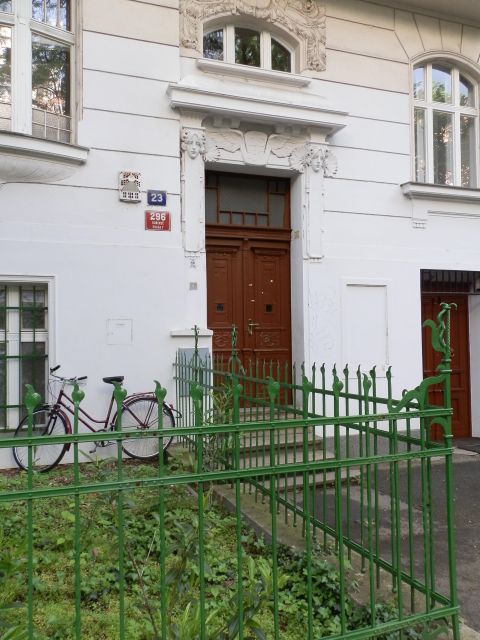
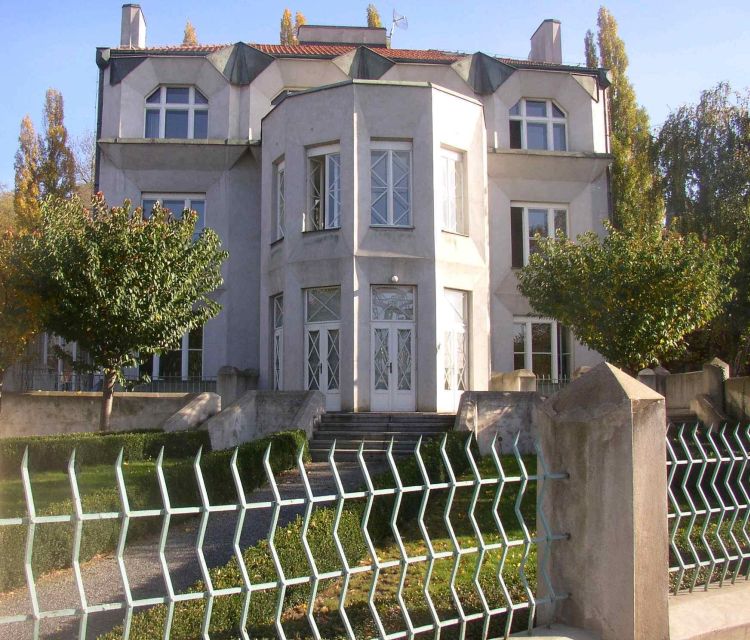
The last leg is where the tour leans hardest into Cubist architecture. You visit the Three Cubist Houses, then continue with stops like Kovařovicova vila, and finish with Cubist house Vyšehrad č. p. 98.
Each stop is short, but the total effect is strong because the guide keeps returning to the tour’s central argument: Cubism is presented as a revolt against the more decorative approach of Art Nouveau. You can also connect this to the broader lesson about World War I’s changes. The tour’s story doesn’t treat styles like fashion trends that never stop. It shows how they can be challenged, disrupted, and reshaped by history.
When you arrive at these cubist-focused buildings, don’t rush. Cubist design reads well when you look from a few angles and give your brain time to track the lines. Even with limited stop time, a calm scan can make the difference between snapping photos and really understanding what you’re seeing.
The guide’s narration: why Max and Eva stand out on similar tours
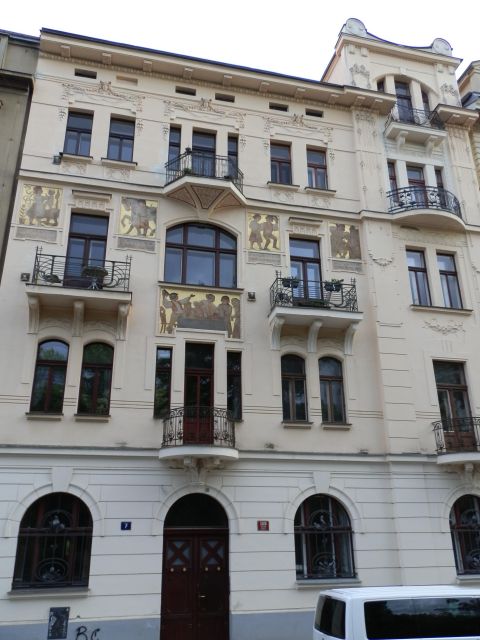
The success of a design tour is usually decided by the guide’s storytelling. In the feedback from recent groups, guides such as Max and Eva are praised for clear explanations and strong answers to questions.
That matters because the tour isn’t just about listing buildings. It’s about teaching you a method: notice the details, then link them to the social and historical context. If you enjoy architecture only when it has a reason, this is your kind of guide-led experience.
It also helps that the tour narrative is framed in a way that feels understandable and still a little exotic. The era is recent enough to grasp, but old enough that the mindset behind the design can still feel surprising.
Timing, walking, and who this private day works for
This tour runs as a private group for a full day format (1 day), with lots of short walking segments rather than one long slog. That makes it flexible, but it also means you’ll want stamina for repeated steps and street crossings.
You’ll also want to plan on a few “wait, look, learn” pauses. That’s the point. This isn’t a fast photo sprint.
It’s marked as not suitable for children under 12, which tells me the content and walking rhythm likely assume adult attention spans for art and design context. If you like architecture talk and you’re traveling without kids, you’ll probably match the energy better.
The tour is also wheelchair accessible, so the pacing and route planning appear to account for mobility needs. Comfortable shoes still matter, though, since you’ll be out and moving for much of the day.
Price and value: $84 for a private guide plus transport
At $84 per person for a 1-day private architecture tour, value comes down to two things: guidance and logistics.
First, your fee covers a live guide who connects Art Nouveau and Cubism with the 20th-century context, plus the time spent at multiple stops across both the downtown and Vyšehrad areas. Second, public transportation tickets are included, and the tram ride back is also built into the plan.
That combination is where the day feels efficient. You’re paying for someone to route you intelligently and help you “read” the city without wasting time on transit decisions.
This is also a good match if you’ve already been through the biggest Prague highlights. The tour is designed for people who want something a bit more alternative without going so far off the map that you feel stranded.
Should you book this Art Nouveau and Cubism tour?
Book it if you want Prague with a brain attached. You like walking architecture trails, you want explanations for why styles changed, and you don’t mind a day that mixes famous spots with quieter streets.
Consider skipping or adjusting expectations if you prefer very short tours or you’re sensitive to pacing. One past participant felt the later part could be shorter, so if you’re the kind of person who hates linger time, make peace with a bit of day coverage before you go.
If your goal is to understand Prague’s modern design story—starting from the 1909 Central Station era and ending in the cubist zone near Vyšehrad—this tour is a strong pick.
FAQ
Where does the tour start?
It meets at Prague’s Central Train Station, in the middle of Platform No. 1. The guide is carrying a red folder.
What time does the tour operate?
It’s listed as valid for 1 day, and starting times depend on availability.
How long is the tour?
The experience is a 1-day tour. (Specific total duration isn’t listed beyond the day format.)
How much does it cost?
The price is $84 per person.
Is the tour private or group-based?
It’s a private group tour.
What languages are available?
The live guide is available in English and German.
Is public transportation included?
Yes. Tickets for public transportation are included, and a tram ride back to the downtown area is also included.
Is the tour wheelchair accessible?
Yes, the tour is wheelchair accessible.
What should I bring?
Comfortable shoes.
Is it suitable for children?
No. It’s not suitable for children under 12.
What’s the cancellation policy?
Free cancellation is available up to 24 hours in advance for a full refund.