REVIEW · PRAGUE
Prague: Guided Operation Anthropoid Tour with Lidice
Book on GetYourGuide →Operated by Supreme Prague · Bookable on GetYourGuide
Three sites, one unforgettable chain of events. This Prague tour connects the hiding place of the paratroopers, the street tied to the Heydrich assassination, and the village of Lidice after the brutal 10 June 1942 reprisals. I particularly like how the stops are tied to real locations, not just talk in a classroom, and how you get guided explanation plus time to look around at your own pace in the crypt area.
What I love most is Lidice’s memorial setting—a meadow and memorial space with a statue of 82 children, representing the kids from Lidice killed in Poland. The tour also keeps group size tight (small group up to 15) and uses a private vehicle, which makes the day feel efficient without rushing you through every moment. One possible drawback: the itinerary is focused, so if you were hoping for a deeper follow-the-assassination-route or extra stops beyond the core crypt, the assassination point, and Lidice, you may find the schedule a bit concentrated.
In This Review
- Key points at a glance
- Operation Anthropoid in Prague: three locations that make the story stick
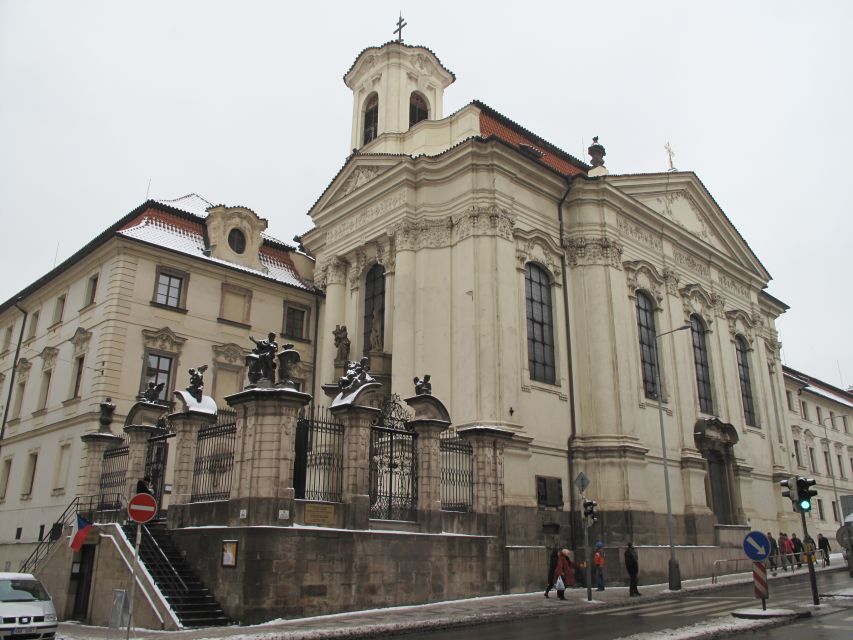
- St. Cyril and Methodius crypt: where 7 paratroopers hid
- The Heydrich assassination site: a street that changed, plus the meaning of that small monument
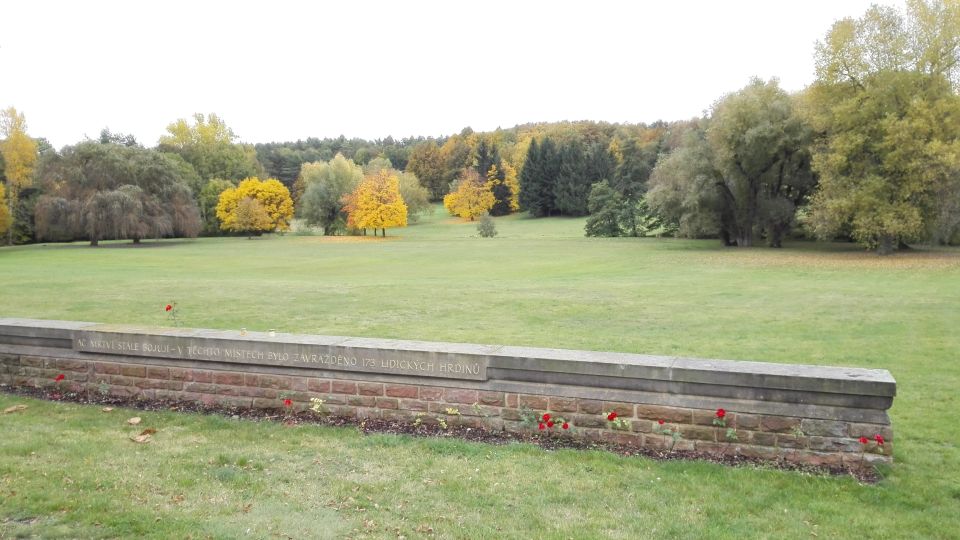
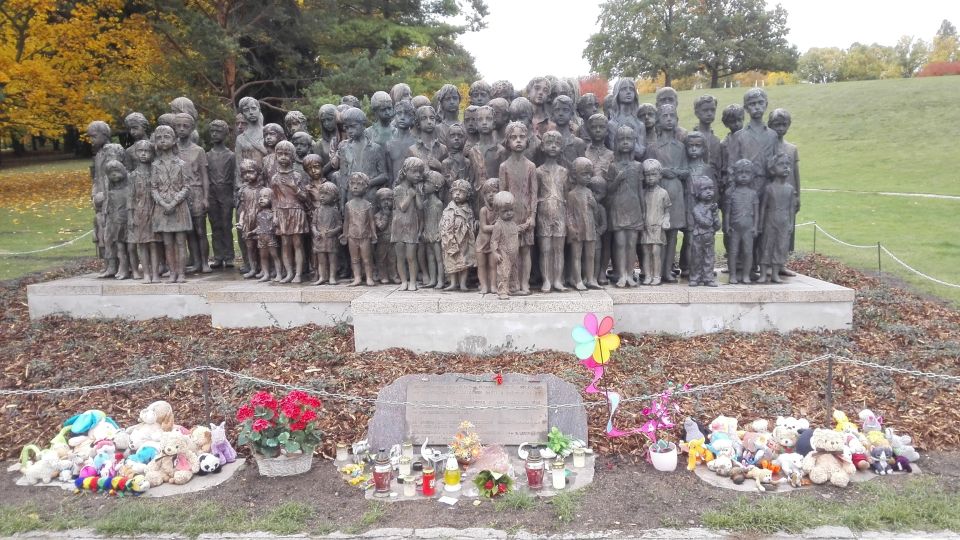
- Lidice on 10 June 1942: memorial, meadow, and the statue of 82 children
- What the private guide adds (and why guides like Lenka make a difference)
- Timing and pacing: 3 hours that don’t feel like a sprint
- Price and value of the $147 per person setup
- Who should book this tour, and who might want something different
- Should you book the Prague Operation Anthropoid with Lidice tour?
- FAQ
- How long is the Prague Operation Anthropoid tour with Lidice?
- Where do I meet the guide?
- Is hotel pickup and drop-off included?
- What languages are available for the live guide?
- Is it a small group?
- Does the tour run in bad weather?
- Can I cancel and get a full refund?
Key points at a glance
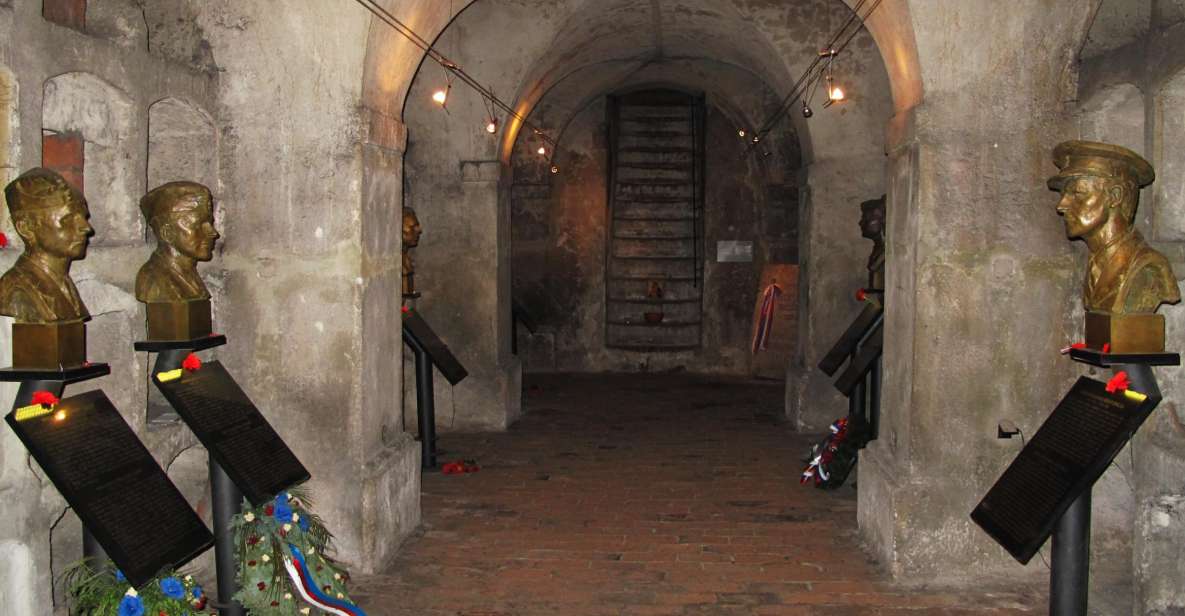
- Crypt beneath the church steps: where 7 paratroopers hid for three weeks, with guided explanation and time to explore.
- Streetside context at the assassination site: you’ll see the spot where Heydrich was attacked and learn what happened in the surrounding moments.
- Lidice memorial grounds: burned village history, the memorial/mass grave area, and the statue of 82 children.
- Private guiding in a small group: limited to 15, with English, German, or French interpretation.
- 3 hours with a private vehicle: designed to cover multiple sites without feeling like a marathon.
Operation Anthropoid in Prague: three locations that make the story stick
This is one of those tours where the setting does half the work. You start in the crypt area tied to the paratroopers, move to the assassination site of Reinhard Heydrich, then end at Lidice, the village erased in retaliation. Even if you already know the broad outline of Operation Anthropoid, seeing these places in sequence helps the story click into place.
The pacing matters. You’re not stuck staring at one museum room for three hours. Instead, you get guided narrative at each meaningful point, plus short moments to look around yourself—especially at the crypt area. That mix keeps it from feeling like a lecture and makes the history feel less abstract.
You can also read our reviews of more guided tours in Prague
St. Cyril and Methodius crypt: where 7 paratroopers hid
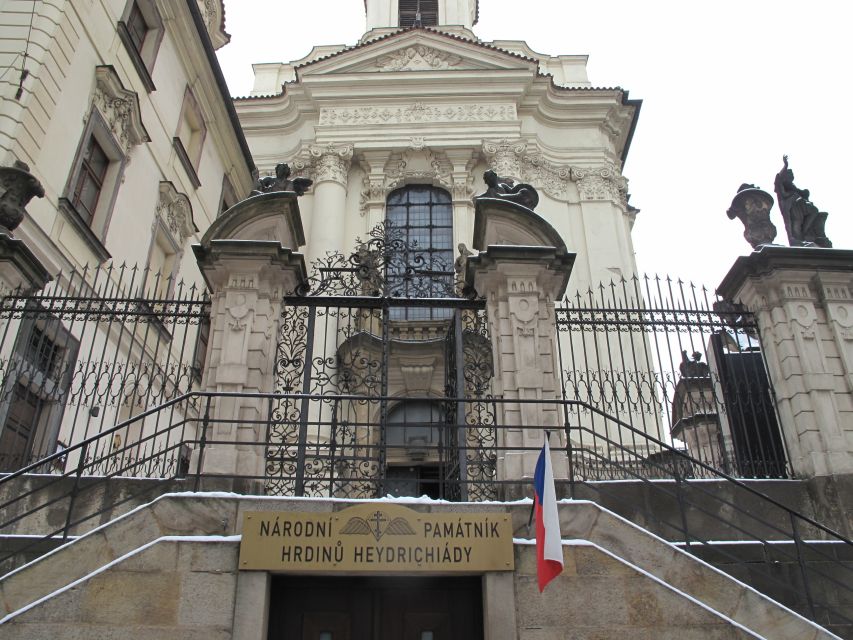
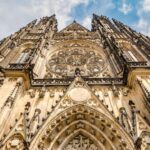
Your tour begins at the meeting point by the entrance to the crypt below the steps. Your guide will be holding a sign with your name, which is a simple detail, but it makes the start smoother when you’re arriving in Prague and trying to find the right spot quickly.
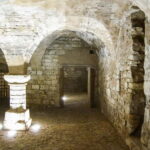
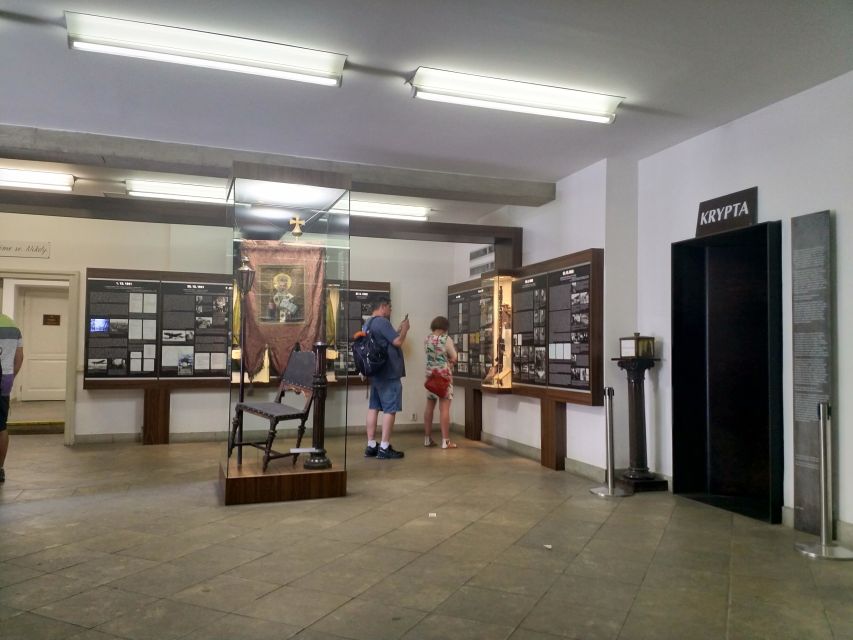
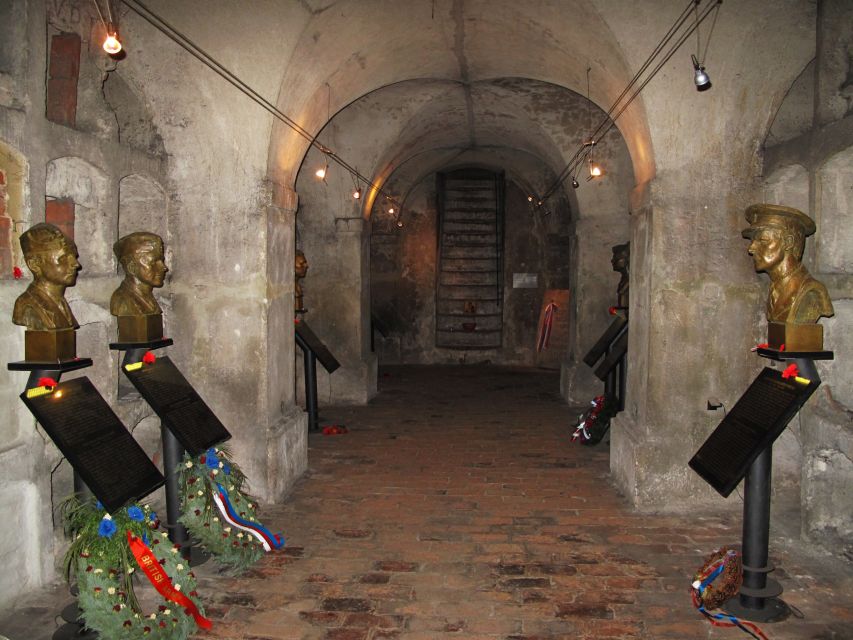
In the crypt area, the tour focuses on the hiding place of 7 paratroopers for three weeks. Your guide explains what happened in and around the church setting, then takes you through the crypt itself so you can understand the space where people survived on concealment and nerve.
What makes this stop valuable is the way it turns dates into geography. You’re not only told that the paratroopers hid and moved; you’re standing in the volume of space where that hiding would have mattered. Even with limited time, you get enough space to form a mental map of the story—where the action unfolded, and where the human stress would have concentrated.
Expect to look at the church and crypt, then spend a bit of time exploring on your own. That unstructured time is underrated. It lets you pause after the explanation, ask your own follow-up questions of your guide (if you have them), or just absorb what you’re seeing without your brain being pushed forward every minute.
The Heydrich assassination site: a street that changed, plus the meaning of that small monument
Next, you head to the area where Reinhard Heydrich was assassinated by the two paratroopers, Gabčík and Kubiš. The key point here is that the street does not look like it did in 1942. Today, you’ll find a small monument marking the moment, and your guide walks you through what happened around that spot.
This is a different kind of historical learning than the crypt. Instead of confined space and hiding, you’re dealing with public movement and sudden violence. Seeing the modern street and then hearing what occurred there helps you understand something important: history doesn’t freeze in place. Cities keep living, and the past stays layered, sometimes under plain pavement and regular traffic patterns.
One practical tip: wear shoes you can stand in comfortably. Even if the stop isn’t long, this part of the tour is about looking, listening, and orienting yourself to how the neighborhood feels now compared to what it represented then.
Lidice on 10 June 1942: memorial, meadow, and the statue of 82 children
Then comes the emotional weight of the day: Lidice, the village burned down on 10 June 1942. The tour explains the Nazi revenge cycle after the assassination—how inhabitants were either killed on the spot or sent to concentration camps. Hearing this while you’re actually at the memorial grounds is much harder than reading it in a guidebook. It’s also why this stop matters.
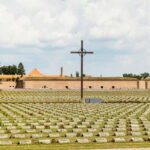
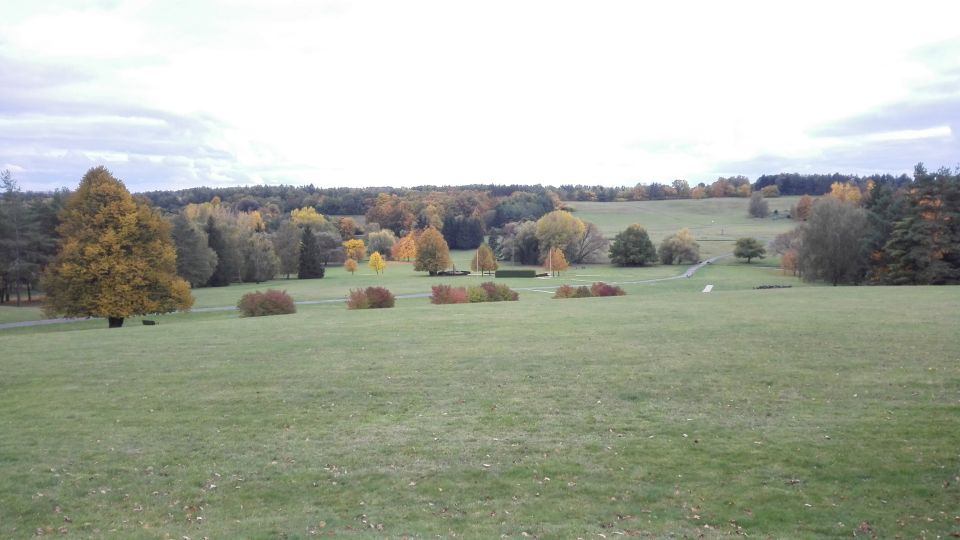
You’ll see a large memorial and the meadow area, plus a statue of 82 children representing children from Lidice killed in Poland (gassed). If you care about historical memory—how places are used to keep names and losses from disappearing—this section is one of the strongest parts of the tour.
One detail I really appreciate in how this tour is framed: it doesn’t treat Lidice like a generic WWII checkpoint. It’s presented as a specific community destroyed with specific victims, and the memorial design pushes you to confront that specificity. The statue, in particular, makes the tragedy feel personal instead of numerical.
If you’re someone who appreciates careful memorial design, you might also notice the way the memorial space gives you a place to slow down. This isn’t “rush to the next photo.” It’s a spot where silence can happen naturally. Plan on taking it in.
What the private guide adds (and why guides like Lenka make a difference)
A lot of WWII tours can feel like a timeline read from memory. What lifts this one is the guided storytelling tied to each site, and the fact that it stays interactive enough to handle questions. Several tours in this format run on autopilot. This one seems built to avoid that.
Guides like Lenka are highlighted for a reason: the tour gives you context, not just facts. You learn how the church and crypt connected to the paratroopers’ fate, you get the assassination story anchored to the street with its monument, and you understand what happened to Lidice as retaliation tied to Heydrich’s assassination.
If you have an interest in how local Czech experience fits into the operation—how people interpreted these events—you’ll get more than the standard international headline version. The tour also has time built in to absorb what you’re seeing, which helps the guide’s explanation land.
And yes, if you’ve seen movies about Operation Anthropoid, your brain will try to compare scenes to real places. Your guide’s job is to help you separate dramatic storytelling from physical reality. That’s where tours like this earn their place.

Timing and pacing: 3 hours that don’t feel like a sprint
The tour lasts 3 hours, and the time structure matters because the subject is intense. You want enough time to understand each stop without feeling like you’re being dragged along.
A good sign here: you’re not left waiting around. You move from the crypt to the assassination site, then drive to Lidice, with a plan that keeps you from spending your best Prague hours stuck in transit without purpose.
You’ll also travel in a private vehicle, which is helpful in a city like Prague where getting between sites efficiently can be its own little task. Since hotel pickup and drop-off aren’t included, you’ll start from the meeting point by the crypt. That means you’re responsible for getting there—but once you’re in the flow of the day, the transportation is straightforward.
Finally, this tour runs in all weather conditions. That’s normal for Prague, but it affects how you should dress. Bring a layer that works if it’s cold, and wear something you don’t mind if the ground is damp.
Price and value of the $147 per person setup
At $147 per person for a 3-hour guided tour with a private vehicle, you’re paying for a very specific kind of access: real sites tied to Operation Anthropoid, structured commentary, and small-group handling.
Here’s how I think about value:
- You’re not paying for a generic coach ride across town. You’re paying for guided interpretation at meaningful locations.
- The tour includes the guide and the private vehicle, which reduces your effort and uncertainty on the day.
- Small group size (up to 15 participants) makes it easier for the guide to keep the tone focused.
If you’re traveling in a duo or a small group and you’re already planning to visit Lidice and at least one Operation Anthropoid site, this can be efficient. You get the connections made for you, instead of stitching together directions and museum interpretations on your own.
Who should book this tour, and who might want something different

This tour is a great fit if:
- You want a clear, guided route through crypt → assassination site → Lidice in one morning/afternoon block.
- You like historical locations tied to named people and specific events (Gabčík, Kubiš, Heydrich).
- You want a guide to handle questions and explain the aftermath in a grounded way.
You might consider a different option if:
- You’re looking for a longer, more expansive route—like adding extra stops such as Heydrich’s home or following a longer sequence from the assassination point. This format focuses on the core triad of sites.
Also, keep your expectations realistic. This isn’t an upbeat walking tour. It’s an adult history experience that includes the brutal consequences of WWII actions.
Should you book the Prague Operation Anthropoid with Lidice tour?
I’d book it if your Prague plan includes WWII history and you want it tied to real places, not just stories on paper. The combination of the crypt hiding story, the assassination site context, and the Lidice memorial grounds creates a full arc that’s hard to replicate on your own in a short amount of time.
If you’re sensitive to heavy subject matter, go prepared for emotional material and give yourself time afterward to reset. And if you’re the type who likes deep route expansions beyond the core stops, double-check whether your priorities go further than crypt, assassination monument point, and Lidice memorial area.
Bottom line: if you want a focused, small-group, guided Route of Meaning, this is an excellent choice.
FAQ
How long is the Prague Operation Anthropoid tour with Lidice?
The tour lasts 3 hours.
Where do I meet the guide?
Meet in front of the entrance to the crypt below the steps. Your guide will be holding a sign with your name on it.
Is hotel pickup and drop-off included?
No. Hotel pickup and drop-off aren’t included.
What languages are available for the live guide?
The live guide is available in English, German, and French.
Is it a small group?
Yes. It’s limited to a small group of up to 15 participants.
Does the tour run in bad weather?
It runs in all weather conditions.
Can I cancel and get a full refund?
Yes. You can cancel up to 24 hours in advance for a full refund.
If you tell me your travel month and whether you prefer a morning or afternoon start, I can also help you plan what to pair it with in central Prague the same day.