REVIEW · PRAGUE
Prague: Communists and World War II Tour
Book on GetYourGuide →Operated by Fun in Prague · Bookable on GetYourGuide
Prague’s darkest decades start on your feet. This 2-hour tour connects the build-up to World War II with the long aftershock of Communism, and it does it on streets you can still recognize today. I like how the storytelling has real names and real causes, with guides such as Barbara and Otakar explaining how 20th-century power played out block by block.
What I like most is the way the tour shows the timeline in physical space: you pass through key central areas and then end up facing symbols like the 30-meter statue of Stalin. One thing to consider: this is a heavy-history focus, so if you’re hoping for a light sightseeing stroll, you might find it intense for 2 hours.
In This Review
- Key takeaways before you go
- Walking Prague from Nazi shadows to the Velvet Revolution
- What you’ll actually do (and what it feels like)
- Languages and guide styles you might want to know
- Finding your guide at Charles Bridge: the orange umbrella trick
- Národní and the pre-WWII setup: why the streets matter
- New Town and Republic Square: Czechoslovakia isn’t a magic trick
- Wenceslas Square: from occupiers to the symbols of a controlled city
- The 30-meter statue of Stalin: when a monument becomes policy
- Russian occupation, Jan Palach, and the logic of resistance
- Optional Museum of Communism: when you want more than street talk
- How much value does $29 buy in 2 hours?
- Who this tour suits best (and who might not)
- Should you book this Prague Communists and World War II tour?
- FAQ
- How long is the Prague Communists and World War II tour?
- Where does the tour start?
- What is the closest public transport stop?
- Which languages are available?
- Is the Museum of Communism included?
- What should I wear or bring?
- Are there items that aren’t allowed during the tour?
- What’s the meeting-point area like for finding the guide?
- Can I cancel last-minute?
Key takeaways before you go
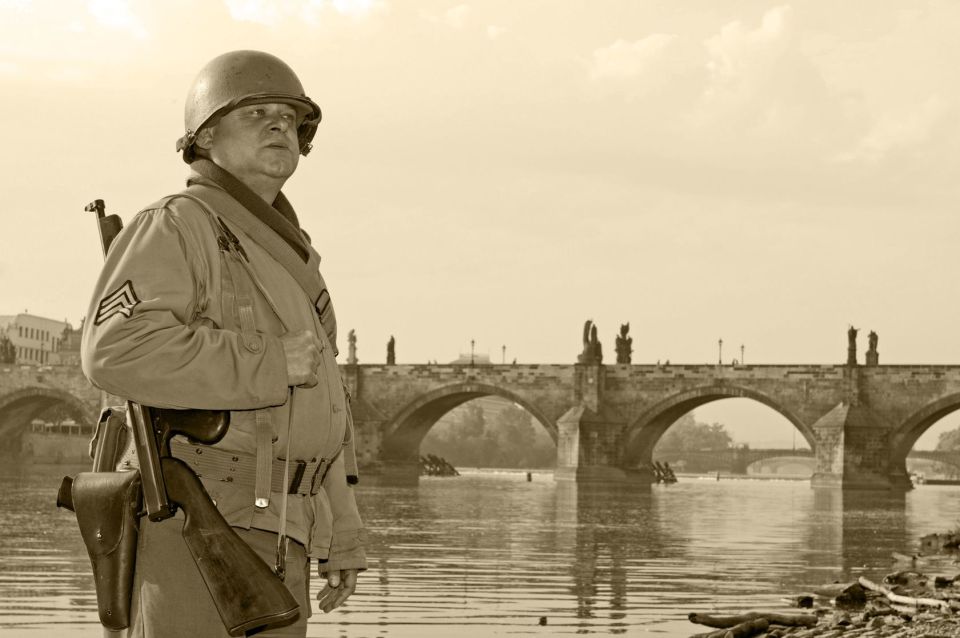
- Start at Charles Bridge area so you get historical context right from the first minutes
- WWII to Cold War in one thread, with clear explanations of how one era led to the next
- Nazi and Gestapo connections are tied to the streets you walk, not just dates on a page
- Stalin’s 30-meter statue is a major visual anchor for what Communism meant in daily life
- Palach and the Velvet Revolution come up as turning points, not just footnotes
- Optional Museum of Communism add-on with a 10% discount coupon for extra context
Walking Prague from Nazi shadows to the Velvet Revolution
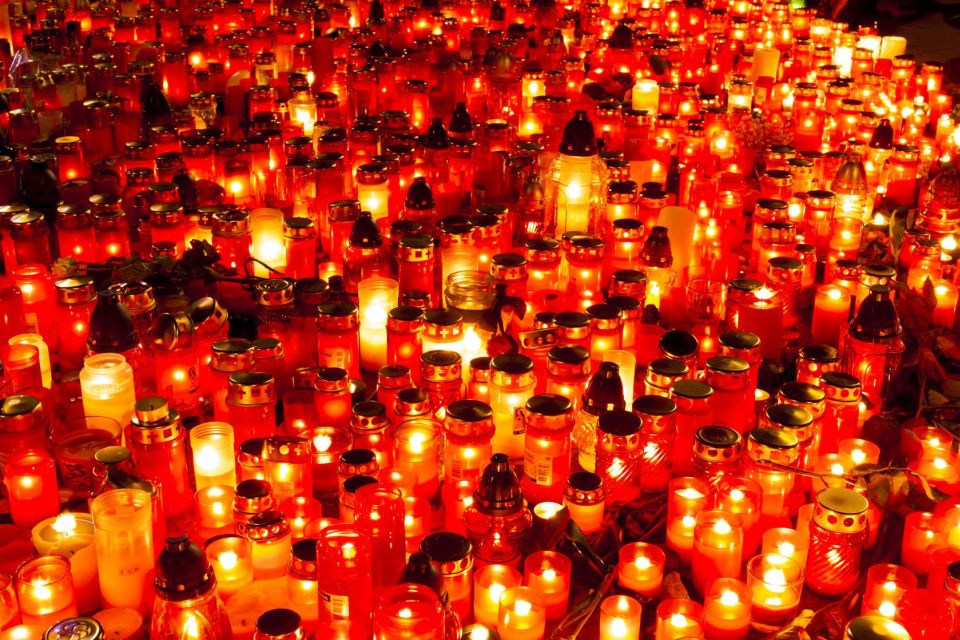
If your trip to Prague is mostly about bridges, beer halls, and beautiful old stone, this tour adds something different. It pulls you into the political weather that shaped the city in the 20th century—first the pressure before World War II, then the brutal occupation years, and finally the long stretch of Soviet-style rule. You walk through the center of Prague where history didn’t stay in books. It stayed in buildings, streets, public symbols, and personal risk.
This is a focused 2-hour walking history tour in central Prague. The price is $29 per person, which is what you’d expect for a guided, high-demand topic with a local guide and a tight route. The value is in how the guide turns major events—WWI’s fallout, the creation of Czechoslovakia, the rise of Nazi power, Communist consolidation—into a route you can mentally replay after you leave.
You can also read our reviews of more tours and experiences in Prague.
What you’ll actually do (and what it feels like)
You’ll cover a central walking path that runs from the Charles Bridge area toward key spots like Národní and Wenceslas Square, then through areas around Republic Square. Along the way, the guide connects the big political turning points to the street-level view in front of you.
You’re not just listening to a lecture from the curb. The best parts come when the guide points out how Prague’s public spaces carried messages—sometimes in plain sight, sometimes by threat and fear. You’ll also hear the stories of dramatic Czech resistance and dissent, including the fate of black-listed books, the significance of student Jan Palach, and what led to the Velvet Revolution.
Languages and guide styles you might want to know
Tours are offered with live guides in English, German, or Russian. Several guide names show up in customer feedback: Barbara, Dana, Martin, Otakar, Inna, Illene, and Geoff. That matters because this topic lives or dies by clarity. Many people specifically mention how guides answered lots of questions and kept the group engaged, which is a good sign if you like to ask why something happened, not just what happened.
Finding your guide at Charles Bridge: the orange umbrella trick
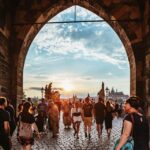
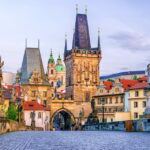
Your starting point is in the Charles Bridge area: Křižovnické náměstí, in front of Charles Bridge, next to the Statue Charles IV. The guide will hold an orange umbrella. That detail is more useful than it sounds, because the area has plenty of tour groups and people streaming in all directions.
The closest transit stop listed is Staroměstská. From there, you can usually work your way toward the Charles Bridge zone without needing special transit planning.
Tip for your first 5 minutes: arrive a few minutes early and scan for that orange umbrella. If you show up late, you’ll lose time, and on this kind of tour early context matters.
Národní and the pre-WWII setup: why the streets matter
The tour’s arc starts with the events leading up to World War II in Prague. The point isn’t to turn the city into a single timeline; it’s to show how Prague’s political situation got squeezed from multiple directions.
As you move through the center toward Národní and on to the newer urban sections, you’ll hear how World War I set the stage. That’s important because it helps you understand why the post-war political order felt unstable—fertile ground for rising extremist power in the years that followed.
This is also where walking becomes the teaching tool. You’re not staring at a museum wall. You’re seeing how power used public space:
- where people could gather,
- where propaganda could reach crowds,
- and where fear could spread faster than rumor.
If you like history that connects to real-world cause and effect, this part works well because the guide links the why (political shifts) to the where (the streets you’re on).
New Town and Republic Square: Czechoslovakia isn’t a magic trick
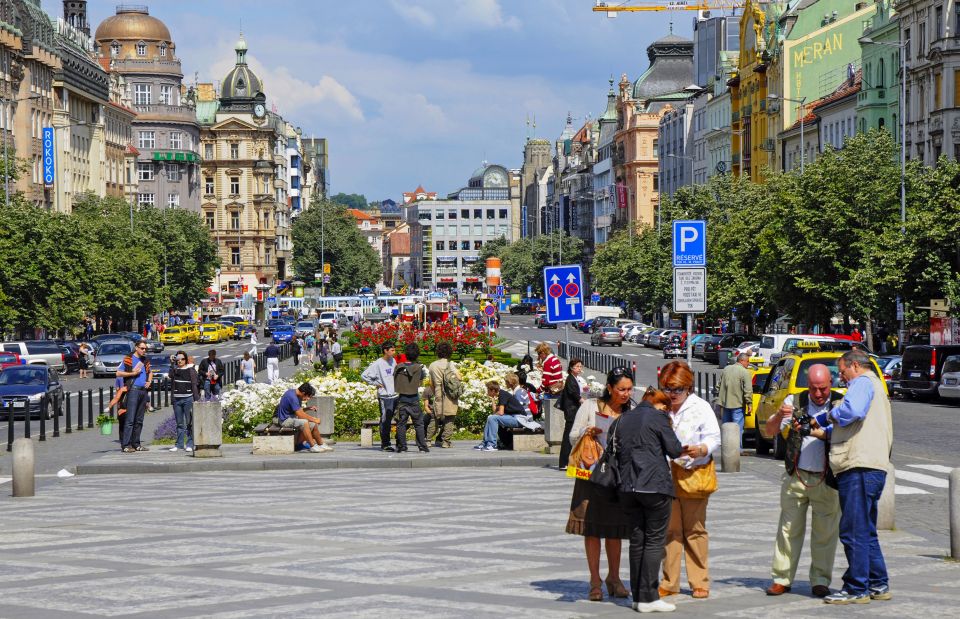
One of the tour’s promises is that you’ll discover how the creation of Czechoslovakia came about. You’ll also see how 20th-century politics didn’t happen in a vacuum. It happened amid competing interests, shifting borders, and pressure from larger powers.
Passing through the New Town and toward Republic Square puts you in the kind of central Prague space where “new states” and public legitimacy were meant to feel real. The guide’s job here is to make those political ideas tangible. You’ll hear the dramatic moments that led to the establishment of Czechoslovakia, and you’ll also get a sense of how later regimes tried to rewrite that earlier story.
One practical consideration: if you’re short on time in Prague and you’re already planning other WWII-related stops, this tour still earns its place because it doesn’t treat WWII as a standalone chapter. It treats WWII as the hinge that swung Europe into the Cold War.
Wenceslas Square: from occupiers to the symbols of a controlled city
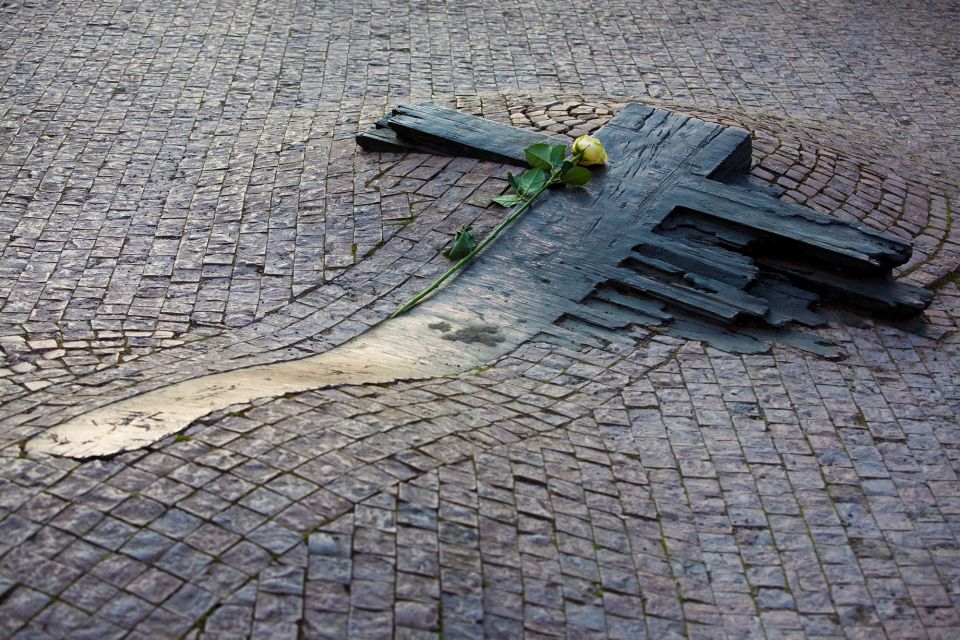
Wenceslas Square is one of the tour’s main corridors. The reason is simple: it’s a stage. In 20th-century history, stages matter because regimes need visible control—of crowds, of messaging, of public life.
This is where the tour leans into the Nazi-era period, including the idea that you’ll walk down streets where the Nazis once occupied Prague. You’ll also hear about the Gestapo presence in the city—again, not as a vague background detail, but as part of how daily life tightened.
Then the story doesn’t stop at WWII. It moves forward into Communist rule and the Soviet occupation period. That’s what makes the route feel like one continuous narrative: the threats change, but the mechanisms of control rhyme.
If you’re the kind of traveler who likes to understand how the same city can look “beautiful” in one decade and threatening in another, this is your stop. It turns the square from a photo spot into a political mirror.
The 30-meter statue of Stalin: when a monument becomes policy
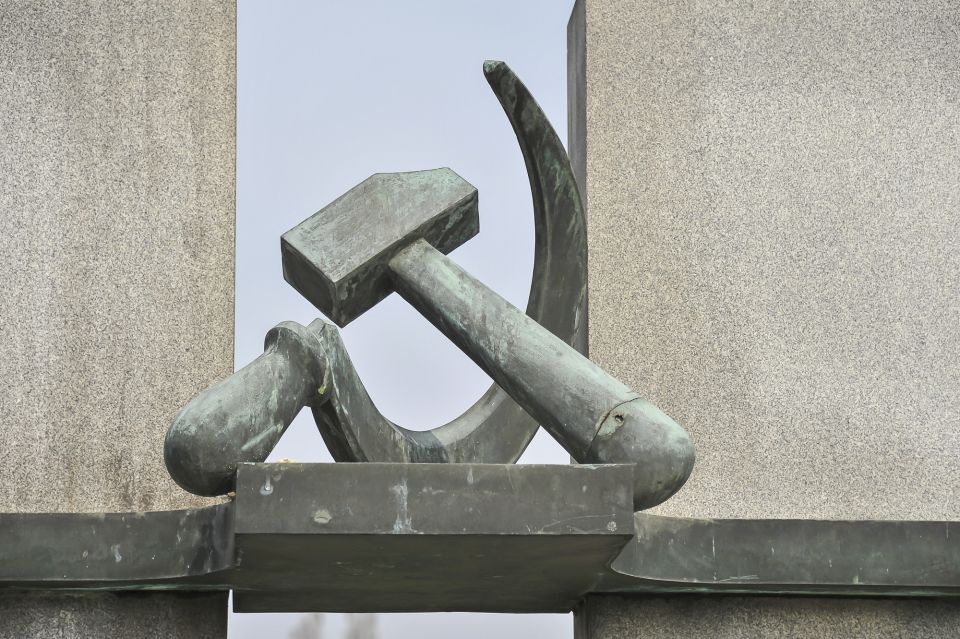
The biggest visual highlight is the 30-meter tall statue of Stalin. Seeing something that size in person does something your brain can’t do with a textbook. It shifts the experience from learning about the past to feeling how authority tried to dominate space.
On this tour, the statue works like a marker. It anchors the Communist era and makes the Cold War feel more than abstract rivalry. You’ll hear about life under Communism post-World War II, and the guide connects that era to how the state controlled culture and information.
This is also where stories of repression get sharper. The tour mentions black-listed books being burned, which is one of the most chilling forms of cultural control: not just arresting people, but trying to erase the ideas they might have carried.
Russian occupation, Jan Palach, and the logic of resistance
The tour follows the chain of events through the Russian occupation years and into later dissent. You’ll learn what led to the burning of black-listed books and why that mattered beyond the pages themselves.
Then comes Jan Palach—the student whose self-immolation became a turning point. The tour frames Palach not as a single shocking headline, but as the kind of desperate act that can force a society to confront what it has been enduring.
This matters because the tour doesn’t treat resistance as mythology. It treats it as something that grows out of pressure, fear, and loss—until a moment breaks through the wall of silence. That’s the emotional core of how the story leads to the Velvet Revolution.
If you want a “how did it change” answer—how Czech society moved from repression to political transformation—this segment gives you the narrative mechanics.
Optional Museum of Communism: when you want more than street talk
The tour can include entry to the Museum of Communism if you select that option. Even if you don’t, you’ll receive a 10% discount coupon for the museum, so it’s easy to add later.
Here’s how I’d think about the museum choice:
- If you like timelines, artifacts, and a “show me” approach, the museum gives you more detail than a walking route can.
- If you already have limited time, the walking tour alone still provides the key connections between WWII, Communism, and the end of the Cold War.
Also, the museum tends to work especially well right after the walk because your mental map is fresh. The guide’s story helps you see the museum’s objects as part of a sequence, not isolated displays.
How much value does $29 buy in 2 hours?
At $29 per person for a 2-hour guided walk, you’re paying for three things:
- a local guide to connect events to specific city spaces,
- focused attention on heavy, high-signal history (WWII through the Velvet Revolution),
- and a route that avoids making you hunt for context on your own.
A big part of the perceived value is pace. Short tours succeed when the guide can explain without rushing. In feedback, people often note guides who were engaging and quick to answer questions, which is exactly what you want for complex topics like occupation, propaganda, and resistance.
It’s also a smart use of time if you’re already spending hours around Prague’s classic sights. This tour doesn’t replace the postcard Prague. It explains why the postcard version exists beside darker chapters.
Who this tour suits best (and who might not)
This is a strong fit if you:
- want a clear storyline through the 20th century,
- care about how political control works in real places,
- and enjoy asking questions and getting direct answers from your guide.
It can be less ideal if you:
- prefer light, casual sightseeing with minimal historical weight,
- don’t like walking in central Prague for 2 hours,
- or expect the tour to be mostly photo stops. This one is more about understanding than photographing.
One more practical note: alcohol and drugs aren’t allowed. Bring comfortable shoes, because the experience is a walk and it’s built to keep moving through central areas.
Should you book this Prague Communists and World War II tour?
I’d book it if you want Prague to mean something more than its architecture. The tour gives you an organized thread from WWII pressure to post-war Communism, using major landmarks like Wenceslas Square, the central squares, and the 30-meter Stalin statue as anchor points. The story also reaches key Czech moments like black-listed books and Jan Palach, then connects to what led to the Velvet Revolution.
If you want a short, guided hit of 20th-century politics you can walk away with and explain to friends, this is a solid choice. If you’re tired, history-fatigued, or looking for a breezy day, it may feel heavy. But for most people visiting Prague, it adds the context that makes the city’s symbols—and silence—make sense.
FAQ
How long is the Prague Communists and World War II tour?
It’s a 2-hour walking tour.
Where does the tour start?
It starts at Křižovnické náměstí, in front of Charles Bridge, next to the Statue Charles IV. The guide holds an orange umbrella.
What is the closest public transport stop?
The closest tram or subway station listed is Staroměstská.
Which languages are available?
The live tour guide offers German, Russian, and English.
Is the Museum of Communism included?
Museum entry is included if you select the option. A 10% discount coupon for the Museum of Communism is provided with the tour.
What should I wear or bring?
Bring comfortable shoes for walking.
Are there items that aren’t allowed during the tour?
Yes. Alcohol and drugs are not allowed.
What’s the meeting-point area like for finding the guide?
You’ll meet at the Charles Bridge area by the Statue Charles IV. The guide is easy to spot because they hold an orange umbrella.
Can I cancel last-minute?
The tour offers free cancellation up to 24 hours in advance for a full refund, and you can use reserve now & pay later to keep plans flexible.