REVIEW · PRAGUE
Prague: Communism and Bunker Tour with 70s Canteen Lunch
Book on GetYourGuide →Operated by Prague Extravaganza Tours · Bookable on GetYourGuide
A bunker tour makes history feel physical. I like how this Prague experience turns big political events into street-level stories, and then lets you step into a 1950s nuclear bunker to feel the Cold War mindset. Two hours can work for a first pass, but if you’re tight on time, the full 4-hour option is the one that really builds the full picture. The main drawback is that the bunker isn’t ideal for claustrophobia.
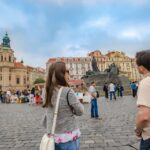
What I like even more is the guiding style: you get a local expert in English, with clear explanations and enough time for questions. Guides such as Klara, Leo, and Tereza are known for mixing history with personal context and a sense of humor, so the story doesn’t feel like a lecture. You’ll also get a small-group format (up to 15), which keeps it interactive rather than a shuffle-and-stand-behind-the-crowd tour.
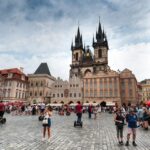
You start at a major landmark (the Powder Tower by Republic Square) and you’ll walk through both the New Town and Old Town areas, using the city itself as the timeline. Rain or shine is part of the deal, so bring grippy shoes and a light layer that won’t ruin your day.
In This Review
- Key Things to Know Before You Go
- Prague’s Communist Timeline Starts at Powder Tower
- Old Town Street Stories: What the Guide Does With 60 Minutes
- New Town and Wenceslas Square Area: Connecting Power to Daily Life
- Inside a Real Cold War Fallout Shelter: The 1950s Nuclear Bunker
- A 1970s Workers’ Canteen Stop for Czech Comfort and Kofola
- Small Group Energy: Local Guides Make the Story Click
- Walking Route Reality: Comfortable Shoes and Weather-Ready Clothing
- Price vs. Value: What $33 Gets You (and When It’s Worth Upgrading)
- Who This Tour Suits Best
- Should You Book This Communism and Bunker Tour?
- FAQ
- How long is the tour?
- Where does the tour start?
- Is the tour guided in English?
- How big are the groups?
- Does the tour run in bad weather?
- What’s included in the price?
- Do I have to pay extra for the nuclear bunker?
- Is lunch included?
- Is the nuclear bunker suitable for everyone?
- Can I cancel if my plans change?
- What’s the difference between the 2-hour and 4-hour options?
Key Things to Know Before You Go
- Small group size (max 15): more questions, more back-and-forth, and less waiting.
- Powder Tower to Old Town and New Town: you trace how power and daily life connected across districts.
- 1950s nuclear bunker stop: included entry fee when you choose the bunker option.
- Hands-on bunker moments: you may get to try period uniforms and equipment.
- 1970s workers’ canteen break: 30 minutes on the longer tour, with lunch or Kofola at your own expense.
- Communist-era pin included: a small souvenir that matches the theme.
Prague’s Communist Timeline Starts at Powder Tower
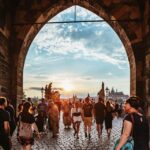
Your tour kicks off at the Powder Tower on Náměstí Republiky (Republic Square). This matters because you’re starting in a central, easy-to-find spot, then moving into Old Town and New Town with a guide who keeps the story ordered and understandable.
The core idea is a historical timeline, built around the major turning points in Czechoslovakia’s communist era: the Communist coup in 1948, the Prague Spring, and the Velvet Revolution of 1989. If you’ve ever felt like Prague’s history is either too broad or too abstract, this format is the antidote. You get dates, yes, but you also get what those dates changed for real people.
I also like that the tour doesn’t just point out buildings. It helps you connect events to the streets you’re walking, so you leave with a mental map instead of a list of facts.
You can also read our reviews of more tours and experiences in Prague
Old Town Street Stories: What the Guide Does With 60 Minutes
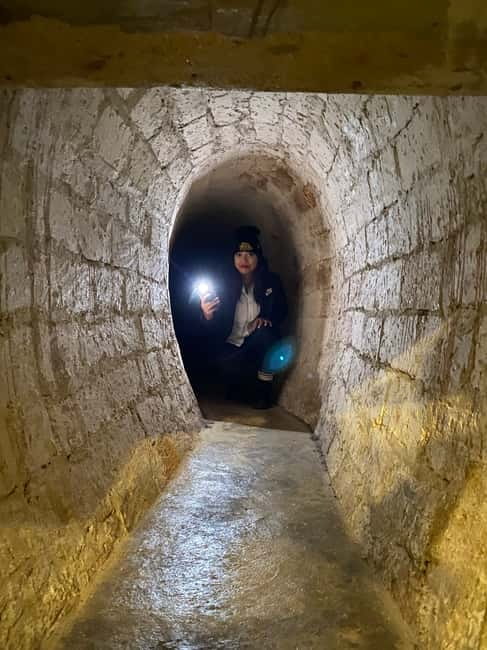
Old Town is where the tour slows down into explanation. You spend about an hour in this area, with guided stops that set the scene for how communist control reshaped Czech life after World War II.
Here’s the practical value: you’re not just learning what happened in 1948 or 1969. You’re learning why those events mattered to ordinary routines—work, rules, public behavior, and the feeling of being watched. That context is what makes the later bunker visit land harder.
One more thing I appreciate is how the guides bring clarity. In past tours, guides have used simple visual aids (like printed historical comparisons) to show how the area changed before and after communist rule. It’s the kind of detail that helps you picture the shift instead of guessing.
New Town and Wenceslas Square Area: Connecting Power to Daily Life
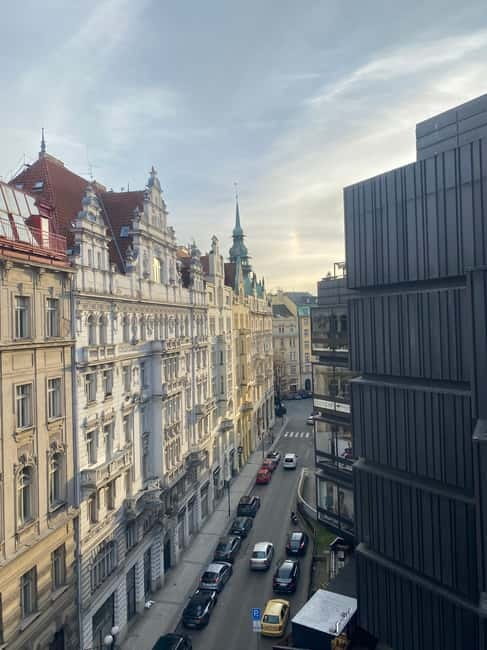
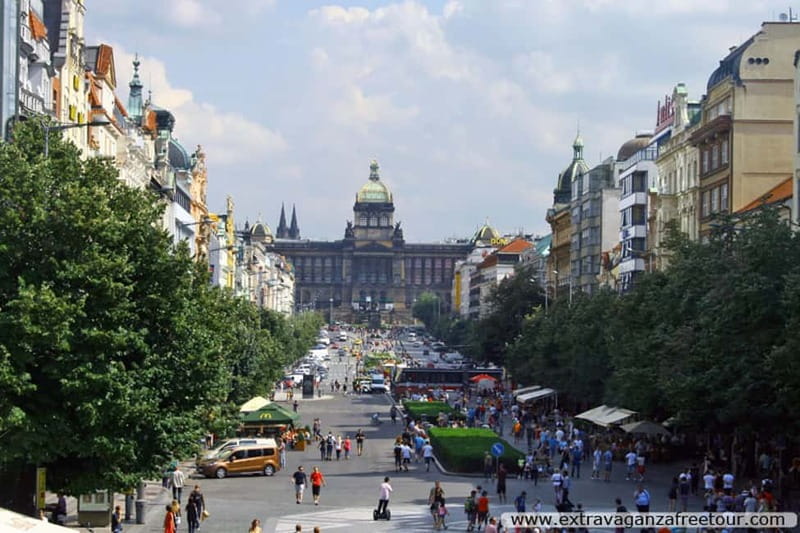
After Old Town, the tour continues into the New Town part of Prague, again with about an hour of guided time. This section is where the story expands from events into atmosphere: how authority worked, how people adapted, and how the system looked from the ground level.
New Town is useful here because you can physically feel the geometry of the city—wide avenues, big public spaces, and the sense of planned order. That’s exactly the vibe you’ll hear the guide describe when talking about state control and the Cold War mindset.
Expect time for questions. In the small group setup, the guide can actually answer without rushing, and that makes the political story feel less intimidating. If you’re someone who likes to ask why things went wrong or how ordinary people survived, this is a good structure.
Inside a Real Cold War Fallout Shelter: The 1950s Nuclear Bunker
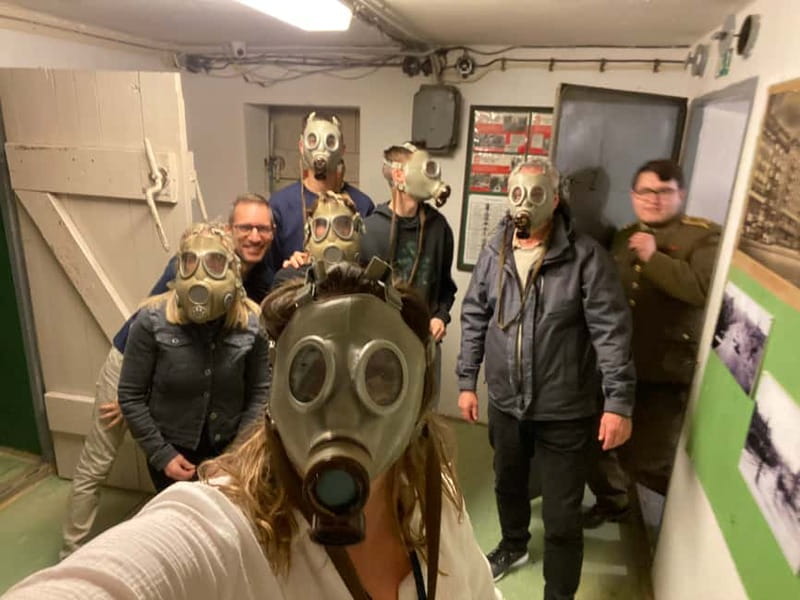
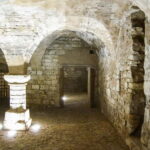
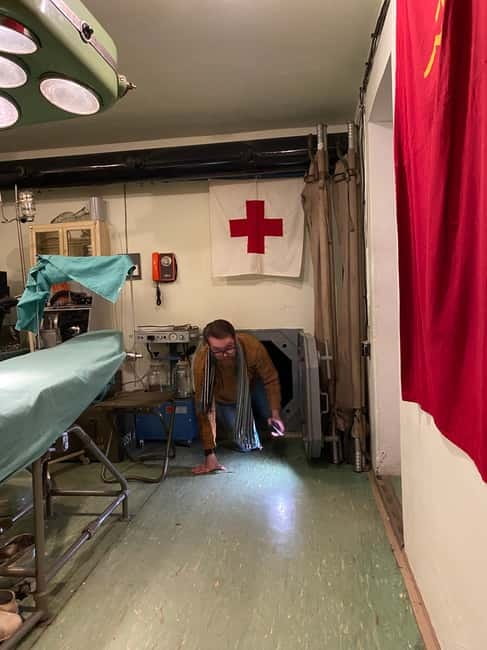
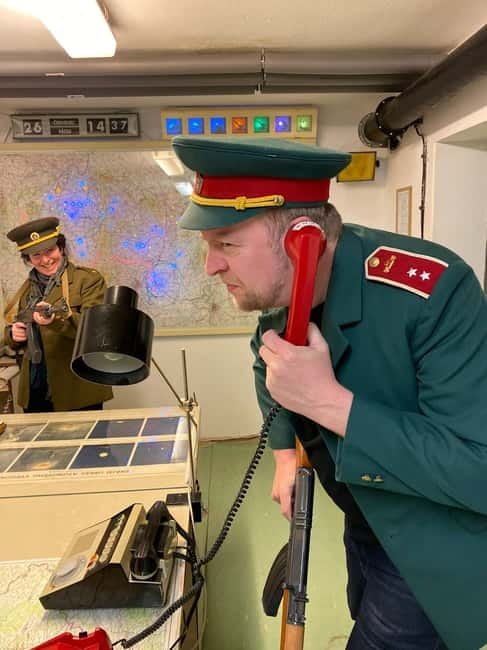
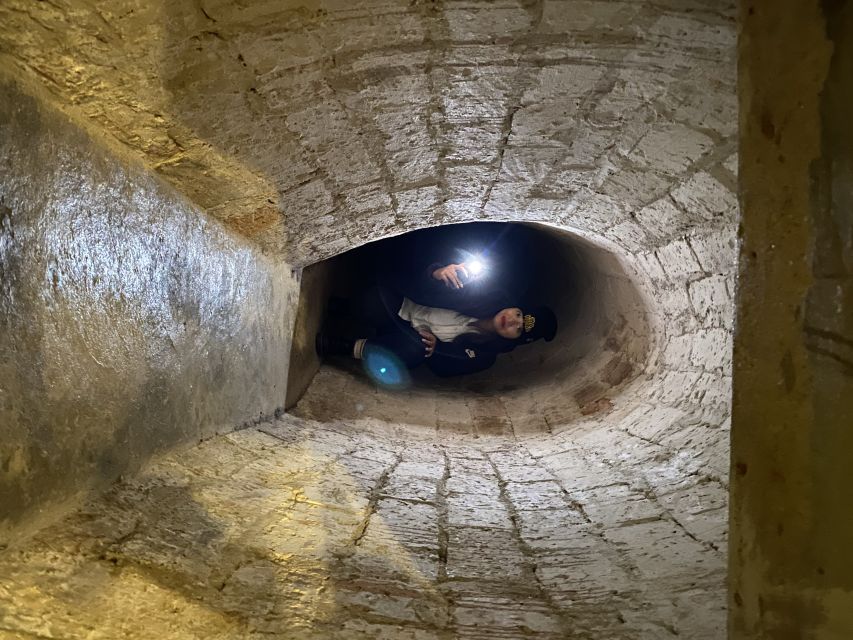
The star of the longer tour is the 1950s nuclear bunker. When you pick the full 4-hour option, the bunker entry fee (250 CZK / 10 EUR) is included, and you’ll have a guided visit. This is not a museum-style quick stop where you look at a sign and move on.
Instead, you get atmosphere. The bunker is designed to capture the fear and mood of the era—tight spaces, utilitarian design, and the idea that a worst-case scenario was planned for. It’s the kind of place that makes the Cold War feel less like TV history and more like a real psychological pressure.
Important caution: this tour is not suitable for people with claustrophobia. Even if you’re okay with history, the physical environment underground may be tough. If that’s a concern, consider choosing the shorter walking option that skips the bunker.
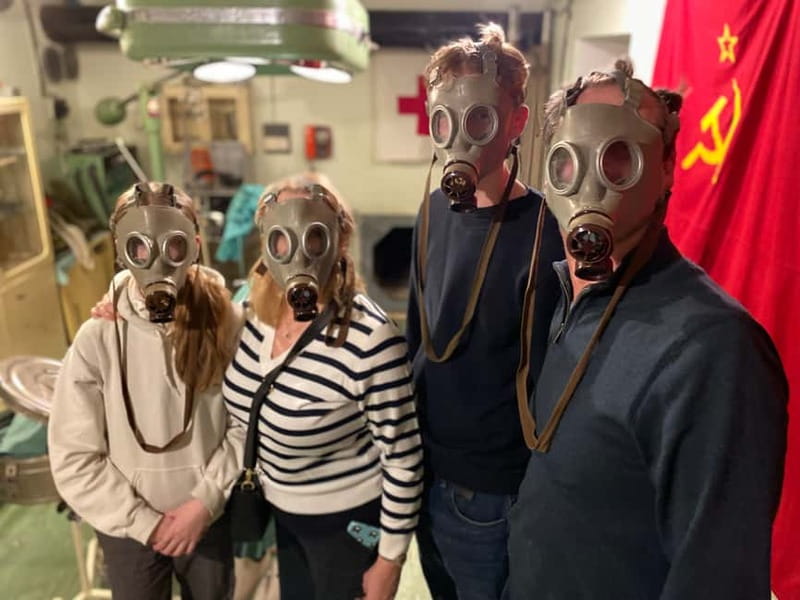
The best part for many people is the hands-on angle. Some guides include interactive moments such as trying on period uniforms or handling equipment down there, and the tour may include guided roleplay-style details to help you understand what life in that space would have felt like.
A 1970s Workers’ Canteen Stop for Czech Comfort and Kofola
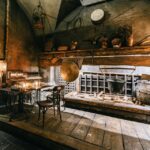
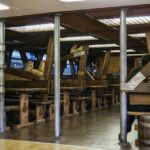
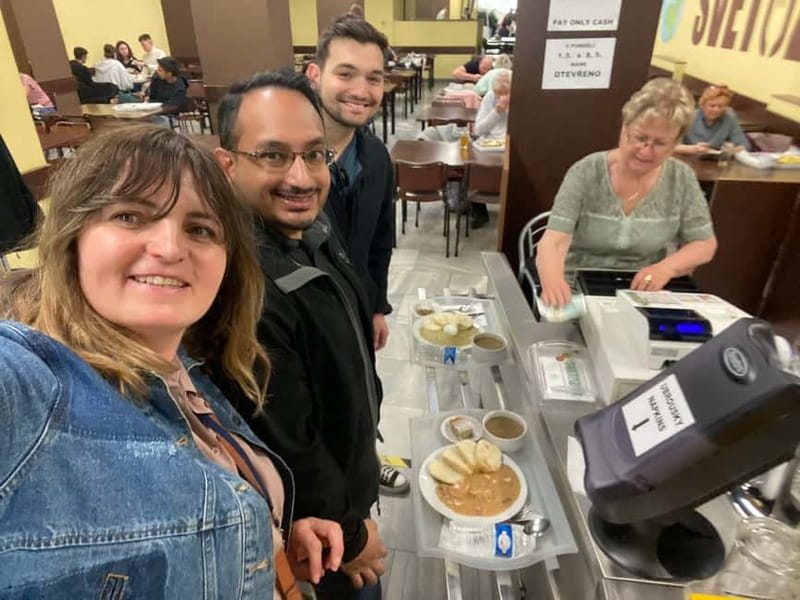
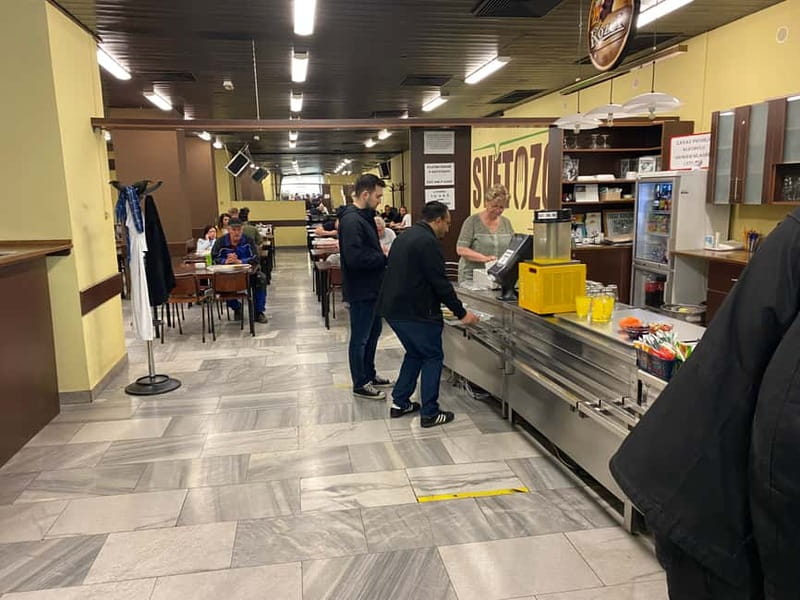
On the extended 4-hour version, there’s about a 30-minute break for lunch or a drink in a retro workers’ canteen style setting. This is where you trade political theory for something you can taste and feel.
You can choose Czech meal options, or you can go for Kofola, a classic Czech soda that fits the era in a way that’s fun and memorable. The catch: lunch is at your own expense, so think of this as included time to eat, not included food.
Why it’s worth it: communist-era systems weren’t only about speeches and politics. They were also about labor schedules, social routines, and what people ate and drank at work. A canteen break is an easy way to understand the day-to-day texture, especially for first-time visitors who want more than just monuments.
Small Group Energy: Local Guides Make the Story Click
The group stays small—up to 15 people. That’s a big deal for this topic because communist history has nuance, and people will naturally ask questions. With fewer people, your guide can actually tailor explanations instead of reciting the same script at full speed.
In particular, guides like Klara and Leo are praised for being engaging and personable, with humor worked into the pacing. Some tours also include quiz-style moments between stops, which sounds gimmicky until you realize it’s a quick way to keep the timeline straight in your head.
Another practical win: you’re not just hearing facts. Guides often share personal stories or family context about life behind the Iron Curtain, which adds a human layer to the official history. Even if you already know some Prague basics, that kind of lived context helps the whole era feel less distant.
Walking Route Reality: Comfortable Shoes and Weather-Ready Clothing
This tour is designed as a walking experience through central Prague. The route uses Old Town and New Town, so you’ll be on your feet more than you would be on a bus tour.
Two practical notes:
- It runs rain or shine.
- The bunker part (on the long option) is underground, so you’ll want to keep your expectations realistic if you’re sensitive to tight spaces.
If you’re coming in early summer or in cold months, plan layers. Prague weather changes quickly, and a light jacket or rain shell keeps you from turning history into a suffering contest.
Price vs. Value: What $33 Gets You (and When It’s Worth Upgrading)
The listed price is $33 per person, with durations of about 2–4 hours depending on which option you choose. On paper, that sounds simple. In practice, value depends on whether you want the bunker and the canteen time.
Here’s the value breakdown:
- You get an expert local guide and a structured walking tour focused on Cold War and communist-era context.
- You get a communist-era pin as a souvenir.
- If you choose the bunker option, the bunker entry fee is included (250 CZK / 10 EUR) and you also get the guided bunker portion.
- Food is not fully included: the canteen break is part of the longer tour, but lunch is at your own expense.
So, if your priority is getting the full “street story + real fallout shelter” impact, the 4-hour version usually makes more sense. If you’re short on time or you’re worried about enclosed spaces, the 2-hour walking option can still give you the key timeline and context.
Who This Tour Suits Best
This is a smart pick if you:
- Want a clear, chronological explanation of Prague and Czechoslovakia’s communist past
- Like history that connects to real places you can see
- Enjoy interactive guiding, question time, and occasional hands-on moments
It’s also a good first stop for people building their understanding of Prague beyond castles and bridges. After this tour, the city’s postwar story makes more sense.
Skip the bunker part if you:
- Have claustrophobia or strong discomfort with underground spaces
- Prefer museum-style history that stays airy and open
Families can do it too, as long as kids are comfortable with walking and the bunker environment. The overall pace is designed to keep it understandable, not overwhelming.
Should You Book This Communism and Bunker Tour?
I’d book it if you want history with texture: a guide who can explain the timeline in plain language, plus a bunker visit that makes the Cold War feel immediate. The small group setup, the clear storytelling, and the chance for hands-on details are the big reasons it’s memorable.
Book the 2-hour option if you want the walking timeline and you don’t need the underground bunker. Book the 4-hour option if you want the full package: bunker, plus a 1970s canteen break for lunch or Kofola.
One last practical tip: arrive a few minutes early at the Powder Tower, and look for the guides holding a blue umbrella. Starting on time keeps the tour flow smooth and helps you get the most out of every stop.
FAQ
How long is the tour?
You can choose between a 2-hour communism walking tour and a longer 4-hour tour option. The 4-hour version includes the bunker and a canteen break.
Where does the tour start?
The meeting point is the Powder Tower at Náměstí Republiky (Republic Square). Look for the guide holding a blue umbrella.
Is the tour guided in English?
Yes, it includes a live tour guide in English.
How big are the groups?
Group size is limited to 15 people for a more personal experience.
Does the tour run in bad weather?
Yes, the tour runs rain or shine.
What’s included in the price?
You’ll get an expert local guide, the guided walking tour focused on Cold War history, and an original communist-era pin. If you choose the bunker option, bunker entry is included.
Do I have to pay extra for the nuclear bunker?
If you select the bunker option, the bunker entry fee is included. The listed value is worth 250 CZK / 10 EUR.
Is lunch included?
Lunch (in a 1970s-style workers’ canteen) is available during the break on the longer tour, but it’s at your own expense. Kofola is also an option during that break.
Is the nuclear bunker suitable for everyone?
No. The tour is not suitable for people with claustrophobia.
Can I cancel if my plans change?
You can cancel up to 24 hours in advance for a full refund.
What’s the difference between the 2-hour and 4-hour options?
The 2-hour option focuses on a walking tour through Prague’s communist timeline. The 4-hour option adds the nuclear bunker visit and a canteen break for lunch or Kofola.