REVIEW · PRAGUE
Communism & Nuclear Bunker Tour + 70s Canteen Lunch (own expense)
Book on Viator →Operated by Prague Extravaganza Tours · Bookable on Viator
Prague has a bunker story worth walking for. This small-group Cold War tour (up to 10 people) moves you from the Powder Tower through the key streets of Communist-era Czechoslovakia, then hands you time inside a real 1950s nuclear bunker.
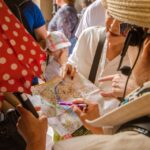
I also like how personal it feels—your guide (often Klara or Leo, and you’ll spot them with a blue umbrella) ties big political moments to everyday life, with a 70s canteen break where you can try kofola. The main thing to weigh is that the bunker visit isn’t for everyone: it involves tight spaces and isn’t recommended if you’re claustrophobic.
In This Review
- Key things to know before you go
- Cold War Prague in one smooth route: Powder Tower to Wenceslas Square
- Price and what feels like a good deal at $35.07
- Stop by stop: Republic Square and how power shifted in the 20th century
- Staroměstské náměstí: 1948 celebrations, fear, and the visible shadow of Stalin
- The quiet streets between squares: secret police ground and the Kotva clue
- Wenceslas Square: 1968 Prague Spring and 1989’s Velvet Revolution
- The 70s canteen break: kofola and working-class lunch tastes
- Inside the 1950s nuclear bunker: what the experience really gives you
- Small-group pace: why max 10 people changes how you experience Prague
- Who should book this tour (and who should reconsider)
- Should you book this Communism & Nuclear Bunker Tour?
- FAQ
- Where does the tour start?
- Where does the tour end?
- How long is the tour?
- Is this tour offered in English?
- What group size should I expect?
- What’s included in the price?
- Are food and drinks included?
- Is the nuclear bunker part included?
- Is the tour suitable for claustrophobic travelers?
- What should I look for at the meeting point?
Key things to know before you go
- Up to 10 people keeps the walk conversational and question-friendly
- Meet at the Powder Tower on Náměstí Republiky and finish on Wenceslas Square
- Bunker admission is included (Cold War Museum fee of 10 EUR)
- Food and drinks cost extra during the canteen stop (kofola and lunch items are on your dime)
- Tight, underground spaces mean this tour is not recommended for claustrophobic travelers
Cold War Prague in one smooth route: Powder Tower to Wenceslas Square
If you’ve only seen Prague’s postcard Old Town and a few dramatic squares, this tour gives you the other side of the story: the Prague that lived under control, fear, and propaganda—and then worked its way out. It’s a walking format, but it’s not a casual “sightseeing only” stroll. You’ll be connecting places, dates, and people as you go.
The route is well chosen for comprehension. You start in the city’s Old Town orbit, where the layers of modern Czech history feel close at hand, then you work toward Wenceslas Square, where major political pressure points played out in public space. And you end at an underground Cold War shelter that makes the history tangible.
This is also a comfort choice for many visitors. The group stays small (max 10), so the guide can slow down for questions, explain names and events clearly, and keep the walk from turning into a rush.
You can also read our reviews of more tours and experiences in Prague
Price and what feels like a good deal at $35.07
At $35.07 per person, you’re paying for a guided history walk plus a paid bunker entry that costs 10 EUR on its own. The guide and the Cold War Museum (10 EUR) admission are included, which matters because bunker access is usually the expensive part of these experiences. You’re also getting an in-person guide, not just an audio tour.
What’s not included is the part you’ll likely want to budget for: food and drinks at the canteen stop. The tour gives you the chance to sip kofola and try a working-class lunch style meal, but those items are on your own tab. So I recommend thinking of the advertised price as covering the history walk and bunker access, then adding a small extra amount for lunch.
One more value point: time. The tour runs about 3 hours 30 minutes, with a full hour for the bunker portion. You’re not just getting a quick peek; you get enough time inside to understand what you’re looking at and to ask questions about the way the bunker was used.
Stop by stop: Republic Square and how power shifted in the 20th century
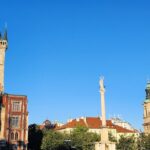
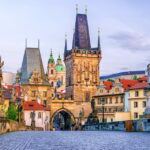
You meet at the Powder Tower in Náměstí Republiky—a handy location because it sits right where Prague’s Old Town energy meets the city’s larger, more connected streets. Right away, your guide frames the big timeline so the rest of the walk doesn’t feel like random facts.
At Republic Square, you’ll cover Czechoslovakia’s independence in 1918 and why Adolf Hitler had an early interest in the state. It’s not history as a list of dates; it’s history as a cause-and-effect chain that leads into the post-war period. You’ll also talk about how WWII events shaped what came next, including the political conditions that helped Communist power gain ground.
A point I appreciate here is that you’re not only hearing about elections and regimes. You’re learning how outside pressure, occupation, and post-war chaos set the stage for later control. That context makes the darker stops later in the walk feel earned instead of sudden.
Staroměstské náměstí: 1948 celebrations, fear, and the visible shadow of Stalin
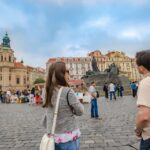
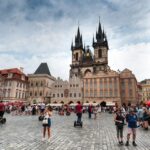
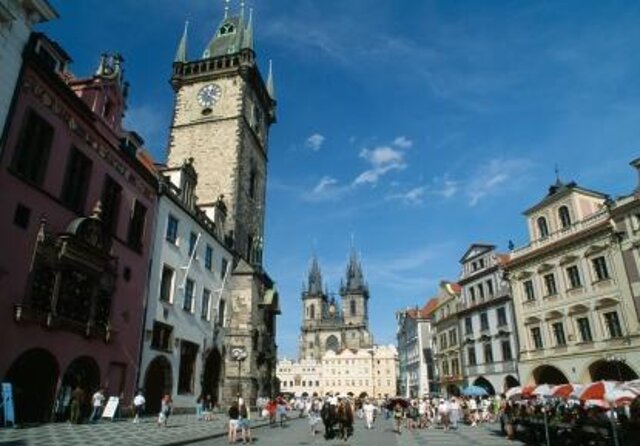
From Republic Square you head into Staroměstské náměstí, where public space did a lot of political work. Here, you learn about Communist Party celebrations in 1948, when victory was turned into a spectacle in the open.
This stop also connects the “headline events” to daily life through what you’ll hear described as the 1950s era of fear. You’ll talk about working camps, manipulated trials, collectivisation, and the secret police—plus what it meant to live behind the Iron Curtain when normal life was shaped by surveillance and punishment.
There’s a specific visual detail that adds punch: you’ll learn about where the biggest Stalin monument used to stand. Even if the monument isn’t there now, the location anchors the memory. It’s a good reminder that propaganda didn’t only live in posters; it was built into the city’s skyline and street corners.
The quiet streets between squares: secret police ground and the Kotva clue
Between the main square stops, you’ll walk through streets that many visitors skip. That’s one of the reasons the tour feels different from the standard “square-to-square” approach.
You’ll pass places like Bartolomejská Street, linked to the former headquarters of the secret police. You’ll also note Narodni Street, connected to the 17 November 1989 crackdown on student protesters. And you’ll catch references to the Kotva shopping mall area as part of how everyday life and state power mixed in lived spaces.
These bits matter because totalitarian systems don’t just happen in government buildings. They show up in how people travel, where they shop, what streets become danger zones, and which institutions had reach over daily routine.
If you like history that feels grounded—history with street addresses—this tour delivers.
Wenceslas Square: 1968 Prague Spring and 1989’s Velvet Revolution
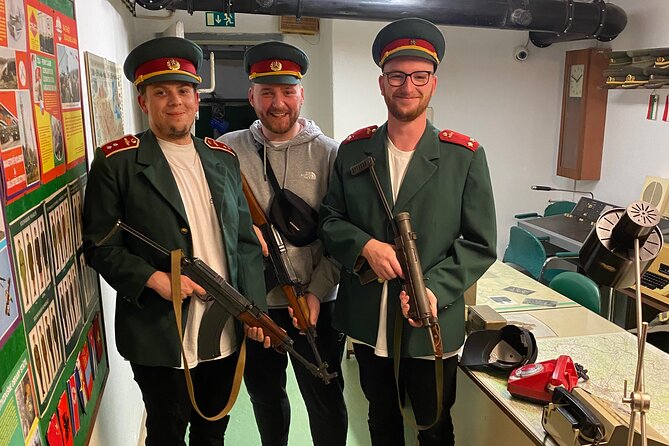
You spend more than one chunk of time around Wenceslas Square, and that’s smart. It helps you see the difference between the hope of reform and the reality of forced control.
In the 1968 portion, you’ll connect the Prague Spring to this area and to nearby streets like Vinohradská. The story you’ll hear is how Soviet forces crushed the nation’s democracy dreams. The tone is clear: this wasn’t a smooth “helping hand” moment; it was occupation of a reforming society.
Then you return again for the 1989 story. This is where the walk pivots toward the public protests against the Communist regime—the start of what’s known as the Velvet Revolution. You’ll hear about Vaclav Havel and other key figures tied to modern Czech history.
A practical tip: wear comfortable shoes here, because Wenceslas Square can feel open and exposed in bad weather. But as a lesson space, it works perfectly. It’s wide enough for crowds, symbolism, and the visibility of protest and authority—exactly what this chapter of Czech history required.
The 70s canteen break: kofola and working-class lunch tastes
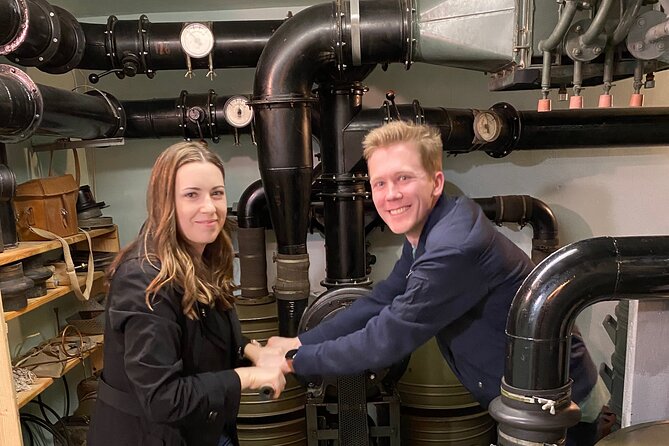
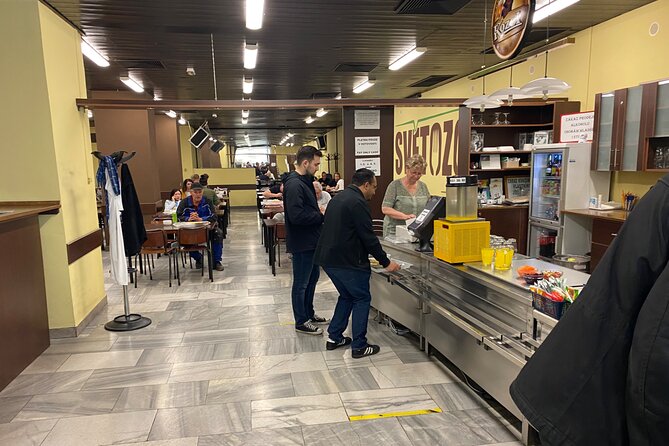
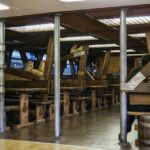
One of my favorite parts of this tour is the fact that it stops for a local workers’ canteen styled like the 1970s. It turns the story from political theory into something your senses can recognize: flavors, menu basics, and that simple communal feel.
You can sip kofola or order a proper working-class lunch. Since food and drinks are explicitly not included, treat this as an add-on. Bring some extra money so you can eat at the canteen instead of standing there hungry while everyone else samples.
This kind of stop works well because it adds variety to the walk’s emotional tone. You’ll go from heavy subjects—secret police, fear, occupation—into a space that communicates everyday life. Even if you only stay for the scheduled break, it helps the whole story land with more realism.
Inside the 1950s nuclear bunker: what the experience really gives you
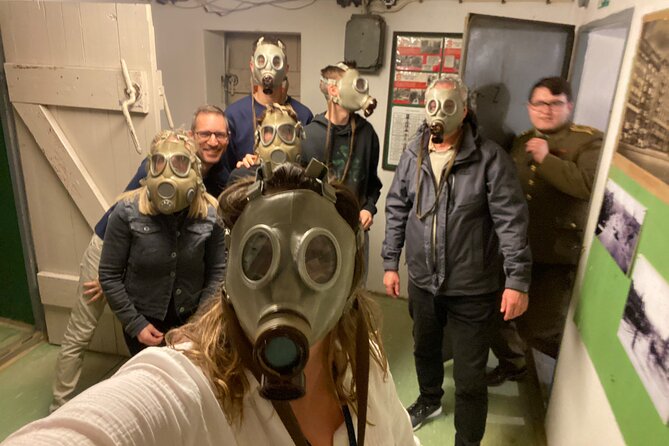
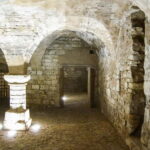
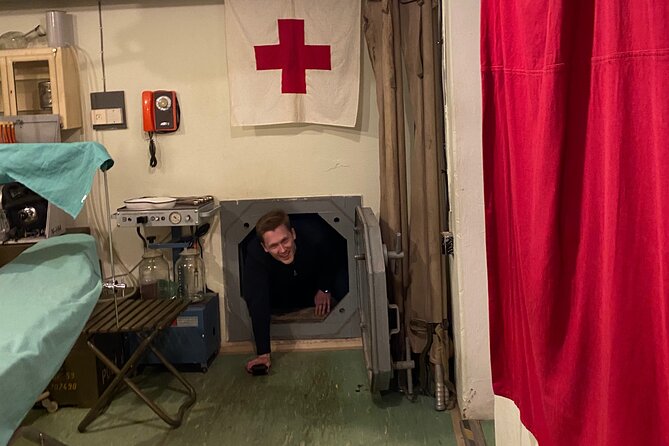
The main event is time inside a real nuclear bunker dating from the 1950s. This is rare. Many “Cold War” experiences are museum-style displays; here you’re walking through the kind of space people were meant to survive in.
The tour ends at a nuclear shelter in the upper part of Vaclavské náměstí, with the bunker admission included. Expect a longer block here—about an hour—because the value is in seeing the layout and understanding what you’re looking at. People often treat bunker tours like a photo op. This one works better if you slow down and read the room with your guide.
One practical note for comfort and mobility: the bunker experience can involve going down by elevator one level, then walking around 30 steps to a second lower level. That means good walking shoes matter, and it can feel tight. The tour also isn’t recommended for claustrophobic travelers, and if that’s you, I’d skip it rather than “test yourself.”
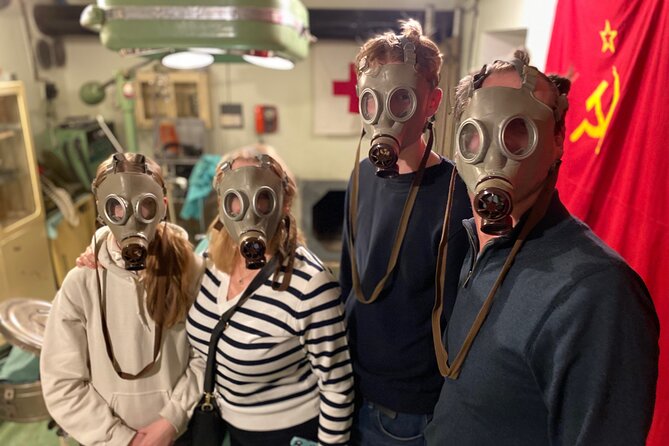
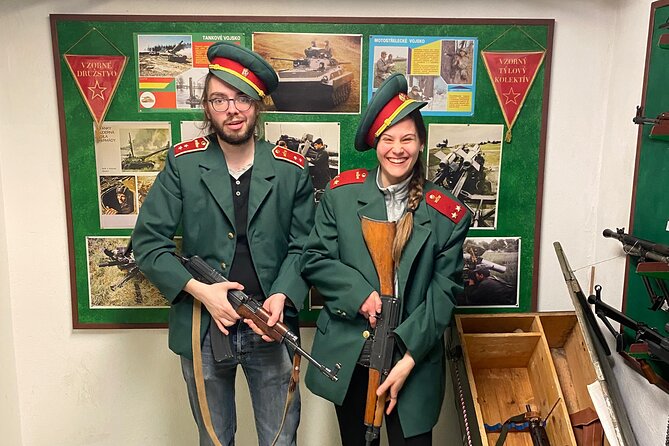
In many bunker spaces, darkness, angles, and narrow corridors do the storytelling for you. The guide’s explanations help too, and you may get a hands-on flavor to the experience (some visitors recall gear-style moments like gas mask trials). Even without doing any dramatic extras, just being underground makes the Cold War logic feel physical.
Small-group pace: why max 10 people changes how you experience Prague
Prague can be crowded and chaotic, even when you’re doing “quiet” walking routes. This tour avoids some of that stress by keeping the group small—up to 10—which matters in two ways.
First, you move through the city without feeling like you’re in a conveyor belt. That helps you actually look at the buildings and street junctions your guide is referencing. Second, the guide can answer questions without rushing. In a topic like Communist-era history, that ability to ask follow-ups is more than a nice bonus—it prevents confusion from snowballing.
I also like that the tour isn’t pretending you’ll leave an expert in one visit. It’s more like guided clarity: you’ll come out with a connected timeline, and you’ll know which streets and squares matter for each chapter.
Who should book this tour (and who should reconsider)
This works best if you want history tied to real places. If you like Prague beyond the obvious monuments, and you enjoy learning how political systems shaped ordinary life, you’ll probably get a lot out of the walk and bunker combo.
It’s also a great choice if you’re the type of traveler who likes asking questions. The small group format means you can talk with your guide instead of just listening politely.
The main reason to reconsider is comfort. The bunker visit isn’t recommended for claustrophobic travelers, and the underground movement includes steps. If narrow spaces make you panic, this is one of those moments where you should listen to the warning and choose a different Prague experience instead.
Should you book this Communism & Nuclear Bunker Tour?
I’d book it if you want your Prague to feel honest about the 20th century—not just decorative. The combo of a guided walking route through the political turning points plus a real 1950s bunker makes this more than a standard museum day.
Book it especially if you like context and street-level details: secret police references, student protest history on Narodni Street, the 1968 and 1989 anchors around Wenceslas Square, and the visible remnants of Communist-era power in the Old Town squares. And if you’re curious about everyday life under the system, the 70s canteen stop is a smart add-on.
Don’t book it if you know you can’t handle tight underground spaces. In that case, you’ll get a better experience choosing a more open sightseeing-style alternative.
If your schedule allows, aim to reserve ahead. This tour is typically booked about 40 days in advance, so popular departure times can disappear.
FAQ
Where does the tour start?
It starts at the Powder Tower at Nám. Republiky 5, Staré Město, Prague 1.
Where does the tour end?
It ends on Wenceslas Square at Václavské náměstí (upper part of Václavské náměstí).
How long is the tour?
The duration is about 3 hours 30 minutes.
Is this tour offered in English?
Yes, it’s offered in English.
What group size should I expect?
The tour has a maximum of 10 travelers.
What’s included in the price?
You get a local guide and the Cold War Museum admission fee of 10 EUR for the bunker shelter.
Are food and drinks included?
No. Food and drinks are not included, including the canteen items during the lunch break.
Is the nuclear bunker part included?
Yes. The bunker shelter admission fee (Cold War Museum fee 10 EUR) is included in the tour price.
Is the tour suitable for claustrophobic travelers?
No. It’s not recommended for claustrophobic travelers.
What should I look for at the meeting point?
Look for the guide holding a blue umbrella.