REVIEW · PRAGUE
Taste, Cook and Dine Traditional Czech
Book on Viator →Operated by Good Mood Food · Bookable on Viator
Dumplings and wine make Prague feel personal. This hands-on Czech food class in Karlín turns a tasting into a guided, small-group evening where you cook familiar dishes, sip Czech wine and fruit brandy, and learn how recipes like Svíčková became home-food staples.
I especially like the mix of activities: you get plenty of eating up front, then real kitchen time, including helping with bread dumplings. You’ll also enjoy a warm, host-led vibe with chefs like Bret and often his sister Svetlana, plus Aide in some groups, so the lesson feels human, not scripted. One thing to consider: the big main course is prepared by the host in advance, and the exact dishes you cook can shift by season.
In This Review
- Key Things You’ll Notice Right Away
- Why a 3.5-Hour Czech Cooking Night Feels Like a Shortcut to Culture
- Finding the Place in Karlín Without a Headache
- The First Bite Tour: Sausages, Cheese, Jams, Pickles, and Seasonal Produce
- Your Cooking Session: What You Might Make (Depending on the Season)
- The Main Event: Czech Comfort Food, Prepared by the Host First
- Bread Dumplings: The Side You Help Make (And Really Notice)
- Wine, Fruit Brandy, and Conversation at Kitchen Speed
- Dessert Ends the Right Way: Fruit Dumplings or Kremrole
- Hosts, Venue Mood, and Why the Evening Feels Personal
- Price and Value: Is $167.75 Reasonable for Prague?
- Who This Czech Cooking Class Fits Best
- Quick Tips Before You Go
- Should You Book Taste, Cook and Dine Traditional Czech?
- FAQ
- How long is the Taste, Cook and Dine Traditional Czech experience?
- Where does the experience start in Prague?
- How much does it cost per person?
- What language is the class offered in?
- Is the group size small?
- What do you cook during the class?
- What food and drink are included?
- Does this experience include a main course you don’t cook yourself?
- What’s the cancellation policy?
Key Things You’ll Notice Right Away
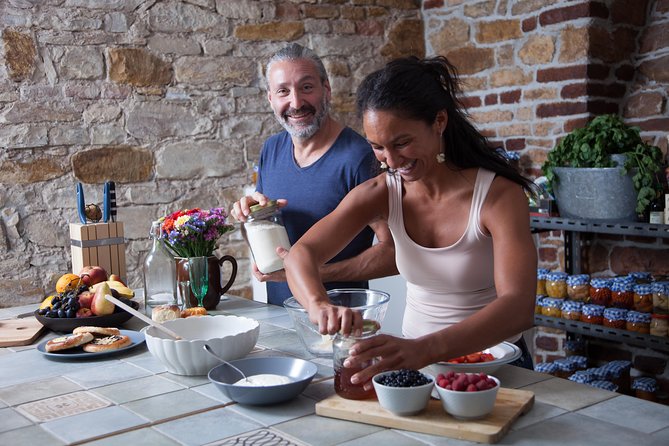
- Max 8 travelers, so you’re not stuck watching from the sidelines
- Three Czech wines + a sample of fruit brandy, paired with what you’re eating
- Season-based choices for what you cook (so your menu may differ from a friend’s)
- You actively cook a traditional dish and help with bread dumplings
- Hosts guide the story, connecting ingredients to Czech habits and everyday life
Why a 3.5-Hour Czech Cooking Night Feels Like a Shortcut to Culture
Prague has plenty of sights. This experience gives you something else: a practical way to understand Czech food by making it and eating it in one sitting. In about 3 hours 30 minutes, you go from tasting snacks to learning techniques to sitting down for dessert, all without the hassle of planning ingredients or translating recipes.
What makes it click is the structure. You’re not just paying for a meal. You’re paying for a sequence: tastes first, then cooking with guidance, then wine and conversation while food lands on the table. It’s a good use of time for a city break where you want something authentic but not exhausting.
For me, this is also a comfort kind of travel. Czech cooking leans into hearty staples—potatoes, bread, dairy, dumplings, and slow-cooked flavors. When you learn how these building blocks work together, the whole culture makes more sense, even if you’re only here for a few days.
You can also read our reviews of more tours and experiences in Prague.



Finding the Place in Karlín Without a Headache
You meet at Křižíkova 70/67 in Prague 8–Karlín. That’s helpful because Karlín is not the same tourist crush as the center, but it’s still well connected. The experience is also near public transportation, so you can arrive without turning your evening into a transit project.
The tour ends back at the meeting point, so you don’t need to plan a second stop or worry about getting stranded after dessert. If you’re traveling light, this kind of tight loop matters.
Small groups (up to 8) also change the mood. You’re more likely to actually talk, ask questions, and get hands-on help rather than watching someone else do everything.
The First Bite Tour: Sausages, Cheese, Jams, Pickles, and Seasonal Produce
Before anyone hands you a spoon, you start with a typical Czech spread. Expect a variety of typical Czech delicacies and a tasting focused on things like:
- sausages and cheeses
- homemade products such as jams, pickles, and bread
- local and seasonal vegetables and fruit
This matters more than it sounds. Czech food is often built on contrast: savory cured meats against tangy pickles, creamy dairy next to sharp flavors, and sweetness showing up in fruit desserts. When you taste these pieces early, later dishes stop feeling like random courses and start feeling like a system.
I also like how the tasting isn’t only about meat. You’re given room to notice produce-driven elements too—seasonal vegetables and fruit show up both in starters and later in desserts.
Your Cooking Session: What You Might Make (Depending on the Season)
After the tasting, you’ll move into the part that makes this worth booking: you cook several recipes with typical Czech ingredients. The exact menu you get can change based on what’s in season, which is a smart real-world approach. It also means you can’t always guarantee every dish option listed will show up on your date.
Here are the starter/cooking options you may see early on, with one selected for group cooking:
- Potato-sauerkraut pancakes (you might flip or assemble these with guidance)
- Cheese quark spread (a more hands-on dairy-based option)
- Carrot or kohlrabi salad (a fresh counterpoint to heavier items)
Then you and the host cook one of those dishes together. That’s a key difference from many cooking classes where the food you make is a token side. Here, at least one dish feels like part of the meal plan, not a quick demo.
If you’re thinking, I’m not a confident cook, don’t worry. The class is designed for normal people. You’re not expected to know Czech techniques already. You’re learning as you go, with the host guiding the process.
The Main Event: Czech Comfort Food, Prepared by the Host First
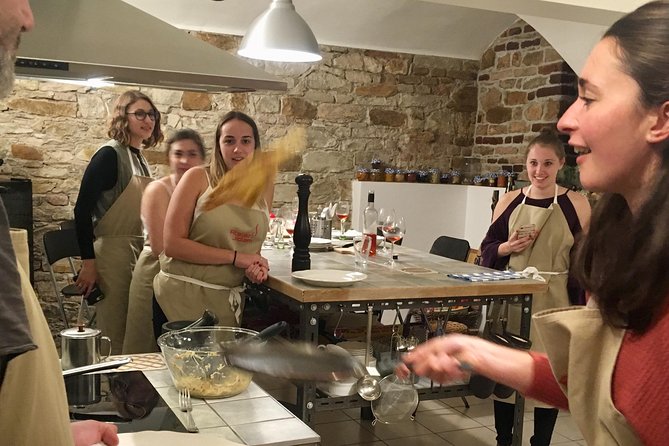
While you do hands-on work during the class, the main course is prepared by the host in advance. That’s actually a good thing for most people. It keeps dinner from dragging, so you can enjoy the meal without feeling like you missed the best part while waiting for the stove.
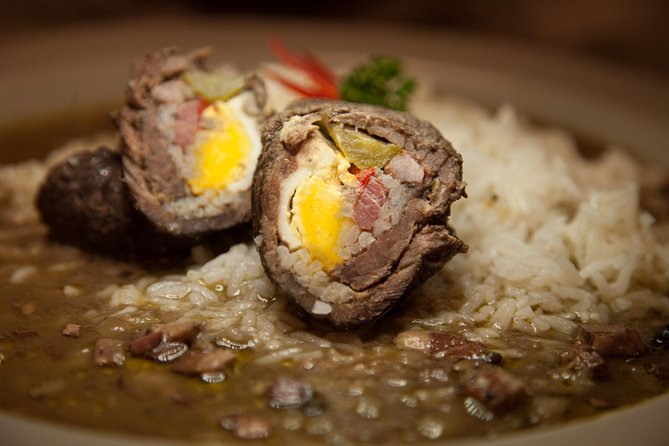
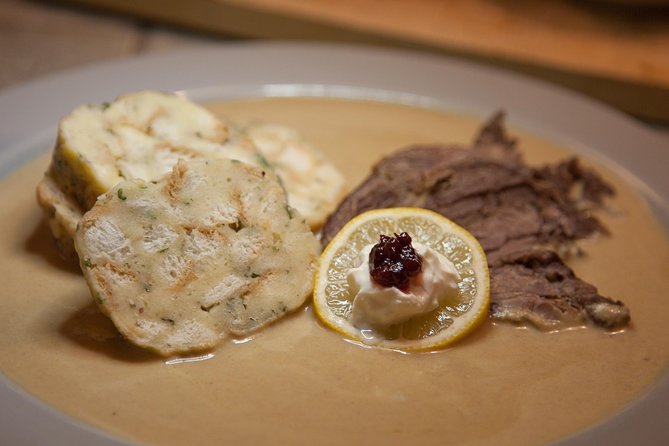
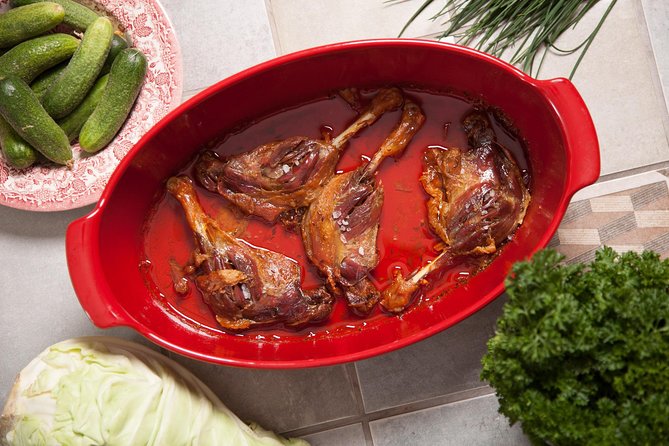
Depending on what’s scheduled, the main course could include choices such as:
- Svíčková (a vegetable cream sauce with beef)
- beef goulash
- Spanish bird (a stuffed beef roll)
- roasted duck
- rabbit with vegetables
- beef with mushrooms
These options share a common Czech backbone: rich sauces, filling proteins, and flavors that taste like they belong to cold-weather comfort. Even if you only know Czech food from a menu picture, tasting this kind of main dish in a guided setting gives you context for why it’s a go-to at the table.



Bread Dumplings: The Side You Help Make (And Really Notice)
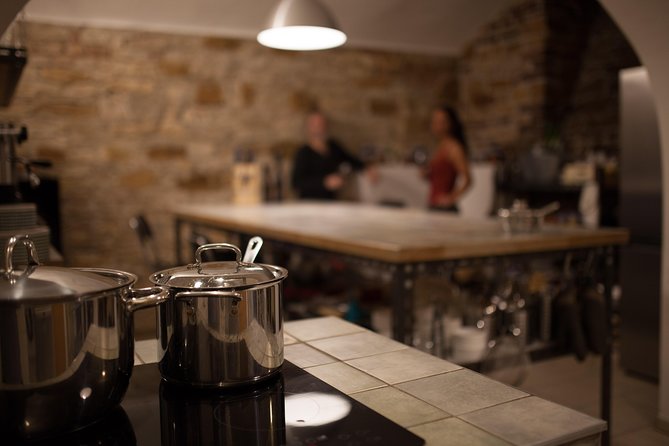
Between courses, you’ll do one more hands-on moment: bread dumplings prepared together. This is the kind of task that teaches you technique without requiring advanced skills. Dumplings are all about texture and timing, and when you make them with a group, you can tell the difference between dry bread, too much liquid, and the right consistency.
Bread dumplings also link directly to Czech everyday food habits—practical, filling, and built to stretch ingredients. By the time you sit down, you’ll understand why this is such a common pairing in Central European cuisine.
Wine, Fruit Brandy, and Conversation at Kitchen Speed
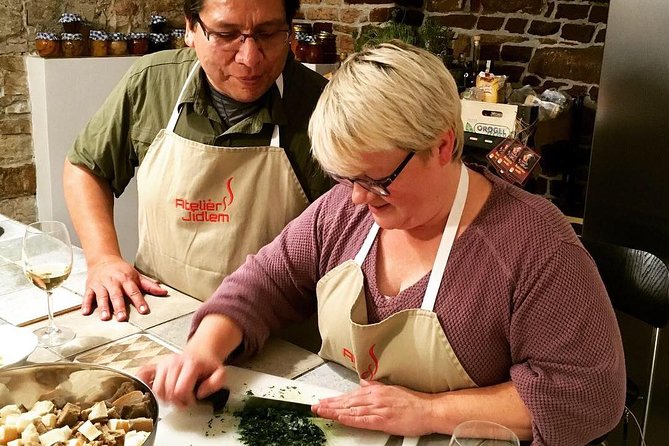
Food classes can be either rigid or chaotic. This one leans toward the fun, guided middle.
You’ll taste three Czech wines along with a sample of Czech fruit brandy. Even if you’re not a wine expert, the pairing helps you catch how flavors work together: the acidity in wine can brighten heavier dishes, while sweeter notes from desserts and brandy slot into the meal’s finish.
And then there’s the talk. You’ll be invited to swap stories while you cook and dine, and that’s where the experience often becomes memorable. Small groups help here. With no crowd noise, you actually get to hear what the host is explaining and ask the stuff you’d normally just google later.
Dessert Ends the Right Way: Fruit Dumplings or Kremrole
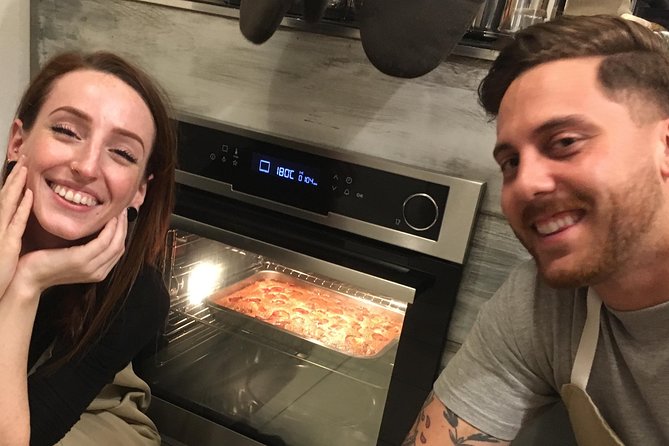
You’re not left with just a sweet bite. Dessert is part of the lesson in texture and tradition.
Depending on season and what’s planned, you’ll have either:
- Fruit dumplings (stuffed with fresh seasonal fruit, served with poppy seeds and/or quark)
- Kremrole (a delicate pastry filled with sweet meringue)
Fruit dumplings are a classic kind of comfort—soft dough, juicy filling, and poppy seeds giving a nutty, earthy note. Kremrole offers a different feel: light pastry plus a sweet meringue center, with a more delicate finish.
Either way, dessert wraps the whole evening with the flavors you actually want to take home as a memory.
Hosts, Venue Mood, and Why the Evening Feels Personal
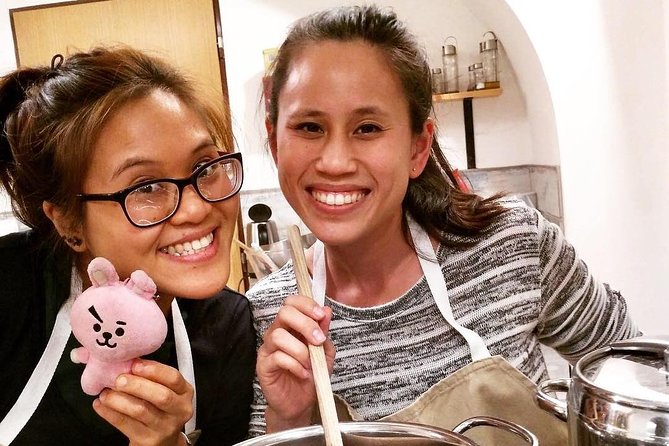
This experience is always led by one or both hosts from Good Mood Food. In past groups, you may meet Bret, and you might also spend time with Aide and/or Svetlana. That matters, because you’re not learning from a checklist. You’re learning from people who genuinely enjoy explaining the food.
The venue is also described as a cozy space, including a historical basement setting. That kind of environment makes the whole meal feel like something local rather than a performance for tourists. It’s also just easier to settle into a slower pace, which helps when you’re eating, tasting, and cooking in one evening.
Price and Value: Is $167.75 Reasonable for Prague?
At $167.75 per person for about 3.5 hours, the price can look steep if you compare it only to dinner. But compare it to what you actually get: tastings, wine, fruit brandy, and a guided class with hands-on cooking plus a full sit-down meal and dessert.
This works out well if you value:
- multiple courses, not just one plated dish
- alcohol included (three wines plus fruit brandy)
- a small group size (max 8) that keeps the experience participatory
- structured learning about Czech flavors and ingredients
If you’re the type who likes food but doesn’t care about wine pairings or cooking technique, then you might choose a simpler meal. But if you want to leave with skills you can repeat at home—like assembling bread dumplings or recognizing how Czech starters fit into the overall menu—then it’s a solid value for a one-night experience.
Also, it’s booked about 50 days in advance on average, which is a practical hint. If you’re traveling in busy months, don’t wait for the last minute.
Who This Czech Cooking Class Fits Best
This is a strong match for you if:
- you like food-focused days and want more than sightseeing
- you enjoy learning through doing, even if you’re not a serious cook
- you want a small group setting where conversation is easy
- you want Czech food and wine in one organized evening
It may not be the best fit if you want to spend the entire time cooking. Because the main dish is prepared ahead of time, your hands-on time is concentrated around the tasting and the dishes you make together (plus bread dumplings).
If you’re traveling with a friend or as a couple, you’ll likely enjoy the balance of guidance and free conversation. If you’re solo, small group size also makes it easier to feel included.
Quick Tips Before You Go
Come hungry. The tasting spread, cooking, dinner, and dessert add up fast.
Wear comfortable clothes. You’ll likely be working around ingredients and prep surfaces.
If you have allergies or strong dietary needs, you should confirm details directly with the host ahead of time. The menu includes specific ingredients like dairy and meats, so it’s worth checking early rather than hoping.
And if wine is part of your comfort zone, pace yourself. You’re tasting multiple wines plus fruit brandy, and the evening is long enough that slowing down keeps it fun.
Should You Book Taste, Cook and Dine Traditional Czech?
Yes, if you want a high-value food night in Prague that mixes tastings, hands-on cooking, wine, and dessert in a small-group setting. The menu choices, the focus on classic dishes, and the host-led explanations make it feel like you’re eating your way through Czech habits, not just checking off a class.
Skip it only if your main goal is sightseeing or if you strongly prefer a completely hands-on kitchen where every course is cooked by the group. Here, you’ll cook key parts, then enjoy the results of the host’s work.
If this kind of food experience is your style, it’s the kind of evening that sticks.
FAQ
How long is the Taste, Cook and Dine Traditional Czech experience?
It runs for about 3 hours 30 minutes.
Where does the experience start in Prague?
The meeting point is Křižíkova 70/67, 186 00 Praha 8–Karlín, Czechia, and the activity ends back at this same location.
How much does it cost per person?
The price is $167.75 per person.
What language is the class offered in?
The experience is offered in English.
Is the group size small?
Yes. The experience has a maximum of 8 travelers.
What do you cook during the class?
Depending on the season, you may cook three traditional Czech dishes, and you’ll also help prepare bread dumplings. You’ll work on a selected dish such as potato-sauerkraut pancakes, a cheese quark spread, or a carrot/kohlrabi salad.
What food and drink are included?
You’ll get typical Czech starter tastings, a main dish (prepared by the host in advance), bread dumplings, and dessert. You’ll also taste three Czech wines and sample Czech fruit brandy.
Does this experience include a main course you don’t cook yourself?
Yes. The main dish is prepared by the host in advance, and you’ll enjoy it as part of the meal.
What’s the cancellation policy?
You can cancel for a full refund if you do it at least 24 hours before the experience’s start time. If you cancel less than 24 hours before, the amount paid is not refunded.