REVIEW · PRAGUE
Prague : Visite insolite avec un guide journaliste français
Book on GetYourGuide →Operated by Mathieu Ponnard · Bookable on GetYourGuide
Prague changes when you stop chasing only postcards. This off-the-beaten-track walk, led by French journalist and long-time Prague resident Mathieu Ponnard, pairs major sights with secret corners you’d usually miss, and you’ll get practical advice for the rest of your trip. The small-group format is a big plus for asking questions, though the tour is in French only, so plan accordingly.
What I like most is the way the guide links places to real life in the city: architecture, legends, and the local social and cultural rhythm. You’re not just ticking boxes—you’re learning how Prague thinks. One thing to consider: it’s a focused walking experience, so comfy shoes matter, and you may need a little patience on busy central streets.
By the end, you’ll finish at Mikulášská 22, with a smarter route plan for what comes next. You’ll start at the Statue of Saint Wenceslas, and your guide wears a yellow backpack, which makes meeting up easy.
In This Review
- Key highlights you’ll actually feel
- A French journalist guide changes how you see Prague
- Timing, meeting point, and the 3.5-hour walking reality
- Starting at Wenceslas Square: a big stage before the quieter corners
- Passageways and Adria Palace: the Prague-in-miniature effect
- Kafka’s Head and the National Theatre: legends meet real streets
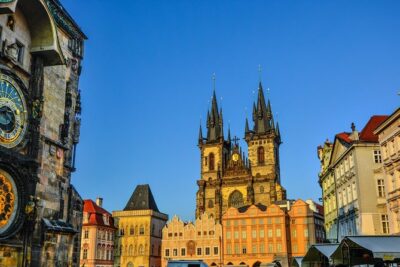
- Old Town Square and the House of the Black Madonna: the famous stops, explained
- Municipal House and Powder Tower: big landmarks with a local pace
- The advice that makes this tour worth it
- Price and value: what $48 buys you in Prague
- Who should book this off-the-beaten-track walk?
- Should you book the French journalist Prague tour?
- FAQ
- FAQ
- Where does the tour start?
- Where does the tour finish?
- How long is the tour?
- What language is the tour in?
- How big is the group?
- What’s included in the price?
- What’s not included?
- Is hotel pickup offered?
- Can I cancel for a refund?
- Is there a pay-later option?
Key highlights you’ll actually feel
- Journalist-style storytelling: you’ll hear how history, culture, and daily life connect through the places you see
- Small group (max 20): plenty of space for questions, not a lecture where you can’t catch up
- Big monuments plus lesser-known links: the route mixes famous stops with quieter, overlooked spots
- Direct local recommendations: you leave with restaurant and walk suggestions for the rest of your stay
- A 3.5-hour walking flow: enough time to learn, not so long that you feel dragged around
A French journalist guide changes how you see Prague
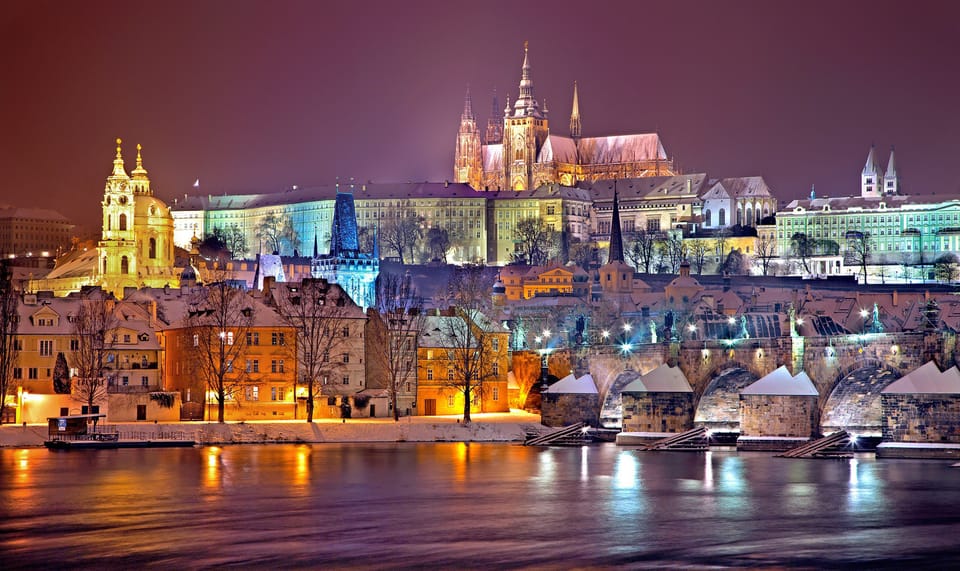
Most walking tours in Prague do the same loop: major square, famous church, more stone. This one has a different feel because the guide is a journalist and blogger who has lived in the city for 15+ years. That matters. You get explanations that sound like they’re made for real humans, not like a textbook report.
Instead of treating monuments as isolated objects, the guide connects them to political, economic, cultural, and social life. You’ll hear stories tied to places like Wenceslas Square and Old Town Square, and you’ll also get the quieter “why this matters” threads behind side alleys and passageways. If you like Prague as a living city rather than a museum, you’ll get more out of this tour.
And because it’s a small group, the Q&A isn’t an awkward afterthought. You can ask things like what to prioritize for the next day, how to structure walks, or what’s worth your time if you only have a limited schedule. That’s where this tour really becomes useful: it turns “I saw a bunch of things” into “I know what to do next.”
You can also read our reviews of more guided tours in Prague
Timing, meeting point, and the 3.5-hour walking reality
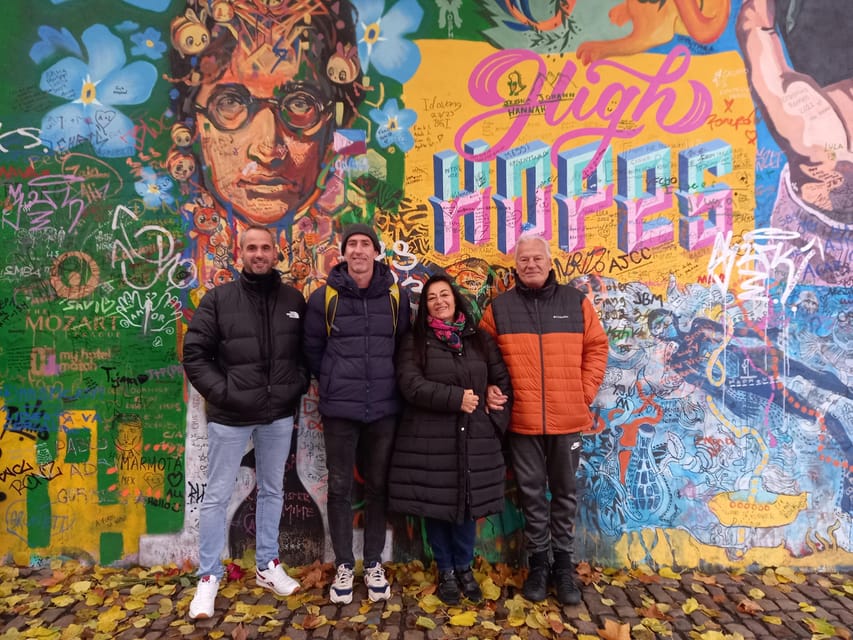
This is a 210-minute tour, about 3.5 hours, on foot. There’s no hotel pickup, so you’ll meet at the Statue of Saint Wenceslas and you’ll end at Mikulášská 22. That’s helpful because it keeps the tour moving, but it also means you should plan your day around an on-foot route.
Meeting is straightforward: your guide is wearing a yellow backpack. Keep that in mind when you arrive. In central Prague, you’ll see plenty of tour groups; the backpack color saves you time and stress.
Since food and drinks aren’t included, I’d treat the tour like a morning-or-afternoon walk that fits around meals. Bring water, and if you’re the type who needs snacks to keep the energy up, you’ll want to have your own plan. The pace is friendly and “pleasant,” but you’re still walking through multiple key areas.
Starting at Wenceslas Square: a big stage before the quieter corners
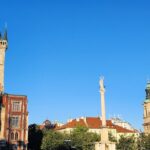
The tour kicks off at the Statue of Saint Wenceslas. It’s a strong starting point because it sets the tone fast. Wenceslas Square isn’t just a landmark you photograph; it’s a place where Prague’s public life has always played out—politically, socially, and culturally.
From here, the walk helps you notice patterns. You learn to look at how the city organizes movement and sightlines, and how monuments sit in the flow of everyday life. Even if you’ve already been to Wenceslas Square, starting there on a guided route helps you understand what you’re seeing and why it matters.
Then comes the shift. As the tour moves away from the headline sites, you’ll see the “in-between” spaces that make Prague feel like a maze you can actually explore.
Passageways and Adria Palace: the Prague-in-miniature effect
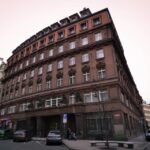
One of the best parts is how the route includes passageways and Adria Palace. These are the kinds of stops that often get skipped when people only chase the biggest names. But they’re exactly what make Prague feel special once you slow down.
Passageways are great for a guided tour because they change your perspective. You’re walking through space that’s designed to be discovered—short routes, interesting angles, and a different atmosphere than the main streets. With a good guide, you also learn what these spaces signaled to the city at different moments, and how people used them beyond simple sightseeing.
Adria Palace adds another layer: it’s a recognizable name on the route, and the guide’s focus on architecture helps you read the building instead of just passing it. You start to notice details and patterns that make the city feel more intentional, less random.
If you love getting oriented, this stretch is a win. It teaches you how to navigate Prague beyond “main road plus big square.”
Kafka’s Head and the National Theatre: legends meet real streets
The tour continues toward Kafka’s Head and the National Theatre. This is a classic Prague pairing: literary myth and civic pride, both tied to places that people associate with bigger-than-life stories.
Kafka’s Head gives you a chance to talk about Prague’s legend layer without turning the tour into pure fantasy. The guide brings it back to the city itself—where stories live, how they attach to neighborhoods, and why certain images stick in people’s minds.
Then you reach the National Theatre, which changes the mood again. Whether you’re a theatre fan or not, it works as a kind of anchor point. It gives you a moment to pause and reset your eyes. You’ll also get context on how Prague sees itself through major institutions and public culture.
This section is where you’ll probably start thinking: oh, so Prague isn’t one story. It’s several stories braided together.
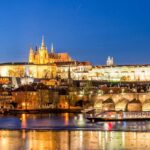
Old Town Square and the House of the Black Madonna: the famous stops, explained
No matter what you do in Prague, you end up at Old Town Square. This tour includes it, but the value comes from what the guide does before and after the crowd zone.
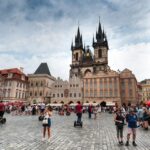
Old Town Square is the obvious landmark, yet it can feel like sensory overload if you don’t have a framework. With the guide, you’ll learn how to connect what you’re seeing to the city’s broader life—cultural and social shifts, not just dates and names.
The next highlight, House of the Black Madonna, is a great example of how “important but overlooked” can happen in Prague. It’s recognizable, but it’s also easy to rush past without really understanding why it’s part of the city’s identity. With a journalist guide, you get the story logic: what people believed, what the symbolism meant, and how the building fits into the surrounding narrative.
This segment is ideal if you want Prague’s highlights with actual context, and not just a list of photo spots.
Municipal House and Powder Tower: big landmarks with a local pace
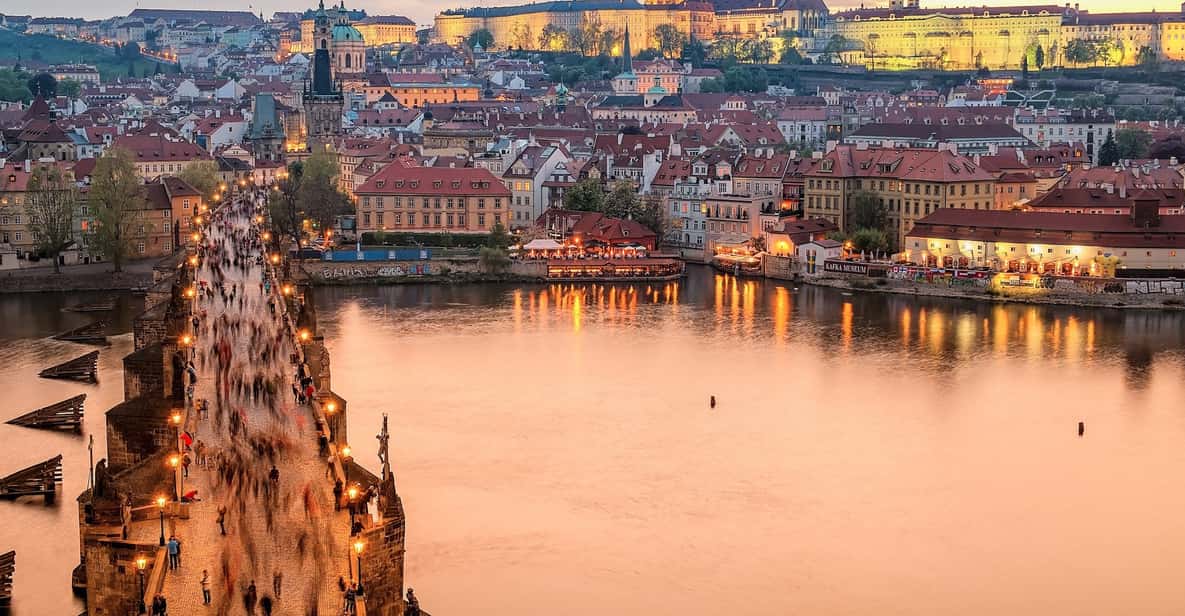
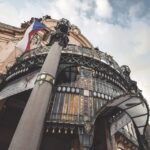
The tour finishes off with stops like Municipal House and the Powder Tower. These aren’t just stand-alone viewpoints. They help you see Prague’s built environment as a system—where civic life, landmark power, and the street network overlap.
Municipal House works well for architecture-focused attention. You’ll get guidance on what to look for and how to read it as part of Prague’s public story, not just a pretty façade. The guide’s background helps here because the explanations tend to connect form and function with society and culture.
Powder Tower adds a classic Prague “structure with history” feeling. Towers can become visual wallpaper if you don’t know how to look. Here, you’ll have context and a clearer sense of why this sort of landmark stays in the city’s memory.
By the time you reach the final area, you’ll feel less like you walked through postcards and more like you followed a storyline.
The advice that makes this tour worth it
A big reason the reviews score so high is the after-effect. The guide doesn’t just tell you what you’re seeing; you’ll get recommendations for the rest of your stay: restaurants, walks, and things to do.
This is where value really shows. Prague can be overwhelming because it’s so dense with sights. A good personal plan beats random wandering. When you have suggestions tailored to what the guide thinks fits your style—whether you want more monuments, calmer streets, or a better food setup—you lose less time.
Also, the small group format helps. You can ask questions instead of leaving with a generic pamphlet list. If you care about how to structure a second day, where to go for a particular vibe, or what to skip when your feet are tired, this tour gives you an efficient starting point.
Price and value: what $48 buys you in Prague
At around $48 per person for roughly 3.5 hours with a French guide, this tour sits in the “small price, big learning” category—especially because food isn’t included. You’re paying for guided time, local knowledge, and the structured route that takes you to specific places like Kafka’s Head, Old Town Square, House of the Black Madonna, Municipal House, and Powder Tower, plus the quieter in-between segments.
If you’re visiting Prague for the first time, this price often makes sense because it compresses orientation and context into one outing. If you’ve already walked Prague a lot on your own, you might feel the value differently—but you’ll still benefit from having a guide explain what you’re already seeing and point you toward next steps.
Think of it like paying for fewer wrong turns. In Prague, those add up fast.
Who should book this off-the-beaten-track walk?
This tour is a strong match if:
- You want a guided route that mixes major sights with lesser-known corners
- You like questions and conversation, not just a one-way lecture
- You’re happy to get cultural and social context alongside architecture
- You want direct restaurant and walking recommendations for the rest of your trip
It might be less ideal if:
- You don’t speak French well, since the tour is in French
- You want a completely relaxed sightseeing pace with minimal walking
Should you book the French journalist Prague tour?
Yes, if your goal is to understand Prague quickly and then explore with a smarter plan. The format—small group, journalist-led storytelling, and practical advice—turns a few hours into a real foundation for your trip.
Book it especially if you’re arriving with questions like where to go next, what’s worth your time, and how to experience Prague beyond the busiest postcard routes. With the guide’s yellow backpack waiting at Saint Wenceslas Square, you’ll also know exactly where to start and where the walk ends at Mikulášská 22.
FAQ
FAQ
Where does the tour start?
It starts at the Statue of Saint Wenceslas. The guide will be wearing a yellow backpack.
Where does the tour finish?
The tour finishes at Mikulášská 22.
How long is the tour?
The duration is 210 minutes, about 3.5 hours.
What language is the tour in?
The tour is in French.
How big is the group?
The group is limited to a maximum of 20 participants.
What’s included in the price?
You get accompaniment of 3 hours or more with a French guide, plus advice for the rest of your stay (restaurants, visits, walks).
What’s not included?
Hotel pickup and drop-off are not included. Food and drinks are also not included.
Is hotel pickup offered?
No, hotel pickup and drop-off are not included.
Can I cancel for a refund?
Free cancellation is available up to 24 hours in advance for a full refund.
Is there a pay-later option?
Yes. You can reserve and pay later to keep plans flexible.