REVIEW · PRAGUE
Prague: Lobkowicz Palace Ticket & Audio Guide
Book on GetYourGuide →Operated by Lobkowicz Events Management · Bookable on GetYourGuide
A private palace tour with serious masterpieces. Lobkowicz Palace, part of the Prague Castle complex, lets you roam 22 galleries with an included audio guide and a story that connects art, music, and family drama.
I especially love the scale-for-the-ticket value: in about a day you can move from famous painters to rare decorative objects without feeling rushed.
My second big favorite is the music collection: you’ll see original scores and manuscripts tied to Beethoven and Mozart, and it’s the kind of detail you usually only hear about in concert programs.
The one drawback to plan around is time. Even when later end-times sound possible, the visit can wrap up earlier—so arrive with extra buffer rather than gambling on the last hour.
If you want more than museum wandering, you can upgrade to a classical music concert at 1 PM daily and turn your palace visit into a full culture-and-sound afternoon.
In This Review
- Key things to know before you go
- Where Lobkowicz Palace sits in Prague Castle
- A 1-day visit built around the Lobkowicz family story
- Inside the 22 galleries: how your route makes sense
- Masterpieces by Brueghel, Canaletto, and Velázquez
- Portraits, porcelain, and 16th–20th century decorative arts
- The music rooms: Beethoven, Mozart, and why originals matter
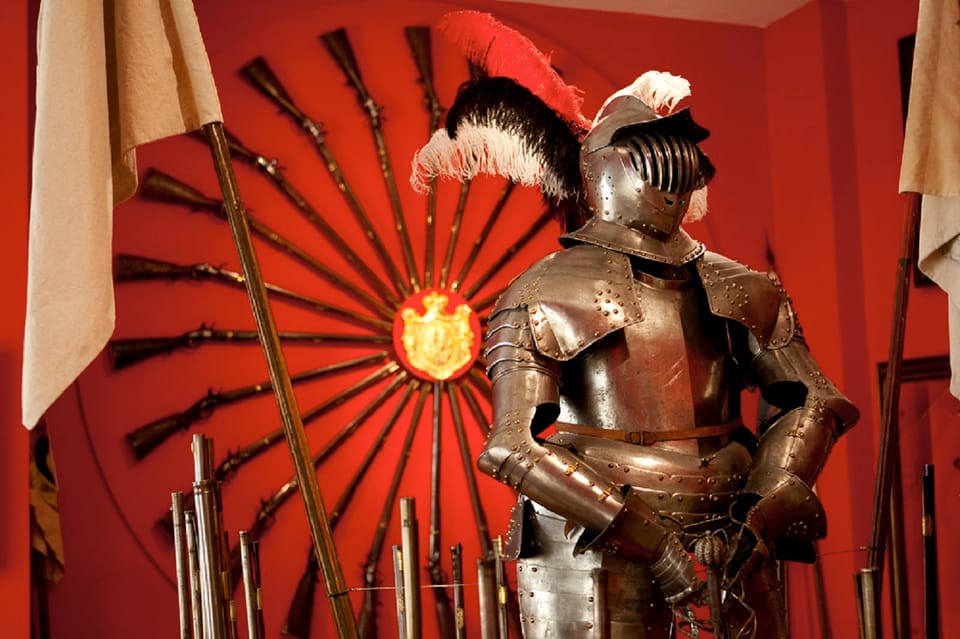
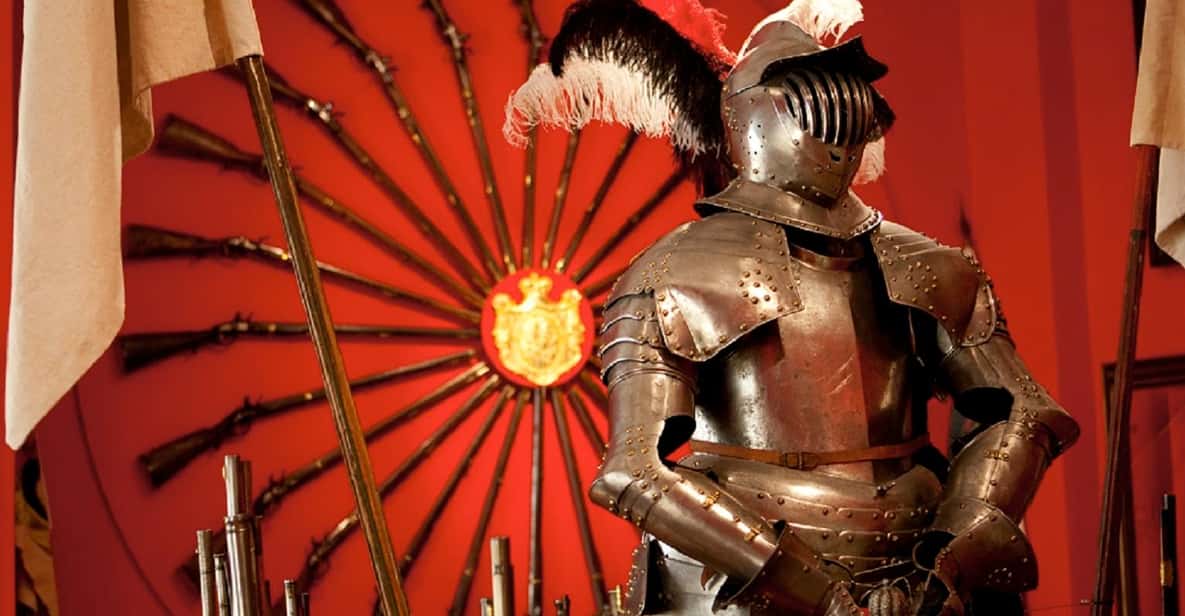
- Rifles and sporting weapons: a collection that shows family life
- Views from the palace terrace and a café break
- Using the audio guide effectively (it’s included)
- Price and value: is $17 a good deal?
- Upgrade option: the 1 PM classical music concert
- Timing tips: don’t gamble on the last hour
- Who should book this?
- Should you book the Lobkowicz Palace Ticket & Audio Guide?
- FAQ
- Where is Lobkowicz Palace and where do I meet?
- How long does this experience take?
- How much does the ticket cost?
- What’s included with the ticket?
- Is the Prague Castle ticket included?
- What languages are available for the audio guide?
- Does the ticket include a classical music concert?
- Is the audio guide wheelchair accessible?
- Are pets allowed?
- Are large bags or luggage allowed?
- How many galleries are in the palace collection?
Key things to know before you go
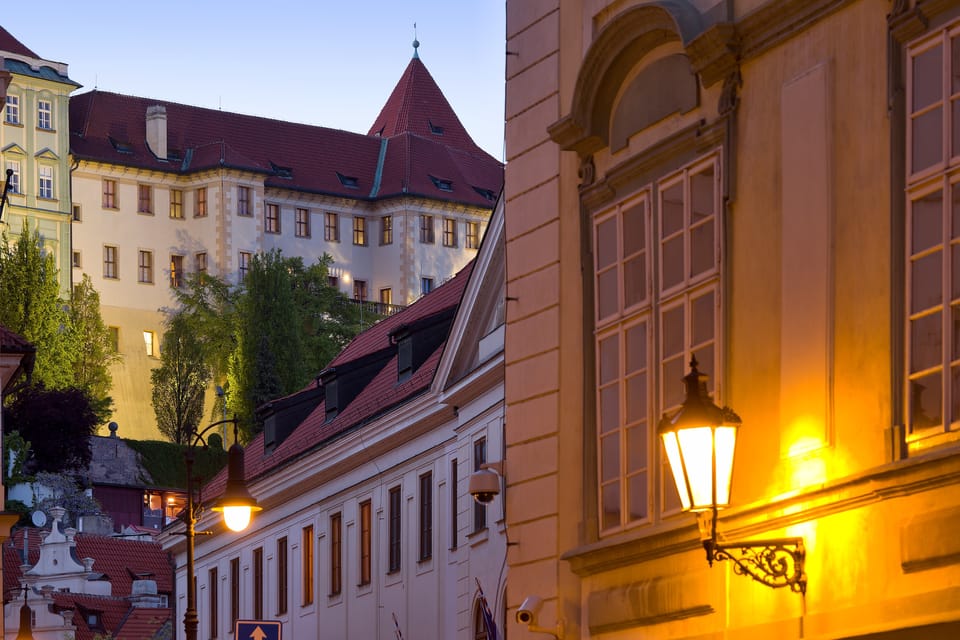
- 22 galleries: big enough to feel complete, small enough to manage in a day
- Major names in one place: Brueghel, Canaletto, and Velázquez, plus royal portrait displays
- Music manuscripts on site: Beethoven symphonies and Mozart-related material
- Rifles and family objects: weapons and sporting rifles from the 16th–18th centuries
- Prague views and a terrace café: a proper break after the galleries
- Audio guide in many languages: included, with options like English, Spanish, and German
Where Lobkowicz Palace sits in Prague Castle
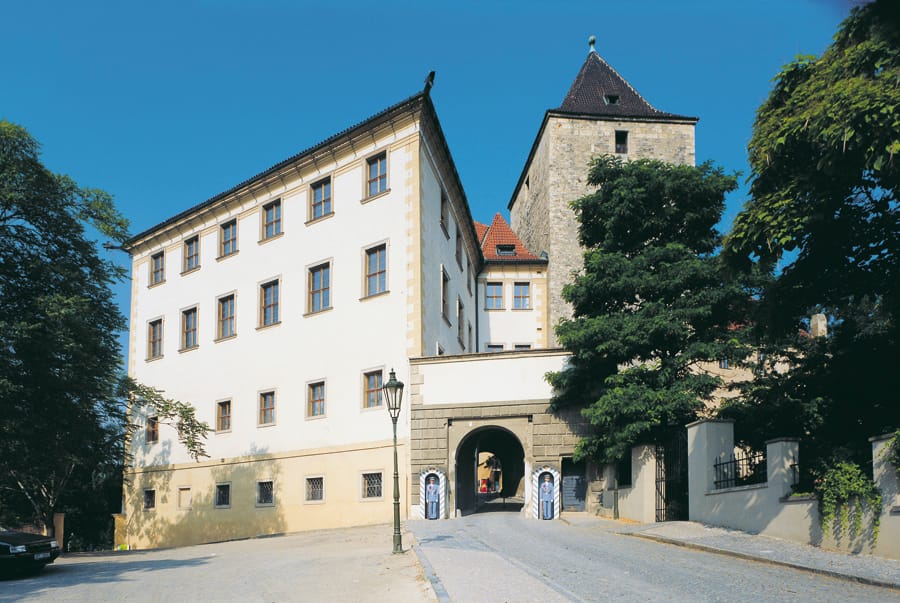
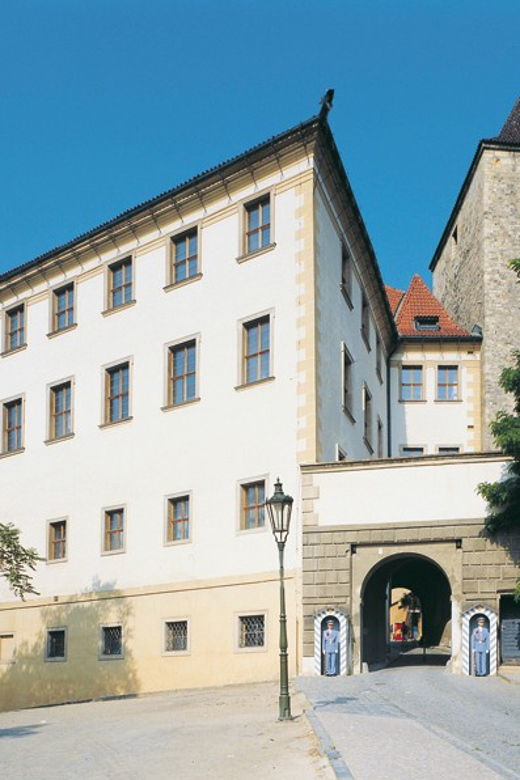
Lobkowicz Palace is at the far eastern end of the Prague Castle complex. That matters because the Castle area can feel like a maze if you’re tired, and the east side tends to be easier to reach without backtracking.
You can get there by:
- Walking from nearby Castle paths
- Tram and metro, then a short climb/walk to the complex
The meeting point is Lobkowicz Palace, Jiřská 3, 119 00 Prague. Once you’re at the palace entrance, the whole experience is about moving through rooms in sequence with your audio guide.
You can also read our reviews of more tours and experiences in Prague

A 1-day visit built around the Lobkowicz family story
This isn’t just a building full of stuff. It’s a guided narrative of the Lobkowicz family’s collection across generations—about 600 years of ownership, loss, and recovery.
The museum experience is built around a family perspective. You’ll hear the story told by two generations of the Lobkowicz family and the Chief Curator of the collections. The emotional beats are part of the point: the family lost everything and got it back twice. That adds weight to why these objects survived and why they matter today.
If you like museum visits that connect the dots—who owned what, why it was collected, and how it changed over time—this format works well. If you want only “look at the famous painting” moments, the audio still helps you appreciate what you’re seeing instead of treating it like a random checklist.
Inside the 22 galleries: how your route makes sense
You’ll walk through 22 galleries that cover art, decorative arts, objects from everyday court life, and the family’s interests—especially music and collecting.
Here’s what makes the pacing work for most visitors:
- You start in the “art and identity” rooms (portraits and major works).
- You move into specialized areas (decorative arts, weapons, music holdings).
- You end with viewpoints and downtime, so you’re not mentally exhausted before you leave.
Because this is audio-guided, you control your speed. I’d still plan a practical strategy: don’t let yourself linger too long in one gallery early on, or you’ll run out of energy before the music rooms.
Masterpieces by Brueghel, Canaletto, and Velázquez
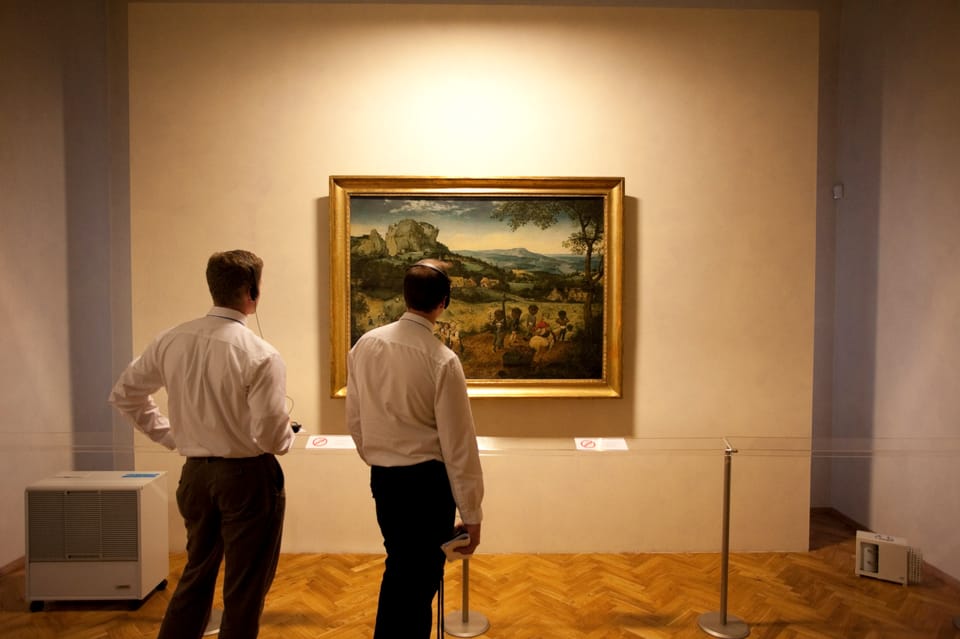
One of the strongest selling points here is that the collection includes major painters you recognize on sight.
You can see works by:
- Brueghel (Brueghel the Elder)
- Canaletto
- Velázquez
Seeing these names inside a private collection is different from seeing them in a mega-museum. The rooms feel more like you’re standing in a house’s curated spaces rather than an international warehouse of art.
What’s especially worth your attention:
- The way the collection mixes big-name painting with courtly portrait displays. You’re not only looking at individual masterpieces—you’re watching how status, taste, and family identity were visualized.
- The decorative arts that surround the paintings. Porcelain and older decorative items can make the timeline feel more human and less academic.
If you’re the type who loves to compare brush styles, color choices, and subject matter, bring that eye. This is a strong place to do slow looking—just don’t forget to keep moving toward the music section.
Portraits, porcelain, and 16th–20th century decorative arts
Another major chunk of the collection focuses on the social world of the family: portraits and royal imagery, plus fine objects that show how wealth and taste were displayed.
Expect to spend time on:
- Family and royal portraits
- Porcelain ceramics
- Rare decorative arts from the 16th to 20th centuries
This part of the visit can be a surprise for people who assumed “museum = paintings only.” The decorative arts rooms help explain how court collections operated. Objects weren’t just investments; they were part of daily rituals, gift-giving, and reputation.
My advice: if you get tired of paintings, this is your mental reset. Decorative items give you a different kind of detail to read—materials, craftsmanship, and design choices that don’t require you to “know the painter” to appreciate them.
You can also read our reviews of more guided tours in Prague



The music rooms: Beethoven, Mozart, and why originals matter
This is the section that pushes Lobkowicz Palace beyond a standard art museum.
You’ll find music-related holdings, including:
- Instruments (in the music-related displays)
- Original scores and manuscripts connected to Beethoven and Mozart
Two specific composer highlights are called out in the collection:
- Beethoven’s 4th and 5th symphonies
- Mozart’s re-orchestration of Handel’s Messiah
Here’s why this is so valuable for your visit: most museum-goers see music as something you hear. In this room, music becomes an artifact—paper, handwriting, and composition evidence. Even if you’re not a music scholar, the originals make the whole thing feel real in a way printed scores don’t.
If you’re a fan of classical music, prioritize these rooms early. They can pull you in, and once you start reading about what you’re looking at, time can slip.
Rifles and sporting weapons: a collection that shows family life
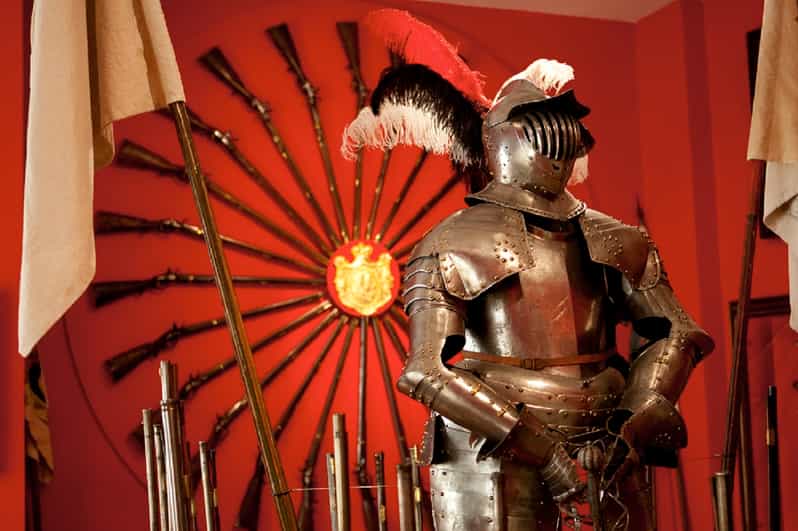
Not everything here is “pretty.” One of the more distinctive displays includes military and sporting rifles from the 16th–18th centuries.
That might sound like an odd match for an art-and-music palace, but it’s actually part of the family’s full picture: collecting wasn’t only about aesthetics. It was also about hunting culture, defense, and status.
If weapons make you uncomfortable, you can treat this section as a quick stop and focus on the art and music areas. If you’re fascinated by history through objects, it’s one of the most memorable rooms because it gives you a tangible link to how people lived and displayed power.
Views from the palace terrace and a café break
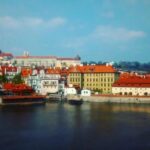
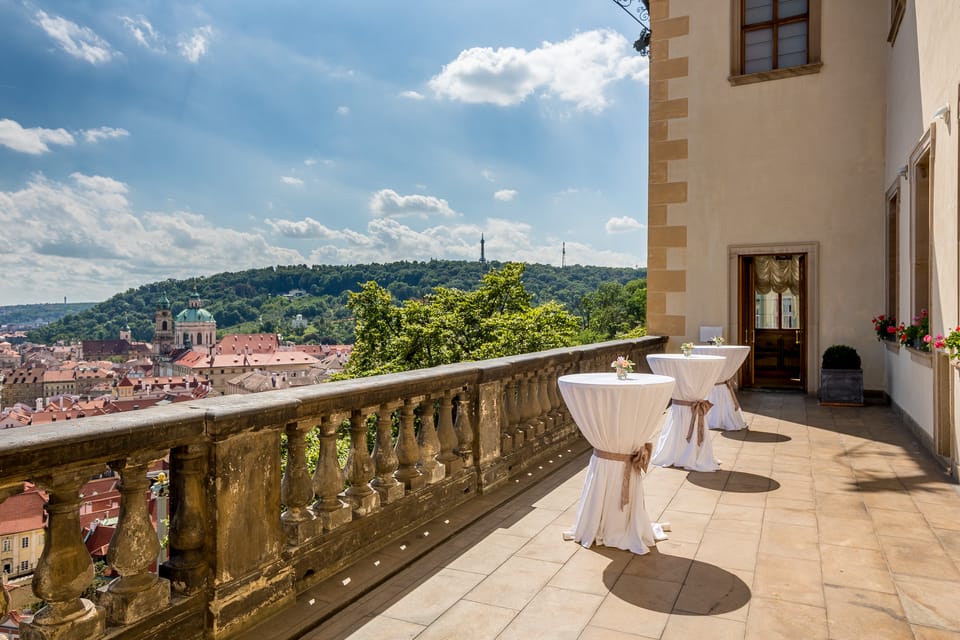
After you’ve been inside for a while, don’t rush straight to the exit. The palace includes a terrace area with great city views, plus a terrace café where you can relax.
This is where the visit turns into a “Prague moment” instead of only museum time. You get a sense of the Castle complex layout and the broader city skyline, and the pause helps you digest what you saw.
Practical tip: use the café break strategically. If your energy is fading, grab a drink and reset before the final rooms. If your energy is strong, move quickly to the terrace at the end so you can linger.
Using the audio guide effectively (it’s included)
The audio guide is included, and it’s offered in many languages: Spanish, Czech, English, French, German, Italian, Japanese, Russian, Ukrainian, Korean, and Chinese.
The best way to use an audio guide here is to treat it like a conversation, not a lecture:
- Use it to focus your attention on specific objects.
- When you find something you like (a portrait, a decorative set, an instrument), slow down.
- If a room isn’t grabbing you, don’t fight it—move on. You’ve still got plenty of galleries.
Because the museum is narrated from a family and curator perspective, the audio tends to make transitions smoother. You’ll understand why objects are in certain rooms and how they fit the bigger story.
Price and value: is $17 a good deal?
The ticket price is listed at $17 per person, and it includes entry plus the audio guide.
For your budgeting, here’s the realistic value math:
- You’re paying for a curated set of 22 galleries, not a short hallway visit.
- You get a multi-language audio guide included.
- You’re likely to get at least two “wow” sections: the major paintings and the music manuscripts.
Where value can vary:
- Some visitors may feel disappointed if they expect a larger Castle museum experience. Lobkowicz Palace is focused—private collection, specific themes—so it’s not trying to replicate a huge public museum.
- If you also want to explore more of Prague Castle, you’ll need to plan for Prague Castle entrance separately, since it’s not included here.
If your goal is a meaningful, content-heavy palace visit without paying for every extra add-on, $17 is a fair price. If you’re only after a couple of famous objects, you might not squeeze enough value out of the ticket.
Upgrade option: the 1 PM classical music concert
You can add a classical music concert upgrade. It starts at 1 PM daily (when you choose the option).
This can be a great pairing because the museum is already teaching you how the collection connects to music. The concert turns that “music on paper” idea into a real performance, and it can make the whole visit feel more complete.
Who it suits:
- If you’re a classical music fan and want your afternoon to have both museum learning and live sound.
- If you learn best with a mix of looking and listening.
Who might skip it:
- If you want a lighter day and prefer to keep the schedule flexible.
- If live performance timing doesn’t fit your other Prague plans.
Timing tips: don’t gamble on the last hour
One practical consideration shows up repeatedly: timing can be tighter than you’d expect. Even when later hours appear in schedules you might see elsewhere, the palace can ask visitors to finish earlier—one real booking noted being invited to leave around 17:00.
So here’s your best move: arrive earlier than you think you need. Give yourself time to see the art, then confidently make it to the music rooms, and only then slow down for the terrace café.
Who should book this?
I’d tell you to book Lobkowicz Palace if:
- You want a private collection experience rather than a giant museum shuffle.
- You’re curious about how art and music can live together in one family collection.
- You like objects with provenance—paintings, manuscripts, porcelain, and even weapons as historical evidence.
- You want views and a café break without needing a long walk.
You might rethink it if:
- You’re mainly looking for only the very biggest public-name sightseeing circuit in Prague Castle.
- You’re short on time and want a super-quick stop.
- You’re sensitive about weapon displays.
Also: the visit lists wheelchair accessibility, but it also says it’s not suitable for people with mobility impairments. If mobility is a factor for you, confirm fit before you commit.
Should you book the Lobkowicz Palace Ticket & Audio Guide?
Yes, I think you should book it if you want a focused, art-and-music day that feels personal and story-driven. For $17, you’re getting entry plus an audio guide, and you’ll likely remember the music manuscripts long after you leave Prague Castle.
Book it especially if:
- Beethoven and Mozart matter to you,
- you like seeing major art names in a more intimate setting,
- and you want Prague views plus a terrace café moment.
FAQ
Where is Lobkowicz Palace and where do I meet?
The meeting point is Lobkowicz Palace, Jiřská 3, 119 00 Prague. The palace sits at the far eastern end of the Prague Castle complex and is reachable on foot, by tram, or by metro.
How long does this experience take?
The experience is listed as 1 day.
How much does the ticket cost?
The price is $17 per person.
What’s included with the ticket?
You get the entrance ticket to Lobkowicz Palace and an included audio guide. If you choose the upgrade, you also get the midday concert.
Is the Prague Castle ticket included?
No. Entrance to Prague Castle is not included.
What languages are available for the audio guide?
The audio guide is available in Spanish, Czech, English, French, German, Italian, Japanese, Russian, Ukrainian, Korean, and Chinese.
Does the ticket include a classical music concert?
A midday concert is included only if you choose the option. It starts at 1 PM daily.
Is the audio guide wheelchair accessible?
The activity information lists wheelchair accessibility, but it also states it is not suitable for people with mobility impairments. If you have mobility concerns, you should confirm fit before booking.
Are pets allowed?
No, pets are not allowed.
Are large bags or luggage allowed?
No, luggage or large bags are not allowed. Smoking is also not allowed.
How many galleries are in the palace collection?
The audio-guided visit covers 22 galleries.