REVIEW · PRAGUE
Prague: Klementinum Mirror Chapel Classical Music Concert
Book on GetYourGuide →Operated by Agency Artistic International s.r.o. · Bookable on GetYourGuide
Prague’s Mirror Chapel turns music into a show. The Klementinum’s Mirror Chapel is one of the place’s biggest treasures, and you experience it the way it was meant to be seen: with a live classical concert inside. I love that the program mixes familiar crowd-pleasers like Smetana’s Moldau and Vivaldi’s Four Seasons with Czech touches like Dvořák. I also love the setting details—marble, mirrors, gilded stucco, and frescoes make every pause feel visual, not just auditory. One thing to plan for: it can feel chilly in the hall, so bring warm clothing and expect winter-ready conditions.
The experience is straightforward. You go to the Mirror Chapel, take your seat in the open seating tiers, listen for about an hour with no intermission, then you’re back at the meeting point. You’ll also want to know the rules: no flash photography or video recording, and you’ll likely get the best results if you arrive with a calm pace so you can settle in quickly.
In This Review
- Key things I’d clock before you go
- Why the Klementinum Mirror Chapel matters for this concert
- Finding Zrcadlová kaple in Prague’s Old Town (and not losing time)
- Seating strategy: VIP rows vs A and B open seating
- What you’ll hear: a classics program built for variety
- Inside the hall: what to notice in the Mirror Chapel itself
- Dress for comfort: the real cold-factor in Prague
- Rules that affect your evening (and how to avoid awkward moments)
- Price and value: is $31 worth the ticket?
- Who this is best for (and who might prefer something else)
- Should you book this Mirror Chapel classical concert?
- FAQ
- Where do I meet for the Mirror Chapel concert?
- How long is the concert?
- What’s included in the ticket price?
- Are the seats assigned?
- Is the venue wheelchair accessible?
- Is photography or video recording allowed?
Key things I’d clock before you go
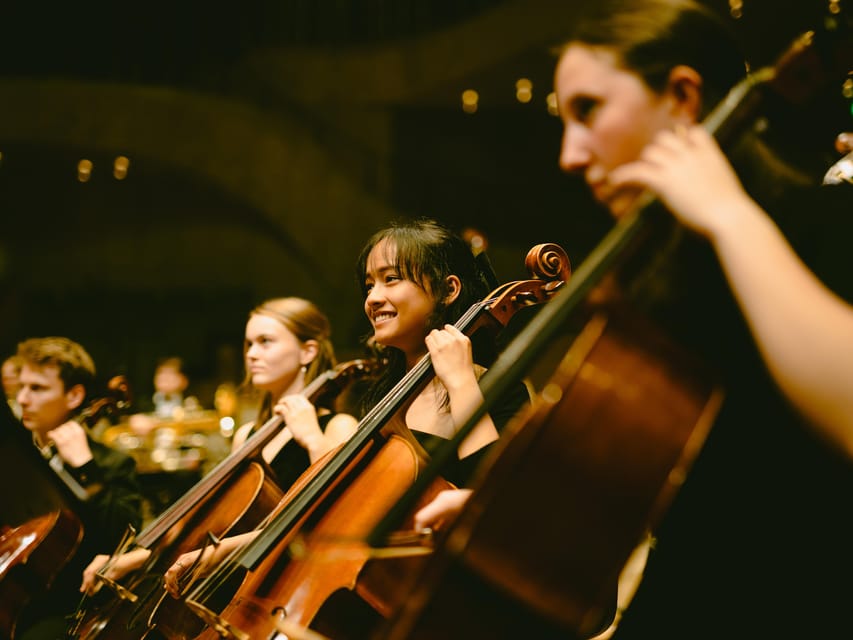
- One-hour concert access to the Mirror Chapel, a space usually reachable only by concerts or paid tours
- Famous composers in the same set: Smetana, Dvořák, Bizet, Bach, Vivaldi, Mozart, and Brahms
- Open seating by row bands (VIP rows 1–6, then A rows 7–11, B rows 12–17)
- Heated venue, but still bring layers—reviews mention how cold it can feel during winter concerts
- Singer appears during the performance (you may see a vocalist joined in a few numbers)
Why the Klementinum Mirror Chapel matters for this concert
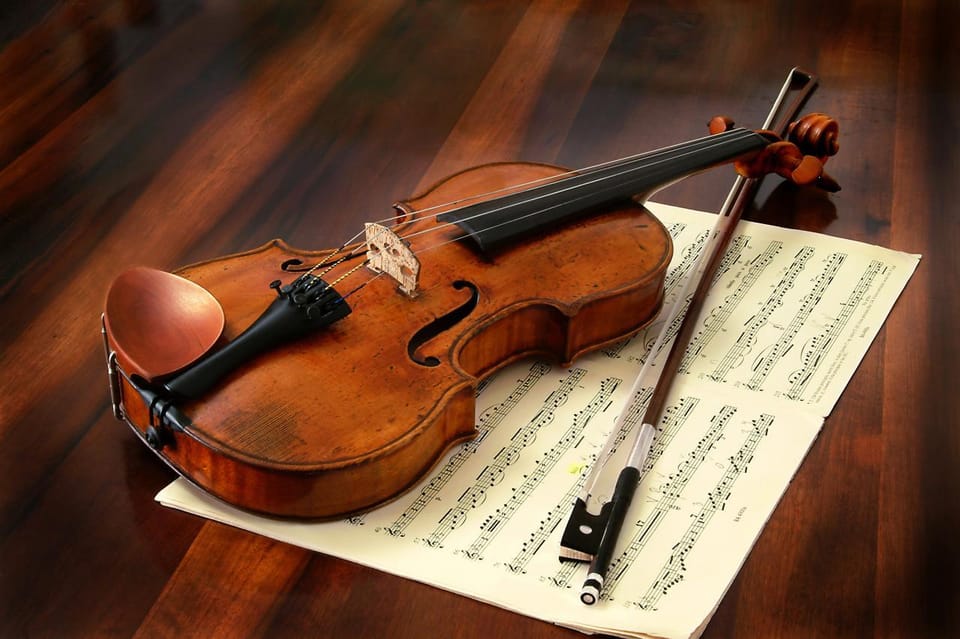
This isn’t just classical music in a pretty room. The Mirror Chapel is the main character. The hall was built between 1722 and 1726, with František Maxmilián Kaňka and Kiliám Ignác Dietzenhofer named as possible authors. That time period shows in everything: the balance of ornate surfaces and the way light bounces around the space.
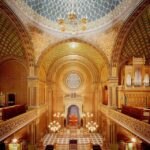
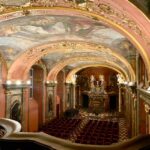
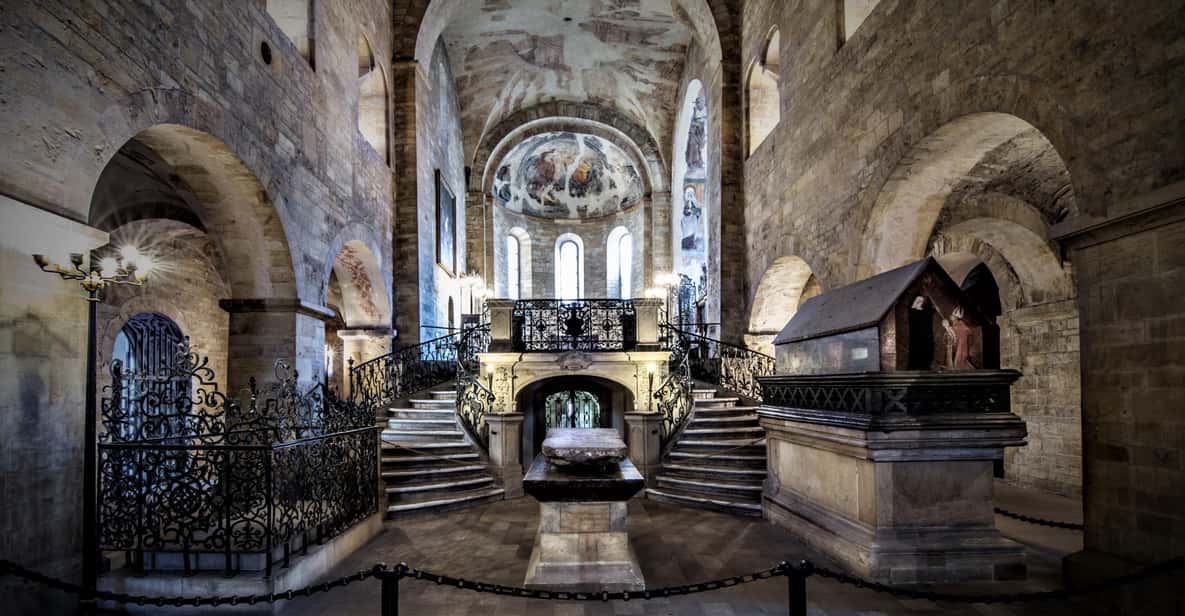
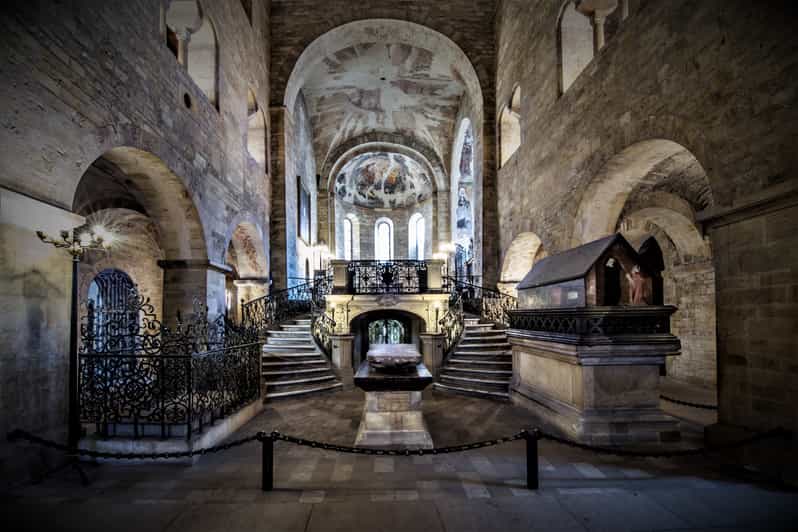
The chapel’s interior is famous for an eye-catching mix—marble and mirrors working with gilded stucco, plus frescoes and paintings. That matters because this concert is staged in a room designed for spectacle. When the program includes softer movements (like the Largo from Dvořák) and sweeping orchestral-style passages (like Moldau), the room amplifies the emotional contrast. It’s a place where you can watch the music land.
And since the Mirror Chapel is accessible here specifically through concerts or paid guided tours, you don’t get that “drive-by photo” experience. You get the real experience: music plus the room at full attention.
You can also read our reviews of more tours and experiences in Prague
Finding Zrcadlová kaple in Prague’s Old Town (and not losing time)
You’ll meet at Zrcadlová kaple (Praha), at Křižovnické nám. 1040/4, Staré Město (Old Town). The Mirror Chapel itself is on Marian square 5, Prague 1. When you arrive, look for the front of the main entrance to the chapel area—this is where you’ll be directed to gather.
Prague’s Old Town can make you walk in circles if you’re rushing. This concert is short—about 1 hour—so I’d give yourself a little extra breathing room. Treat this like a theater stop, not a long museum visit. You want time to settle, not time to hunt down the right doorway.
Seating strategy: VIP rows vs A and B open seating
Seats are open, not tightly assigned. You’ll pick from the row bands:
- VIP category: rows 1–6
- Category A: rows 7–11
- Category B: rows 12–17
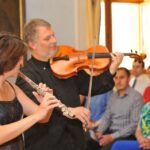
What does this mean for you? If you care most about sound and a close view of the performers, aim for the earliest rows. You’ll get clearer sightlines and you’ll be closer to the fine details—bowing, phrasing, and the way the musicians respond to each other.
If you’re more “I want the atmosphere and I’m happy to listen,” Category B can still work. One review notes that even in the last row, the visual stimulation helped because a singer joined in during parts of the performance. So if your view is limited, the performance itself is set up to keep things moving.
What you’ll hear: a classics program built for variety
The concert is planned as a one-hour sampler of major European composers, with a strong dose of both Czech and widely loved works. The order below is what’s listed for the set, and it’s a good mix: lyrical, dramatic, and rhythmic numbers, plus both orchestral-flavored and chamber-style moments.
Here’s the program as provided:
- B. Smetana – Moldau
- A. Dvořák – Humoresque
- Dvořák – Largo
- Dvořák – Slovanské tance (Slovak/Czech dance) No. 8
- G. Bizet – Intermezzo and overture from Carmen
- J. Pachelbel – Canon in D (as listed)
- J. S. Bach – Air
- A. Vivaldi – Four Seasons: 2nd movement from Winter
- A. Vivaldi – Complete Spring
- W. A. Mozart – Divertimento in F (as listed)
- A. Albinoni – Adagio (as listed)
- J. Brahms – Hungarian Dances No. 6 and No. 5 (as listed)
A few practical takeaways for your listening:
- Moldau is your “rises and moves” opener. It sets the emotional tone and lets the room show off acoustics fast.
- Dvořák keeps things grounded and lyrical. Humoresque and Largo are the kind of pieces where you’ll hear how clean the ensemble is.
- Bizet and the Carmen material adds theater energy. You don’t have to be a hardcore classical fan to enjoy the drama.
- Vivaldi is where rhythm and contrast take over. Winter’s movement plus Spring’s set makes the concert feel like it changes seasons without you moving an inch.
- Brahms closes with punch. Hungarian dances bring a finish that feels celebratory rather than solemn.
Also, based on audience feedback, you can expect a singer to be brought on stage a few times. That’s a big deal in a chapel like this, because it adds human presence during the more operatic or lyrical sections, even when the core program is instrumental.
Inside the hall: what to notice in the Mirror Chapel itself
If you only look at the ceiling and forget the music, you’ll miss the fun. The trick is to split your attention without overthinking it.
Here’s what’s worth clocking while you’re seated:
- The mirror-and-marble surfaces create a “light shimmer” effect. You’ll notice that the room keeps brightening and softening as the musicians move.
- Gilded stucco and sculpted ornament catch attention during pauses. When the ensemble stops, the room doesn’t go quiet—it keeps sparkling.
- Frescoes and paintings give you direction. Even if you can’t read the details from where you sit, you’ll still feel the visual story.
This is also why the concert structure works. In a standard concert hall, you mostly watch musicians. Here, the room is designed to be watched too. It turns a one-hour ticket into a full sensory experience.
And the acoustics help. Reviews call out excellent acoustics, with cold temperatures mentioned—but the sound still comes through clearly enough that the experience feels controlled, not chaotic.

Dress for comfort: the real cold-factor in Prague
Yes, the venue is heated. But that doesn’t mean you’ll feel warm in your bones—reviews specifically mention string players needing to play despite cold conditions, and one note describes sitting in winter-like cold around -3.9 °C / 25 °F outside.
So here’s my practical advice: wear layers you can move in. Think warm top, warm outer layer, and something comfortable for your legs. If you run cold easily, add a scarf or hat even indoors. You’re there for about an hour, so comfort matters.
Also skip bulky stuff that limits your movement. You want to feel settled, not boxed in.
Rules that affect your evening (and how to avoid awkward moments)
This is a concert inside a historic interior, so the rules are strict where it counts:
- No flash photography
- No video recording
That one matters more than you’d think. People often hold up phones just to get a quick clip. Here you’ll want to keep your phone put away and let the music do the talking. It also helps everyone else focus—especially in a room where visuals are already part of the experience.
Price and value: is $31 worth the ticket?
At about $31 per person, you’re paying for three things:
- Access to the Mirror Chapel for a live classical program
- A short, focused time commitment (1 hour with no intermission)
- A repertoire that covers both crowd favorites and a wide range of styles
If you’ve ever done Prague concerts, you know tickets can climb fast, and you often pay more for less time in a more typical room. Here, the main value is the setting. The Mirror Chapel is not a generic venue—you’re getting a performance in a space built for visual impact. That means the concert doesn’t feel like a standard add-on. It feels like part of the building.
The trade-off: the ticket includes concert admission only. Transportation, food, and drinks aren’t included. So budget a little for dinner or a snack before or after if you need it. For many people, this concert fits nicely as an early evening plan, then you can head out for Czech food.
Who this is best for (and who might prefer something else)
This works best if you:
- Like classical music but don’t want a long multi-hour commitment
- Want a “Prague-unique” venue where the building itself is part of the show
- Enjoy Czech composers like Smetana and Dvořák, plus other famous names
- Appreciate a small group setting where you’re not swallowed by a crowd
You might want to think twice if you:
- Need a lot of personal space and hate being seated close
- Are very sensitive to feeling cold indoors, even with heating
- Are hoping for lots of sightseeing time beyond the concert itself
Still, for most visitors, it’s a solid one-ticket answer: Prague architecture plus classical music, without the stress of a full-day museum plan.
Should you book this Mirror Chapel classical concert?
If you want a memorable hour in Prague that combines the city’s ornate Baroque atmosphere with a real classical lineup, I’d book it. The Mirror Chapel setting does a lot of the heavy lifting, and the program is designed to keep things moving—lyrical pieces, familiar hits, and a strong closing with Brahms.
Choose the best value for your style: go for VIP rows 1–6 if you can, but don’t write off the back rows. If your view is limited, the performance can still stay lively thanks to added vocal parts, and the chapel’s acoustics and decoration keep the whole experience engaging.
Go in with warm layers, arrive a bit early, and treat it like a theater-style stop. You’ll leave with that rare combo: a story from a room, not just a souvenir from the street.
FAQ
Where do I meet for the Mirror Chapel concert?
You meet at Zrcadlová kaple (Praha), listed at Křižovnické nám. 1040/4, Staré Město, Prague 1. The Mirror Chapel is on Marian square 5, Prague 1 Old Town.
How long is the concert?
The duration is 1 hour, with no intermission.
What’s included in the ticket price?
Your ticket includes admission to the classical concert.
Are the seats assigned?
There are open seating categories by row. VIP is rows 1–6, Category A is rows 7–11, and Category B is rows 12–17.
Is the venue wheelchair accessible?
Yes, the venue is listed as wheelchair accessible.
Is photography or video recording allowed?
Flash photography and video recording are not allowed.