REVIEW · PRAGUE
From Prague: Kutná Hora, St.Barbara’s Church, Sedlec Ossuary
Book on GetYourGuide →Operated by CA BEST TOUR Praha s.r.o. · Bookable on GetYourGuide
Kutná Hora has a way of making history feel physical. This guided trip turns UNESCO sights into a story you can actually walk through, starting with Czech silver wealth and ending in the striking Sedlec Ossuary.
I like two things most: the chance to see St. Barbara’s Church (not just the outside postcard view) and the well-paced stops that give you time to look around Kutná Hora, not only race between gates.
One thing to consider: the Sedlec Ossuary is intense and unusual, and it can feel disappointing if you expect a normal museum experience for the price. Also, you’ll be on a bus most of the day, so plan for a packed feeling even though it’s only 6 hours.
In This Review
- Key highlights you’ll care about
- Kutná Hora in a Single Day: Why This Silver Town Matters
- From Prague: The Bus, the Pickup, and How the Day Actually Flows
- UNESCO Kutná Hora: Benedictine Roots and Royal Stopovers
- St. Barbara’s Church and the Cathedral of the Assumption
- The Town Walk: Time for Kutná Hora Streets and a 15th-Century Stone Fountain
- Sedlec Ossuary: 40,000+ Bones, and How to Read the Experience
- Timing, Pace, and What to Bring for a 6-Hour Day
- Value for $84: What You Get, and What You Should Judge
- Who This Tour Fits Best (and Who Might Want Another Option)
- Should You Book This Prague to Kutná Hora and Sedlec Ossuary Trip?
- FAQ
- How long is the tour?
- Does the price include hotel pickup and entry fees?
- What’s included at the UNESCO sites?
- Where is Sedlec Ossuary’s key feature?
- What languages are offered for the live guide?
- Do I have free cancellation?
- How does pickup timing work in Prague?
Key highlights you’ll care about
- UNESCO Kutná Hora: Former silver-mining power with royal connections, tied to Benedictine monks and Czech kings
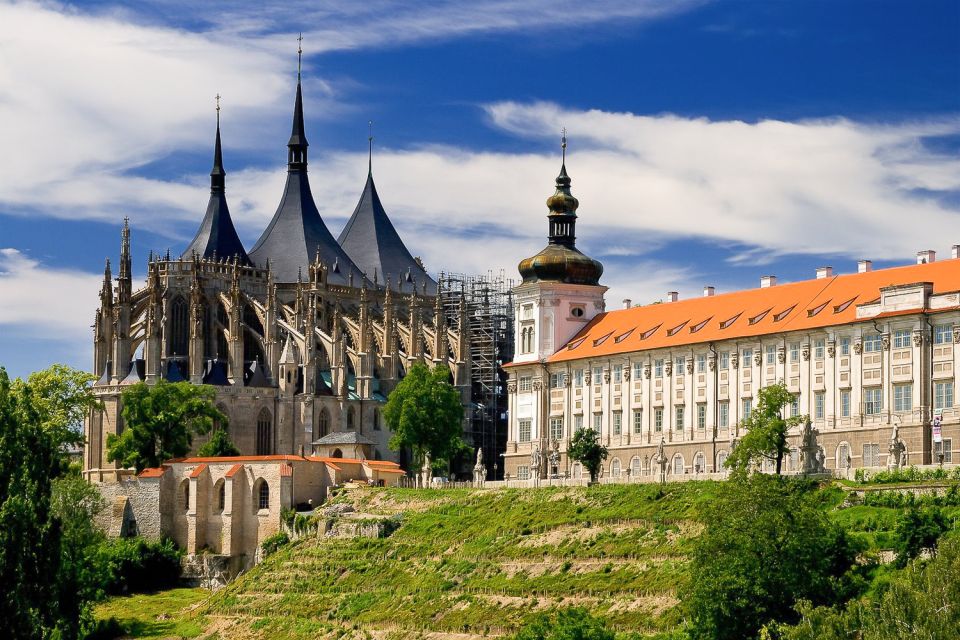
- St. Barbara’s Church entry: Gothic details inside a cathedral-style building
- Cathedral of the Assumption access: Included as part of the church complex visit
- Sedlec Ossuary with 40,000+ bones: A cemetery turned into an art-and-ritual space
- Live guide in multiple languages: English, Italian, German, French, Spanish, Russian
- Enough time to wander: The tour includes guided moments plus breathing room in each location
Kutná Hora in a Single Day: Why This Silver Town Matters
Kutná Hora is the kind of place that explains Central Europe’s power shifts without textbooks. This was a silver-mining town that grew important fast, becoming the second most important town in Bohemia. You can feel that importance in the streetscape and in the scale of the sacred buildings, especially when you step into the church spaces.
What makes the day trip work is that it’s not only about one highlight. You’re guided through the arc: early monastic settlement tied to Benedictine monks, then later prominence as Czech kings used the town as a favorite temporary residence. That thread helps you understand why the buildings look the way they do, and why silver money went into stonework and churches instead of just trade warehouses.
And yes, UNESCO is part of it. Kutná Hora’s heritage status since 1995 isn’t just a stamp; it signals that the town’s historic core reflects a real economic engine and its cultural impact.
You can also read our reviews of more tours and experiences in Prague.
From Prague: The Bus, the Pickup, and How the Day Actually Flows
This tour is built for a smooth day out of Prague: hotel pickup is included, and the driver is scheduled to wait no more than 5 minutes past the pickup time. That detail matters in Prague where pickups can get chaotic. It’s one of those small operational points that helps the day feel controlled.
The trip duration is listed as 6 hours, so the schedule is naturally tight. In practice, you’ll want to think of it as a compressed sampler: you’ll learn, you’ll walk, you’ll enter key sites, and you’ll have a bit of your own time to roam. Several people highlight that the tour isn’t rushed, and that you get time to wander around each location rather than being herded nonstop.
One logistics note from real-world experience: drop-off might not always be straight back to your exact hotel door. Some guests report being returned to a city area or near a train station instead of the original pickup point. That’s not unusual for shared bus tours, but it’s smart to mentally prepare for it so it doesn’t surprise you at the end of the day.
UNESCO Kutná Hora: Benedictine Roots and Royal Stopovers
The heart of Kutná Hora is the way its story connects religion, wealth, and politics. With a live guide, you don’t just learn facts like when something was built. You get the context: how a former Benedictine monk settlement helped shape the town’s early identity, and how Kutná Hora later became a temporary home for Czech kings.
That context makes the sightseeing click. When you see the scale of Gothic architecture, it stops feeling like random old stone. You start asking the right question: who paid for it, and why did it matter enough to build with this kind of precision?
The tour also frames Kutná Hora as more than a stop on a route. It’s described as one of the most important towns in Bohemia, so you understand why the UNESCO status makes sense. You’ll hear how events tied to the broader history of Central Europe played out through towns like this, where money from mining changed what the community could build.
If you like history that feels connected to geography, you’ll enjoy the guided walk. If you’re the type who only wants to photograph and move on, you still get enough freedom at stops to do your own pacing.
St. Barbara’s Church and the Cathedral of the Assumption
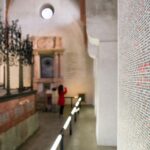
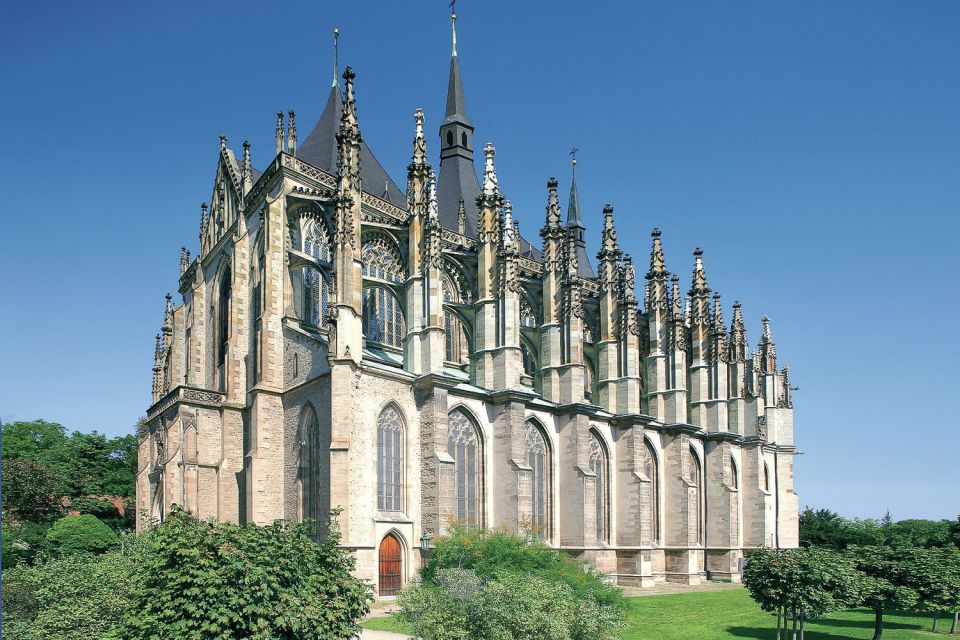
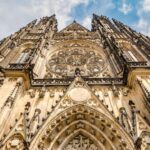
If Kutná Hora is the story, then St. Barbara’s Church is one of the chapter headings written in stone. The tour includes entry to St. Barbara’s Church plus the Cathedral of the Assumption, so you’re not limited to exterior views.
What you’ll notice is the Gothic ambition. The church is described as cathedral-style, and that matters: it isn’t a small chapel stop. You’re walking into a space designed to overwhelm you a bit. Gothic details like proportions, vertical emphasis, and interior structure are the kind of things that are easier to appreciate when someone points out what you’re looking at.
Here’s the practical upside: if you’re deciding whether church visits are worth your time, this one is included because it’s a main attraction. You won’t spend your entry ticket staring at one altar and leaving. You’ll get enough context from the guide to make the architecture feel purposeful instead of decorative.
Also, because the guide is live and multilingual, you’re more likely to get clear explanations about what you’re seeing inside. People specifically mention guides like Martin, Toni, and others doing a standout job with both humor and detail, which usually means you’ll be able to ask questions without it turning into a lecture.
The Town Walk: Time for Kutná Hora Streets and a 15th-Century Stone Fountain
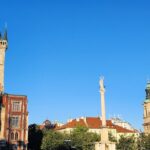
Between the big-ticket sites, Kutná Hora gives you a calmer pace. Several guests note there’s time to wander around the town itself, not just the churches and bone displays. That’s important here, because Kutná Hora is visually interesting even when you’re not inside a monument.
One specific attraction mentioned is a unique stone fountain from the 15th century. It’s the kind of detail you might miss on a hurry-up visit. When the schedule includes moments like this, you get more than a checklist—you get textures, small surprises, and a sense of how people likely moved through town centuries ago.
I like this part because it helps you balance the emotional impact of the ossuary later. Stopping for street-level sights keeps the day from becoming one heavy room after another.
If you enjoy slow-looking, use your free time for small detours: look for architectural patterns, pay attention to how the streets frame church shapes, and take a few photos that don’t include the same single monument from the same angle. This is the part where the town starts feeling like a place, not a set.

Sedlec Ossuary: 40,000+ Bones, and How to Read the Experience
The Sedlec Ossuary is the reason many people take this tour, and it’s also the reason opinions can swing.
The facts are clear: the ossuary is decorated with more than 40,000 human bones. That number alone sounds unreal, and once you’re there you realize it’s not random shock value. It’s arranged. Patterns, shapes, and symbolic forms are part of the design, which turns the site into something closer to art plus ritual than a normal cemetery.
Why this matters for your expectations: if you want a conventional museum with interpretive exhibits, you might feel underwhelmed. Even a strong guide can only explain so much when the main attraction is a single, highly focused visual statement. One guest even called it disappointing for the price. On the other hand, many people found it unforgettable and worth the trip.
So how should you approach it? Think about tone. This is not a place to treat as a selfie corner. If you walk in with respect and curiosity, you’ll likely take away more than shock. If you’re hoping for a casual curiosity stop, it may feel like too much, too fast.
Also, because the tour is guided, you’re not left guessing what you’re looking at. Names like Blanca, Jitka, Robert, and Veronica show up in feedback as guides who were friendly and attentive, sometimes even helping people who felt unwell during the day. That kind of care can matter in a site that carries emotional weight.
Timing, Pace, and What to Bring for a 6-Hour Day
A 6-hour tour from Prague is a real day trip, not a quick morning dash. You’ll likely spend a chunk of it on transport, then a concentrated block at the sites. The good news is that the pacing sounds thoughtfully handled: multiple people say the tour wasn’t rushed and that they had time to explore.
Still, I’d plan like it’s a full-on outing. Pack practical basics:
- comfortable walking shoes (Kutná Hora involves uneven town walking and stairs inside historic sites)
- a small snack, because at least one review notes the timing doesn’t really include a rest or food stop
- a bottle of water (you’ll be outdoors and in transit)
- a jacket or layer if the weather is cool, since older churches aren’t always warm
If you get called out for bathroom breaks, don’t panic. One review says the guide made it clear you could always ask to go to the toilet. You’ll feel better knowing you can handle basic needs without losing track of the group.
One more practical consideration: this tour can feel tiring even when it’s well organized, mainly because you’re doing multiple entries and standing around for explanations. If you need longer seated breaks, you might find the pace a bit tight.
Value for $84: What You Get, and What You Should Judge
At $84 per person, the value comes from what’s actually included: hotel pickup, a live guide, and entry fees. That matters because Kutná Hora’s key sites are not free, and a guided narrative turns them from “things you saw” into “things you understood.”
Here’s the honest value test I use: Would you pay this if you had to do it yourself? In Prague, getting to Kutná Hora efficiently and coordinating entry into the key church components costs time, planning effort, and money. A guided trip bundles those tasks.
What can still change the perceived value is the ossuary reaction. If Sedlec Ossuary hits your interest (history, ritual, arranged bones, symbolic spaces), you’ll feel you got your money’s worth. If it feels like too heavy a concept for the time you spend, you might feel, like one guest, that it wasn’t worth it for the price.
That said, the tour doesn’t just toss you into Sedlec. You also get St. Barbara’s Church, the Cathedral of the Assumption, and a guided overview of Kutná Hora’s history as a silver mining and royal town. Even if you’re not sold on the bones, the church and context may carry the day for you.
Who This Tour Fits Best (and Who Might Want Another Option)
I’d point you toward this tour if you want a guided day that covers three anchors: UNESCO Kutná Hora history, Gothic church architecture, and Sedlec Ossuary. It’s also a great fit if you enjoy guides who bring the story to life in more than one style.
The feedback shows strong guide personalities: people mention Martin and Toni as friendly, funny, and highly informative, and also mention how comfortable multilingual guides can make you feel. If you’re traveling with mixed language needs, the fact that languages include English, Italian, German, French, Spanish, and Russian is a big plus.
You might reconsider if:
- you dislike intense sites connected to human remains
- you’re expecting a long, slow museum-style visit with lots of interpretive materials
- you hate walking from spot to spot during a timed day trip
If your goal is a calmer Prague-only day, this won’t match that mood. But if your goal is a meaningful change of scenery with real historic weight, it fits well.
Should You Book This Prague to Kutná Hora and Sedlec Ossuary Trip?
Book it if you want the convenience of hotel pickup, a live guide, and included entries, all while seeing more than just the single most famous stop. I think the strongest reason to book is the combination: Kutná Hora’s silver-era importance plus St. Barbara’s Church and the Cathedral of the Assumption give you architecture and context, and Sedlec Ossuary gives you something you can’t replicate on your own without planning.
Skip or switch if Sedlec Ossuary sounds like it will ruin your day mood. You can still see St. Barbara’s Church and explore Kutná Hora independently, but that’s a different kind of trip. With this guided format, you’re choosing a tightly packed, story-driven route.
If you do book, come with the right mindset: respectful curiosity for Sedlec, and a little patience for a 6-hour tempo. Then you’ll get a day that feels like history with footsteps, not history with only photos.
FAQ
How long is the tour?
The duration is 6 hours. Starting times vary, so you’ll need to check availability.
Does the price include hotel pickup and entry fees?
Yes. The tour includes hotel pickup, a live guide, and entry fees.
What’s included at the UNESCO sites?
You’ll visit Kutná Hora and enter St. Barbara’s Church plus the Cathedral of the Assumption, and you’ll also see Sedlec Ossuary.
Where is Sedlec Ossuary’s key feature?
It’s decorated with more than 40,000 human bones.
What languages are offered for the live guide?
The live guide is available in English, Italian, German, French, Spanish, and Russian.
Do I have free cancellation?
Yes. You can cancel up to 24 hours in advance for a full refund.
How does pickup timing work in Prague?
Drivers wait no more than 5 minutes past the scheduled pickup time.