REVIEW · PRAGUE
Classic Prague Castle Tour, Strahov Monastery & Castle District
Book on Viator →Operated by Prague Pulse Tours · Bookable on Viator
Prague’s hilltop stories start with your feet. This tour strings together Strahov Monastery, Prague Castle sights, and smart transit guidance, so you’re not just sightseeing—you’re getting oriented. My favorite part is how the guide teaches you how to use public transport in Prague early on, then you carry that confidence up the hill.
I also love the story-driven flow through the Castle District. You stop at major exterior points, learn what to notice (gate, courtyards, palace architecture), and get a clear sense of why the place matters—especially when the guide connects details to real events.
One consideration: the tour is mostly outside, and if you want to go inside key spots like the cathedral interior, you may need paid tickets beyond what’s included.
In This Review
- Key highlights to look for
- Starting at Josef Manes and climbing with purpose
- Klarov Park: the smart warm-up for Prague transit
- Strahovsky Klášter and the Monastery Brewery
- Strahov Library: stories behind the odd curiosities
- Walking the Castle District: main squares, palace details, and sgraffito
- Prague Castle: the gate, the courtyards, and the “why”
- St. Vitus Cathedral: built under Charles IV and full of details
- The Third Courtyard viewpoint and the presidents’ office angle
- Old Royal Palace: seeing architecture evolve in one stop
- Gardens below Prague Castle: seasonal views and the 1618 defenestration location
- Pace, footwear, and ticket expectations that prevent stress
- Guides make the difference: Dylan, Aris, Lyle, and others
- Price and value: what $3.63 per person means in practice
- Who this tour is best for
- Should you book this Classic Prague Castle Tour, Strahov Monastery & Castle District?
Key highlights to look for
- Transit practice near Klarov Park: you learn how to navigate Prague before the climb
- Strahov Monastery and Library quick hits: enough time to appreciate the feel without rushing
- Defenestration stories in two places: history tied to visible locations around the district
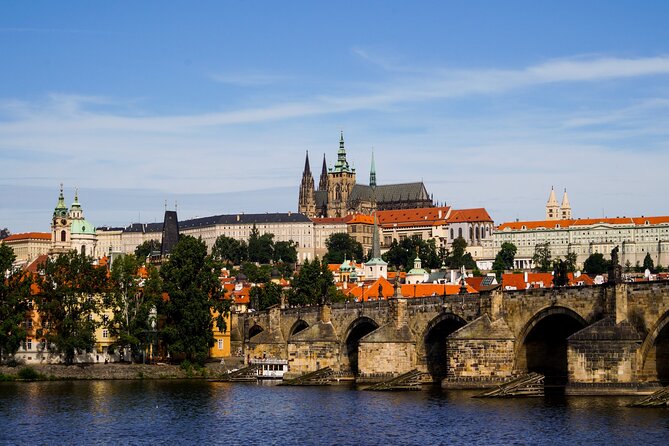
- Prague Castle courts and major views: a tour path designed around angles and sightlines
- St. Vitus Cathedral context from Charles IV onward: what you’re seeing and why it’s there
- Gardens below the castle (seasonal): best city views plus another defenestration location
Starting at Josef Manes and climbing with purpose
The tour begins at the Josef Manes monument near Alšovo nábř., in Prague 1, and ends up near the Hradčany ramparts with a view toward the Castle area. The route matters here. Instead of plunging straight into crowds, you first get your bearings at Klarov Park and then move through the Castle District hilltop in a logical rhythm.
From the start, you’re set up to travel like a local. At Klarov Park, the guide uses the area as a mini classroom for using Prague’s public transport. You’ll get practical pointers on how to think about routes and how to move efficiently once you’re in town. If you’re the type who usually wanders and then realizes you should have asked earlier, this part saves time.
You’ll also want to come ready for walking. Cobblestones show up fast. Even though the tour lasts about 2 hours 30 minutes, you’re on your feet for long stretches. Wear shoes you’re comfortable with on uneven stone.
You can also read our reviews of more tours and experiences in Prague.



Klarov Park: the smart warm-up for Prague transit
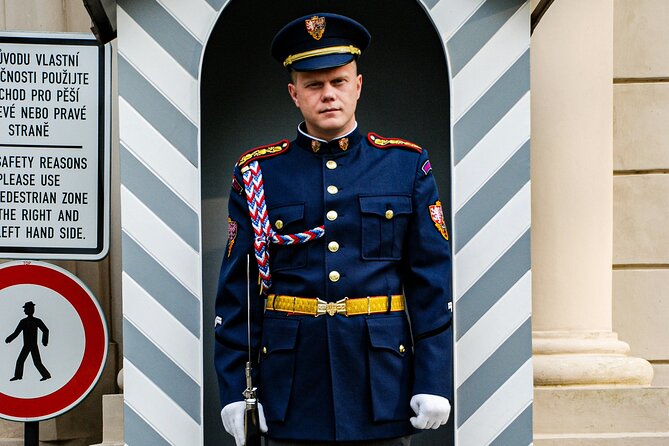
Klarov Park is a quick stop, but it’s one of the most useful parts of the experience. The guide uses the park to explain how public transport works in Prague. This is the kind of advice that pays off after the tour too. Once you understand the basics, you stop treating the city like a maze.
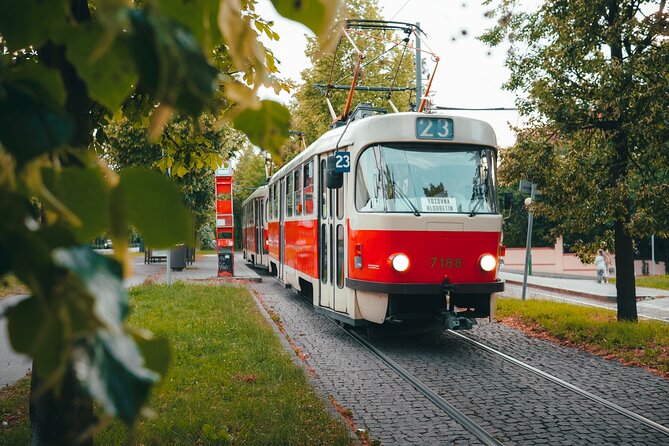
A small detail that shows up in the tour experience: some guides have a knack for making this practical, including how to use tram options in the city. That’s helpful because Prague’s transit can feel intimidating at first, especially if you’re carrying bags or you don’t want to keep checking your phone every two minutes.
Even if you already know transit, this stop gives you a calm start before the hill begins.
Strahovsky Klášter and the Monastery Brewery
When the tour reaches Strahov Monastery at the top of the Castle District hill, the atmosphere changes immediately. You’re higher up, the air feels different, and the buildings start to look like they belong to a different era. The visit is short, but it’s timed so you get the sense of place.
There’s also a focus on the monastery brewery. This isn’t just a throwaway mention. It reinforces that Strahov is not only a sightseeing stop. It’s an operating complex with a long tradition, and the brewery detail helps you picture the monastery as part of everyday life in historical Prague.
If you’re hoping for a long, slow monastery visit, manage expectations. You’re there to learn the highlights and keep the pace moving. But for most first-timers, it’s an efficient way to experience Strahov without turning the whole day into one giant marathon.
Strahov Library: stories behind the odd curiosities
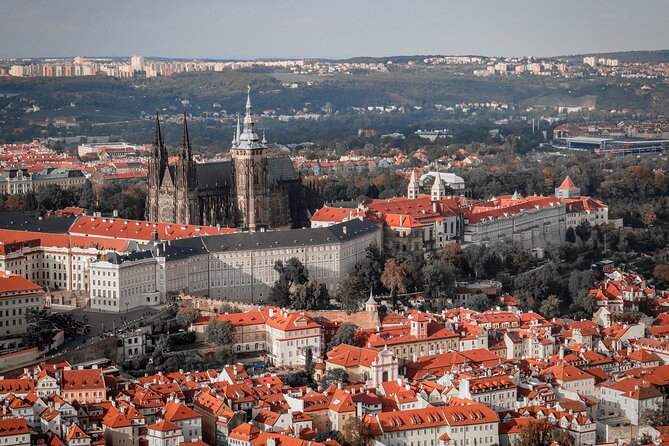
Next comes Strahov Library. This stop leans into what people often miss: how libraries in historic places reflect culture, power, and the quirky side of human collecting.
The guide shares stories tied to what’s inside and the odd curiosities the library holds. That changes the way you look at it. Instead of just thinking you’re seeing a pretty interior, you’re listening for reasons and backstories that make the space feel alive.
Time here is brief, so be ready to focus. If you’re the type who takes photos every five seconds, keep one eye on the guide’s flow. The best value of the library stop is in the storytelling, not in lingering.
Walking the Castle District: main squares, palace details, and sgraffito
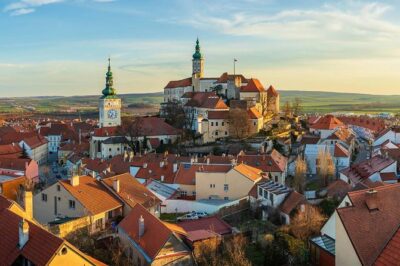
After Strahov, the tour becomes a classic Castle District walk. You pass through the district in a way that helps you connect locations instead of treating each stop like a separate ticketed attraction.
You’ll also hit Cernin Palace, where the guide talks about Prague’s defenestration stories—specifically referencing the most recent defenestration as part of the broader historical narrative. Even if you know the famous 1618 event already, it’s useful to hear how the concept of defenestration shows up repeatedly in Prague’s history.
Then there’s a chance to take in the Castle District main square, and the tour points you toward architectural texture that you might otherwise overlook. A key one is Schwarzenberský Palace with its sgraffito architecture. Sgraffito can look like decorative wall art from a distance, but the guide helps you understand what you’re seeing and why it looks the way it does.
This section is a good reminder that the Castle District isn’t only about castles and cathedrals. It’s also about how power and taste were displayed on everyday streets and building facades.


Prague Castle: the gate, the courtyards, and the “why”
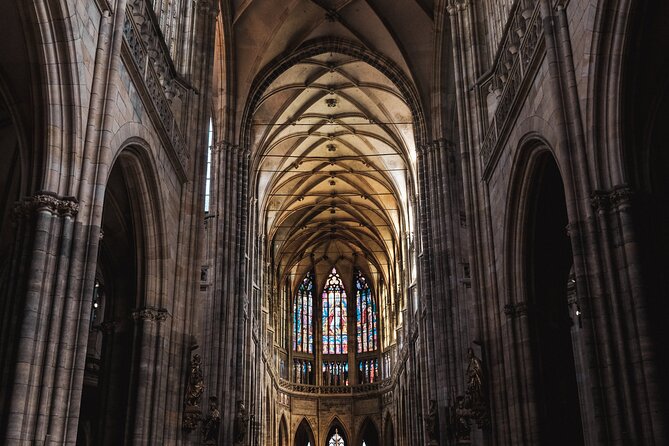
Prague Castle is the centerpiece, and the tour prepares you before entry. Before you go in, the guide explains the castle complex and its founding over a thousand years ago. Then you look at the ornate main gate as your starting point. That matters because gates are never random. They’re designed to communicate authority.
Once inside, the tour moves through a series of key courtyards that show how the site was shaped over time. There’s a strong emphasis on final touches made in the 20th century during stops like the Fourth Courtyard and the Second Courtyard. That’s a useful framing because many people assume the castle is only medieval. Hearing about modern finishing work helps you see the place as a living complex rather than a fixed museum set.
You also learn to notice architectural language in context. The guide isn’t only telling facts. The guide is teaching you what features to connect: time period, function, and how the space guides movement.
St. Vitus Cathedral: built under Charles IV and full of details
St. Vitus Cathedral is the big “look up” moment. You’ll see it here with time set aside for the guide to explain the cathedral and how it was built under King Charles IV. The storytelling is built around the idea that some history is hiding in plain sight.
This stop is also where expectations need managing. The tour may not include paid monument entry across the board, and some guides’ approaches mean you might not get full interior access without extra tickets. You’ll want to be ready for the possibility of purchasing tickets if you specifically want to go inside the cathedral or other areas that require it.
If you’re okay with an exterior-focused visit plus a strong guide narrative, this stop still lands well. Even from outside, St. Vitus is visually dramatic. With the guide’s context, it becomes more than a photo op.
The Third Courtyard viewpoint and the presidents’ office angle
Next, you reach the Third Castle Courtyard, where the tour points out where the Czech presidents’ office is. You also get a look at the cathedral from one of the best angles.
This is a great example of why guided pacing helps. If you walk the castle area on your own, you might see the cathedral from one or two random viewpoints. With the guide’s route, you’re steered toward angles that make the building look its best and help you understand the layout.
Also, some guides have been able to work with timing and route choice so the group can see the Changing of the Guard from a front-and-center angle while avoiding the worst crowd crush. That’s not something I would bank on day-to-day, but it is a real capability you can benefit from if your guide handles it well and the schedule lines up.
Old Royal Palace: seeing architecture evolve in one stop
The Old Royal Palace stop is shorter, but it’s built for comprehension. The guide explains how the building was upgraded over time by successive palace rulers, so you can see architectural evolution inside a single footprint.
This is one of the best “learning per minute” parts of the tour because it teaches you how to read the walls like a timeline. Even if you’re not an architecture nerd, you can still follow the guide’s logic and start noticing differences that you’d otherwise miss.
If you’re traveling with teens or friends who get bored by long museum lectures, this stop is a good break. It keeps your attention on visible change rather than dense backstory.
Gardens below Prague Castle: seasonal views and the 1618 defenestration location
If you’re visiting between March and October, you’ll get to the Gardens below Prague Castle. This is a conditional highlight, but it’s worth planning around if you want city views plus another defenestration story tied to a specific location.
The guide points you to the best viewpoints from these gardens, and the timing typically makes the views feel like a payoff after the walking. You also learn about the location of the defenestration of 1618. Hearing that story in the actual landscape changes it. You’re not just reading about it. You’re standing where the story echoes.
If you travel outside the Mar–Oct window, you may miss this section, since it’s seasonal. In that case, don’t worry. The rest of the tour still covers the Castle District core. But if views matter to you, this is the part you’ll miss most.
Pace, footwear, and ticket expectations that prevent stress
This is a walking tour with lots of uneven surfaces. Reviews show people calling out that there’s plenty of cobblestone walking, and that it’s well worth it. That’s exactly how I’d frame it. You’re trading comfort for access to the viewpoints and the story connections that only work when you’re on foot.
A practical strategy: start early, use the guided rhythm to keep moving, and don’t over-plan anything strenuous right after the tour ends. You’ll likely be tired in a good way, then you’ll want a nearby place for food and a drink.
Tickets are the main “watch this closely” item. The tour is presented as not entering paid monuments, but St. Vitus Cathedral interior access is often where separate tickets come into play. Some guides also mention you should buy tickets to see inside the cathedral and other areas. So if you care about interiors, plan for that in your budget and timing.
Guides make the difference: Dylan, Aris, Lyle, and others
The tour’s quality depends heavily on the guide, and the good news is the guides on this route tend to bring the site to life with energy and humor.
If you get Dylan, expect a very structured explanation with storytelling that connects the dots instead of listing dates. Dylan’s style is described as engaging and easy to follow, with a pace that stays calm but organized.
Aris is another standout name from guides here. Reviews describe Aris as high-energy, funny, and very good at involving the group. One highlight tied to Aris is the ability to connect people with personal stories and humor while still focusing on what you’re seeing. If you like a lively guide who keeps the group together, Aris-style tours can feel like Prague’s history has a pulse.
Lyle gets praised for friendly cheer and a strong sense of humor with good historical command. Others like Jan and Ian are called out for making the tour fun and memorable, including local perspectives on life in Prague around major historical change.
Zach and Andy are mentioned for energetic delivery and lots of detail, while Filip is described as passionate with solid local knowledge. You’ll also see references to guides tailoring their explanations and answering questions, which is the point of a guide in the first place.
In short: you’re not just buying a route. You’re buying a way of seeing the Castle District.
Price and value: what $3.63 per person means in practice
At $3.63 per person for about 2.5 hours with a licensed local guide, this is an unusually low price for a top-tier “big sights” experience in Prague. The value comes from two things:
1) You get a guided route through the Castle District highlights that you might otherwise treat as a random checklist.
2) The guide’s context turns exterior viewing into understanding. Seeing the gate, courtyards, and cathedral without guidance can feel like a lot of stone. With guidance, it becomes a story you can follow.
The tradeoff is that some of the most famous interior experiences (like certain cathedral areas) may require additional tickets. Also, you’re spending your time on the walk and the exterior-focused sequence rather than long museum-style entries.
Still, for many visitors, paying this much to learn how to interpret Prague’s most dramatic landmark zone is a strong deal—especially if you’re trying to pack in the essential sights without building a complicated schedule.
Who this tour is best for
This tour fits you if:
- You want a guided first look at Prague Castle and Strahov without spending the whole day on stairs
- You like your history tied to what you can see in front of you
- You want practical transport guidance for your remaining days in Prague
- You enjoy a story-led pace, often with humor and Q&A
It may be less ideal if:
- You only want fully ticketed interiors and long museum time inside each building
- You dislike cobblestones and long walking stretches
Should you book this Classic Prague Castle Tour, Strahov Monastery & Castle District?
Yes, I’d book it if you’re a first-timer or if you want an efficient way to connect Prague Castle to the stories around it. The combination of Strahov Monastery and Library, then a moving route through the Castle District with stops at major courtyards and St. Vitus context, is a smart way to make sense of the whole hill.
Add in the practical transit teaching at Klarov Park, and this becomes more than a sightseeing tour. It helps you travel better in Prague, not just see it.
Just go in with one clear plan: wear good shoes, and if cathedral interiors are on your must-do list, be ready for the possibility of buying tickets for paid areas. With that in mind, this tour is an excellent value way to experience Prague’s top landmark zone.