REVIEW · PRAGUE
Prague: Tyn Church Classical Music Concert
Book on GetYourGuide →Operated by ClassicsInternational · Bookable on GetYourGuide
Prague’s organ and strings share one room. In Týn Church in Old Town Square, you can settle in for a 70-minute classical concert built around big, familiar works. It’s a simple plan: show up, listen closely, and let the building do its part for the sound.
I love the star power in the lineup. Soprano Anda-Louise Bogza brings an opera-house profile (including Aida at Arena di Verona), and organist Aleš Bárta is especially known for Bach recordings, so the program feels like it has a spine. Add a violin solo by Vlastimil Kobrle, one of Czechia’s acclaimed players, and you get variety without the concert stretching too long.
One consideration: even though the overall experience is strong, one performance account noted the soprano looked a bit tired. If you’re very sensitive to visual energy as well as vocal sound, that might matter to you. Still, the same notes also praised the value and the chance to sit calmly in a historic church with a limited number of people.
In This Review
- Key highlights that make this concert worth your time
- Entering Týn Church: a historic room made for listening
- Meet the featured soloists: Bogza, Bárta, and Kobrle
- The 70-minute program: what to listen for in each work
- Vivaldi: The Four Seasons (Spring & Summer)
- Bach: Magnificat
- Beethoven: Symphony No. 5 (Allegro)
- Schubert: Ave Maria
- Bach: Jesu, Joy of Man’s Desiring
- Smetana: The Moldau (Vltava)
- Handel: Ombra mai fu from Xerxes
- Mozart: Divertimento in D Major
- Pachelbel: Canon and Gigue in D Major
- Mozart: Requiem (Lacrimosa)
- Why the Prague Philharmonic strings shape the sound
- Price and value: how $36 holds up for this lineup
- Who should book this concert (and who might want another plan)
- Should you book the Týn Church classical concert?
- FAQ
- Where is the concert held?
- How long is the concert?
- What is included with my ticket?
- Who performs in the concert?
- Can I get a refund if my plans change?
- Are unaccompanied minors allowed?
Key highlights that make this concert worth your time
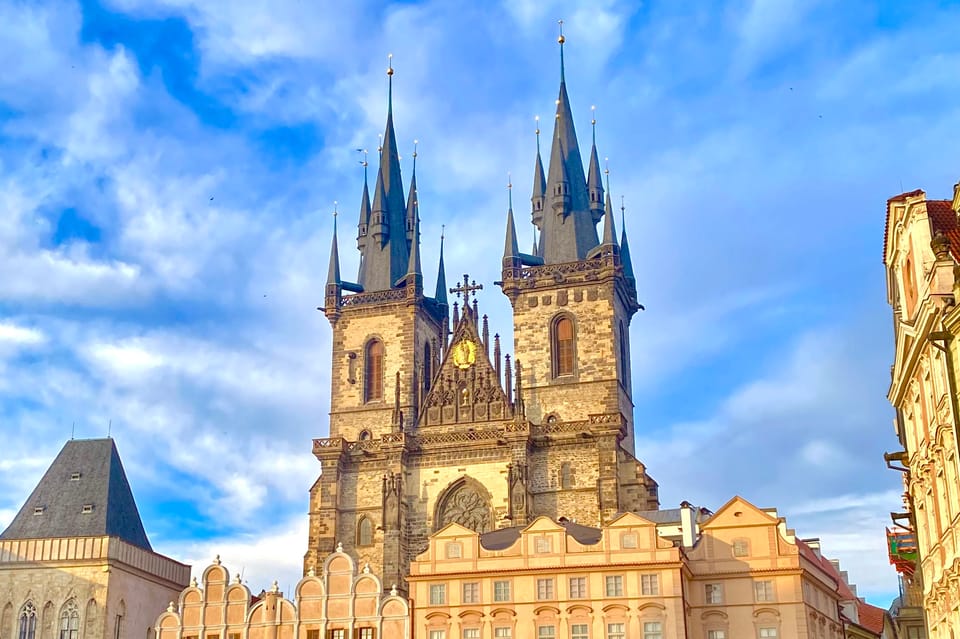
- Týn Church in Old Town Square gives you a classic Prague setting with praised acoustics
- Anda-Louise Bogza performs as a featured soprano with major opera experience
- Aleš Bárta on organ adds a Bach-leaning flavor that many concerts don’t deliver
- Vlastimil Kobrle brings a violin solo moment in a program packed with famous names
- A lineup of “A-pieces”: Vivaldi, Bach, Beethoven, Mozart, plus Smetana, Schubert, and Handel
Entering Týn Church: a historic room made for listening
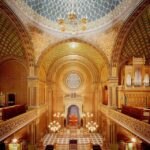
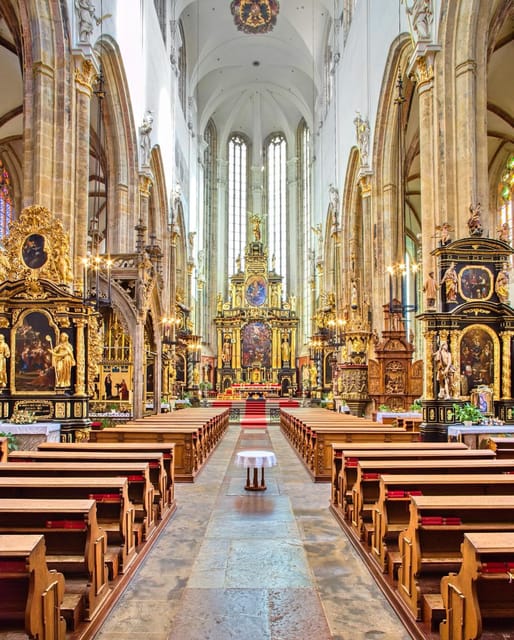
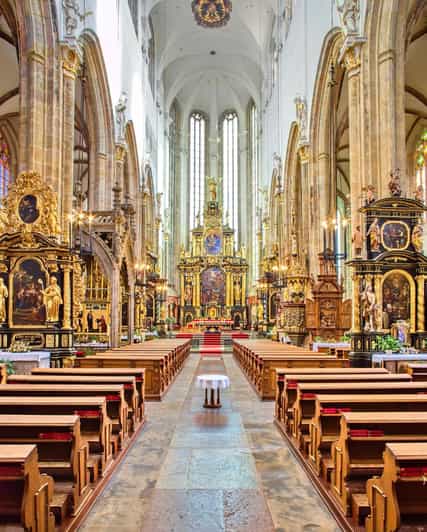
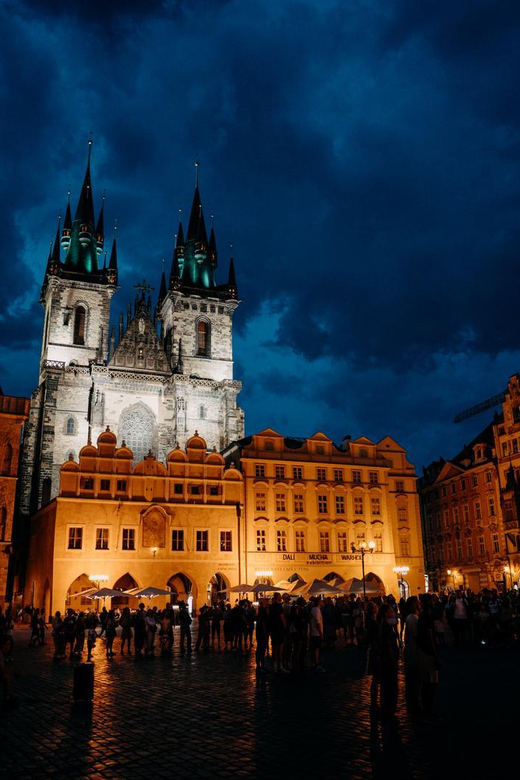
The concert takes place at the Church of Our Lady before Týn, right in Prague’s Old Town Square area. That matters more than it sounds. When a performance happens in a famous space, you’re not just buying music—you’re buying the chance to hear those notes bounce off real walls built for centuries of worship and sound.
The practical upside is how easy it is to pair with an Old Town wander. You’re already in the thick of Prague’s core, so this becomes a low-effort night plan: you don’t need extra transport, and you can keep your daytime itinerary flexible. One account also mentioned there were relatively few people, which usually helps you get a seat where you can actually focus instead of scanning for a view the whole time.
And yes, the acoustics are a selling point here. Multiple notes call out the building’s sound quality, and you’ll feel why when the music shifts between strings, solo voices, and organ. In a good acoustic space, even well-known melodies pick up new texture—like you’re hearing the same tune but with clearer edges.
You can also read our reviews of more tours and experiences in Prague
Meet the featured soloists: Bogza, Bárta, and Kobrle
This concert isn’t just a generic ensemble program. It’s built around three recognizable specialists:
Anda-Louise Bogza (soprano)
She’s described as known from leading opera houses worldwide, and the event specifically ties her to Aida at Arena di Verona. That opera background is what you want if you like a vocal line that can handle both lyrical passages and more dramatic shaping. It also helps explain why works with vocal writing are on the program.
Aleš Bárta (organ)
Bárta is called out as a world-famous organ player, with special recognition for his Bach recordings. That’s a big deal because Bach is a “precision composer.” When an organist is known for Bach, it usually means the articulation lands well and the counterpoint doesn’t blur together. Even if you’re not an organ fanatic, this is the kind of performance detail that makes the organ feel musical, not just ceremonial.
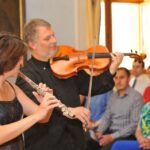
Vlastimil Kobrle (violin)
Kobrle is identified as one of Czechia’s most acclaimed violinists and the concertmaster of the Symphony Orchestra of Czech Radio. That title matters. Concertmasters tend to have a particular kind of authority: a clean tone, confident phrasing, and the ability to make a solo feel like it’s leading the whole room.
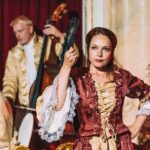
On top of the soloists, the event also features musicians from the strings section of the Prague Philharmonic Orchestra. So you’re not waiting around for “the one solo moment.” The strings support the full program character—stretching from lyrical to punchy, and from intimate to dramatic.
The 70-minute program: what to listen for in each work
The full set runs through a sequence of very famous compositions, and it’s arranged in a way that keeps the ear interested. The concert is listed at 70 minutes, so think of it as a focused highlight reel rather than a long evening.
Here’s what’s on the program, in order, and what you’ll likely enjoy about each piece:
Vivaldi: The Four Seasons (Spring & Summer)
Starting with Vivaldi is smart because it grabs attention fast. Even if you only recognize a few motifs, The Four Seasons is energetic and colorful. “Spring” and “Summer” tend to feel bright and forward-moving, and in a live church setting those violin lines can sound especially agile.
Bach: Magnificat
Then you pivot into Bach, which is where the concert becomes more “listening music.” The Magnificat is devotional and structured, with a sense of flow that rewards staying present. In a space with praised acoustics, the harmonies can feel clear enough to follow even when the texture thickens.

Beethoven: Symphony No. 5 (Allegro)
Beethoven is the concert’s reset button. Symphony No. 5’s Allegro section is famous for its drive, and hearing it in a live setting tends to make the rhythm feel physical. This is the moment where you feel the ensemble’s cohesion—especially with strings.
Schubert: Ave Maria
After Beethoven’s momentum, Ave Maria offers a breather. It’s the kind of piece that lets you notice vocal phrasing and how the solo voice integrates with the surrounding sound. If you like moments of calm contrast, this one is a good stoplight.
Bach: Jesu, Joy of Man’s Desiring
This is another Bach highlight, and it’s often loved for its steady, almost inevitable beauty. It’s also a piece where organ (and/or well-balanced ensemble writing) can bring extra warmth, even if you’re not thinking about the “how.” The tune is well-known, but hearing it in sequence after Schubert gives it a different emotional angle—more gentle, less dramatic.
Smetana: The Moldau (Vltava)
Now you get into Czech identity in a major way. The Moldau is a vivid tone poem, and even if you’ve only heard it in passing, it’s a crowd-pleaser because it feels like scenes unfolding. This is a great bridge for visitors: it’s both recognizable and distinctly local.
Handel: Ombra mai fu from Xerxes
Handel’s Ombra mai fu is lyrical and graceful. Placing it mid-program keeps the tone refined and gives the soprano a chance to shine in a melody-first moment. If you like expressive singing that stays elegant rather than showy, this work tends to deliver.
Mozart: Divertimento in D Major
Mozart adds clarity and playfulness. Divertimento in D Major is often appreciated for its lightness and quick shifts of mood. In a hall that sounds good, you’ll likely notice the musical “spark” in the interplay between parts.
Pachelbel: Canon and Gigue in D Major
Pachelbel’s Canon is one of those tunes that people think they know, then find out they’ve never really heard the details until live. The gigue pairing gives the music a more upbeat ending feel. It’s a good “laughter from the inside” moment—simple, satisfying, and musical.
Mozart: Requiem (Lacrimosa)
The set closes with Mozart’s Requiem: Lacrimosa. That choice is deliberate. It turns the volume of emotion up while also letting the performers show control. Ending with Lacrimosa means you don’t walk out with only cheerful melodies—you walk out with something heavier, more reflective.
Why the Prague Philharmonic strings shape the sound
A key detail here is that the performance includes musicians from the strings section of the Prague Philharmonic Orchestra. That’s not a throwaway line. String sections tend to carry the body of the sound: tone, blend, and pacing.
In practice, it means you’re more likely to hear clean transitions between composers with different styles. Vivaldi and Mozart can feel crisp and “staccato-bright,” while Bach asks for steadier balance and control. When the strings are strong, it becomes easier for the soloists to step forward without the ensemble collapsing into noise.
It also helps the variety work. This program moves from seasons to church music to symphonic drama and back to lyrical opera-adjacent writing. Strong string support makes the whole thing feel like one coherent arc rather than a list of favorites.
Price and value: how $36 holds up for this lineup
At about $36 per person, this concert is priced like a smart splurge rather than a big-ticket festival event. The value comes from three places:
- You get major composers in one sitting: Vivaldi, Bach, Beethoven, Mozart, plus Smetana, Schubert, and Handel.
- You get recognizable soloists: soprano Anda-Louise Bogza, organist Aleš Bárta, and violinist Vlastimil Kobrle.
- You get the right setting: a historic Old Town church with acoustics praised by attendees.
You’re also getting a printed concert program included with entry. That sounds small, but it changes how you listen. When you can track what’s coming next, you’ll catch transitions faster and feel less “lost” during the less familiar moments (like when you’re moving from a church text setting into a tone poem).
If your Prague days are packed, this is a tidy way to add culture without burning half your afternoon. Seventy minutes is also a sweet spot: long enough to matter, short enough that you won’t feel trapped.
Who should book this concert (and who might want another plan)
I think this concert is a great fit if you:
- Love famous classical works and want a single-night hit list
- Want Prague culture that isn’t just sightseeing photos
- Prefer an evening plan that’s easy to combine with Old Town strolling
- Enjoy opera singers showing up in concert repertoire (Bogza is a featured soprano here)
It may be less ideal if:
- You’re only interested in one composer and dislike the idea of mixed repertoire
- You’re very focused on visual staging as part of your concert experience (one note mentioned the soprano looked a bit tired)
One more point to plan around: unaccompanied minors are not allowed, so if you’re traveling with young people, make sure an adult accompaniment plan is sorted before you go.
Should you book the Týn Church classical concert?
If you want a high-value night in Prague that combines a serious venue, acclaimed soloists, and a program packed with recognizable masterpieces, I’d book this. The biggest reason is practical: it’s only 70 minutes, but it still covers a wide range—Vivaldi and Bach, Czech music in Smetana’s Moldau, and a dramatic close with Mozart’s Lacrimosa.
My one caution is minor but worth stating. If you’re the type who judges concerts on performance polish you can see as well as hear, keep in mind there’s at least one account noting the soprano appeared tired. Even with that, the overall word on quality and experience is strong.
FAQ
Where is the concert held?
It takes place at the Church of Our Lady before Týn in Prague’s Old Town Square.
How long is the concert?
The concert duration is listed at 70 minutes.
What is included with my ticket?
Your ticket includes entry and a printed concert program.
Who performs in the concert?
The concert features musicians from the strings section of the Prague Philharmonic Orchestra and three soloists: soprano Anda-Louise Bogza, organist Aleš Bárta, and violin soloist Vlastimil Kobrle.
Can I get a refund if my plans change?
Yes. You can cancel up to 24 hours in advance for a full refund.
Are unaccompanied minors allowed?
No. Unaccompanied minors are not allowed.