REVIEW · PRAGUE
Prague: Mirror Chapel Classical Music Concert Ticket
Book on GetYourGuide →Operated by Prague Concert Agency s.r.o. · Bookable on GetYourGuide
Prague sounds different in a mirror chapel. This one-hour classical music concert in the Clementinum Mirror Chapel pairs big-name composers with a close, almost intimate sound. I love that the evening is built around live virtuosity from the Royal Czech Orchestra, and I also love the way the hall makes familiar melodies feel newly vivid, even if you only know a few titles. One thing to consider: the total show time is just 1 hour, so it can feel short if you want a long evening of music.
What I like most is the mix of styles, from Baroque to Romantic to something dramatic. You get standouts like Vivaldi’s The Four Seasons and Mozart’s Requiem Lacrimosa, plus Czech favorites like Smetana’s The Moldau (Vltava). The second big win is the venue itself, a Baroque Mirror Chapel setting known for strong acoustics right in the room.
The main drawback is timing. You’ll hear a lot of famous music, but the program still moves at a concert pace, and there’s not much time to sit back and let everything slowly land.
In This Review
- Key things worth knowing before you go
- Entering the Clementinum Mirror Chapel: why this room matters
- Ticket value and what you’re actually paying for ($34 for an orchestra program)
- Seating in the Mirror Chapel: how close is close enough?
- The concert program, piece by piece: from Four Seasons to Mozart and Beethoven
- Vivaldi: The Four Seasons (Spring & Winter)
- Beethoven: Emperor Concerto (Adagio un poco mosso)
- Mozart: Requiem (Lacrimosa)
- Smetana: The Moldau (Vltava)
- Chopin: Nocturne No. 20 in C sharp minor (from The Pianist movie)
- Bach/Gounod: Ave Maria
- Bizet: Habanera from Carmen
- Dvořák: Slavonic Dance No. 8 (in G minor)
- Beethoven: Symphony No. 5 (Allegro con brio)
- The soloists you’ll actually notice during the show
- Timing: how early to arrive for the best experience
- Atmosphere and the audience effect
- Practical notes: what to bring and what not to worry about
- Who this Prague concert is best for
- Should you book the Prague Mirror Chapel Classical Music Concert?
- FAQ
- Where is the concert held?
- How much does a ticket cost?
- How long is the concert?
- Where do I meet for the concert?
- What’s included with the ticket?
- Is food and drinks included?
- Are unaccompanied minors allowed?
- What is the cancellation policy?
Key things worth knowing before you go
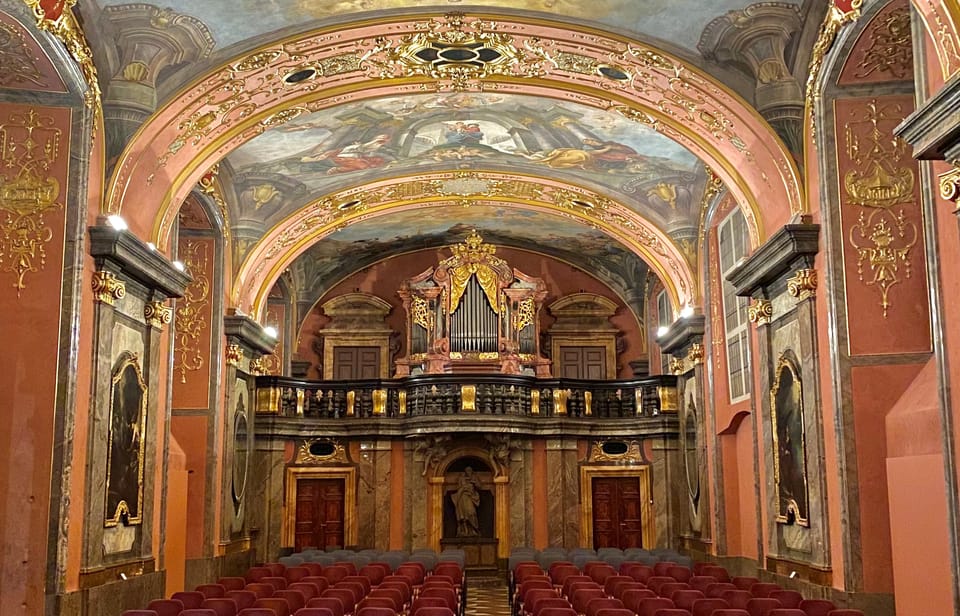
- Baroque Mirror Chapel acoustics: The sound carries in a way that makes even soft passages feel clear.
- A strong soloist lineup: Eva Müllerová, Stanislav Gallin, and Viktor Mazáček are center stage.
- Piano in a grand setting: A featured piano performance adds a different texture to the orchestra sound.
- Real classics in one hour: Vivaldi, Mozart, Beethoven, plus Smetana, Chopin, Bizet, and Dvořák.
- Category matters less than you’d think: Even if you don’t get the front, the acoustics still hold up.
Entering the Clementinum Mirror Chapel: why this room matters
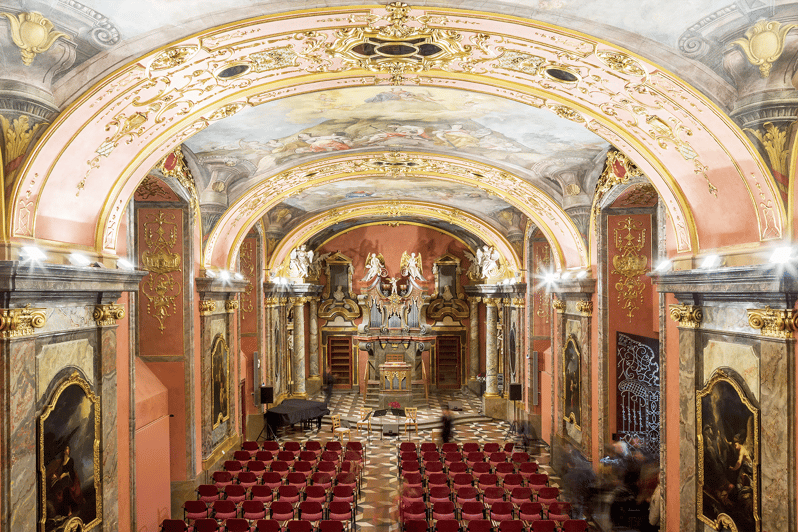
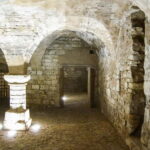
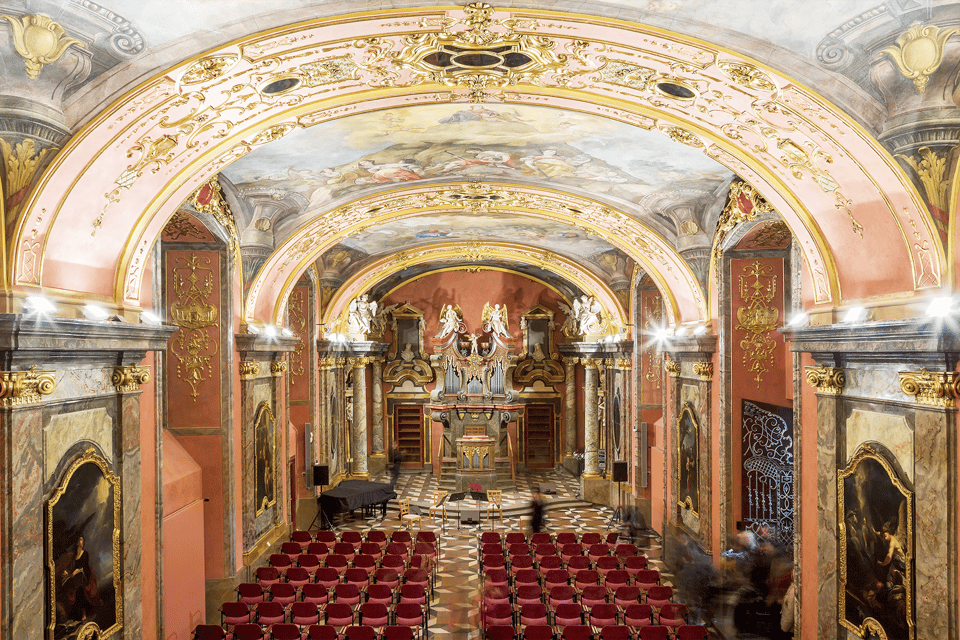
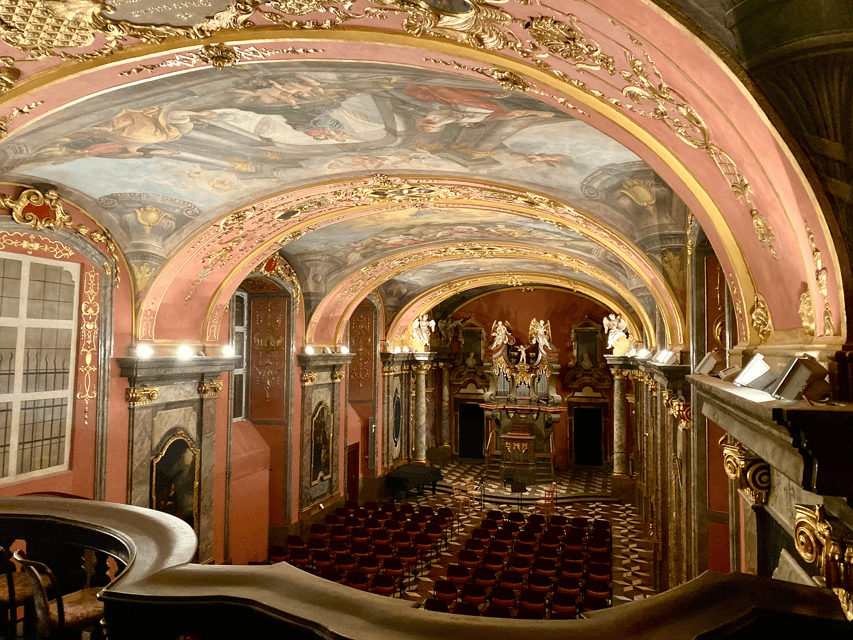
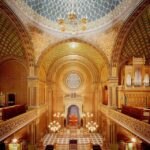
The Clementinum Mirror Chapel is the star of the evening before a single note is played. Think of it as a space designed to reflect sound back toward you, which means the music doesn’t just reach your ears. It fills the room in a way that makes the performance feel close, precise, and alive.
That matters because classical concerts can sometimes feel distant, even when the players are excellent. Here, the hall’s acoustics help create the feeling that the orchestra is right there with you, not somewhere “over” the audience. You’ll notice it most on sustained notes and quieter moments, where the sound stays steady instead of vanishing.
Also, the setting is beautiful in a straightforward way. You’re not just watching a concert; you’re inside a real Prague music room that looks like it belongs to the repertoire itself. It helps you switch modes from sightseeing to listening.
You can also read our reviews of more tours and experiences in Prague

Ticket value and what you’re actually paying for ($34 for an orchestra program)
At $34 per person for a one-hour concert, the price makes sense if you’re choosing one cultural evening in Prague. You’re not buying an abstract “atmosphere-only” experience. You’re buying a live performance by the Royal Czech Orchestra with named soloists and a full program of recognizable works.
You also get two practical inclusions: your entry ticket and a printed concert program. That paper program isn’t fancy, but it’s handy. When you can glance at the order of pieces, you stop guessing what comes next and you can follow the evening like a story.
Food and drinks are not included, so you’ll want to plan your evening accordingly. If you tend to get hungry during music, either eat beforehand or bring your own pacing strategy (like saving dessert for after). The upside is that this format keeps the focus on the music and the room.
Seating in the Mirror Chapel: how close is close enough?
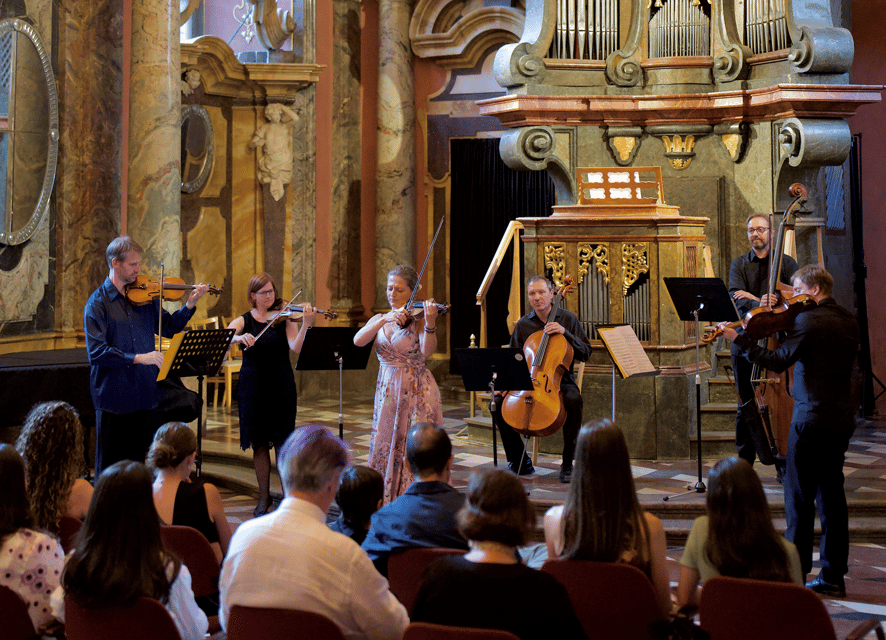
Seating affects your view of the musicians, and it also affects how physical the sound feels. If you want to feel connected to the performers, choose front-row options when you can. The closer you are, the easier it is to track the details: bow changes, page turns, and that tiny shift in posture right before a phrase lands.
That said, you don’t need perfect seats for good sound. Even with a mid-level ticket category, the acoustics are reported as strong enough to make the performance enjoyable. If you’re torn between spending on the best front seats and saving for other Prague plans, you can often make the smarter move and still enjoy the music.
One more tip: if you’re trying to get the best view in your section, don’t treat the start time like a suggestion. Arrive with enough cushion that you can take your seat calmly and let the room settle around you.
The concert program, piece by piece: from Four Seasons to Mozart and Beethoven
This is a packed program, but it still feels cohesive. The order is designed to keep variety without turning into random playlist chaos. Here’s what you’ll hear, and why each piece changes the mood.
Vivaldi: The Four Seasons (Spring & Winter)
You start with The Four Seasons, focusing on Spring and Winter. It’s a smart opening because it instantly gives you something vivid to listen for: rhythmic energy, bright phrasing, and clear musical “scenes” even if you’ve never followed classical form before. If you know this music from films or recordings, the live version tends to feel sharper and more immediate.
It’s also a great test of the hall. When a room has good acoustics, Vivaldi’s fast motion doesn’t turn into blur. You can hear articulation, not just volume.
You can also read our reviews of more tours and experiences in Prague
Beethoven: Emperor Concerto (Adagio un poco mosso)
Then comes the Emperor Concerto, with its Adagio in a slower, more expressive stretch. This is where the piano and orchestra color the space differently from the Baroque beginning. Expect a shift from “picture music” to emotional contour.
If you like moments where the room goes quiet inside your own head, this section is it. Slow music can either drag or sparkle; in a good acoustic space, it tends to hold attention because the sound stays clear.
Mozart: Requiem (Lacrimosa)
Mozart’s Requiem, Lacrimosa, follows with a dramatic mood. This is a well-known emotional pivot: it’s hushed, weighty, and built to feel inevitable. It also helps because it’s not just “sad music.” It’s structured grief, with tension that feels musical rather than random.
If you’re coming for a deep classical moment, this is the kind of piece that can genuinely move people. Live performances often land harder when the hall helps carry the lines without smearing them.
Smetana: The Moldau (Vltava)
After Mozart’s darkness, Smetana’s The Moldau (Vltava) brings something more flowing and distinctly Czech. The music has a story-like sweep, and it works well mid-concert because it resets your listening. You stop bracing for drama and start tracking musical motion again.
It’s a crowd-pleaser even for people who don’t know Smetana by name. The melody language is easier to grab, which keeps your attention steady.
Chopin: Nocturne No. 20 in C sharp minor (from The Pianist movie)
Next is Chopin’s Nocturne No. 20 in C sharp minor, associated with The Pianist. Even if you only recognize a fragment, the live performance tends to make it feel more intimate than the recordings you’ve heard.
Nocturnes are all about nuance: phrasing, rubato, and the sense that time stretches. In a mirror chapel setting, that nuance benefits from the room’s clarity.
Bach/Gounod: Ave Maria
Ave Maria comes next, and it’s a natural bridge from the Chopin mood into something more devotional. Bach/Gounod pieces often feel like they’re made for vocal blend and harmonic lift. If you like choral warmth and singing that sounds effortless, this is one of the moments to watch for.
Bizet: Habanera from Carmen
Then comes Bizet’s Habanera from Carmen, which changes the energy again. Expect a more theatrical rhythm and a more operatic feel. This isn’t subtle background music; it’s built for personality.
It also keeps the concert from staying too heavy. You get contrast, and contrast is part of why the hour stays engaging.
Dvořák: Slavonic Dance No. 8 (in G minor)
Dvořák’s Slavonic Dance adds motion and lift. It’s often the kind of piece that makes you sit up without realizing it, because the rhythm is so direct and the phrasing keeps turning corners.
If you’ve had your feet tired from sightseeing, this portion can feel like a reset button.
Beethoven: Symphony No. 5 (Allegro con brio)
You finish with Beethoven’s Symphony No. 5, Allegro con brio. This is a legendary closer because it’s instantly recognizable and built for impact. It’s also a strong way to end in a room where sound travels well, because Beethoven’s momentum doesn’t rely on volume alone.
Even if you only know the famous motif, the live performance tends to feel bigger than the recording. It leaves you with something to hum on the walk back into Prague’s evening.
The soloists you’ll actually notice during the show
This concert puts specific Czech musicians in the spotlight, and that helps the program feel personal instead of generic.
- Eva Müllerová (soprano): You’ll hear her on vocal works in the program, including Mozart’s Requiem Lacrimosa and the Ave Maria segment. A soprano can make the difference between a strong concert and a truly emotional one, because vocal tone carries meaning fast.
- Stanislav Gallin (piano soloist): The piano isn’t just there; it has a featured role. If you’re curious how piano can sound in a baroque-style chapel acoustic, this is the evening to try it. The Emperor Concerto and Chopin piece are the main places you’ll feel that.
- Viktor Mazáček (violin soloist): Violin writing often benefits from mirror-like acoustics because the tone can stay focused while still projecting. He’s part of a wider string section, but the violin moments are often the ones you remember afterward.
This matters because names help you choose. When you’re spending one evening out, you want the performance to be more than anonymous background music.
Timing: how early to arrive for the best experience
The concert lasts 1 hour, so arriving late is a fast way to miss the best part. I recommend showing up early enough that you can find your seat without rushing and without losing your ability to listen from the first minutes.
If you want the best seats, plan for extra time. One of the most consistent practical tips is to come 40–50 minutes ahead when possible. That’s not about “being early for no reason.” It’s about having control over where you sit in your section.
Atmosphere and the audience effect
This is a small-venue concert setup, so the room feels focused. You’ll notice that people tend to listen rather than chat. That makes sense: when acoustics are good, you don’t have to strain to follow the music, and that makes it easier for the audience to actually engage.
Even if you’re not a die-hard classical fan, the program is built around recognizable anchor pieces. That helps you stay connected. And when a soprano or violinist really hits the emotional points, it can land in a surprisingly visceral way, right there in the same air you’re breathing.
Practical notes: what to bring and what not to worry about
You’ll want to bring a calm listening attitude more than anything. This concert isn’t asking you to be an expert. It’s asking you to be present for a clean one-hour sweep through major works.
What you should plan for:
- Dress smart-casual. The focus stays on the music, but it helps to look like you belong in a formal concert room.
- Bring nothing that forces you to fumble: you’re likely to put your phone away and just listen.
- Since food and drinks aren’t included, eat beforehand if you want a comfortable evening.
What you should not assume:
- Don’t expect a long multi-hour program. You get a tight performance window, so if your goal is “all night culture,” pair this with another activity after.
Who this Prague concert is best for
This concert fits best if you want one high-quality classical evening that doesn’t require preparation.
You’ll likely love it if:
- You want famous classics (Vivaldi, Mozart, Beethoven) in a single, concentrated hour.
- You care about acoustics and live sound in a real historic-style room.
- You like opera-tinged vocal moments as well as instrumental virtuosity.
You might skip it if:
- You need a full evening of music with breaks and a slower pace.
- You’re traveling with unaccompanied minors, since unaccompanied minors are not allowed.
Should you book the Prague Mirror Chapel Classical Music Concert?
I think it’s a strong booking when you want value without sacrificing quality. For $34 you get a real orchestra experience, named soloists, and a program that ranges from Baroque to operatic drama to Beethoven’s punch, all inside the Clementinum Mirror Chapel with standout acoustics.
Book it if you’re the type who enjoys listening as a main activity for an hour. If you want a long concert marathon, plan a different plan for later. But if you want one memorable evening where the room helps the music land clearly, this is an easy choice.
FAQ
Where is the concert held?
The concert takes place at The Mirror Chapel in the Clementinum area of Prague (Central Bohemian Region, Czech Republic).
How much does a ticket cost?
Tickets are priced at $34 per person.
How long is the concert?
The concert duration is 1 hour.
Where do I meet for the concert?
Show your ticket at the entrance of The Mirror Chapel.
What’s included with the ticket?
Your ticket includes entry and a printed concert program.
Is food and drinks included?
No. Food and drinks are not included.
Are unaccompanied minors allowed?
No. Unaccompanied minors are not allowed.
What is the cancellation policy?
You can cancel up to 24 hours in advance for a full refund. The offer also lists a reserve-now option with pay later.