REVIEW · PRAGUE
Prague: House at the Golden Ring Entry Ticket
Book on GetYourGuide →Operated by Muzeum Prahy · Bookable on GetYourGuide
A medieval city, staged in light and models. This ticket at the House at the Golden Ring turns Prague history into something you can actually watch, not just read. I especially like the multimedia exhibits that bring Charles IV’s and Rudolf II’s eras to life in a way that feels fast and fun, even if you don’t consider yourself a history person.
My second favorite part is the mix of hands-on style learning: physical models, archaeological finds, and videos that explain town life and building changes. One possible drawback: the dialogue shown in the exhibitions is in English, so if you were hoping for French-language narration, plan accordingly.
In This Review
- Key highlights at a glance
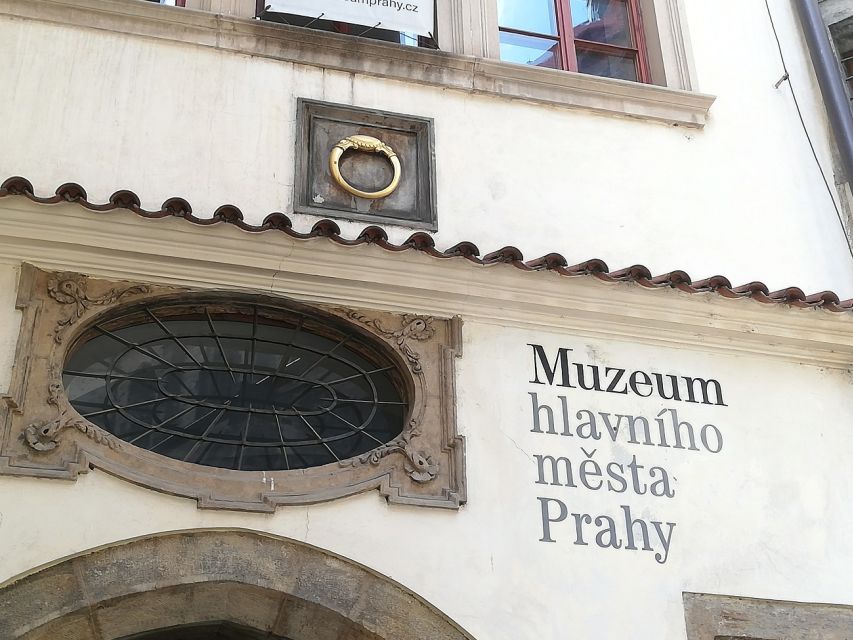
- Stepping into the House at the Golden Ring
- The Medieval Town exhibition: Charles IV’s Prague, in scale
- Multimedia View of Prague during Rudolf II: the Sadeler Prospect effect
- Charles IV’s city life, explained through admin and building—without the jargon
- Prague’s 14th-century streets and squares: video mapping on a model
- Archaeology and original objects: the human scale behind the visuals
- From Prehistory to the Tailcoat: the digital costume exhibition
- How long it takes: 1 to 2 hours in a comfortable rhythm
- Price and value: why $8 is a bargain for the content
- Who should book this ticket?
- Should you book the House at the Golden Ring entry ticket?
- FAQ
- FAQ
- How much is the House at the Golden Ring entry ticket?
- How long is the experience?
- What exhibitions are included with the ticket?
- Is the experience available in English?
- What’s the main focus of the museum content?
- Does the ticket include an animation or multimedia presentation?
- Is the ticket refundable if plans change?
- Can I book without paying right away?
Key highlights at a glance
- House at the Golden Ring: a historic stop paired with immersive museum galleries.
- Charles IV era models: Vyšehrad, Prague Castle, and St Vitus Cathedral presented in period context.
- Prague bridge construction and administration: short presentations that show how the city functioned.
- Rudolf II nine-metre animation: the Sadeler Prospect style view of everyday life in the Rudolfine era.
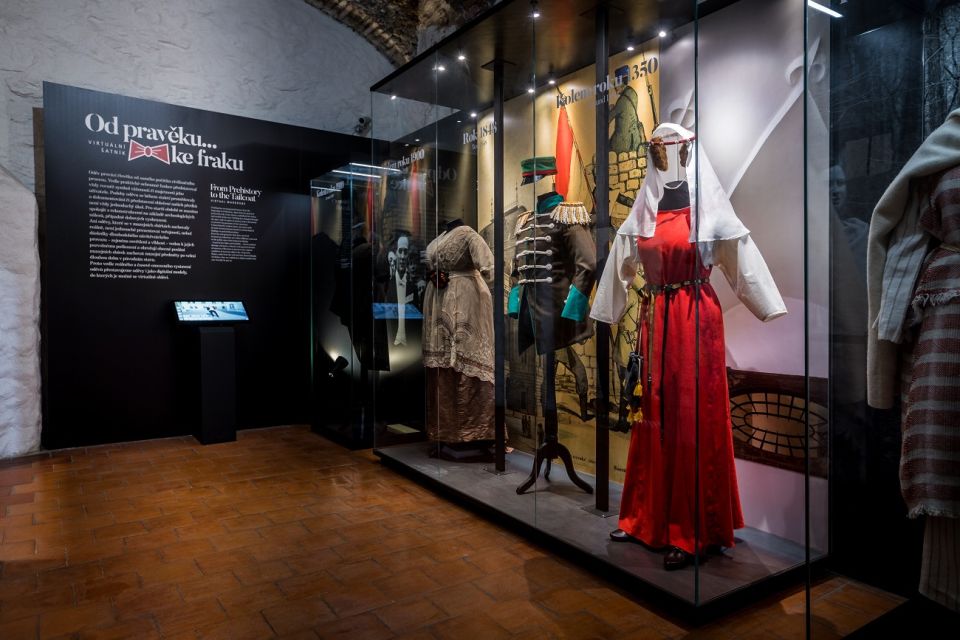
- Interactive digital costume exhibition: From Prehistory to the Tailcoat adds a human, visual angle to history.
- Good value for the time: most people can easily spend about 1.5 to 2 hours here at a comfortable pace.
Stepping into the House at the Golden Ring
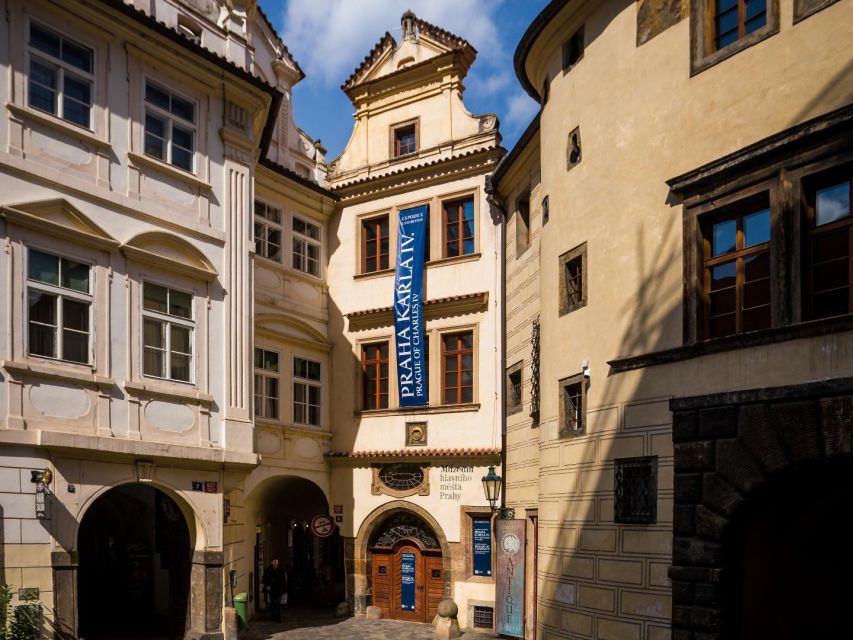
If you’re visiting Prague and you want more than viewpoints, this is a smart switch. The House at the Golden Ring entry ticket is built around museum storytelling, where models and projections explain what Prague looked like under different rulers. It’s a good choice when you want to get your bearings fast and build context before you wander the real streets.
I like that the experience doesn’t treat Prague history like a single straight line. Instead, it points you toward change over time, from medieval urban growth to the Rudolfine era’s atmosphere. And it keeps the pace moving with multimedia moments rather than endless wall text.
You can also read our reviews of more tours and experiences in Prague


The Medieval Town exhibition: Charles IV’s Prague, in scale
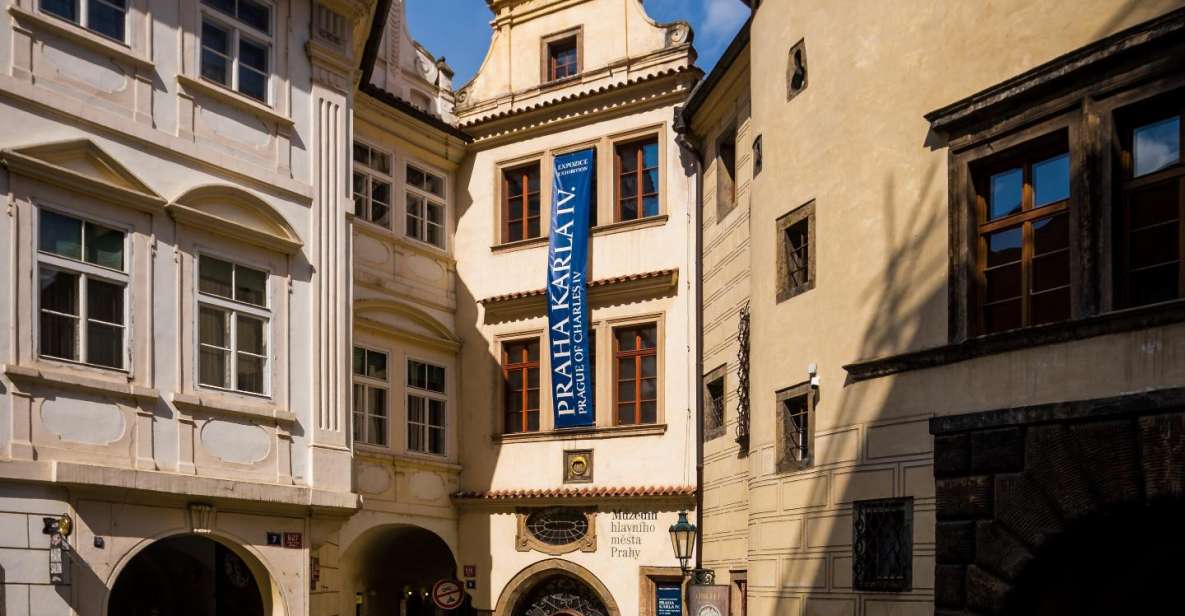
The core of the experience is the Medieval Town exhibition, and it focuses on how Prague developed during the reign of Charles IV and the House of Luxembourg. Instead of generic “medieval” vibes, you’re shown a city with recognizable landmarks and believable urban layout. You see virtual and tangible models of buildings founded by Charles IV, along with housing development across the urban agglomeration, plus the stone bridge area and other key structures.
What makes this section valuable for you is the way it ties architecture to power and public life. Charles IV’s Prague wasn’t only about pretty buildings; it was about the city’s role as a religious and state center. The museum highlights that St Vitus Cathedral and major sites like Prague Castle and Vyšehrad had religious and governmental functions during Charles’s time. Even if you only catch parts of the story, the structure helps you understand why these places matter on today’s map.
And there’s another practical win: the exhibit style encourages you to look, compare, and mentally “overlay” the medieval city onto what you see outside. If you’re planning to walk around Prague later, you’ll likely spot areas more confidently because you’ve already learned how things connected.
Multimedia View of Prague during Rudolf II: the Sadeler Prospect effect
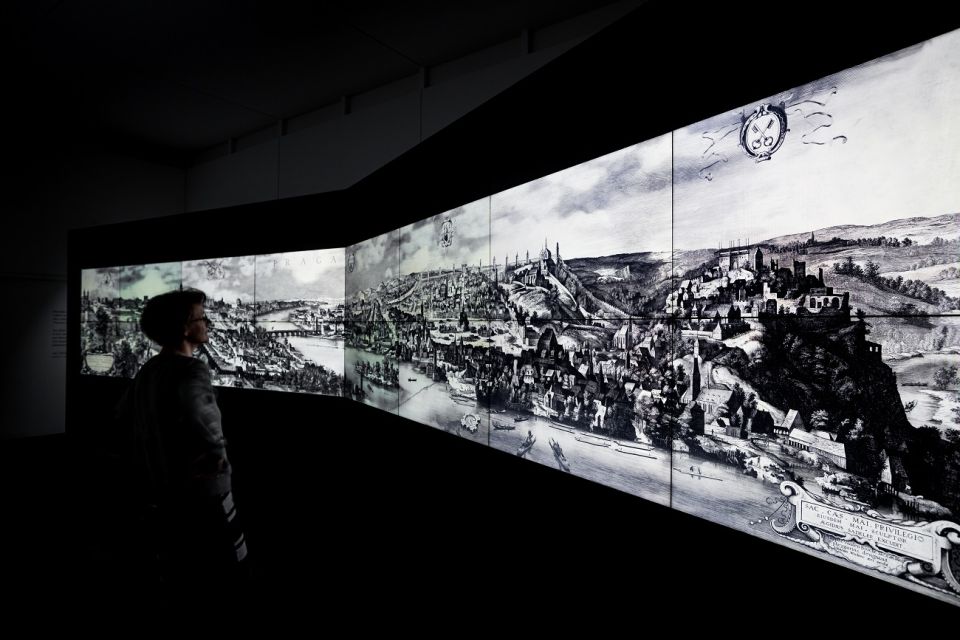
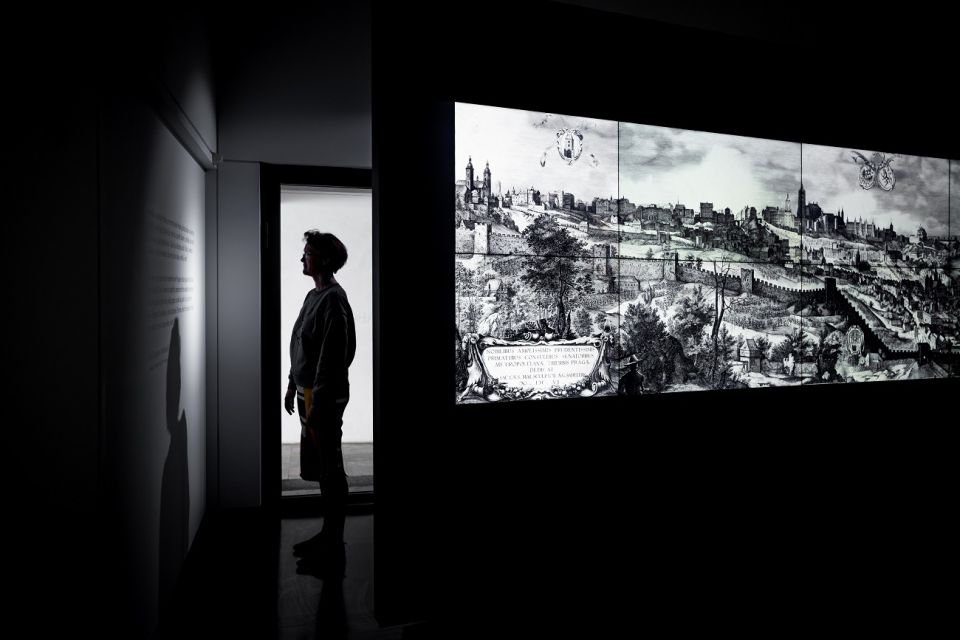
The Multimedia View of Prague during the rule of Rudolf II is where the museum gets visually dramatic. You’ll encounter video presentations and staging that aim to recreate life during this later period, rather than only showing buildings. The centerpiece is a nine-metre animation, designed to show everyday Prague as a city full of people, with joys and worries.
The museum also uses the concept of a Sadeler Prospect as the output of historians plus modern technology specialists. In plain terms, it’s an image of the city swarming with life—less about museum-like stillness, more about human scale. For many visitors, this is the “wow” moment, not because it’s flashy for its own sake, but because it gives you a feeling for density, movement, and atmosphere.
If you’re traveling with kids or you’re short on time, this is a strong reason to pick this ticket. It tends to be the section that keeps attention. If you prefer quieter learning, you might want to balance it with the more explanatory parts of the exhibition so you don’t feel like you’re only “watching screens.”
Charles IV’s city life, explained through admin and building—without the jargon
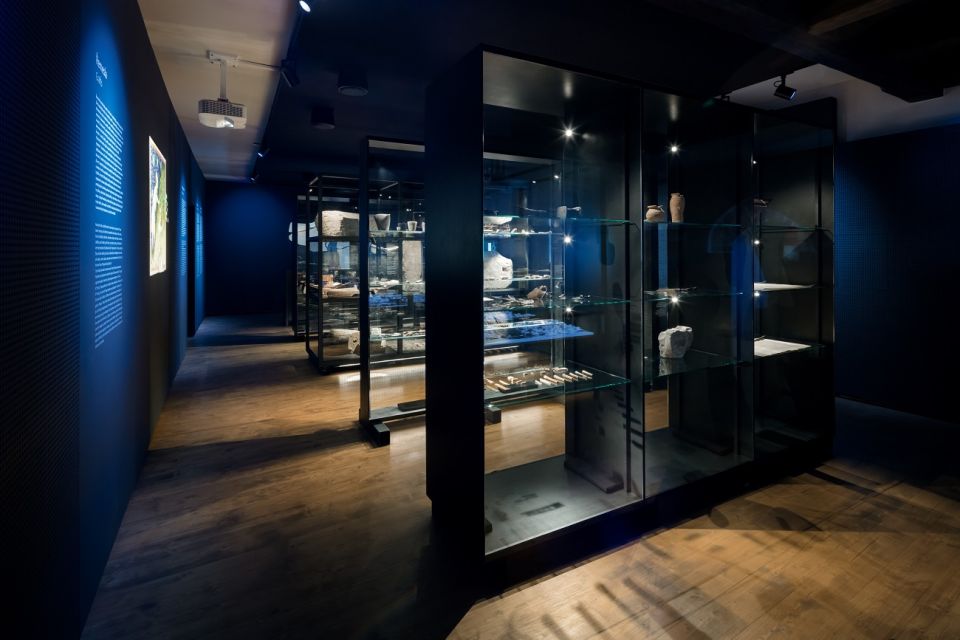
One of the clever parts of the experience is that it doesn’t only show buildings. You also get ways to understand how the city was run and how certain structures were built.
Expect virtual presentations that cover town administration as well as medieval bridge construction. There are also dramatic stops that highlight key historical moments such as Charles’s birth, his arrival to Prague in 1333, his coronation, and burial. This matters because it connects personal biography to urban history. Instead of only asking, “What did Prague look like?” you’re also nudged into, “Why did it change when it did?”
For me, the value here is clarity. You’re not asked to master timelines and names to get the meaning. You can move through the narrative and still come away with a more complete picture of what a capital does: it builds, governs, and attracts attention.
Prague’s 14th-century streets and squares: video mapping on a model
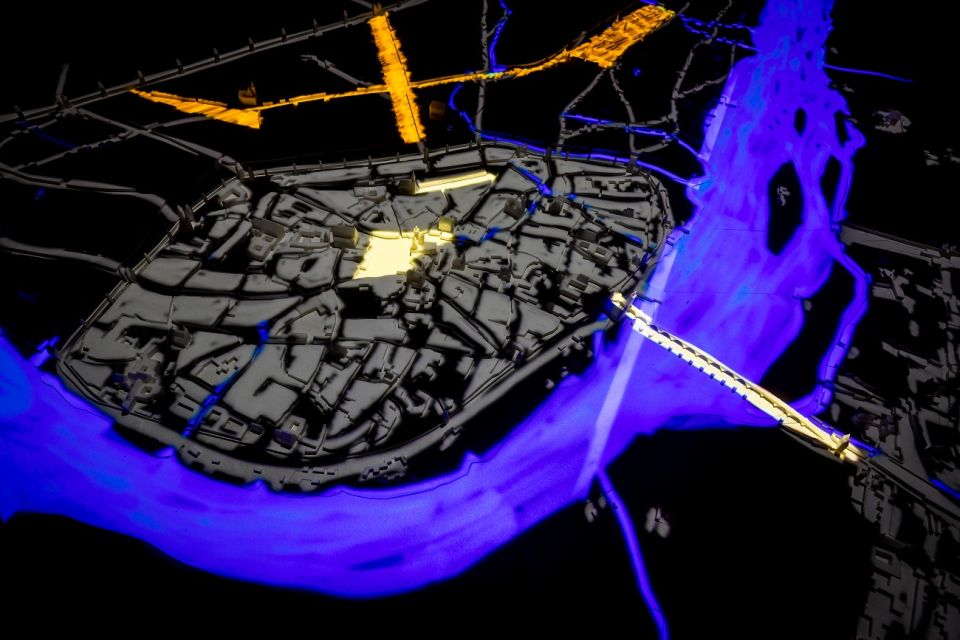
As you move through, you’ll find video mapping of the Prague conurbation model. The museum also zooms in on Charles Square and its vicinity to show building and urban development during the 14th century.
This section is worth your time because it helps you see the city as a system. Urban history can feel vague when it’s told only through dates. Video mapping gives you a “where” feeling—so you start understanding why neighborhoods grew where they did, and how landmarks shaped movement.
It’s also a good moment to slow down and take photos or notes if that’s your style. The projections are tightly tied to the model, so pausing helps you catch details you might otherwise miss.




Archaeology and original objects: the human scale behind the visuals
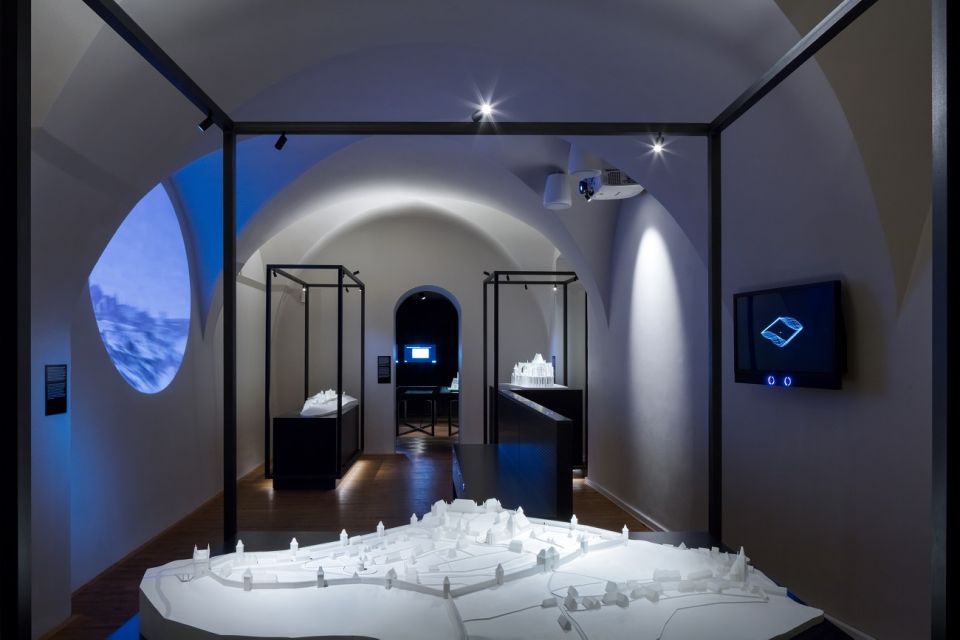
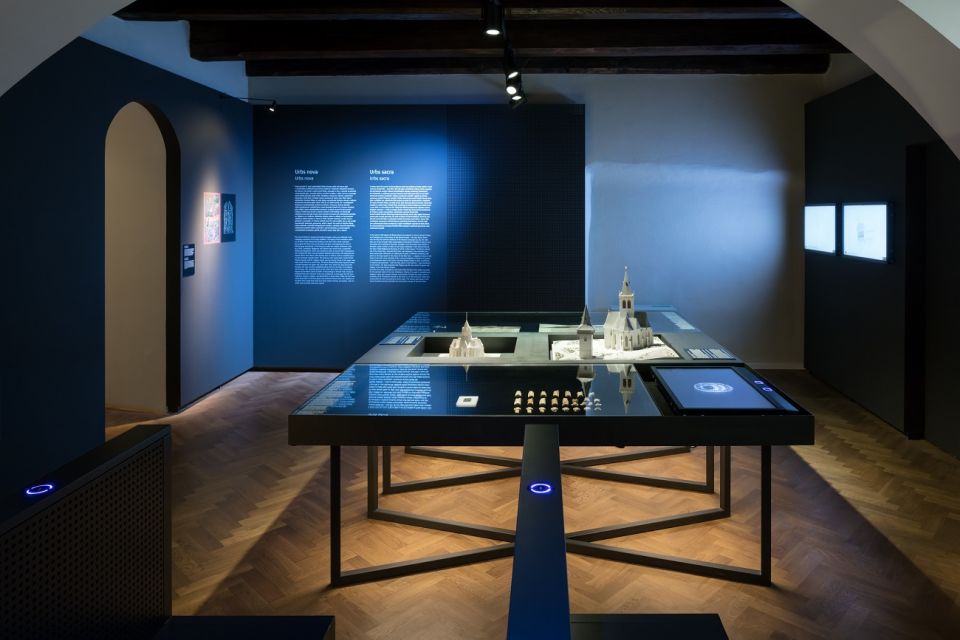
For a museum that uses lots of multimedia, it also makes room for original material. You’ll encounter unique archaeological findings and other original objects from institutions such as the Prague City Museum and the National Heritage Institute (Regional Office in Prague), plus other partner collections.
This is where the experience gains credibility. Screens can feel abstract. Physical objects make the story more grounded. If you like that “I can see it, I can handle what it is” approach, you’ll likely enjoy this part because it adds texture to the high-tech sections.
And you don’t have to be an expert. The exhibits are designed to illustrate everyday life during the rule of the Luxembourgs, including how people lived and what their material world looked like. That everyday focus is a big reason the museum can work for more than just die-hard history fans.
From Prehistory to the Tailcoat: the digital costume exhibition
The interactive digital costume exhibition is tied to the From Prehistory to the Tailcoat offering. This is the section that turns history into something you can imagine wearing, not just reading about.
What you’ll get here is an interactive look at clothing over time, presented in a digital format, and aimed at connecting personal identity to broader historical periods. The tailcoat detail is a clue that the exhibit isn’t only about kings and cathedrals—it also considers how ordinary appearances and social cues changed.
I also like that it breaks the museum’s tone. After you’ve spent time with city models and projections, costume learning gives your brain a rest while still keeping you in the same theme: how life in Prague changed under different rulers and eras.
How long it takes: 1 to 2 hours in a comfortable rhythm
The ticket is valid for one day, and you can check availability for starting times. In terms of how long you’ll need, plan for about 1.5 to 2 hours for a satisfying visit. One visitor timing example placed the full experience around 2 hours, while another suggested about 1h30 to see everything.
Here’s a practical rhythm that works well:
- Start with the sections that explain Prague’s big picture first, so later screens make more sense.
- Catch the Rudolf II animation early or mid-visit, since it’s attention-grabbing and can reset your focus.
- Finish with the costume exhibit if you want a lighter, human ending.
If you show up and rush through, you’ll miss the way the museum connects city life to rulers and everyday objects. Give it enough time, and it’s easier to leave with a mental map.
Price and value: why $8 is a bargain for the content
At about $8 per person, this ticket is priced like a small stop—but the experience often feels like more. The value comes from the variety: medieval town models, multimedia projections, and an interactive digital costume exhibit, all in one place.
Many museums charge similar money but rely heavily on static displays. Here, the mix of videos, visual displays (including 3D-style presentations), and physical objects helps justify the price. You’re getting multiple learning modes, which means more chances for you to connect—especially if you’re traveling with people who learn differently.
Also, because the visit is short (roughly 1.5 to 2 hours), it fits easily into a day packed with sightseeing. If you’re trying to balance Prague’s outdoor sights with indoor time, this ticket can act like a powerful primer rather than a time sink.
Who should book this ticket?
You’ll likely love this if you:
- Want context for Prague’s landmarks without needing to memorize a timeline.
- Prefer museum experiences with visuals, video, and interactive elements.
- Enjoy practical learning where you can connect models to what you see on the street afterward.
- Are traveling with mixed interests, because the costume exhibit offers a different angle than cathedrals and city planning.
It may be less satisfying if you:
- Strongly prefer quieter museums with lots of text and minimal screens.
- Need French-language narration; the dialogue and experience are presented in English based on guest feedback you should take seriously.
- Are only looking for a quick “hit one exhibit and leave” visit, because the full experience rewards a more complete circuit.
In short: it’s a good family-friendly choice, but it’s also for adults who want a smart, fast way to understand medieval Prague.
Should you book the House at the Golden Ring entry ticket?
Yes, I think you should book it if you want value, variety, and a clearer sense of Prague’s past in a short amount of time. The $8 price works because you’re not just looking at one style of display—you’re moving through models, multimedia, archaeology, and an interactive costume exhibit.
If you’re sensitive to language limitations, go in with your eyes open: the dialogue is in English, so plan around that. Otherwise, this is one of those Prague stops that helps your walking route make sense, not just fill time.
FAQ
FAQ
How much is the House at the Golden Ring entry ticket?
The price is listed as $8 per person.
How long is the experience?
It’s a 1-day activity.
What exhibitions are included with the ticket?
Included are the Medieval Town exhibition, the Multimedia View of Prague during the rule of Rudolf II exhibition, and From Prehistory to the Tailcoat.
Is the experience available in English?
Yes. The instructor is listed as English, and the listed languages are English.
What’s the main focus of the museum content?
It covers medieval Prague and includes Charles IV’s era city development and the Rudolf II period, plus an interactive digital costume exhibition.
Does the ticket include an animation or multimedia presentation?
Yes. There is a nine-metre animation showing life in Prague during the rule of Rudolf II, along with video mapping and multimedia displays.
Is the ticket refundable if plans change?
Free cancellation is available up to 24 hours in advance for a full refund.
Can I book without paying right away?
Yes. There’s a reserve now & pay later option listed.