REVIEW · PRAGUE
Prague: Classical Music Concert at Rudolfinum
Book on GetYourGuide →Operated by ClassicsInternational · Bookable on GetYourGuide
Big symphonies, short and close. That’s the magic of this Rudolfinum concert, where you get Rudolfinum’s famous setting and an intimate Suk Hall sound without committing to a whole evening. I especially like the mix of crowd-pleasing classics, plus the spotlight on Czech soloists like mezzo-soprano Stanislava Jirku. One possible drawback: this is a highlight-style program, so you won’t hear full-length works, and the soloists can vary by date.
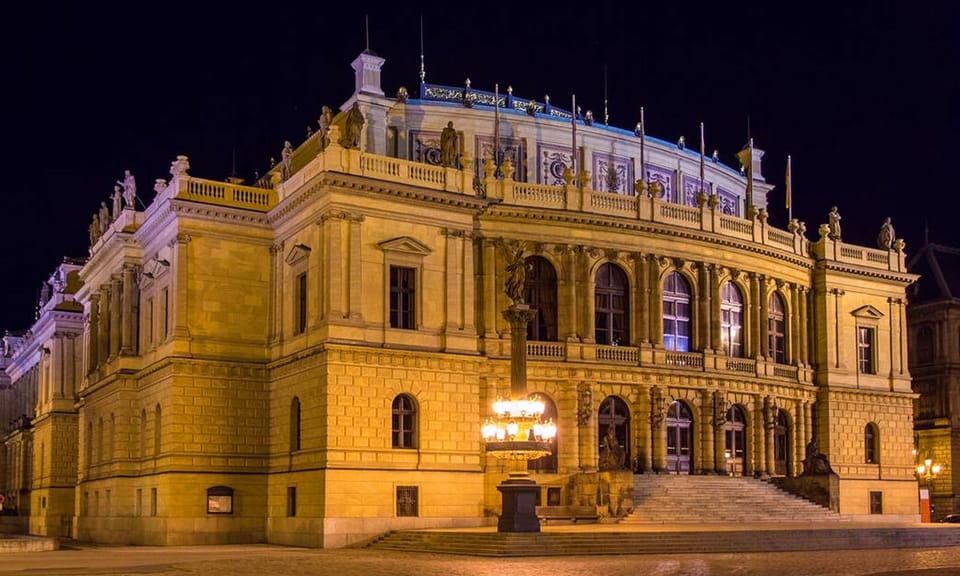
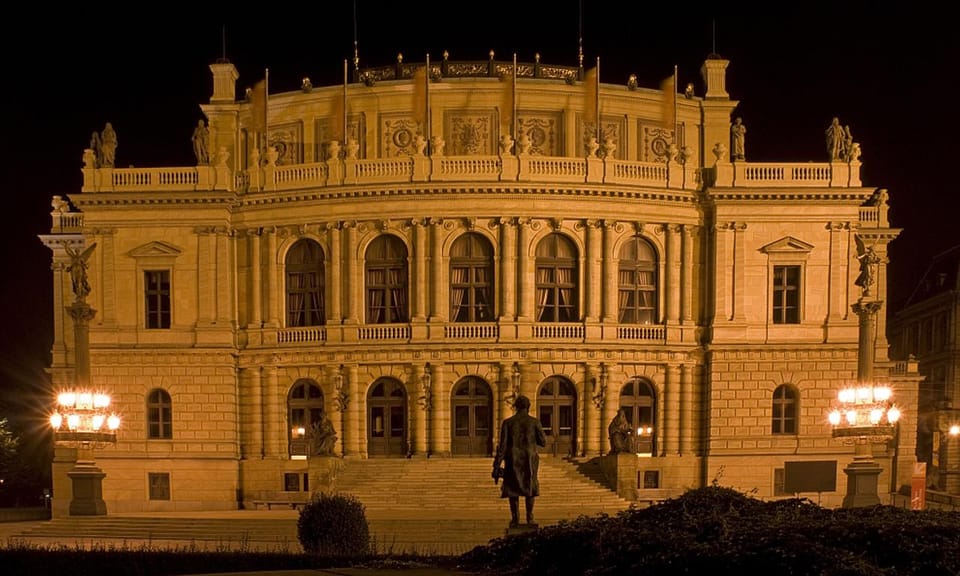
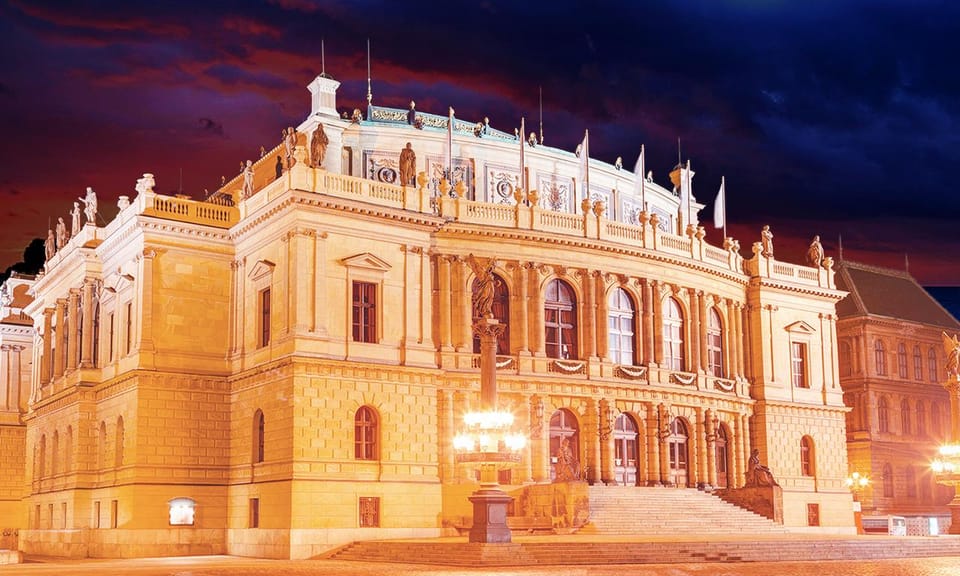
The venue part is real. Rudolfinum sits right in central Prague and has been a cultural landmark for more than a century, and the Suk Hall keeps the experience personal. If you want a low-stress way to hear famous composers in a proper concert environment, this ticket does the job.
In This Review
- Key Things I’d Watch For
- Rudolfinum and Suk Hall: Prague’s classic-music atmosphere
- Tickets, price, and the value of a 65-minute concert
- Soloists you may hear: Stanislava Jirku and the violin spotlight
- The concert program, explained in traveler-friendly terms
- Vivaldi: The Four Seasons (Spring & Summer)
- Handel: Largo from Xerxes
- Pachelbel: Canon and Gigue
- Mozart: Salzburg Symphony K 136 (Allegro)
- Bizet: Carmen (Habanera)
- Ravel: Bolero
- Beethoven: Symphony No. 5 (Allegro)
- Smetana: Vltava
- Why this ordering works (for you)
- Entering Rudolfinum and making the most of your 65 minutes
- Who should book this concert (and who should rethink it)
- Should you book this Rudolfinum classical concert?
- FAQ
- How long is the concert at Rudolfinum?
- How much does it cost?
- Where do I enter Rudolfinum?
- What’s included with the ticket?
- What pieces are on the program?
- Do the soloists stay the same every date?
- Is the venue wheelchair accessible?
- Are unaccompanied minors allowed?
- Is there free cancellation?
Key Things I’d Watch For
- Suk Hall intimacy: you’ll hear the performance with less distance and more clarity than in bigger halls
- Big-name repertoire: Four Seasons, Bolero, Carmen’s Habanera, Beethoven’s Fifth energy
- Czech soloists: mezzo-soprano Stanislava Jirku and a violin solo spotlight (often featuring Czech Radio Symphony’s concertmaster)
- Date-specific performers: September and October can swap the violinist and mezzo-soprano
- Just 65 minutes: a perfect length for travel days, jet lag, or a quick cultural hit
Rudolfinum and Suk Hall: Prague’s classic-music atmosphere
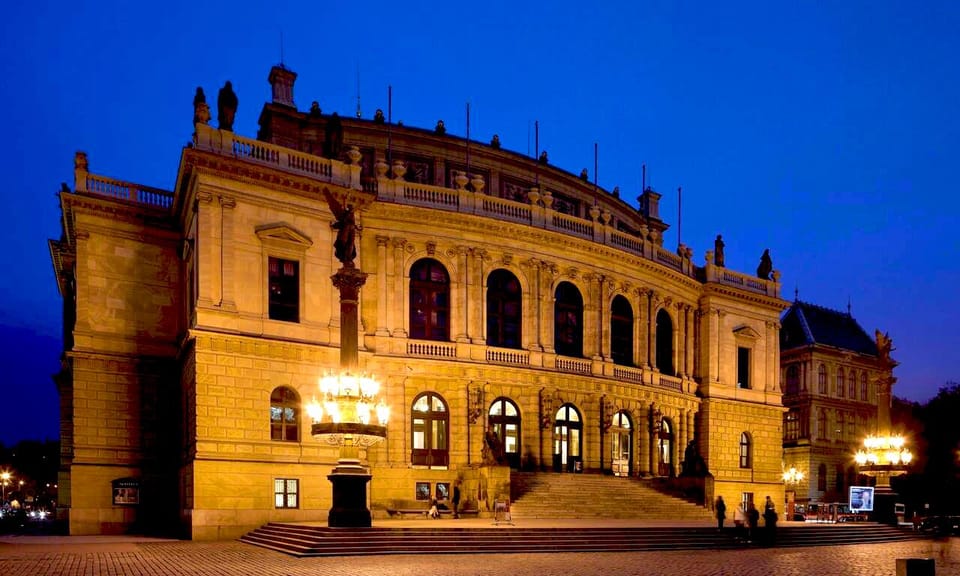
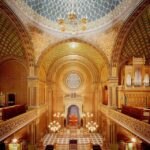
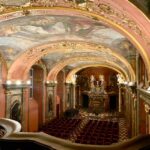
Prague makes it easy to love classical music on a travel schedule, and Rudolfinum is one of the best places to do it. This concert happens in the Suk Hall, named after Czech composer Josef Suk, and that naming matters: it signals the hall’s identity as a focused space for chamber-like listening rather than a giant, echo-heavy cavern.
What I like about the setting for you is simple. You’re not just watching from far away. The sound and attention feel more direct, so famous melodies land fast—especially when the program jumps from baroque fireworks into romantic orchestral highlights.
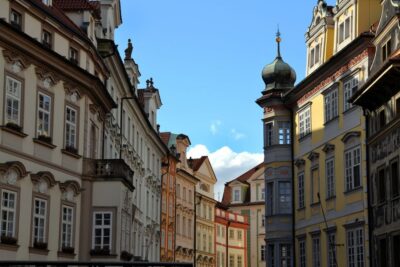
And because Rudolfinum is central, you don’t need a complicated plan to fit this into your day. You can do a museum morning, grab lunch nearby, then walk over and settle in.
You can also read our reviews of more tours and experiences in Prague
Tickets, price, and the value of a 65-minute concert
The ticket price is $39 per person, and the duration is 65 minutes. For Prague, that’s a sensible value equation: you get a serious concert setting, a printed program, and a full slate of recognizable works without burning half your night.
Here’s how I think about the value for you:
- You’re paying for the venue + performance package, not just for a recital of background music.
- The length reduces decision stress. If you’re juggling sightseeing plans, 65 minutes is easy to absorb.
- You get a program. That might sound small, but it helps you follow along with the composer switches, and it gives you something to reference later.
The main trade-off is time. This isn’t designed as a marathon. It’s built for impact—so if you love long-form listening, you’ll feel the edges. Still, for most people visiting Prague for a few days, this format is a sweet spot.
Soloists you may hear: Stanislava Jirku and the violin spotlight
One of the reasons this concert gets strong buzz is the way it spotlights named Czech performers. Mezzo-soprano Stanislava Jirku is billed as a featured soloist. She’s associated with the Czech National Theatre and has performed internationally with groups including the BBC Symphony Orchestra, the Czech Philharmonic, and the Prague Philharmonic Orchestra. That kind of track record matters because it usually translates into confident phrasing—especially on familiar vocal lines.
You’ll also get a violin solo by Vlastimil Kobrle. He’s one of the most acclaimed Czech violinists and the concertmaster of the Symphony Orchestra of Czech Radio. A violin concertmaster brings a specific kind of leadership to a program like this: crisp articulation, strong musical direction, and a sound that can cut through orchestral textures without getting harsh.
Now, here’s the important practical detail: soloists change by September/October dates. For September/October 2024:
- Sep 19 and Sep 20: Petr Zdvihal on violin, Stanislava Jirku on mezzo-soprano
- Sep 22: Petr Zdvihal on violin, Veronika Hajnová on mezzo-soprano
- October: Petr Zdvihal on violin (mezzo-soprano may differ from the earlier dates)
So if you’re booking because you want a specific soloist, check the performer list for your exact date before you commit. That’s the only way to avoid disappointment.
The concert program, explained in traveler-friendly terms
This is a program built from recognizable hits and well-chosen transitions. You get a taste of multiple eras—baroque, classical, romantic, and Czech orchestral identity.
Vivaldi: The Four Seasons (Spring & Summer)
Starting with Vivaldi is a smart move if you’re new to classical music in a live setting. The melodies are direct, rhythmic, and emotionally legible. You’ll especially feel that with Spring and Summer, where the music seems to move like weather—quick changes, bright passages, and a kind of forward momentum that keeps you engaged even if you’re not reading notes.





Handel: Largo from Xerxes
Then you hit Handel’s Largo, which is basically an emotional palate-cleanser. It’s slower, lyrical, and it gives you a chance to hear how the performers handle long phrases. In many concert halls, a slow movement can blur if it’s not well balanced—but in a smaller hall like Suk Hall, you tend to hear the structure more clearly.
Pachelbel: Canon and Gigue
Pachelbel’s Canon and Gigue is that “wait, I know this” moment for a lot of people. The canon line repeats in a way that feels steady and hypnotic, while the gigue adds movement. If you’ve only heard Pachelbel in recorded form, live performance often makes the rhythm and timing feel more organic.
Mozart: Salzburg Symphony K 136 (Allegro)
Mozart’s Salzburg Symphony K 136 (the Allegro movement) brings speed and clarity back into the room. You’re looking for clean phrasing and good balance here, because Mozart punishes muddiness. When it’s done well, it sounds like musical handwriting—precise and readable.
Bizet: Carmen (Habanera)
The Habanera from Bizet’s Carmen is dramatic and stylish, and it’s a perfect spot for a mezzo-soprano. If the vocalist is strong, the piece doesn’t just sound beautiful; it sounds intentional. The vocal line needs control, and the orchestra needs to support without smothering.
Ravel: Bolero
Then comes the part many people come for: Ravel’s Bolero. This is one of those pieces where the repetition is the point. What makes it work in real life is how the performers build tension step by step—so you’re not just hearing the same theme again and again. You’re feeling the growth.
Beethoven: Symphony No. 5 (Allegro)
Beethoven’s Symphony No. 5 (the Allegro excerpt) brings impact. Even if you’ve heard it on a soundtrack, live performance gives it weight. The rhythm drives forward, and the brass and strings tend to hit with more physical presence than recordings.
Smetana: Vltava
Ending with Vltava gives the program a distinctly Czech signature. This is where Prague audiences often feel extra attention, because Smetana’s music connects to local identity in a way that goes beyond “popular classical.” Even if you don’t know the story, you can hear the river-like flow and the shifts in mood.
Why this ordering works (for you)
The program alternates between:
- recognizable melodies (Vivaldi, Pachelbel, Mozart),
- emotional slow moments (Handel),
- big showstoppers (Bolero, Carmen),
- and a national anchor (Vltava).
That’s exactly why it’s a good first concert in Prague. You get variety without feeling lost.
Entering Rudolfinum and making the most of your 65 minutes
The ticket is timed to your concert date, and the duration is 65 minutes. Starting times vary, so check availability for the showtime you want. Plan to arrive with enough cushion to get through the entrance smoothly and find your seat.
For the entrance: use the entrance on the left side of the building. That small detail can save you time and stress, especially if you’re still orienting yourself in central Prague.
Once you’re seated, your job is easy: stay present and let the melodies do their work. In Suk Hall, you’ll likely find that even shorter works feel complete, because the space helps keep sound focused.
A printed program is included, which is helpful here. With composers shifting every section, the program can act like your visual roadmap while you listen.
Who should book this concert (and who should rethink it)
This experience is a good fit if:
- you want major composers in a serious concert hall without an all-night commitment,
- you like a program that mixes familiar pieces with a Czech finale,
- you enjoy hearing named soloists, not just an anonymous orchestra and singers.
It might be less ideal if:
- you’re chasing the longest possible performances and full symphonies,
- you’re sensitive to date-based changes in soloists (double-check your exact date if Stanislava Jirku or a specific violinist is your priority).
Also, unaccompanied minors aren’t allowed, so it’s not a drop-off-friendly option for kids traveling without an adult.
Should you book this Rudolfinum classical concert?
If you want a classic Prague cultural evening with strong music and an efficient length, I’d book it. The biggest reason is value for time: 65 minutes in a landmark hall, packed with recognizable works and Czech performers who bring real credibility.
Book it if:
- you’re on a tight schedule,
- you want high musical payoff per hour,
- you like hearing famous themes live (Bolero, Beethoven, Carmen, Vivaldi).
Consider another option if:
- you specifically want full-length symphonic programming,
- you’re traveling with children who would be unaccompanied,
- you’re choosing the show date without checking the featured soloists for that day.
Overall, this is one of those Prague experiences that makes you feel like you did something genuinely cultural without turning it into a whole project.
FAQ
How long is the concert at Rudolfinum?
The concert lasts 65 minutes.
How much does it cost?
The price is $39 per person.
Where do I enter Rudolfinum?
Use the entrance on the left side of the building.
What’s included with the ticket?
Your ticket includes entry and a printed concert program.
What pieces are on the program?
The program includes Vivaldi (The Four Seasons, Spring & Summer), Handel (Largo from Xerxes), Pachelbel (Canon and Gigue), Mozart (Salzburg Symphony K 136, Allegro), Bizet (Carmen – Habanera), Ravel (Bolero), Beethoven (Symphony No. 5, Allegro), and Smetana (Vltava).
Do the soloists stay the same every date?
No. The violin and mezzo-soprano soloists can change during September/October 2024, so check your specific date.
Is the venue wheelchair accessible?
Yes, the activity is wheelchair accessible.
Are unaccompanied minors allowed?
No, unaccompanied minors are not allowed.
Is there free cancellation?
Yes. You can cancel up to 24 hours in advance for a full refund.